Off The MRKT’s Favorite Listings of the Week
Dive into the details of these remarkable spaces and discover what makes them stand out in the world of real estate.
Read MoreYour guide to New York real estate and more
Off The MRKT - Where New York's, Real Estate, Life Style, and Culture Converge
Dive into the details of these remarkable spaces and discover what makes them stand out in the world of real estate.
Read MoreWhat started as a policy aimed at owners of luxury second homes is now working its way into lease negotiations, tenant screenings, and landlord decision-making across the city.
Read MoreKate Hudson, Ryan Tedder, Katharine McPhee and David Foster headlined a star-studded celebration marking the reopening of Caruso’s Palisades Village following its restoration after the Los Angeles fires.
Read MoreTennis before dinner, a movie downstairs, or a swim without leaving home. These Brooklyn buildings are making everyday rituals feel effortlessly luxurious.
Read MoreDiscover 7 of Philadelphia's most charming suburbs, from King of Prussia and Phoenixville to Ardmore and Doylestown, highlighting local gems, lifestyle perks, and standout residences.
Read MoreCreate a wildlife-friendly backyard with native plants, water, shelter, and thoughtful landscaping while preserving an elegant outdoor design.
Read MoreFrom courtside-inspired luxury and rooftop cocktails to fashion-forward innovations and standout New York openings, these are the experiences, products, and destinations defining August.
Read MoreOwning a home in New York can be exciting, but it also comes with responsibilities that go well beyond making a mortgage payment. The way a property is owned, how financial problems are handled, and how the home is maintained can all affect a homeowner's financial security.

Some risks are obvious, while others may not become apparent until a problem develops. Understanding how property ownership works, planning for financial setbacks, and paying attention to everyday safety can help New York homeowners make more informed decisions about one of their most valuable assets.
Buying a home is a major financial commitment, but many homeowners don't spend much time thinking about the legal structure behind their ownership. How a property is titled can affect who has an ownership interest, how decisions are made, and what can happen to the property if an owner dies or wants to transfer their interest.
According to the Chase Real Estate Ownership Guide, three common forms of property ownership are sole ownership, joint tenancy, and tenancy in common. Each structure can have different legal and financial implications, particularly when more than one person owns a property.
Sole ownership is relatively straightforward because one individual holds the ownership interest. Joint ownership can be more complicated because multiple people may have rights to the same property. With joint tenancy, for example, the owners may have certain rights that affect what happens to a share when one owner dies.
Tenancy in common works differently. Multiple people can own separate interests in the same property, and those interests don't necessarily have to be equal. One owner could potentially hold a larger percentage than another, depending on how the ownership was established.
These distinctions can become especially important when buying property with a spouse, family member, business partner, or friend. Two people may contribute different amounts of money toward a purchase, for example, and the ownership arrangement should reflect what they have agreed upon.
New York property owners should also consider how ownership fits into their broader estate plan. The way a property is titled can influence what happens to an ownership interest after death, so homeowners shouldn't assume that a will automatically controls every aspect of property ownership.
Homeownership can provide stability and build wealth over time, but it can also create financial pressure. Mortgage payments, property taxes, insurance, maintenance, utilities, and unexpected repairs can make a tight financial situation even more difficult.
Job loss, medical expenses, business problems, or accumulating debt can affect a homeowner's ability to keep up with financial obligations. When debt becomes overwhelming, bankruptcy may become one option worth understanding.
Bankruptcy can have significant effects on a person's finances, including their credit history. According to Capital One, a bankruptcy can remain on a person's credit report for seven to 10 years, depending on the credit reporting agency.
That doesn't mean a homeowner's financial future is permanently damaged. Credit can change over time, and the effects of bankruptcy can vary based on the individual's circumstances and the type of bankruptcy involved.
Still, homeowners should think carefully before making major financial decisions. Bankruptcy can involve complicated eligibility requirements, legal procedures, and long-term consequences. It may also affect how a person approaches future borrowing, refinancing, or purchasing another property.
Planning before a financial crisis becomes urgent can give homeowners more options. Maintaining an emergency fund when possible, monitoring debt, reviewing household expenses, and addressing missed payments early can help identify problems before they become more serious.
The important point is that financial problems and property ownership aren't separate issues. What happens to one can directly affect the other, making financial planning an important part of responsible homeownership.
Financial risk isn't the only concern that deserves attention. A home also requires regular maintenance and safety precautions, particularly when seasonal changes increase the demands placed on electrical systems.
Winter can be especially demanding. Heaters may run more frequently, people may spend more time indoors, and appliances or supplemental heating equipment may see heavier use.
According to the New York Post, about 30% of electrical fires occur between December and February, partly because winter brings increased loads from heaters and appliances. For homeowners, that statistic is a useful reminder that electrical safety deserves attention before cold weather arrives.
Older homes can require particular care. Outdated wiring, overloaded circuits, damaged cords, and insufficient electrical capacity can create potential hazards. Homeowners should also pay attention to warning signs such as frequently tripped breakers, flickering lights, burning smells, or outlets that feel unusually warm.
Heating equipment should be used according to the manufacturer's instructions, and electrical devices shouldn't be connected in ways that exceed the capacity of the circuit. Problems that appear minor can become more serious if they're ignored.
Owning a New York home means thinking beyond the purchase price. Understanding how your property is titled, preparing for financial setbacks, and keeping the home safe can all help protect your investment. A little attention now can save homeowners from much bigger headaches later.
Owning a second home, vacation property, or investment property comes with unique challenges that primary residences simply don't present. When a property sits unoccupied for extended stretches, whether that's a beach house used only in summer, a city condo visited a few times a year, or a rental property between tenants, protecting that investment requires a different approach than everyday homeownership. Understanding the services designed specifically for these situations can help property owners maintain their investment's value and avoid costly surprises.

One of the biggest risks associated with unoccupied property is simply not knowing what's happening inside when no one is there to notice. Regular home watch visits provide property owners with routine, documented check-ins that catch small issues before they become expensive disasters. A trained professional walking through the property periodically can spot a slow leak before it causes major water damage, notice signs of pest activity, or catch an HVAC malfunction before extreme temperatures damage flooring, furniture, or plumbing.
This kind of oversight is particularly valuable for properties in areas with harsh weather swings, where a burst pipe or failed sump pump can cause significant damage within days if left unnoticed. Beyond simply checking for problems, many of these services also handle practical tasks like adjusting thermostats seasonally, running water periodically to prevent pipe issues, and confirming that security systems remain functional. For owners who can't be present regularly, this kind of consistent, professional attention offers real peace of mind that a property is being properly maintained even from a distance.
For higher-value properties or those in areas with elevated security concerns, routine check-ins are sometimes paired with a more visible security presence. Hiring professional security guards for a vacant or seasonally occupied property adds a deterrent effect that passive monitoring alone can't match, particularly for properties that may be targeted specifically because they're known to sit empty for long stretches. A visible security presence, whether through periodic patrols or stationed personnel during high-risk periods, significantly reduces the likelihood of break-ins, vandalism, or unauthorized use of the property.
This kind of security is especially relevant for luxury properties, properties in transitional neighborhoods, or homes located in areas prone to seasonal population shifts where vacant homes are more noticeable to would-be intruders. Combining professional security with routine watch services creates a layered approach that addresses both the practical maintenance side of property care and the very real risk of criminal activity targeting unoccupied homes.
Managing a property from a distance often also means managing the logistics of getting there yourself, particularly for owners who split time between multiple locations. Arranging reliable town car services for airport transfers or trips to and from a secondary property removes one more layer of stress from what can already be a complicated travel routine. Rather than dealing with rental car logistics or unfamiliar rideshare availability in a less familiar area, a dependable car service offers consistency and comfort, especially for owners who make this trip regularly throughout the year.
This becomes particularly valuable for older property owners or those traveling with family, where the convenience of door-to-door service outweighs the cost savings of driving or arranging transportation independently. Establishing a relationship with a trusted provider also means smoother logistics over time, as drivers become familiar with routes, preferred pickup locations, and specific scheduling needs.
Owning property that isn't occupied full-time requires a broader support system than most people initially anticipate. Regular home watch visits catch maintenance issues before they escalate, professional security addresses the real risk of vacant properties becoming targets, and reliable transportation simplifies the practical logistics of managing a property from afar. Together, these services allow owners to protect both the physical condition and long-term value of their investment without needing to be present year-round.
For anyone managing a property that sits empty for extended periods, building this kind of support network isn't a luxury; it's a practical necessity that pays for itself many times over by preventing the kind of costly problems that come with an unwatched, unprotected home.
Before a commercial building ever opens its doors, a substantial amount of technical groundwork has to happen correctly, work that most tenants and customers never think about but that determines whether a project succeeds or runs into costly complications. From accurately mapping a property before construction begins to finishing interior spaces with practical design details, each phase of commercial development requires specialized expertise. Understanding what goes into this process helps business owners appreciate why cutting corners in these areas rarely pays off.
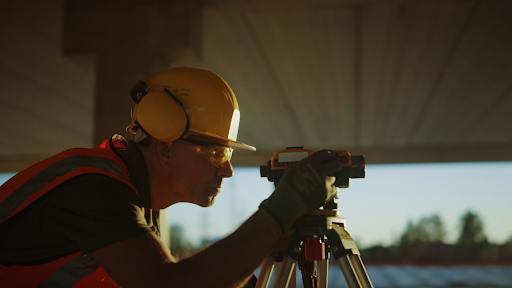
Every successful commercial project starts with precise knowledge of the land itself. Engaging qualified surveyors early in the planning process establishes accurate property boundaries, elevation data, and site conditions that inform every subsequent decision, from building placement to drainage design. Without this foundational data, developers risk boundary disputes, zoning violations, or design plans that don't account for the site's actual conditions.
Beyond simply confirming property lines, professional survey work often reveals critical information about topography, soil conditions, and existing easements that can significantly impact construction costs and timelines. Catching these issues during the planning phase, rather than discovering them mid-construction, allows developers to adjust designs proactively, avoiding expensive change orders once work is already underway. This upfront investment in accurate data consistently pays for itself by preventing far costlier problems later in the project.
Closely related to site surveying is the critical task of identifying what already exists below ground before any digging begins. Locating underground utilities accurately is one of the most important safety and logistical steps in any commercial construction project, since striking an unmarked gas line, electrical conduit, or water main can cause serious injury, costly repairs, and significant project delays. Professional utility locating services use specialized equipment to map existing infrastructure before excavation crews break ground.
This step becomes particularly critical in urban or previously developed areas, where decades of prior construction may have left behind undocumented or poorly recorded utility lines. Skipping or rushing this process to save time is one of the more common and expensive mistakes in commercial construction, often resulting in emergency repairs, regulatory fines, and significant schedule setbacks. Thorough utility mapping, done in coordination with accurate site surveys, gives construction teams the complete picture they need to move forward safely and efficiently.
Once the structural and infrastructure work is complete, attention shifts to the details that shape how a space actually functions for employees, clients, and customers. Installing decorative film on glass surfaces has become a popular and practical choice for commercial interiors, offering benefits that go well beyond aesthetics. This treatment can provide privacy for conference rooms and offices, reduce glare and UV exposure, and reinforce branding through custom patterns or frosted logos, all without the cost and permanence of replacing glass entirely.
This kind of finishing detail also offers flexibility that traditional construction materials don't, since film can be updated or replaced relatively easily as a business's branding or spatial needs evolve. For businesses looking to make a strong impression in shared or leased commercial spaces, this represents a cost-effective way to customize an environment without undertaking major structural changes.
Commercial construction success depends on treating each phase of a project with the same level of care, whether that's the invisible groundwork of accurate surveying and utility mapping or the visible finishing touches that shape a space's final appearance. Skipping steps or rushing through less glamorous phases like site surveys or utility locations in favor of faster visible progress almost always leads to costly complications down the line.
Businesses that prioritize thoroughness at every stage, from the ground up, tend to end up with projects that stay on budget, avoid preventable delays, and deliver spaces that genuinely serve their intended purpose. The unglamorous groundwork may not be what clients notice first, but it's what makes everything visible above it actually work.
Running a successful business involves far more than day-to-day operations. Whether you're acquiring a new commercial property, securing a long-term lease, or simply upgrading the space you already occupy, a handful of strategic decisions can significantly impact both the safety and long-term value of your investment. From protecting physical assets to ensuring transactions close smoothly and creating a modern, efficient workspace, thoughtful planning in these areas pays dividends well beyond the initial investment.

No matter how well a business is run, physical security remains a fundamental concern for any commercial property. Partnering with a reputable security company gives business owners access to comprehensive protection strategies, including surveillance systems, access control, and on-site personnel when needed. Beyond simply deterring theft or vandalism, a well-designed security plan protects employees, sensitive data, and valuable equipment, all of which contribute directly to a business's ability to operate without disruption.
The right security partner also brings expertise that most business owners simply don't have in-house, helping identify vulnerabilities that might otherwise go unnoticed until they become a real problem. This might include recommendations around lighting, entry point monitoring, or integrating security systems with other building technology. For businesses handling valuable inventory, sensitive client information, or operating in higher-risk areas, this kind of professional guidance is often the difference between a minor incident and a significant loss.
Whether purchasing a new commercial property or finalizing a major business deal, the transaction process itself carries real risk if not handled carefully. Working with experienced escrow services ensures that funds, documents, and contractual obligations are managed by a neutral third party throughout the closing process, protecting both buyers and sellers from the kind of disputes or complications that can derail a deal at the last minute. This added layer of oversight verifies that all conditions of a sale or agreement are met before funds and property officially change hands.
For business owners, particularly those navigating commercial real estate for the first time, this kind of professional oversight provides genuine peace of mind. Escrow professionals handle the administrative complexity of a transaction, confirming that title issues are resolved, inspections are completed, and all parties have fulfilled their contractual obligations before the deal is finalized. This process reduces the likelihood of costly surprises after closing and ensures that significant financial commitments are protected every step of the way.
Once a property is secured and the transaction is complete, many business owners turn their attention to creating a workspace that reflects modern standards for both efficiency and employee comfort. Working with a certified Lutron dealer allows businesses to implement sophisticated lighting control systems that go well beyond simple on-off switches, offering automated scheduling, energy-efficient dimming, and customizable settings tailored to different areas of a commercial space.
These systems offer practical benefits beyond aesthetics. Automated lighting reduces energy costs by ensuring spaces aren't lit unnecessarily during off-hours, while customizable settings can improve employee comfort and productivity by adjusting brightness and tone throughout the day. For businesses that host clients or run customer-facing operations, well-designed lighting also contributes meaningfully to the overall impression a space makes, reinforcing a sense of professionalism and modern design that reflects well on the company as a whole.
Building a successful, resilient business often comes down to the decisions made outside of day-to-day operations, particularly around protecting assets and ensuring transactions are handled correctly, and creating a space that supports both efficiency and professionalism. Security measures protect what a business has already built, careful oversight during major transactions safeguards significant financial commitments, and thoughtful technology upgrades create a workspace that functions well for employees and clients alike.
Business owners who invest time and resources into these areas tend to find that the returns extend well beyond the immediate benefit, contributing to a foundation of stability and professionalism that supports long-term growth and success.
Kempinski Residences Miami Design District has opened its sales gallery, giving buyers a first look at the two-tower, 128-residence development ahead of its Q4 2029 completion.
Read MoreMONSE brought its Pre Fall collection to the Hamptons for the first time, with Devorah Rose hosting Olympia of Greece, Sailor Brinkley Cook and more at a private Water Mill estate.
Read MoreFrom Park Lane New York to Sip & Guzzle, here is where to stay, dine and drink during New York Fashion Week, with hotels, restaurants and bars putting visitors close to the runway action.
Read MoreMegan Sullivan of Douglas Elliman represented the buyer in the $5.39 million sale of a waterfront home at 7 Grimes Road in Old Greenwich, part of an active week that saw her close or go into contract on more than $25 million in Fairfield County listings.
Read More