How To Create a Backyard That Supports Wildlife
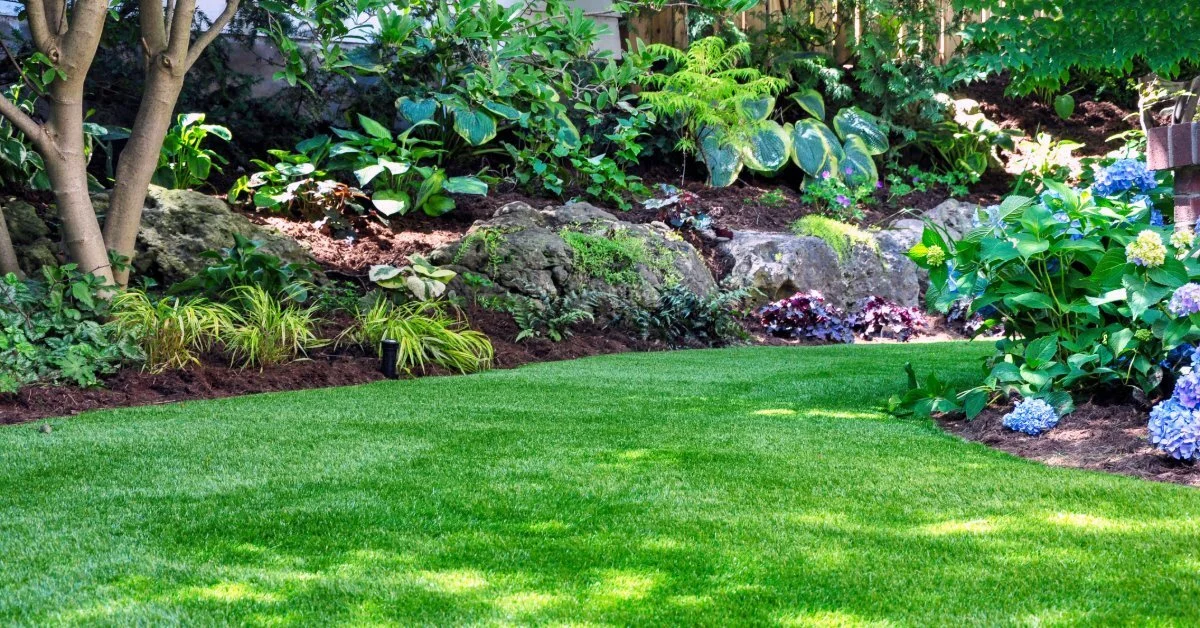
A well-designed backyard gives you somewhere to unwind after work or spend a quiet weekend outdoors. With thoughtful landscaping, the same property can give local wildlife food and shelter without sacrificing the look you’ve invested in. To create a backyard that supports wildlife, start by viewing your yard as living habitat rather than decorative space alone. You can maintain an upscale landscape while giving birds and other native species useful reasons to visit throughout the year.
Give Native Plants a Bigger Role
Native plants belong in a thoughtfully designed landscape because they already have strong connections with wildlife in your region. Local insects rely on certain native species for food, and those insects support birds that visit your property. A flowering native plant also gives pollinators a food source during its blooming season. You gain ecological value without turning your garden into an unmanaged space.
You don't need to remove established landscaping to make room for native species. A professional landscape designer can work them into an existing bed or create a planting area along a property boundary. This preserves the structure of your outdoor design while adding vegetation that serves wildlife.
Native species also suit the climate where they developed. When you’re planning broader improvements, consider how your land decisions support its long-term health as you decide which parts of the property to preserve or change.
Build Shelter Into the Landscape
Wildlife needs protected areas where it can retreat from harsh weather or nearby predators. Dense vegetation gives smaller animals that protection while adding depth to your landscaping. Rather than leaving an elegant backyard overgrown, you can place shelter where it complements the rest of the property.
Consider areas that receive less attention during everyday use. A native shrub along the back property line can screen a fence while giving birds somewhere to retreat. Mature trees deserve attention as well because their branches give birds established nesting and perching locations. Preserving an existing tree also maintains height in a landscape that younger plantings take years to develop.
You can add purpose-built shelter when it suits your design. A high-quality birdhouse can complement the architecture of your home, but its dimensions and placement should suit a species that lives in your area. Wildlife benefits most when each shelter serves a practical purpose.
Add Water That Belongs in the Design
Every visiting animal needs water, which makes a dependable source an effective addition to a wildlife-friendly property. A shallow birdbath works for many yards, while a custom water feature can become a focal point in a larger landscape. You don't need to hide either option as long as its materials complement the surrounding design.
Small birds need shallow water where they can stand comfortably. A textured basin gives their feet better traction, while regular cleaning keeps debris from building up. Place the water near protective vegetation so birds have somewhere nearby to retreat after drinking or bathing.
Water also adds something to your own time outdoors. The sound of moving water can soften background noise around a patio and draw your attention toward visiting birds. When you’re creating a backyard that supports wildlife, features that work for both you and local animals give the space a stronger sense of purpose.
Reconsider Underused Areas of Lawn
A broad lawn works well when you regularly use it for entertaining or recreation. Other sections may contribute little beyond requiring mowing and irrigation. Those underused areas give you room to add habitat without changing the portions of the property that support your lifestyle.
Look at the quieter edges of the yard first. A narrow area beside a fence may work better as a planted border where insects can feed. An unused corner can support taller vegetation that gives birds cover while adding visual depth to the property. You keep open turf where you want it and give less active spaces another purpose.
This shift also creates stronger transitions throughout the landscape. A planted bed can frame a patio while separating an entertainment zone from a quieter garden area. As you plan the rest of the property, these ideas for creating the perfect outdoor oasis show how native plants and other natural elements can fit into a thoughtfully designed backyard.
Adjust Maintenance With Wildlife in Mind
The way you maintain your property determines whether wildlife continues to use the habitat you've created. Some traditional landscaping habits remove food or shelter that local species rely on. You don't need to abandon an orderly yard; you can change where and when you perform certain maintenance tasks.
Fallen leaves offer a useful example. Instead of removing every leaf from the property, move some into planting beds where insects can shelter as temperatures drop. Your lawn stays tidy while less visible areas retain natural material that supports the habitat.
Pesticide use also deserves careful consideration because insects form an important part of many birds' diets. Treat a specific pest problem rather than applying chemicals across the entire property without a defined need. You can also leave selected plant stems standing through winter, giving insects shelter until warmer weather returns.
Plan for Wildlife Across Every Season
A backyard that attracts wildlife in summer shouldn't become empty habitat when temperatures drop. Different seasons change what animals need from your property, so year-round planning gives your landscaping greater ecological value. The plants you select now can provide benefits long after their flowers disappear.
Trees and shrubs with dense branching offer winter cover when deciduous plants lose their leaves. Seed-producing flowers can continue feeding birds after the growing season ends if you leave some spent heads in place. You can reserve spring cleanup for warmer weather, which gives overwintering insects time to emerge before you remove old plant material.
Seasonal planning also gives your landscape visual interest beyond summer. Architectural branches and dried plant forms add texture when flowering plants go dormant. Instead of designing solely for peak bloom, you create a property that stays useful and visually engaging throughout the year.
Give Your Property a Living Purpose
You don't need a large estate or untouched acreage to give local wildlife useful habitat. A residential backyard can support nearby species when you provide food and shelter in spaces that still suit your lifestyle. Thoughtful planting and water features let you add ecological function without giving up the design standards you expect from your property.
Start with the areas you already use the least, then build wildlife-friendly choices into future landscape projects. Over time, your backyard can become a place where native species find what they need while you enjoy a richer outdoor setting. The result gives your property another purpose beyond appearance and creates a stronger connection between your home and the land around it.
Have a listing you think should be featured contact us or submit here to tell us more! Follow Off The MRKT on Twitter and Instagram, and like us on Facebook.




Working at the Philadelphia Navy Yard does not mean making the office your entire personality. Here is where to live for the easiest commute, best dinners, quieter blocks, more space, and a South Philly life that continues after you log off.