How to Make Your Property More Accessible
A property should welcome people rather than create unnecessary obstacles. Whether you manage an office building, own a rental property, or operate a commercial space, accessibility plays a major role in how people experience your building. Even minor improvements can make everyday activities easier for visitors and occupants.
Making a property more accessible requires more than adding a ramp near the entrance. Thoughtful improvements help people with different mobility needs navigate spaces comfortably and independently. Property owners who prioritize accessibility can also strengthen their property's appeal while preparing for changing tenant expectations.
Evaluate Your Property's Current Accessibility
Before making improvements, examine how people move throughout your property. Walk through the building from the perspective of someone who uses a wheelchair or has limited mobility. Pay attention to entrances, narrow hallways, and areas that require unnecessary physical effort.
An accessibility assessment helps identify obstacles that people might overlook during ordinary property inspections. Consider inviting accessibility specialists to evaluate the building and recommend practical solutions. Their expertise can help you prioritize improvements while addressing relevant building codes and accessibility standards.
During your initial assessment, focus on these important areas:
Building entrances: Check whether visitors can enter without encountering unnecessary barriers.
Interior pathways: Look for narrow passages that restrict movement.
Restrooms: Evaluate available space and accessibility features.
Vertical access: Determine whether occupants can reach every necessary floor.
Parking areas: Review accessible parking spaces and routes to entrances.
Keep a record of potential improvements and organize them according to urgency. Some modifications require significant construction, while others involve relatively simple adjustments. A clear assessment gives you a practical starting point and helps prevent unnecessary expenses during future renovations.
Improve Parking Areas and Outdoor Walkways
Accessibility begins before someone reaches your front door. Visitors need convenient parking spaces and safe pathways that connect outdoor areas with building entrances. Poorly maintained sidewalks or steep approaches can discourage people from visiting a property, regardless of its interior features.
Review your parking layout to ensure accessible spaces meet applicable requirements. Consider how easily someone can exit a vehicle and reach the building without encountering obstacles. Proper access aisles and clearly marked routes can make the arrival experience considerably more comfortable.
Make Building Entrances Easier To Navigate
The entrance creates an immediate impression of your property's accessibility. Heavy doors and awkward entry configurations can make an otherwise welcoming building difficult to navigate. Improving these features allows more visitors to enter comfortably without relying on assistance from other people.
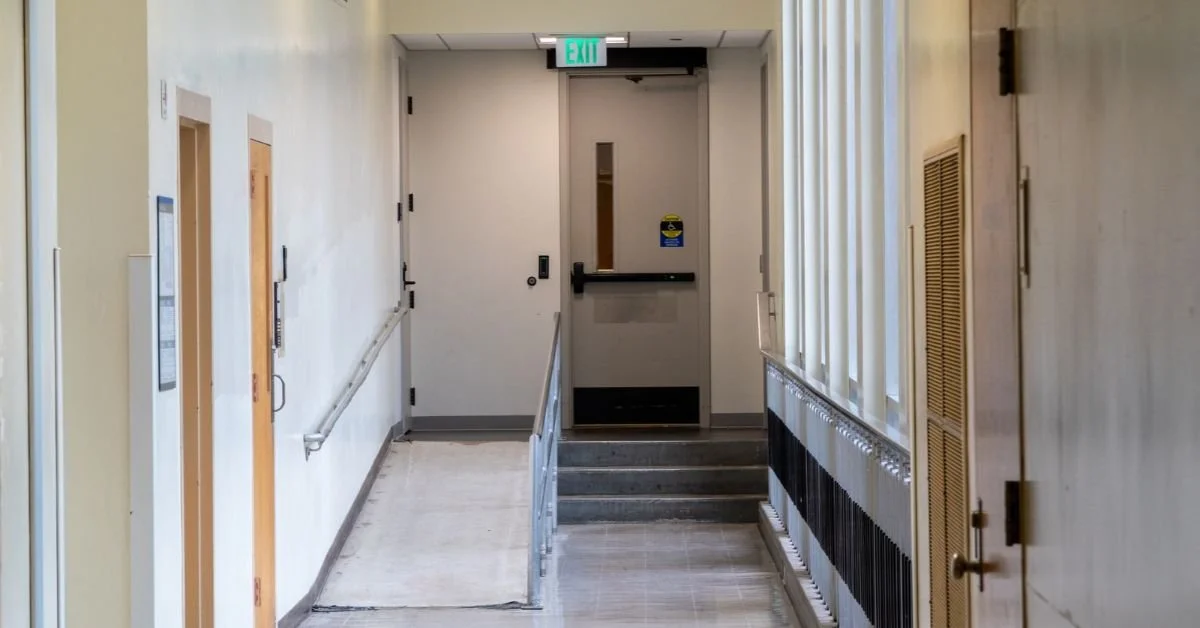
Automatic door operators can reduce physical effort at frequently used entrances. Where appropriate, ramps provide an alternative to stairs, although their dimensions must satisfy applicable accessibility requirements. Property owners should also consider threshold heights and available maneuvering space around doorways.
Lighting plays an important role in creating a safer entrance. Visitors need enough visibility to identify elevation changes and locate door hardware. Consistent illumination can also improve your property's overall appearance while making entrances easier to navigate after sunset.
Consider Elevators and Other Vertical Access Solutions
Multi-story properties present unique accessibility challenges because stairs cannot accommodate everyone's needs. Elevators provide convenient access between floors and support people who use mobility devices. They also benefit occupants with temporary injuries or who have difficulty climbing stairs.
Understanding how to choose the right elevator for your property can help you make an informed investment. Consider the building's layout, available space, expected passenger traffic, and applicable accessibility requirements. A qualified elevator professional can recommend equipment that accommodates your property's operational needs.
Existing buildings may require modernization rather than entirely new equipment. Depending on the circumstances, upgrades to elevator controls or door operation can improve accessibility. Regular inspections and professional maintenance also help ensure reliable operation for occupants who depend on vertical transportation.
Create More Accessible Interior Spaces
Once visitors enter your property, they should have enough room to move comfortably. Narrow corridors and crowded furniture arrangements can create frustrating obstacles. Review how people navigate shared areas and identify opportunities to create more practical circulation routes.
Furniture placement often makes a surprising difference in accessibility. Rearranging reception seating or moving decorative displays can improve movement without requiring major construction. Maintain clear routes throughout the building and ensure occupants can reach essential amenities without unnecessary detours.
Improve Signage and Navigation Throughout the Building
A building becomes more welcoming when visitors can easily identify where they need to go. Confusing layouts can create unnecessary stress, particularly for people who have difficulty navigating unfamiliar environments. Clear signage helps occupants locate entrances and essential facilities with greater confidence.
Use readable lettering and strong visual contrast when selecting signs. Include tactile characters and Braille wherever applicable accessibility standards require them. Place directional information at appropriate locations so visitors can make decisions without repeatedly asking staff members for assistance.
Digital communication can also support accessibility before visitors arrive. Property websites should explain available accessible entrances and other important accommodations. Providing accurate information helps people prepare for their visits and reduces uncertainty about whether a building can accommodate their needs.
Plan Accessibility Improvements Around Your Budget
Accessibility improvements require financial planning, especially when a property needs extensive renovations. Start by separating essential compliance work from optional enhancements. This approach helps you allocate resources responsibly while addressing obstacles that most affect everyday building access.
For rental properties, owners often research top factors that affect rental prices when evaluating potential improvements. Accessibility may influence tenant interest and overall property appeal, although local market conditions also affect rental values. Consider these broader financial realities when developing your renovation budget.
Avoid focusing exclusively on the initial cost of accessibility upgrades. Durable materials and reliable equipment can reduce maintenance expenses over time. A well-planned investment should support daily usability while helping the property remain functional as occupants' needs change.
Maintain Accessibility as Your Property Evolves
Accessibility requires ongoing attention because buildings change over time. New furniture arrangements and routine renovations can unintentionally introduce barriers. Schedule periodic evaluations to ensure previous improvements continue to serve their intended purpose and maintain clear access throughout the property.
Encourage occupants and visitors to report accessibility concerns as they arise. Their feedback can reveal practical problems that routine inspections overlook. Responding promptly demonstrates that property management values comfort and recognizes the importance of providing an inclusive environment.
Review accessibility whenever you plan significant building improvements. Coordinating upgrades with scheduled renovations may reduce disruption and unnecessary construction costs.
Create a Property That Welcomes Everyone
Making your property more accessible requires thoughtful planning and a commitment to continuous improvement. From convenient entrances to functional interior layouts, every meaningful upgrade can help occupants navigate the building with greater confidence. Accessibility should remain a central consideration, not an afterthought.
Start by evaluating your property's existing barriers and identifying realistic improvements. Consult qualified professionals when projects involve structural modifications or specialized equipment. By prioritizing accessibility today, property owners can create more welcoming spaces while supporting the long-term value and usability of their buildings.