Getting Commercial Construction Right: The Groundwork Behind Every Successful Project

Before a commercial building ever opens its doors, a substantial amount of technical groundwork has to happen correctly, work that most tenants and customers never think about but that determines whether a project succeeds or runs into costly complications. From accurately mapping a property before construction begins to finishing interior spaces with practical design details, each phase of commercial development requires specialized expertise. Understanding what goes into this process helps business owners appreciate why cutting corners in these areas rarely pays off.
Establishing an Accurate Foundation of Information

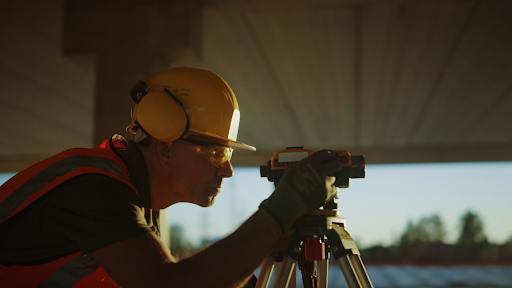
Every successful commercial project starts with precise knowledge of the land itself. Engaging qualified surveyors early in the planning process establishes accurate property boundaries, elevation data, and site conditions that inform every subsequent decision, from building placement to drainage design. Without this foundational data, developers risk boundary disputes, zoning violations, or design plans that don't account for the site's actual conditions.

Beyond simply confirming property lines, professional survey work often reveals critical information about topography, soil conditions, and existing easements that can significantly impact construction costs and timelines. Catching these issues during the planning phase, rather than discovering them mid-construction, allows developers to adjust designs proactively, avoiding expensive change orders once work is already underway. This upfront investment in accurate data consistently pays for itself by preventing far costlier problems later in the project.

Mapping What Lies Beneath the Surface

Closely related to site surveying is the critical task of identifying what already exists below ground before any digging begins. Locating underground utilities accurately is one of the most important safety and logistical steps in any commercial construction project, since striking an unmarked gas line, electrical conduit, or water main can cause serious injury, costly repairs, and significant project delays. Professional utility locating services use specialized equipment to map existing infrastructure before excavation crews break ground.

This step becomes particularly critical in urban or previously developed areas, where decades of prior construction may have left behind undocumented or poorly recorded utility lines. Skipping or rushing this process to save time is one of the more common and expensive mistakes in commercial construction, often resulting in emergency repairs, regulatory fines, and significant schedule setbacks. Thorough utility mapping, done in coordination with accurate site surveys, gives construction teams the complete picture they need to move forward safely and efficiently.

Finishing Interior Spaces With Function and Style in Mind

Once the structural and infrastructure work is complete, attention shifts to the details that shape how a space actually functions for employees, clients, and customers. Installing decorative film on glass surfaces has become a popular and practical choice for commercial interiors, offering benefits that go well beyond aesthetics. This treatment can provide privacy for conference rooms and offices, reduce glare and UV exposure, and reinforce branding through custom patterns or frosted logos, all without the cost and permanence of replacing glass entirely.

This kind of finishing detail also offers flexibility that traditional construction materials don't, since film can be updated or replaced relatively easily as a business's branding or spatial needs evolve. For businesses looking to make a strong impression in shared or leased commercial spaces, this represents a cost-effective way to customize an environment without undertaking major structural changes.

Why Every Phase Deserves Equal Attention

Commercial construction success depends on treating each phase of a project with the same level of care, whether that's the invisible groundwork of accurate surveying and utility mapping or the visible finishing touches that shape a space's final appearance. Skipping steps or rushing through less glamorous phases like site surveys or utility locations in favor of faster visible progress almost always leads to costly complications down the line.

Businesses that prioritize thoroughness at every stage, from the ground up, tend to end up with projects that stay on budget, avoid preventable delays, and deliver spaces that genuinely serve their intended purpose. The unglamorous groundwork may not be what clients notice first, but it's what makes everything visible above it actually work.



/
script>

Protecting Your Commercial Investment: What Smart Business Owners Prioritize

Running a successful business involves far more than day-to-day operations. Whether you're acquiring a new commercial property, securing a long-term lease, or simply upgrading the space you already occupy, a handful of strategic decisions can significantly impact both the safety and long-term value of your investment. From protecting physical assets to ensuring transactions close smoothly and creating a modern, efficient workspace, thoughtful planning in these areas pays dividends well beyond the initial investment.

Protecting What You've Built

No matter how well a business is run, physical security remains a fundamental concern for any commercial property. Partnering with a reputable security company gives business owners access to comprehensive protection strategies, including surveillance systems, access control, and on-site personnel when needed. Beyond simply deterring theft or vandalism, a well-designed security plan protects employees, sensitive data, and valuable equipment, all of which contribute directly to a business's ability to operate without disruption.

The right security partner also brings expertise that most business owners simply don't have in-house, helping identify vulnerabilities that might otherwise go unnoticed until they become a real problem. This might include recommendations around lighting, entry point monitoring, or integrating security systems with other building technology. For businesses handling valuable inventory, sensitive client information, or operating in higher-risk areas, this kind of professional guidance is often the difference between a minor incident and a significant loss.

Ensuring Transactions Close Without Complications

Whether purchasing a new commercial property or finalizing a major business deal, the transaction process itself carries real risk if not handled carefully. Working with experienced escrow services ensures that funds, documents, and contractual obligations are managed by a neutral third party throughout the closing process, protecting both buyers and sellers from the kind of disputes or complications that can derail a deal at the last minute. This added layer of oversight verifies that all conditions of a sale or agreement are met before funds and property officially change hands.

For business owners, particularly those navigating commercial real estate for the first time, this kind of professional oversight provides genuine peace of mind. Escrow professionals handle the administrative complexity of a transaction, confirming that title issues are resolved, inspections are completed, and all parties have fulfilled their contractual obligations before the deal is finalized. This process reduces the likelihood of costly surprises after closing and ensures that significant financial commitments are protected every step of the way.

Modernizing the Workspace for Efficiency and Comfort

Once a property is secured and the transaction is complete, many business owners turn their attention to creating a workspace that reflects modern standards for both efficiency and employee comfort. Working with a certified Lutron dealer allows businesses to implement sophisticated lighting control systems that go well beyond simple on-off switches, offering automated scheduling, energy-efficient dimming, and customizable settings tailored to different areas of a commercial space.

These systems offer practical benefits beyond aesthetics. Automated lighting reduces energy costs by ensuring spaces aren't lit unnecessarily during off-hours, while customizable settings can improve employee comfort and productivity by adjusting brightness and tone throughout the day. For businesses that host clients or run customer-facing operations, well-designed lighting also contributes meaningfully to the overall impression a space makes, reinforcing a sense of professionalism and modern design that reflects well on the company as a whole.

A Business Built on Sound Decisions

Building a successful, resilient business often comes down to the decisions made outside of day-to-day operations, particularly around protecting assets and ensuring transactions are handled correctly, and creating a space that supports both efficiency and professionalism. Security measures protect what a business has already built, careful oversight during major transactions safeguards significant financial commitments, and thoughtful technology upgrades create a workspace that functions well for employees and clients alike.

Business owners who invest time and resources into these areas tend to find that the returns extend well beyond the immediate benefit, contributing to a foundation of stability and professionalism that supports long-term growth and success.


/
script>