How the Pied-à-Terre Tax Is Reshaping New York’s Rental Market
What started as a policy aimed at owners of luxury second homes is now working its way into lease negotiations, tenant screenings, and landlord decision-making across the city.
Read MoreYour guide to New York real estate and more
Off The MRKT - Where New York's, Real Estate, Life Style, and Culture Converge
What started as a policy aimed at owners of luxury second homes is now working its way into lease negotiations, tenant screenings, and landlord decision-making across the city.
Read MoreTennis before dinner, a movie downstairs, or a swim without leaving home. These Brooklyn buildings are making everyday rituals feel effortlessly luxurious.
Read MoreWith lower average rents, roomier apartments, major transit and road connections, and everyday essentials close by, Northeast Philadelphia offers a practical version of city living that does not feel like a compromise.
Read MoreIn Manhattan’s luxury market, the old rules are not enough. Today’s sellers need sharper pricing, stronger storytelling, and a strategy built for buyers who know exactly what they want.
Read MoreFrom rooftop kitchens in Hudson Yards to garden terraces in Greenpoint, these NYC buildings offer the most coveted outdoor amenity spaces for staying cool and connected this summer.
Read MoreFrom courtside cocktails to pro-level training, South Florida’s hottest properties are making pickleball the ultimate lifestyle amenity.
Read MoreThe passage of New York's pied-à-terre tax has sparked a predictable debate about affordability, taxation, and the future of luxury real estate.
Read MoreDouglas Elliman has opened a new Paris office in the 7th arrondissement, expanding its French alliance and global luxury real estate footprint across Europe.
Read MoreWith NYC's pied-à-terre tax in the spotlight, these three standout listings under $5M at Brooklyn Tower, One Wall Street, and the McIntyre Building offer second-home buyers design-forward interiors, world-class amenities, and skyline views without falling within the tax's reach.
Read MoreStep outside and discover New York City's hidden outdoor gems this spring, from serene Zen gardens to lively communal terraces designed for the ultimate urban escape.
Read MoreWith spring in full swing and warmer weather enticing New Yorkers to gather and socialize, now is the perfect time to explore some of NYC's top developments featuring luxurious entertaining spaces. From chic bars to stylish lounges and elegant dining areas, these condominiums offer residents the perfect settings for hosting memorable gatherings, all within the comfort of their own buildings. High-design condos like Monogram NY, Sutton Tower, and Front & York showcase the importance of providing upscale entertainment options, embracing the concept of layered entertaining where residents can seamlessly move from cocktails to cozy lounges and sophisticated dining areas.

Photo Credit: Recent Spaces
Designed by Ismael Leyva Architects with interiors by the acclaimed studio Neri&Hu, Monogram NY is a stunning new development situated in the heart of Midtown Manhattan. This elegant condominium effortlessly blends serenity with the vibrant flair of New York City. Residents at Monogram NY can indulge in the top-floor amenity package known as the "Sphere Club." This sophisticated bar and lounge is attended by dedicated staff and offers sweeping panoramic views of the iconic New York City skyline, creating an atmosphere reminiscent of a private club. The Sphere Club also includes a reading room lounge with a fireplace, an intimate bar, and a private dining room with a catering kitchen, all enveloped by expansive city skyline vistas. These luxurious spaces provide residents with the perfect settings to host events and gatherings, ensuring a tailored experience for every occasion.
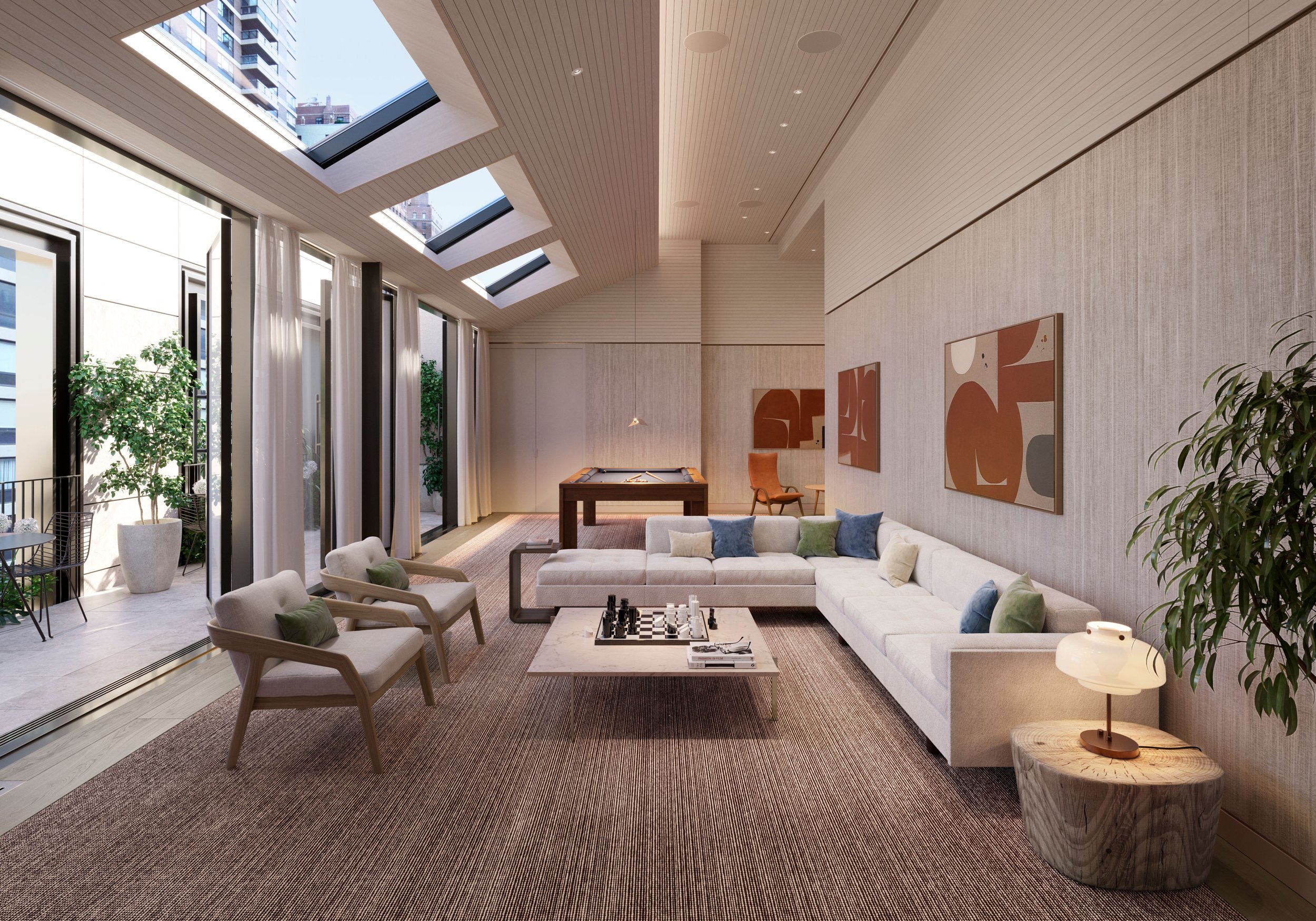
Photo Credit: Courtesy of Sutton Tower
Standing as the tallest residential tower along Manhattan's East Side waterfront, Sutton Tower is a defining New York address that boasts unrivaled views and dynamic design by the celebrated designer Thomas Juul-Hansen. The condo building's thoughtful amenity collection, known as The Sutton Club, embodies the Upper East Side’s tradition of grand entertaining. The large private dining room, adorned with warm, elegant finishes and an adjacent chef’s demonstration kitchen, is ideal for hosting and toasting with loved ones on special occasions. Residents also enjoy a secondary dining lounge, providing a more casual, intimate space for gatherings. The entertainment opportunities continue in the building’s skylit club lounge and adjacent terrace, as well as the plush screening room equipped with custom sofas, a wet bar, and a cinema-level audio-visual system. These amenities ensure that Sutton Tower residents have an array of options for hosting any type of event in style.

Photo Credit Colin Miller
Front & York, designed by celebrated architect Morris Adjmi, offers an amenity-driven luxury urban experience in DUMBO with one of NYC's largest and most comprehensive amenity collections, spanning 150,000 square feet. Perfect for residents looking to host intimate gatherings or holiday get-togethers, Front & York features a luxurious wine room connected to a chef's kitchen, creating an ideal suite for custom dining experiences. The development also boasts a dedicated party room with a beautiful dinner table for more formal sit-down dining experiences, as well as a billiards lounge complete with a pool table and bar, making it the perfect customizable suite for any occasion. These thoughtfully designed spaces ensure that residents can entertain in style, whether it’s a casual get-together or a grand celebration.
A Seamless Entertaining Experience
Monogram NY, Sutton Tower, and Front & York exemplify the trend of incorporating upscale, versatile entertaining spaces into residential developments. These condominiums not only provide luxurious living spaces but also create an environment where residents can host memorable events without leaving the comfort of their homes. From intimate lounges to grand dining rooms and everything in between, these developments offer the ultimate entertaining experience, reflecting the sophistication and elegance of New York City living.
Have a listing you think should be featured contact us or submit here to tell us more! Follow Off The MRKT on Twitter and Instagram, and like us on Facebook.
Luxury resale condos offer a different route to the Manhattan wish list: established amenities, more choice, and a lower median asking price per square foot than sponsor units.
Formula One legend Rubens Barrichello has purchased a $7.95 million townhome at Colette Residences, META Development’s boutique South Brickell condominium, as the Miami project heads toward a fall groundbreaking.
Dive into the details of these remarkable spaces and discover what makes them stand out in the world of real estate.
Leasing has launched at The Langdon, a 24-story, 45-residence rental tower at 288 East 88th Street, bringing rare large-scale luxury inventory to Manhattan’s Upper East Side amid record-low vacancy.
Luxury has gone green—discover the high-end residential developments proving that protecting the planet can be chic.
Read MoreBy Bentley Zhao, Chairman and CEO, New Empire Corp.
New York City’s housing market has always evolved alongside the people who live here, but today that evolution is accelerating. Buyers are more informed, more pragmatic, and more focused on how a home supports their everyday lives.
Developers are seeing a clear shift in expectations. The conversation is no longer just about location or luxury finishes. Instead, buyers are evaluating the full living experience—from layout efficiency to long-term ownership costs. This change is influencing how buildings are designed, where development is happening, and what kinds of communities are emerging across the five boroughs.
My perspective on development is shaped by a background in both finance and architecture. After studying at Baruch College and the New York City College of Technology, I joined my family’s business and later became CEO of New Empire Corp., which has completed more than 120 residential and mixed-use projects across New York City since the company’s founding in 1997.
One significant change is the rise of the holistic buyer. In the past, many people focused primarily on traditional factors like location, views, and finishes. While those elements still matter, today’s buyers take a broader view. They want homes that function well in everyday life, paying close attention to natural light, efficient layouts, storage, and access to outdoor space. How a home “lives” has become just as important as how it looks.
At the same time, buyers are increasingly focused on the long-term economics of ownership. Carrying costs such as property taxes and common charges now play a central role in decision-making. For many, especially first-time buyers, predictable monthly expenses are as important as the purchase price. A home is no longer just a place to live; it is a lifestyle investment.
Three priorities stand out in today’s market: wellness, flexibility and convenience.
Wellness has become a defining force in residential design. Features like fitness centers, landscaped terraces, and rooftop gardens are no longer seen as luxuries but as essential components of healthier environments. There is also a growing emphasis on community and connection. Buyers value shared spaces that foster interaction and improve everyday living.
Flexibility is equally important. Hybrid work has changed how people use their homes, increasing demand for adaptable spaces. Buyers are looking for layouts that can accommodate home offices, multipurpose rooms, or evolving needs over time.
Convenience, often supported by technology, is another factor. Smart building access, strong connectivity, and efficient package management systems have become expected features.
Meanwhile, affordability pressures continue to shape the market. Rising construction costs, interest rates, and land prices have driven developers to be more strategic. Instead of offering expansive amenity packages, developers are focusing on amenities that residents actually use. Fitness spaces, co-working lounges, outdoor terraces and practical storage areas deliver real value to residents without adding unnecessary costs.
Design efficiency has also become essential. Smarter floor plans allow developers to create homes that feel open, comfortable, and functional without drastically increasing square footage. This helps keep prices more attainable.
At New Empire, we see this shift not as a compromise, but as an opportunity to build more thoughtful housing that better reflects how people live today.
One of the most visible results of changing buyer preferences is the continued growth of residential development outside Manhattan. Neighborhoods in Queens, Brooklyn and parts of Upper Manhattan are attracting a new generation of first-time buyers seeking the benefits of city living at more accessible price points. In many cases, buyers are willing to live farther from Midtown if it means gaining more space, better value, and a stronger sense of community.
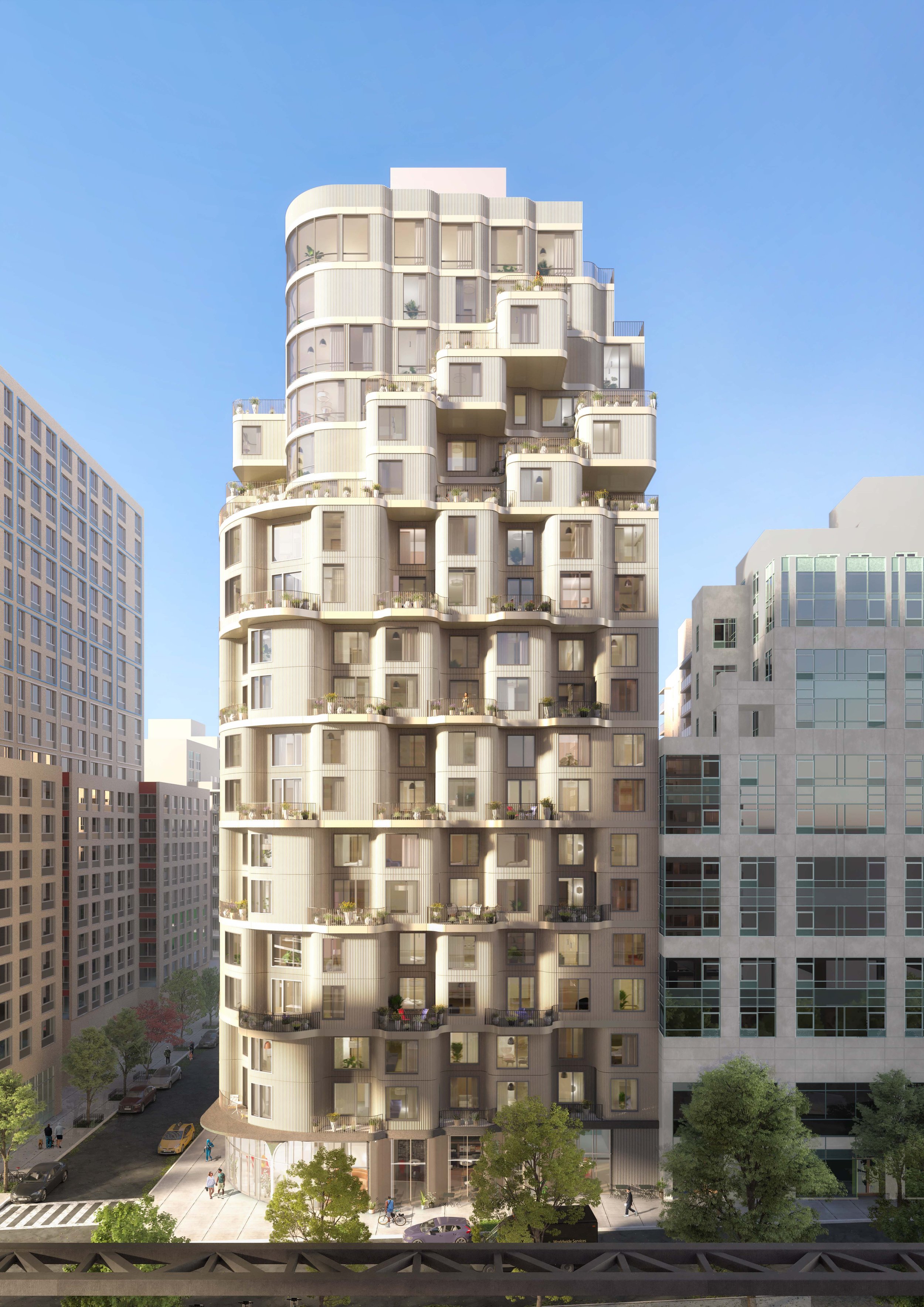
Radiant: Photo Credit: Conica Studio
This shift is reflected in the success we have seen at our development projects, Radiant in Long Island City, and Centric in Sunnyside/Woodside, reinforcing the importance of building in neighborhoods with strong transit access and long-term growth potential.
Despite regulatory complexity and economic uncertainty, New York remains one of the most resilient housing markets in the world. Demand continues to outpace supply, and the city’s global economic position ensures a steady flow of residents, workers and investors.
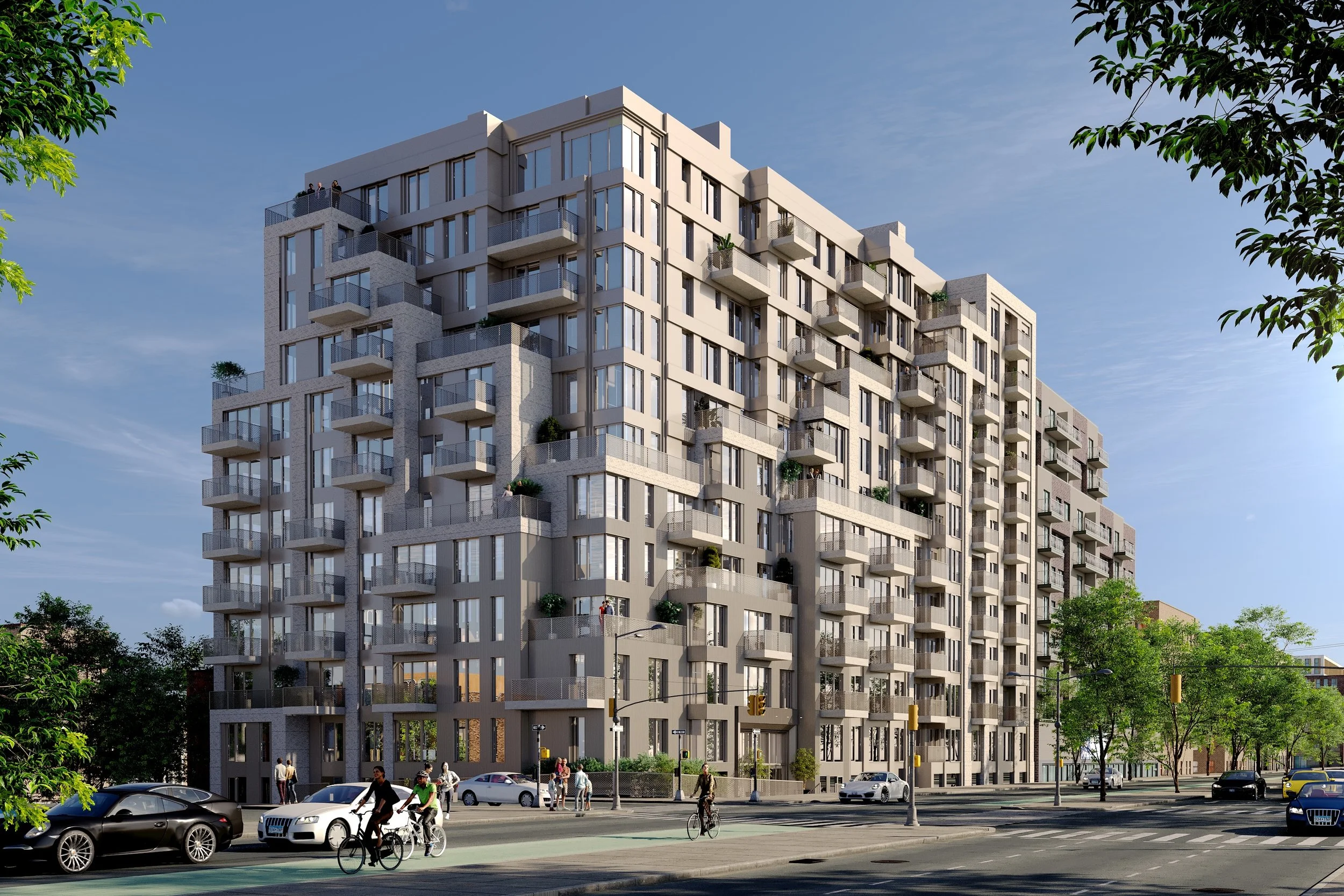
Centric: Photo Credit: SDX Studio
Buyers today want homes that support their health, adapt to their lifestyles, and deliver long-term value. They want buildings that foster community while still providing privacy and comfort. And they want neighborhoods that combine convenience with belonging.
Developers who listen closely to those priorities will shape the next generation of residential projects across New York City.
In a supply-constrained city with enduring global appeal, the next era of development will be defined not by what is built, but by how intentionally it is lived in.

Bentley Zhao
Bentley Zhao is Chairman and CEO of New Empire Corp., a leading New York-based development and construction management firm that has completed over 120 residential projects throughout New York City.
Have a listing you think should be featured contact us or submit here to tell us more! Follow Off The MRKT on Twitter and Instagram, and like us on Facebook.
Luxury resale condos offer a different route to the Manhattan wish list: established amenities, more choice, and a lower median asking price per square foot than sponsor units.
Related Ross has partnered with Set Point Tennis to introduce a residents-only racquet club at Edgeworth, its new luxury waterfront condominium along South Flagler Drive in West Palm Beach.
Formula One legend Rubens Barrichello has purchased a $7.95 million townhome at Colette Residences, META Development’s boutique South Brickell condominium, as the Miami project heads toward a fall groundbreaking.
Dive into the details of these remarkable spaces and discover what makes them stand out in the world of real estate.
Leasing has launched at The Langdon, a 24-story, 45-residence rental tower at 288 East 88th Street, bringing rare large-scale luxury inventory to Manhattan’s Upper East Side amid record-low vacancy.
Discover how New York City's luxury residential buildings are transforming their lobbies from mere entryways into stylish, hotel-inspired social spaces.
Read MoreStep inside New York's most luxurious condos where spring isn't just in the air—it's in every detail of their stunning seasonal interiors!
Read More

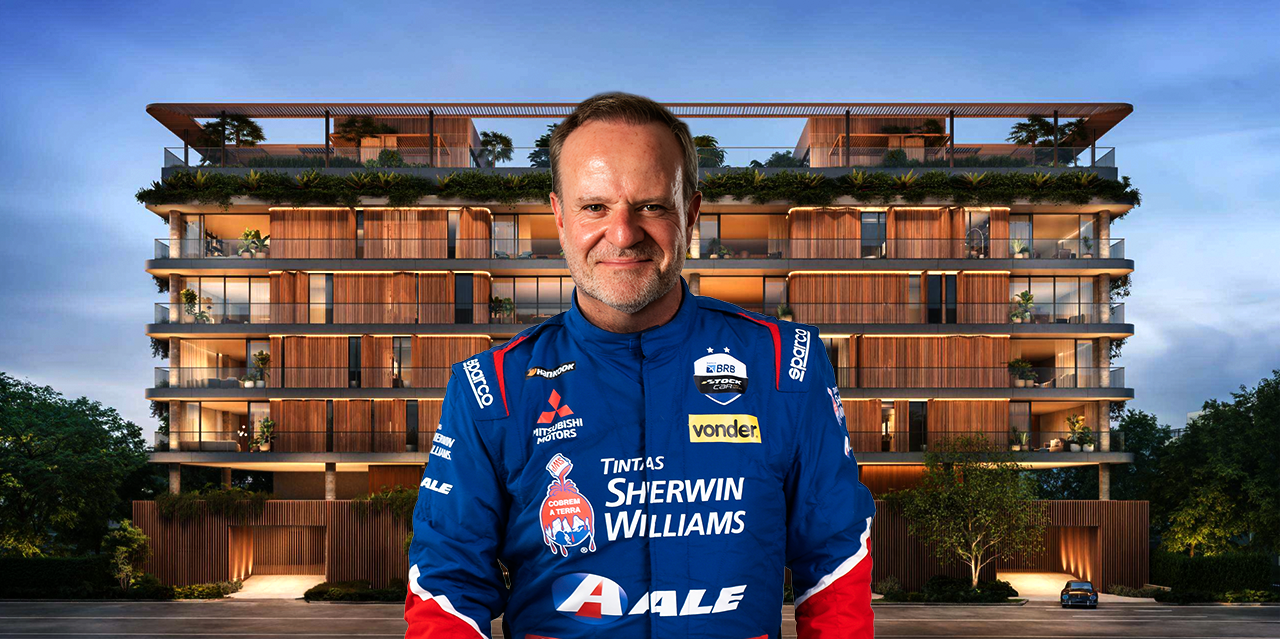

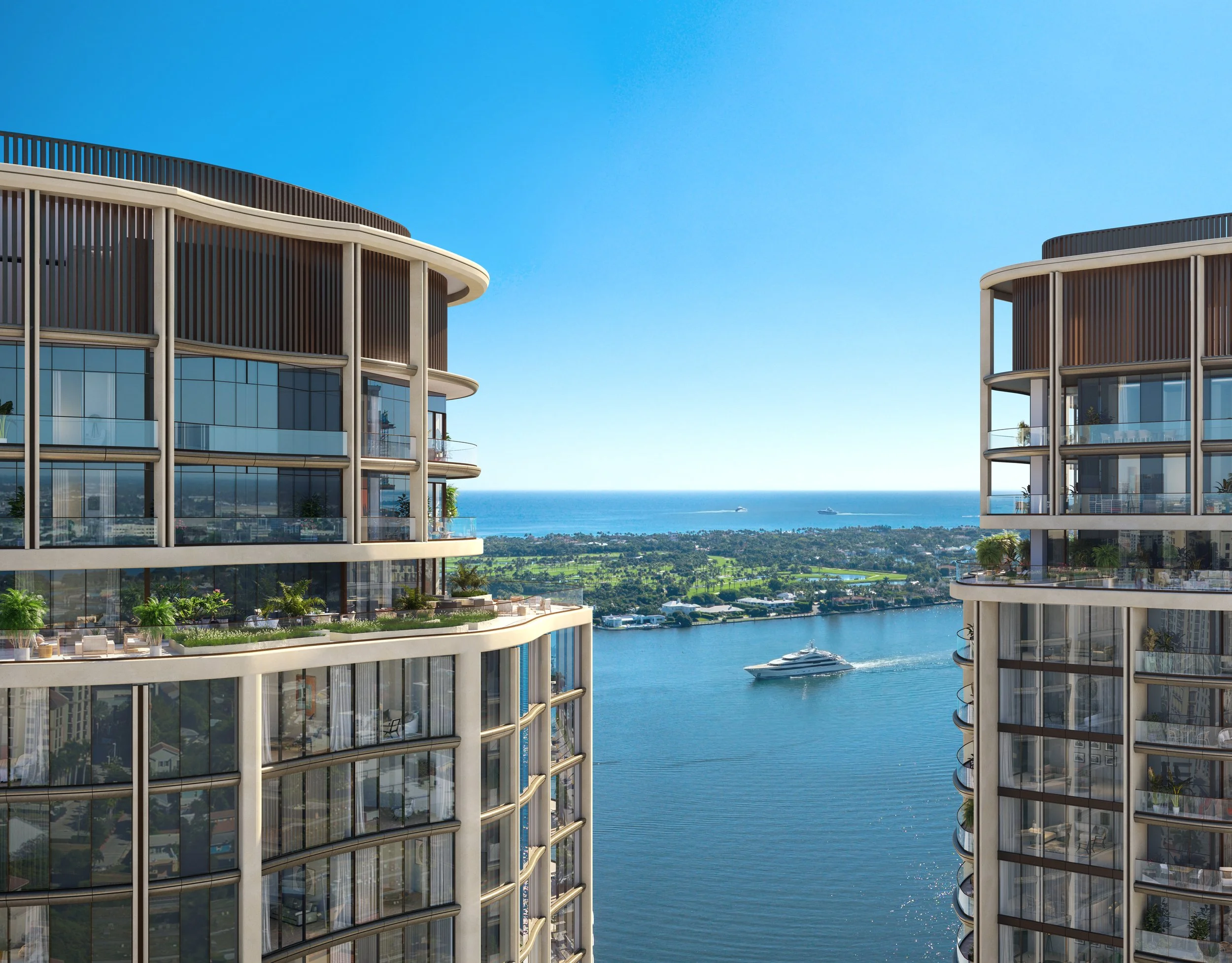
Related Ross has partnered with Set Point Tennis to introduce a residents-only racquet club at Edgeworth, its new luxury waterfront condominium along South Flagler Drive in West Palm Beach.