Why Confidence, Not Politics, Will Define New York Real Estate in 2026
By Frances Katzen
Founder, The Katzen Team at Douglas Elliman
Top 10 Broker Nationwide | $3.5B+ Career Sales

2026 isn’t shaping up to look like any cycle we’ve just lived through. The past year was loud with rising rates, political noise, endless predictions about what might break next. And yet, instead of pulling back, New York did what it always does. It adjusted and kept moving. Beneath the headlines, the luxury market has been doing its own thing, and the level of conviction we’ve seen late in the year speaks volumes.
In the final two weeks of October alone, Manhattan saw 67 contracts signed above $4 million. That’s more than triple the roughly 20 contracts per week that most of us consider a healthy luxury market. Even in the immediate aftermath of the mayoral election, when many expected buyers to pause, there were 24 deals signed above $10 million in a single week. That doesn’t happen in a market that’s nervous or retreating. It happens when experienced buyers see value and move. At the top end, real estate decisions aren’t driven by headlines or week-to-week politics. They’re driven by confidence, scarcity, and long-term positioning.
What I’m seeing among New York buyers right now comes down to a few simple truths. Fear exists, but flight does not. Ultra-high-net-worth buyers may be adding second or third homes elsewhere, but that’s about diversification, not abandonment. They still want a foothold in the city where careers, culture, and capital intersect. At the same time, uncertainty has created opportunity. The most seasoned buyers understand that transitional moments are often when real value appears, when competition thins just enough to make smart entries possible. And importantly, confidence is returning fastest at the top. With so many luxury transactions happening in cash, buyers aren’t waiting around for rate cuts to tell them when to act. They already know.
Looking ahead, pricing will be dictated less by macro forecasts and more by inventory or the lack of it. We’re moving into a year where fully renovated, well-located, turnkey homes are going to be increasingly hard to find. Developers slowed or reworked projects over the past two years, and that pause is going to show up as a tighter pipeline just as demand continues to normalize. When great product is limited, pricing power follows. We’re already seeing this in neighborhoods that offer what buyers actually want right now: proximity to work, culture, dining, and a true urban lifestyle.
The new year will bring a clear reshuffling of where strength shows up. Areas like NoMad, parts of Midtown, and well-amenitized sections of the Financial District are positioned to outperform because they now deliver convenience alongside elevated living. Brooklyn remains fiercely competitive, particularly in established neighborhoods tied to strong schools and community infrastructure. One of the most intense pressure points continues to be the $4 million to $6 million range, where demand for move-in-ready homes far exceeds supply. Buyers in that tier are far less willing to take on major renovations, and properties that need work are feeling it.
Despite all the political commentary about New York’s future, the city continues to outperform the broader narratives about cooling or contraction. The value here has never been just about square footage. It’s about access to opportunity, access to networks, and access to long-term wealth creation. Every time the noise gets louder, buyers are reminded that New York’s role in the global economy can’t simply be replicated elsewhere. Many will add homes in places like Palm Beach or the Caribbean, but they rarely give up their New York presence entirely. The pull of the city remains as strong as ever.
As we move into the new year, I expect a thoughtful, measured start rather than a hesitant one, with momentum building steadily into the spring. If rates continue to ease, even modestly, a lot of sidelined demand could re-enter quickly, creating a meaningful snapback by mid-year. Stability will likely return before affordability does, but this market has never waited for perfect conditions to move forward. The advantage in 2026 will belong to those who act with intention rather than speculation, and who understand that timing still matters.
I came to New York at 15 to dance, and the lesson I learned then still applies today. This city rewards momentum. It rewards people who step forward while others are waiting. The buyers who moved early will be the ones best positioned when the rest of the market catches up.
Have a listing you think should be featured contact us or submit here to tell us more! Follow Off The MRKT on Twitter and Instagram, and like us on Facebook.


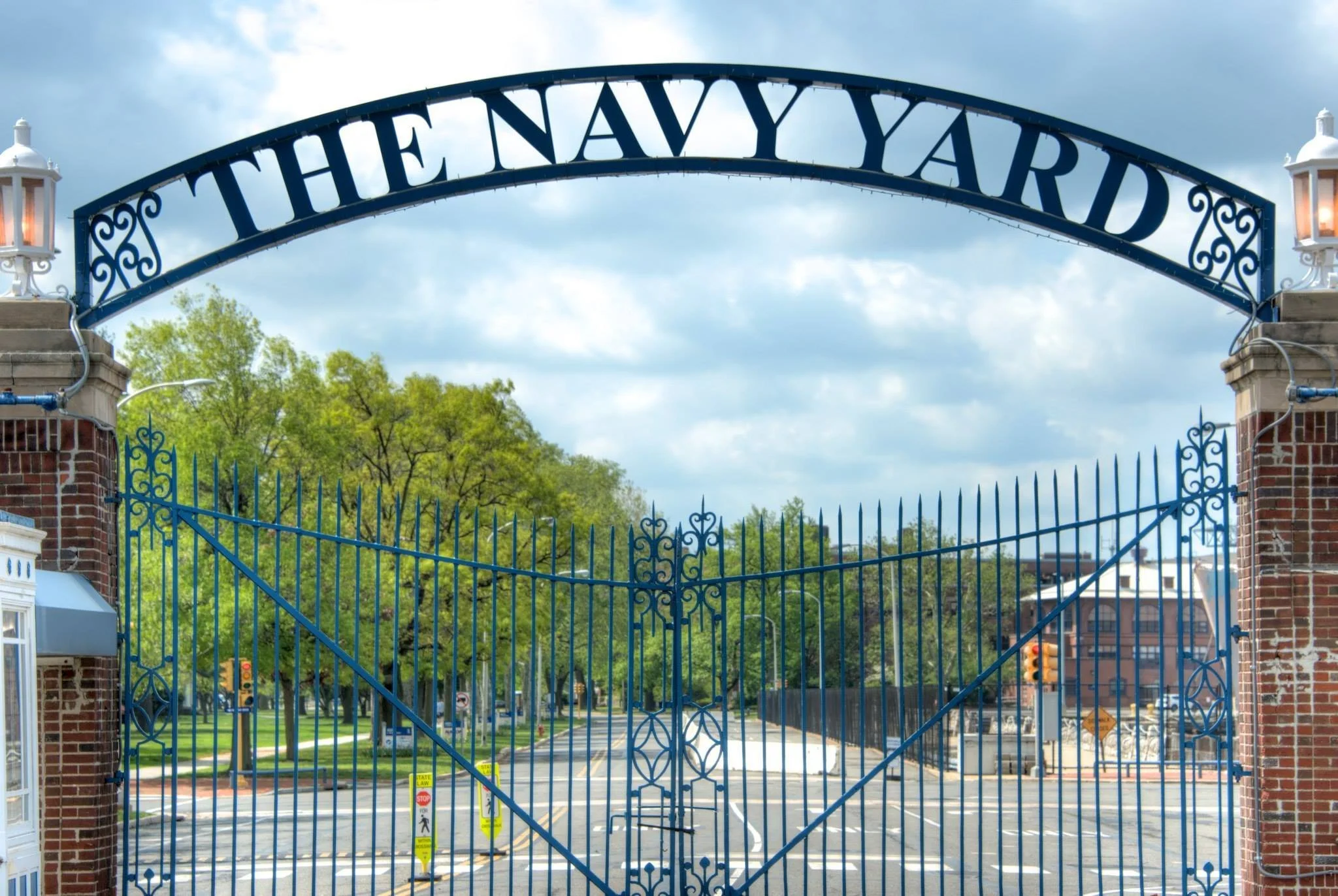
Working at the Philadelphia Navy Yard does not mean making the office your entire personality. Here is where to live for the easiest commute, best dinners, quieter blocks, more space, and a South Philly life that continues after you log off.