What Are Common Mistakes When Choosing Corner Vanities?
Corner vanities promise extra floor space, better movement, and a stylish focal point. Many homeowners pick them to make a small or awkward bathroom feel larger and more efficient. Yet the wrong choice can crowd the room, block doors, or create daily frustration. People often rush the decision, focus only on looks, and ignore measurements, plumbing, and storage. These mistakes lead to costly changes, returns, or full remodels later. With a bit of planning, you can avoid these issues and choose a corner vanity that fits the room, your routine, and your budget. This guide walks through the most common errors and how to prevent them.

What Are the Most Common Corner Vanity Mistakes?
Choosing the Wrong Size for Your Bathroom
One of the biggest mistakes is picking a corner vanity that simply does not fit the space. Homeowners often rely on rough guesses instead of precise measurements. A vanity that is too large can block doors, limit movement, and make a small bathroom feel cramped. A unit that is too small may look odd in a larger room and reduce usable counter space. People also forget to measure the swing of the bathroom door, shower door, or nearby cabinets. Failing to consider the height can cause issues with mirrors or windows. Always measure width, depth, and height, and compare them to the actual floor plan.
Ignoring Layout and Traffic Flow Issues
Another common mistake is focusing only on the corner and ignoring how people move through the entire bathroom. A poorly placed corner vanity can interrupt traffic flow and make daily routines uncomfortable. Doors may bump into the vanity, and two people may not pass each other easily. Homeowners also overlook clearance for drawers and cabinet doors, which can hit the toilet, tub, or wall when open. If the vanity blocks sightlines, the room can feel tight and cluttered. Good layout planning means mapping how you enter, turn, and use each fixture. Make sure there is enough space around the vanity for comfortable movement and safe use.
Overlooking Plumbing and Installation Needs
Many buyers choose a corner vanity based on style and price, then discover the plumbing does not line up. Moving water lines and drains into a corner can be complex and may require opening walls or floors. This can add unexpected labor costs and delays. Some vanities also need specific mounting hardware or wall reinforcement, especially floating models. Ignoring installation requirements can lead to leaks, loose cabinets, or damage over time. Before buying, review the vanity’s plumbing configuration and compare it to your existing setup. Talk with a plumber or contractor if needed. Planning for rough-in points early will save money and stress later.
Design and Functionality Mistakes to Avoid
Poor Storage Planning and Limited Usability
A stylish corner vanity can still disappoint if it lacks smart storage. Many people choose a compact design that looks sleek but offers little room for toiletries, cleaning products, or extra towels. As a result, counters become cluttered and daily items end up scattered. Deep, poorly divided cabinets can also waste space because items get lost at the back. Some designs place pipes in the center, limiting usable storage even more. Think about what you need to store every day and which items must stay within easy reach. Look for drawers, shelves, or organizers designed for corner spaces to maximize every inch.
Choosing the Wrong Materials and Finishes
Bathrooms expose vanities to moisture, splashes, and frequent cleaning. A common mistake is choosing materials that look good but cannot handle humidity. Cheap particleboard may swell or warp near the sink. Low-quality laminates can peel, and some stones stain easily if you do not seal them. Finishes that show water spots, fingerprints, or scratches will quickly look worn. People also overlook how easy a surface is to clean. Glossy coatings may highlight every mark, while very textured ones can trap dirt. Select moisture-resistant woods, high-quality laminates, or sealed stone. Pair them with durable hardware and hinges that resist rust and corrosion.
Mismatching Vanity Style with Bathroom Design
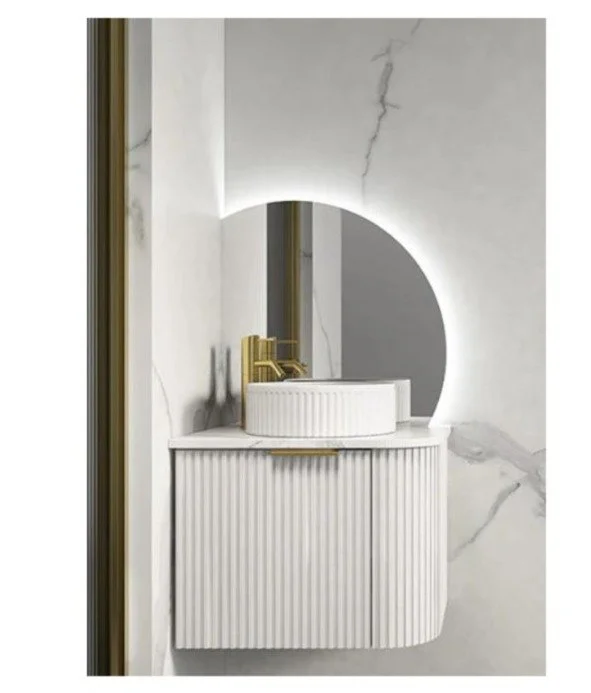
Another frequent mistake is choosing a corner vanity that clashes with the rest of the bathroom. A super modern, angular vanity can look out of place in a traditional space with classic tiles and fixtures. Conversely, a very ornate vanity may overwhelm a minimalist or contemporary room. People sometimes buy pieces they like in isolation, without considering the bigger design picture. This mismatch can make the bathroom feel disjointed and less appealing. To avoid this, repeat key elements such as color, finish, and shape. Make sure the vanity works with your mirror, lighting, faucets, and flooring for a cohesive look.
How Can You Avoid These Corner Vanity Mistakes?
Measuring Accurately and Planning Ahead
The best way to avoid size and layout mistakes is careful measurement and planning. Use a tape measure to record wall lengths, ceiling height, and clearances around doors, toilets, and showers. Note where windows, outlets, and switches sit. Create a simple floor plan on paper or with an online tool, then place the vanity dimensions inside it. Mark space needed for doors and drawers to open fully. Check plumbing locations and consider if they align with the vanity you want. Share these details with your installer or designer. A clear plan helps you choose a corner vanity that truly fits and functions well.
Balancing Style, Storage, and Functionality
Avoid focusing only on looks or only on storage. A successful corner vanity balances all three: style, storage, and function. Start with your daily routine. List what you use every morning and night, and decide where those items should live. Choose a design with enough drawers, shelves, or organizers to keep clutter off the counter. Then consider style: pick colors, hardware, and shapes that support your overall bathroom theme. Finally, check that sink depth, counter space, and faucet height match your comfort. When each choice supports both appearance and everyday use, you create a bathroom that feels good and works well.
Learning from Common Buyer Pitfalls
Many buyers share the same regrets: not measuring, ignoring plumbing, and picking style over function. Use their experience as a guide. Read product reviews and pay attention to repeated complaints about fit, durability, or storage. Visit showrooms when possible to see how corner vanities look and feel in person. Ask installers what problems they see most often and which brands or designs cause headaches. Take your time rather than rushing to catch a sale. By learning from others’ mistakes, you can spot red flags early, ask better questions, and invest in a corner vanity that will last and truly serve your needs.
Conclusion
Choosing a corner vanity can transform a tight bathroom into a more open, efficient space, but only when you avoid common mistakes. Wrong sizing, poor layout planning, and overlooked plumbing often lead to costly changes and daily frustration. Design missteps, such as weak storage, fragile materials, and clashing styles, can also hurt both function and appearance. When you measure carefully, think through how you move and store items, and match the vanity to your existing decor, you set up your project for success. Use these tips as a checklist before you buy. A well-chosen corner vanity will improve comfort, organization, and long-term value.