How NYC Buyers Are Reshaping New Development
By Bentley Zhao, Chairman and CEO, New Empire Corp.
New York City’s housing market has always evolved alongside the people who live here, but today that evolution is accelerating. Buyers are more informed, more pragmatic, and more focused on how a home supports their everyday lives.
Developers are seeing a clear shift in expectations. The conversation is no longer just about location or luxury finishes. Instead, buyers are evaluating the full living experience—from layout efficiency to long-term ownership costs. This change is influencing how buildings are designed, where development is happening, and what kinds of communities are emerging across the five boroughs.
My perspective on development is shaped by a background in both finance and architecture. After studying at Baruch College and the New York City College of Technology, I joined my family’s business and later became CEO of New Empire Corp., which has completed more than 120 residential and mixed-use projects across New York City since the company’s founding in 1997.
One significant change is the rise of the holistic buyer. In the past, many people focused primarily on traditional factors like location, views, and finishes. While those elements still matter, today’s buyers take a broader view. They want homes that function well in everyday life, paying close attention to natural light, efficient layouts, storage, and access to outdoor space. How a home “lives” has become just as important as how it looks.
At the same time, buyers are increasingly focused on the long-term economics of ownership. Carrying costs such as property taxes and common charges now play a central role in decision-making. For many, especially first-time buyers, predictable monthly expenses are as important as the purchase price. A home is no longer just a place to live; it is a lifestyle investment.
Three priorities stand out in today’s market: wellness, flexibility and convenience.
Wellness has become a defining force in residential design. Features like fitness centers, landscaped terraces, and rooftop gardens are no longer seen as luxuries but as essential components of healthier environments. There is also a growing emphasis on community and connection. Buyers value shared spaces that foster interaction and improve everyday living.
Flexibility is equally important. Hybrid work has changed how people use their homes, increasing demand for adaptable spaces. Buyers are looking for layouts that can accommodate home offices, multipurpose rooms, or evolving needs over time.
Convenience, often supported by technology, is another factor. Smart building access, strong connectivity, and efficient package management systems have become expected features.
Meanwhile, affordability pressures continue to shape the market. Rising construction costs, interest rates, and land prices have driven developers to be more strategic. Instead of offering expansive amenity packages, developers are focusing on amenities that residents actually use. Fitness spaces, co-working lounges, outdoor terraces and practical storage areas deliver real value to residents without adding unnecessary costs.
Design efficiency has also become essential. Smarter floor plans allow developers to create homes that feel open, comfortable, and functional without drastically increasing square footage. This helps keep prices more attainable.
At New Empire, we see this shift not as a compromise, but as an opportunity to build more thoughtful housing that better reflects how people live today.
One of the most visible results of changing buyer preferences is the continued growth of residential development outside Manhattan. Neighborhoods in Queens, Brooklyn and parts of Upper Manhattan are attracting a new generation of first-time buyers seeking the benefits of city living at more accessible price points. In many cases, buyers are willing to live farther from Midtown if it means gaining more space, better value, and a stronger sense of community.
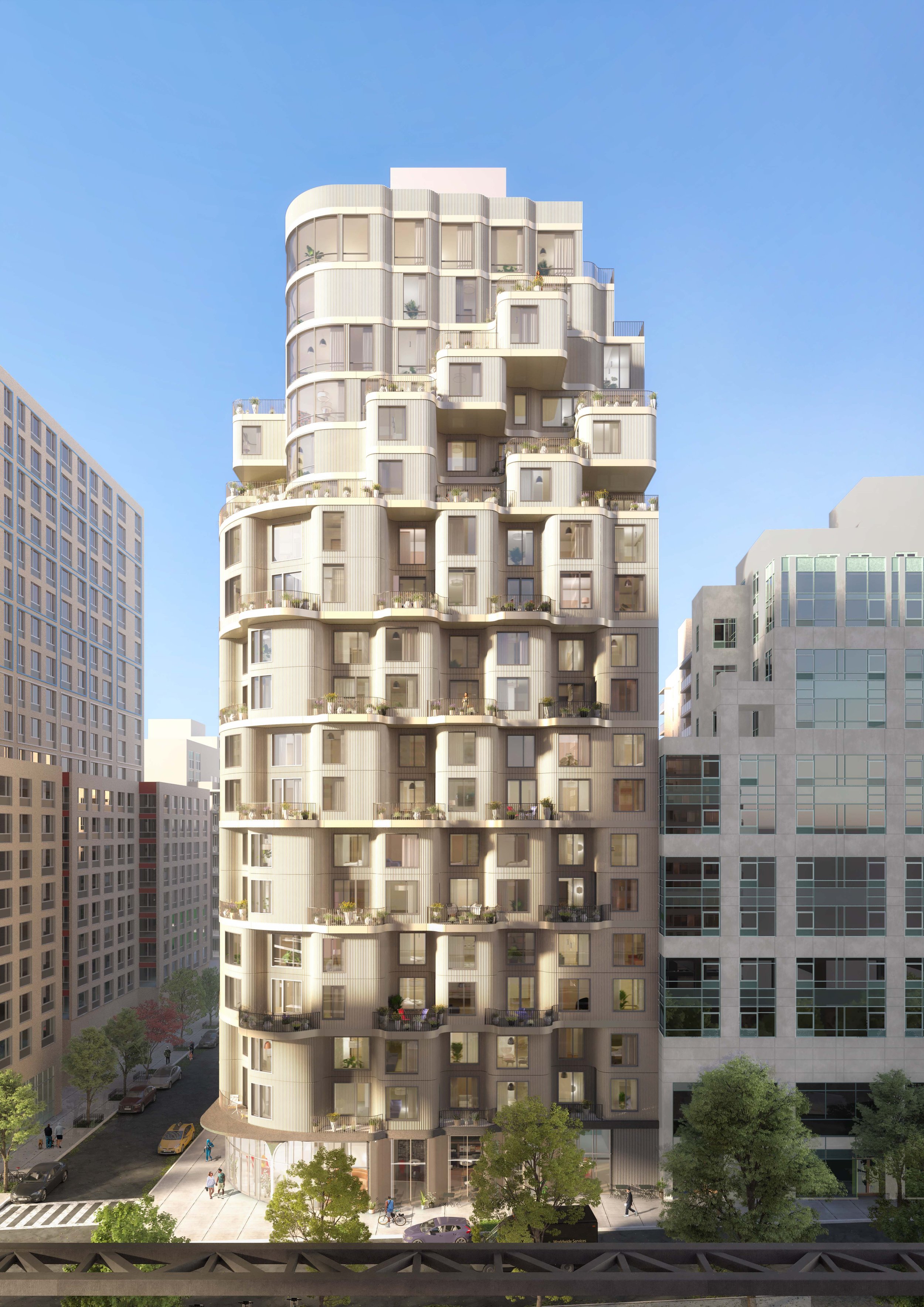
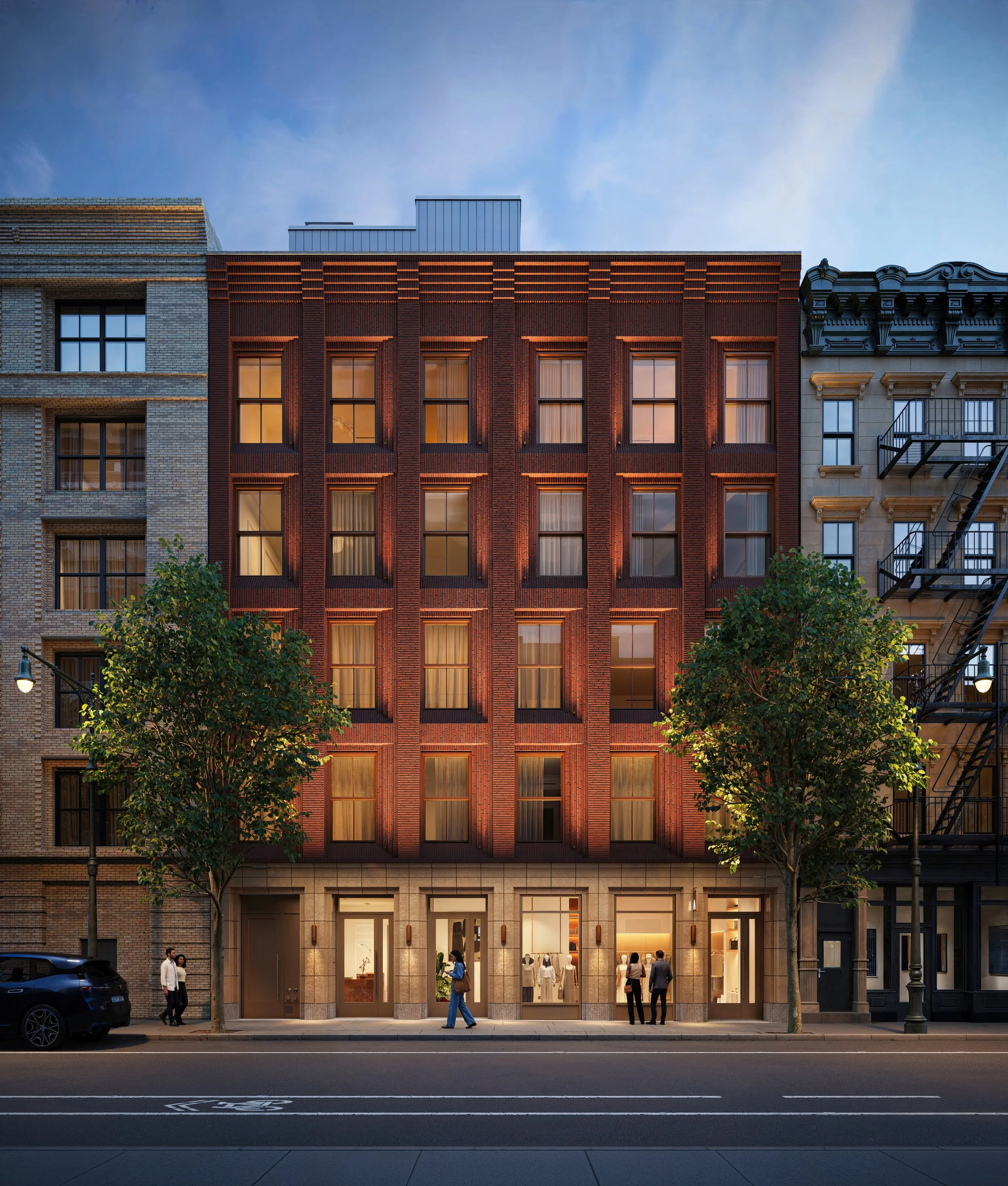
Radiant: Photo Credit: Conica Studio
This shift is reflected in the success we have seen at our development projects, Radiant in Long Island City, and Centric in Sunnyside/Woodside, reinforcing the importance of building in neighborhoods with strong transit access and long-term growth potential.
Despite regulatory complexity and economic uncertainty, New York remains one of the most resilient housing markets in the world. Demand continues to outpace supply, and the city’s global economic position ensures a steady flow of residents, workers and investors.
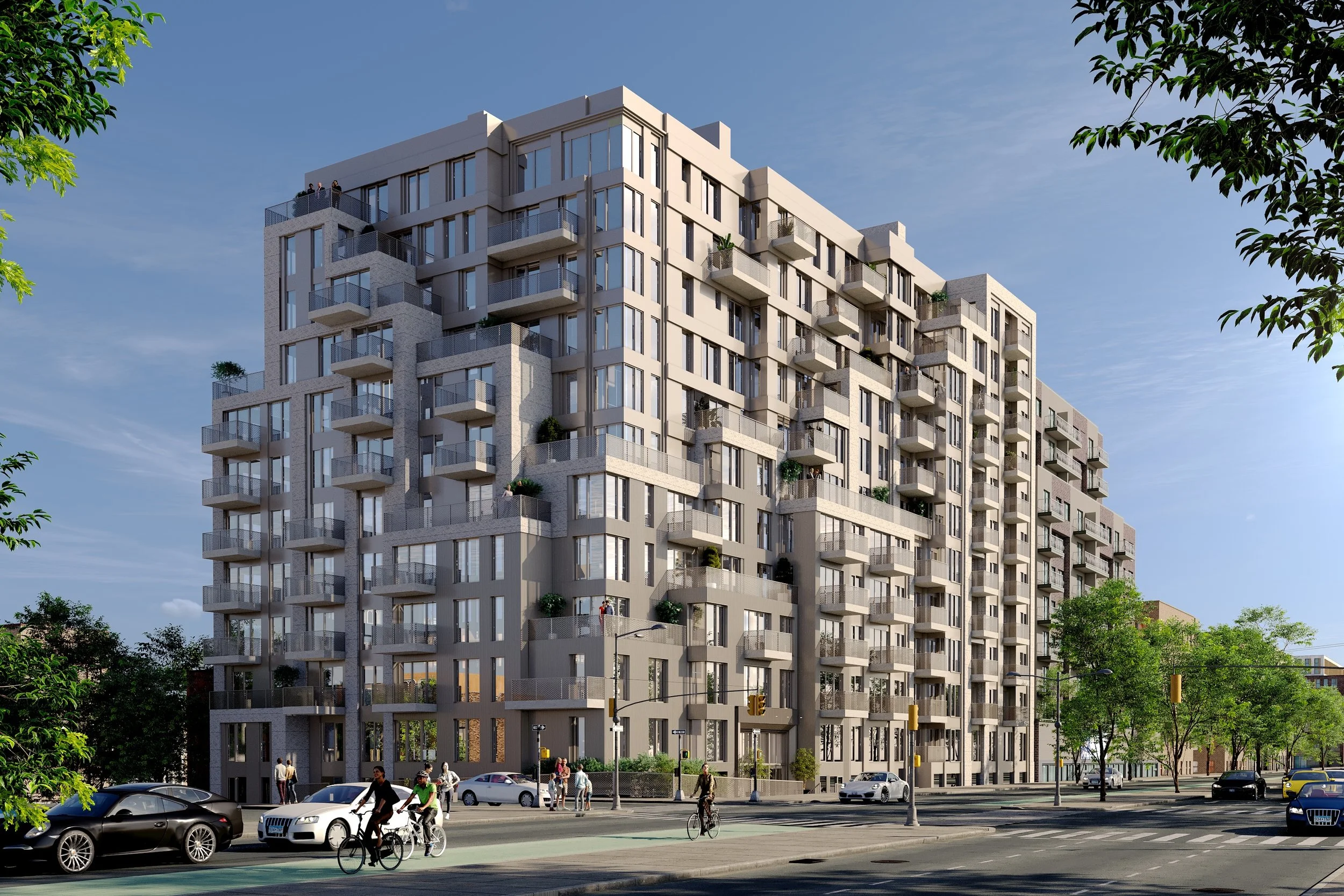
Centric: Photo Credit: SDX Studio
Buyers today want homes that support their health, adapt to their lifestyles, and deliver long-term value. They want buildings that foster community while still providing privacy and comfort. And they want neighborhoods that combine convenience with belonging.
Developers who listen closely to those priorities will shape the next generation of residential projects across New York City.
In a supply-constrained city with enduring global appeal, the next era of development will be defined not by what is built, but by how intentionally it is lived in.
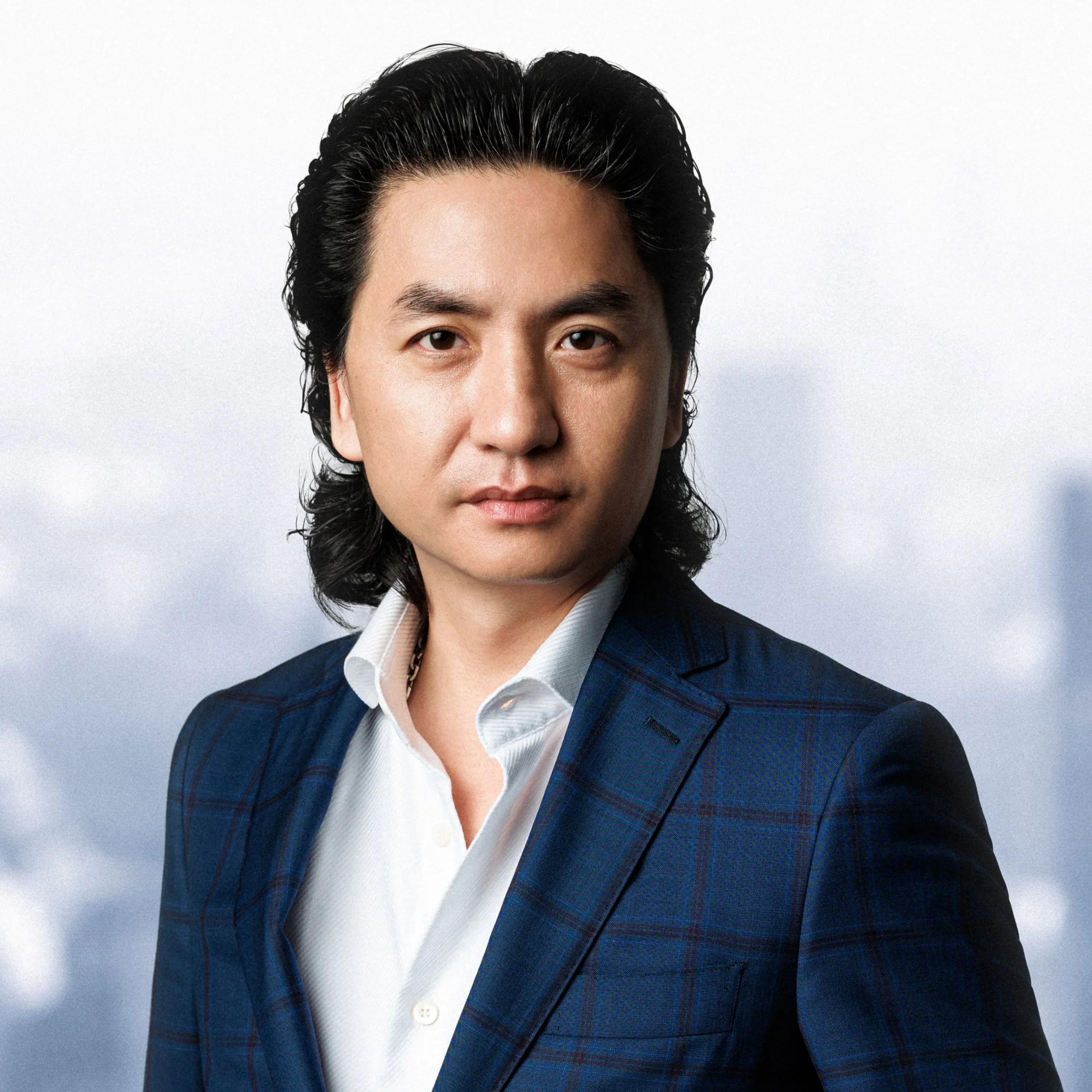
Bentley Zhao
Bentley Zhao is Chairman and CEO of New Empire Corp., a leading New York-based development and construction management firm that has completed over 120 residential projects throughout New York City.
Have a listing you think should be featured contact us or submit here to tell us more! Follow Off The MRKT on Twitter and Instagram, and like us on Facebook.
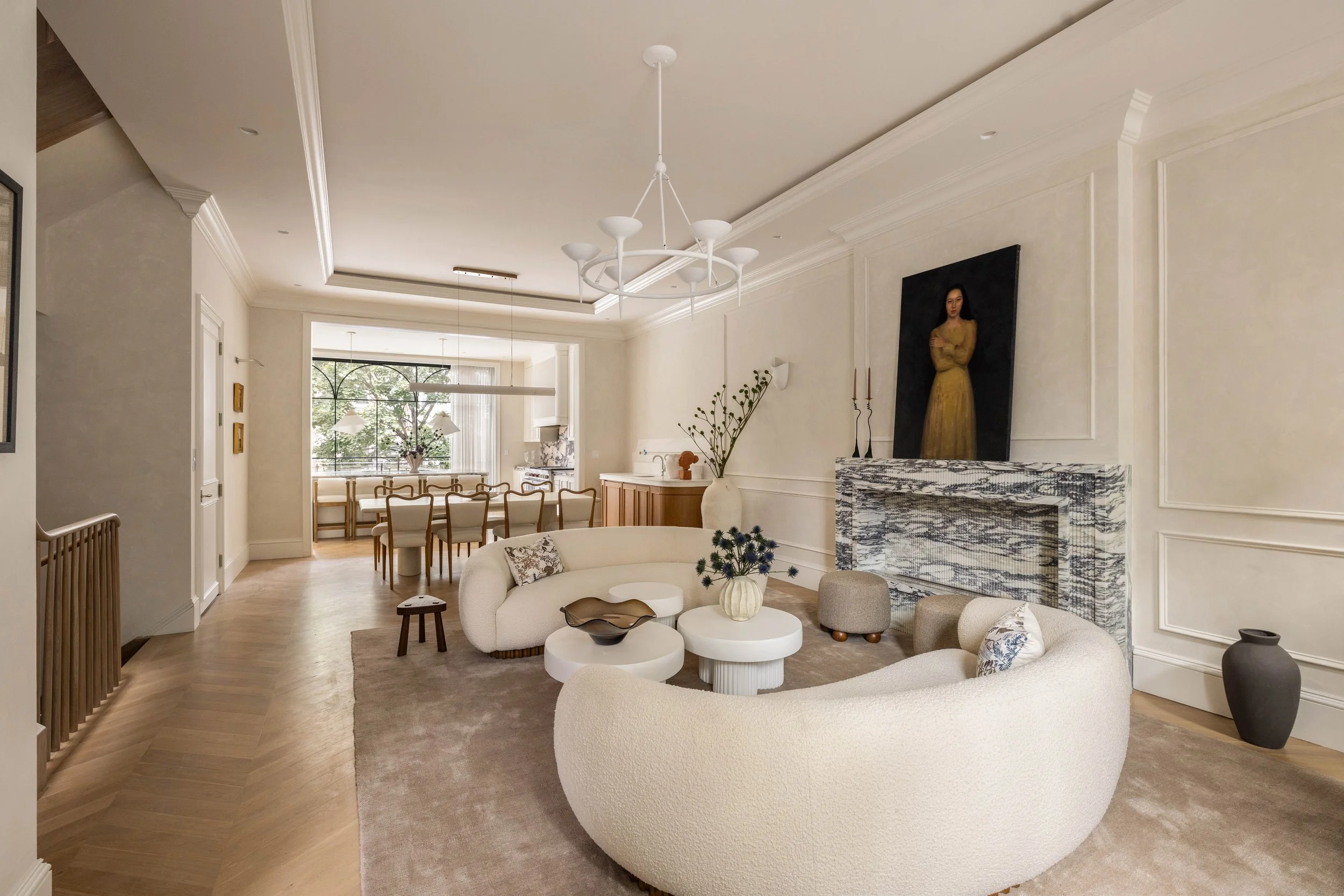



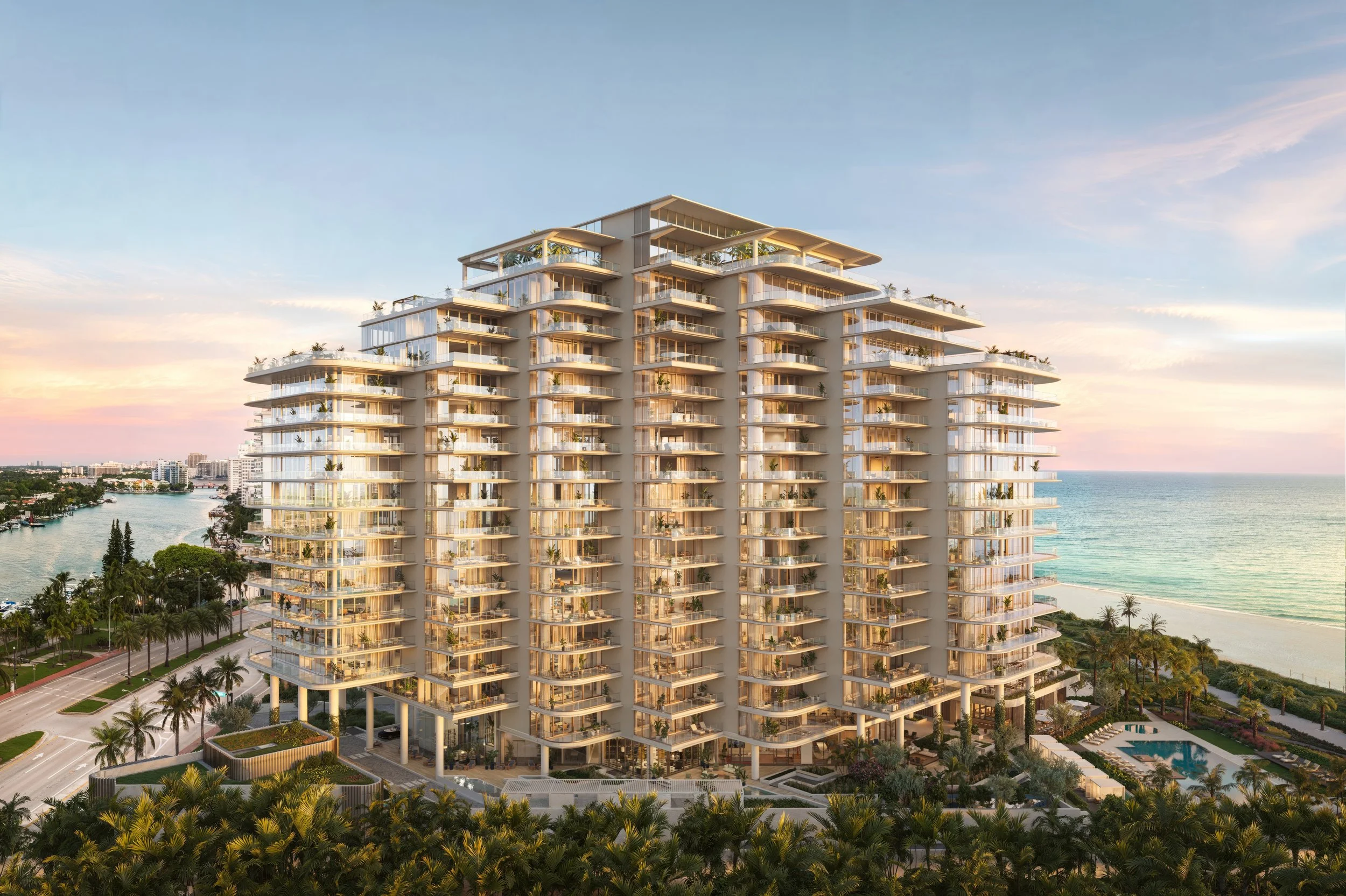
With $10 million-plus sales at a record pace, the Miami buildings worth watching are the few actually delivering in 2027. Meet The Perigon, Shell Bay and Tula Residences.