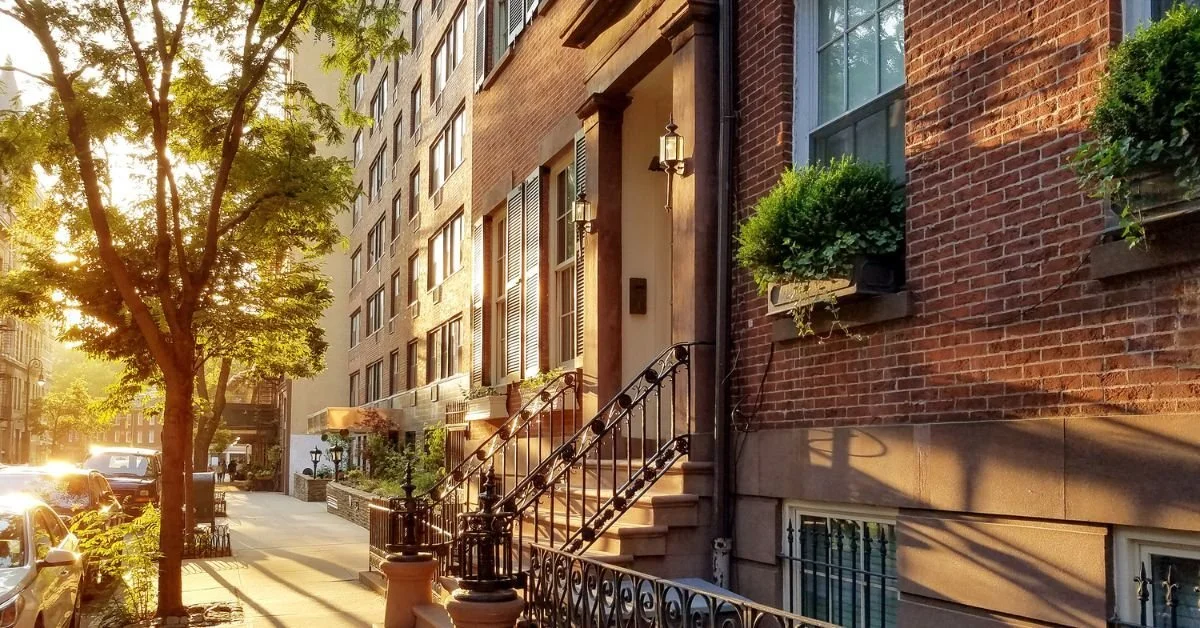
Inside a Landmark Tribeca Penthouse Reimagined for Entertaining
A new video tour reveals how a landmark Tribeca penthouse uses proportion, flow, and layered lighting to become a true hospitality-grade home.
Read MoreYour guide to New York real estate and more
Off The MRKT - Where New York's, Real Estate, Life Style, and Culture Converge
A new video tour reveals how a landmark Tribeca penthouse uses proportion, flow, and layered lighting to become a true hospitality-grade home.
Read MoreThis holiday season, the art of transformation takes center stage, not just in gift wrapping but in the realm of interior design. Wallpaper, once a backdrop, now becomes the focal point in luxury residences, turning walls into canvases of creativity and style. From the elegant corridors of The Harper to the vibrant spaces of 200 East 59th Street, wallpaper is redefining the aesthetics of luxury living. Join us as we explore how these exquisite properties across New York City are embracing this trend, set to revolutionize interior design.

A Blend of Tradition and Modernity At The Harper, located on Manhattan’s Upper East Side, wallpaper plays a pivotal role in harmonizing pre-war elegance with contemporary design. The building's amenity spaces and model units showcase a variety of wallpapers, each chosen to enhance the property's visual appeal and create lasting impressions. The use of different color palettes, textures, and designs in wallpapering not only adds depth to each space but also reflects the unique character of The Harper.
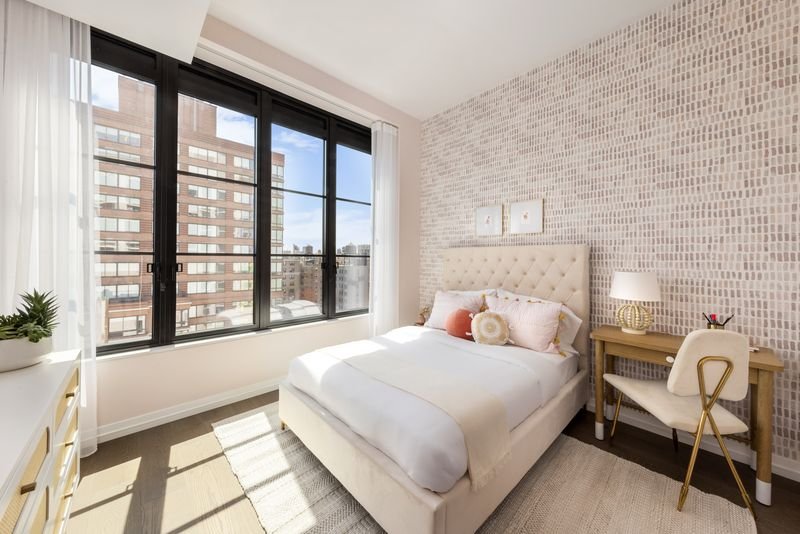
Accentuating Tones with Patterns Nestled between Riverside Park and Central Park, 96+Broadway incorporates wallpaper to elevate its tonal palette. In one of the homes, design firm Urban Casa has skillfully used patterned wallpaper to add personality and softness to a pink bedroom, demonstrating how wallpaper can be both a subtle and striking design element.
Credit: Donna Dotan
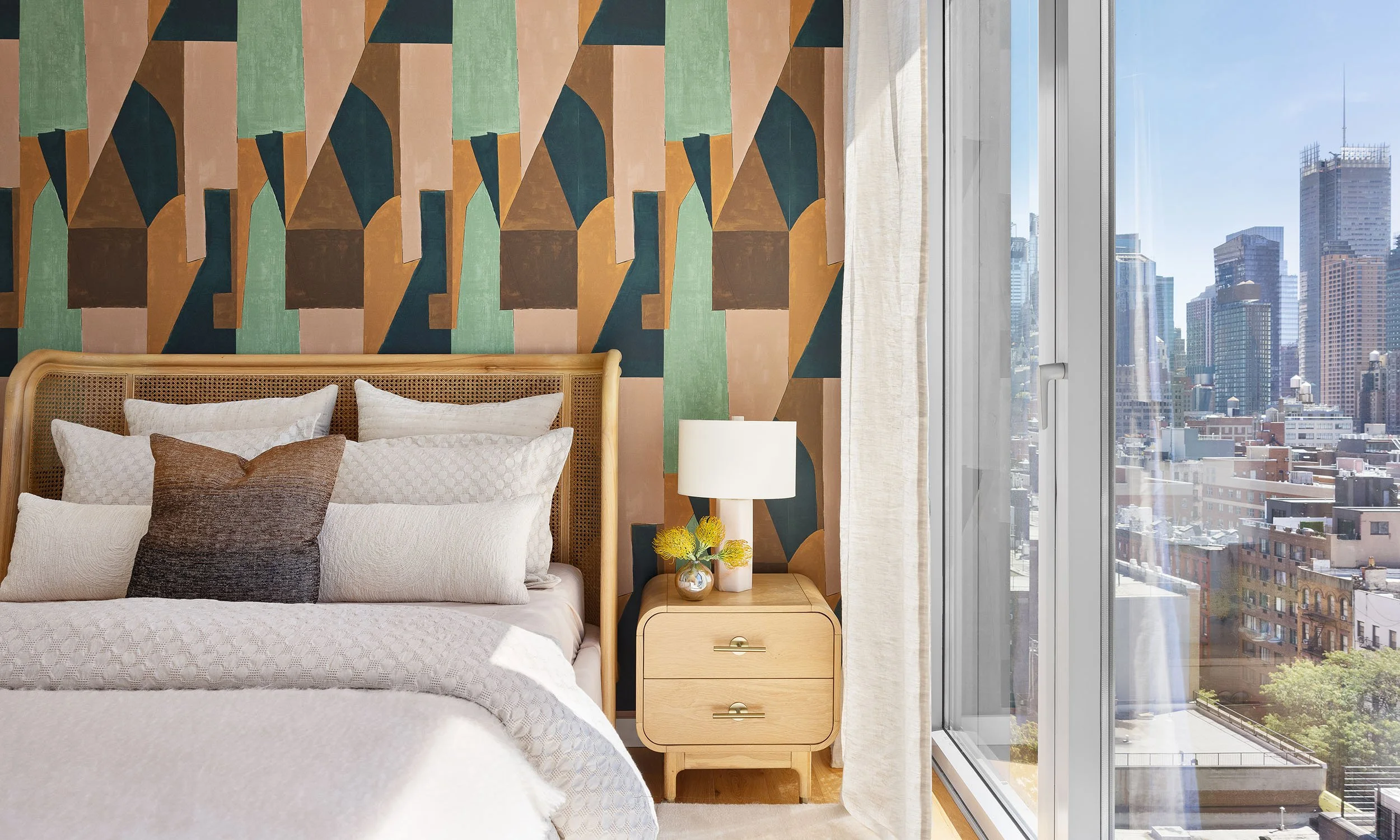
Connecting with Nature At 547 West 47th Street, wallpaper is used to create a serene and natural ambiance. The geometric design and earthy hues of the wallpaper in Residence 1114’s bedroom offer a calming focal point, connecting residents with nature while they enjoy the Midtown skyline views.

Bold Statements with Wallpaper 200 East 59th Street takes a daring approach, integrating bold wallpaper throughout its model residences. Designed by CetraRuddy, the use of animal print and blue denim textures in bedrooms creates vibrant, layered spaces, showcasing how wallpaper can be used to make a bold statement.

Upscale and Refined Atmosphere In Boerum Hill, Brooklyn, the residence at 265 State Street uses wallpaper in multiple rooms to transform walls into captivating focal points. The upscale and refined atmosphere created by the wallpaper adds an extra layer of sophistication to this sprawling sanctuary.

Sun-Splashed Elegance Residence 9GH at One Hanson Place in Fort Greene, Brooklyn, features wallpaper that enhances its sun-splashed interiors. The use of wallpaper in this four-bedroom residence adds depth and character, complementing the wide-open views and exceptional location.
As we look towards 2026 wallpaper emerges as a key trend in luxury interior design, offering endless possibilities for personalization and artistic expression. These luxury listings across New York City exemplify how wallpaper can transform any space into a work of art, making it an essential element for those looking to infuse their homes with individuality and style.
Have a listing you think should be featured contact us or submit here to tell us more! Follow Off The MRKT on Twitter and Instagram, and like us on Facebook.
From Mid-Beach to Brickell and South Beach, these ultra-private penthouse pools deliver resort-grade outdoor living far above Miami—with brand-level service to match.
Read MoreChoosing the right neighborhood in New York City for your family can seem overwhelming. With so many options and factors to consider, it's easy to feel lost. But don't worry, finding the perfect NYC neighborhood for your family is possible with some careful planning.
The first step is to understand your family's unique needs and priorities. Maybe you want to be close to good schools, or you need easy access to public transportation for work. Besides, safety and nearby amenities such as parks, grocery stores, and hospitals are also very important. Identifying what matters most to your family will help narrow down your options.
Once you know your priorities, you can start researching different neighborhoods. Look at the school options, safety records, and available amenities in each area. Consider the commute to work and how accessible essential services are. By taking each of these factors into account, you can find a neighborhood that offers everything your family needs.
Identify Your Family's Needs and Priorities
The first step in choosing the right neighborhood is to identify what your family needs and prioritize those needs. Start by making a list of the most important factors for your family's lifestyle. Do you need a large park nearby for your kids to play? Are you looking for a neighborhood with a strong sense of community or one with quieter streets?
Think about the size and type of home you want. Some families may prefer a spacious apartment, while others might want a townhouse with a backyard. Consider your family's hobbies and interests too. If you enjoy weekend outings, look for neighborhoods with museums, theaters, and other cultural attractions.
Create a checklist of these priorities and rank them. This will help you focus on what’s most important and make the decision-making process easier. Knowing exactly what you want in a neighborhood will enable you to narrow down the areas that best suit your family's needs.
Research School Options in Different Neighborhoods
If you have school-age children, the quality of local schools is likely high on your list of priorities. Start by researching the schools in different neighborhoods. Look at both public and private options to see which schools are renowned for their programs and performance.
Make a list of the top-rated schools and check if they are in neighborhoods that interest you. Visit the schools' websites to understand their curriculum, extracurricular activities, and overall environment. Reading reviews from other parents can also give you valuable insights.
Consider the school’s proximity to your potential new home. A shorter commute for your kids means more time for homework and play. Also, check if the neighborhoods have good options for daycare and preschool if you have younger children. Quality education is a crucial factor in deciding where to live, so take your time to thoroughly research and choose wisely.
Evaluate Safety and Amenities
Safety is a top concern for any family. When choosing a neighborhood, look into the area's crime rates. Many websites provide up-to-date crime statistics that can give you insights into how safe an area is. You can also visit the local police precinct to get a sense of the community and their efforts to maintain safety.
Amenities are another crucial factor. Consider what you need close to home, like parks, playgrounds, grocery stores, and hospitals. Having these amenities nearby can make daily life easier and more enjoyable. Walk around the neighborhood and see what it has to offer. Check out the local shops and services to see if they meet your family's needs.
Also, think about the community vibe. Do you see other families with children? Are there community centers or libraries that offer programs for kids and adults? A neighborhood with a strong sense of community can provide a supportive environment for your family.
Consider Commute and Accessibility
The daily commute can significantly impact your quality of life. When looking at neighborhoods, think about how long it will take to get to work, school, and other important places. Check the availability of public transportation options like subways, buses, and bike paths. If you drive, consider traffic patterns and parking availability.
Proximity to transportation hubs can make a neighborhood more convenient. Living near a subway or bus station can save you time and make it easier to navigate the city. Walk through the neighborhood at different times of the day to gauge how easy it is to get around.
Accessibility is also key for families with young children or elderly members. Look for neighborhoods with stroller-friendly sidewalks, elevators in buildings, and other features that make getting around easier. Accessibility can make daily activities less stressful and more enjoyable for everyone in the family.
Conclusion
Choosing the right neighborhood for your family in New York City is no small task. By evaluating your family's needs, looking into school options, considering safety and amenities, and thinking about commute and accessibility, you can make an informed decision that meets your family's lifestyle and preferences. Each neighborhood in NYC has its own unique charm and set of advantages, so take your time to explore and find the best fit for your family.
Moving to a new neighborhood is a big step, but with the right information and a clear understanding of what you need, it can also be an exciting new chapter for your family. Remember, the perfect neighborhood for your family is out there, waiting to be discovered.
Ready to find that perfect NYC neighborhood for your family? Off The MRKT is here to help. Contact us today for more tips about the real estate market and lifestyle to make your relocation seamless and fun. Let's get started on finding your family's new home in NYC today!
Planning to head to Rockefeller Center tonight for the tree lighting? One of the most popular events of the year and one not to miss. But don’t go starving, we found some of the best restaurants near Rockefeller Center that you will want to visit either before or after the lighting. But book your table soon! below are our top pics.

Sushi Lab Rooftop (132 W. 47th Street) at The Sanctuary Hotel in Midtown offers guests a creative spin on traditional sushi from Executive Chef Frankie Chen in a gorgeous enclosed rooftop setting. The restaurant features Japanese small plates, along with creative Nigiri, Sashimi and Maki sushi. Of course the star of the show is their omakase experience, utilizing only the freshest ingredients.

Elevate your experience even further at Haven Rooftop, conveniently located steps away at the Sanctuary Hotel. Haven Rooftop offers a perfect location to escape the crowds and toast to the holidays with a signature cocktail like the Apple Cider Mule (Tito’s Vodka, Apple Cider, Cinnamon, Ginger beer) or the Green Tea Old Fashion (Angels envy, Green Tea, Choco Bitters).

For 25 years, Utsav (1185 6th Ave), the highly rated Indian and Indochinese restaurant has been a staple in the NYC culinary scene. For cuisine that is founded in tradition, Utsav has a knack for creating dynamic dishes that encapsulates what makes the colorful cuisine of India so unique. Located on the cusps of Rockefeller Center, Utsav is the perfect place to grab a hearty curry or crispy plate of spiced lamb to warm you from the inside out. The dishes are also complemented by an extensive wine list, imported ales, and an array of cocktails served with an Indian twist. Owner Nandita Khanna’s homemade desserts are also not to be missed - such as her Mishti Doi, which is passed down from a secret family recipe.

Carnegie Diner & Cafe is located on the corner of West 57th Street and 7th Avenue, steps from the iconic Carnegie Hall in the heart of Midtown Manhattan. The diner and cafe is open for dinner and is a great place to grab a quintessential New York bite. The spot pays homage to the diners of yesteryear in its design only but has a menu made for today, with something for everyone. Menu items feature an extensive all-day breakfast menu in addition to serving up salads, over the top burgers, sandwiches, main entrees, pastas and desserts. Check out @CarnegieDiner on instagram to see more of their delicious and eccentric creations!

Kumi (120 W 57th St.) at Le Meridien New York combines East-Asian ingredients with Korean flavors, creating a modern approach to Japanese Cuisine. Utilizing sustainably sourced ingredients, guests are welcome to indulge in a variety of shared plates, seasonal fish selections ranging from raw to seared, as well as an array of bold dishes including Bluefin Tuna Pizza, Wagyu Gyoza, and Miso Glazed Black Cod. Kumi's dining experience is complemented with a list of fine wines, Japanese whiskeys, ultra-premium sakes, and specialty libations. The venue design is a bold expression of colors paired with ambient beats and an upscale atmosphere and is perfect for an exceptional evening out!

Named for the French word for "gardener," Le Jardinier is a One-Michelin-Starred restaurant that evokes a modern greenhouse in the heart of Midtown Manhattan. The vegetable-centric menu from Culinary Directory Chef Alain Verzeroli, Chef de Cuisine Andrew Ayala and Corporate Pastry Chef Salvatore Martone utilizes the highest quality seasonal ingredients, fitting seamlessly into the timeless, light-filled interiors designed by award-winning architect Joseph Dirand. Led by The Bastion Collection, Le Jardinier’s refined yet approachable cuisine, atmosphere, and service create a holistic hospitality experience for guests. Le Jardinier just launched lunch, available Tues-Fri from 11:30am - 2:00pm www.lejardinier-nyc.com
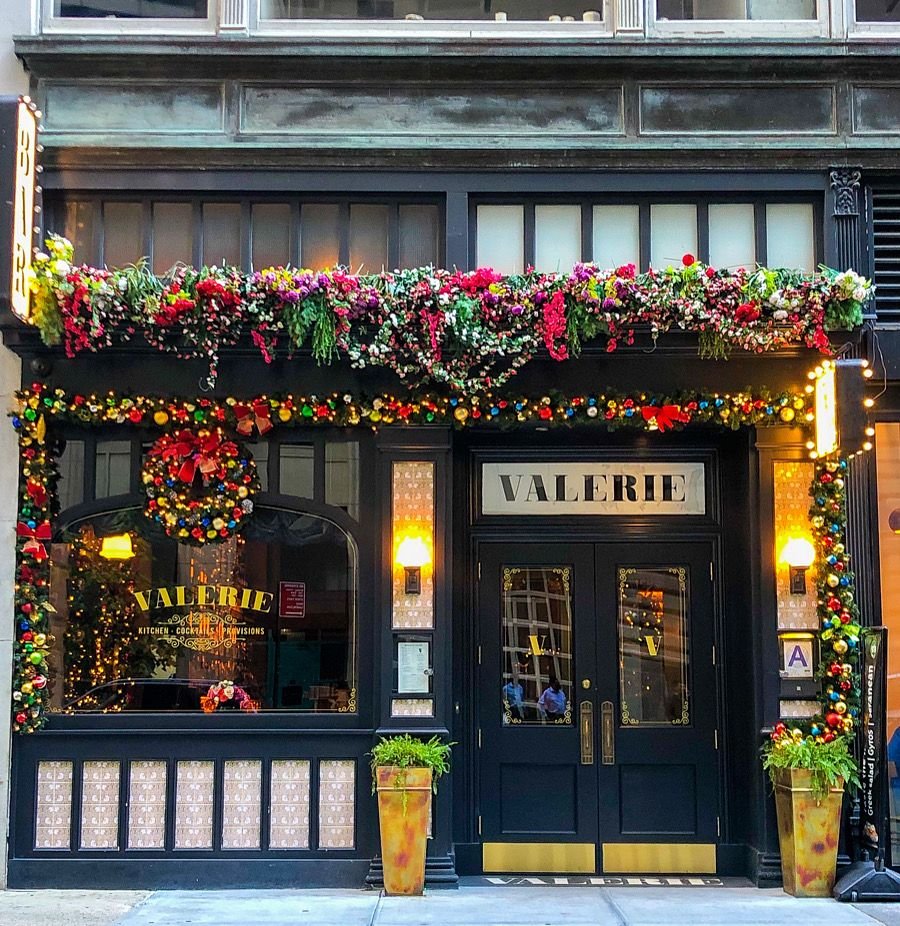
Valerie, a bi-level cocktail bar and restaurant located on West 45th Street evokes the golden era of Manhattan with its timeless drink list, bistro-inspired menu, and Art-Deco-inspired decor, with inspired updates for modern crowds. Have a drink and quiet conversation underneath one of those murals in the Art-Deco inspired Gatsby Lounge, indulge in some casual New American fare in the dining-oriented Den or find more space upstairs in the Blushing Bar, a full-service space that also happens to be perfect for private events. www.valerienewyorkcity.com

From the team behind Valerie – the home of New York Cities largest gin library and bi-level cocktail destination – Madame George is a 4,400 square-foot subterranean cocktail lounge focused on cocktails that pay homage to the history of New York City’s cocktail culture. Curated by Beverage Director Marshall Minaya, the beverage menu is inspired by New York City through the ages, complete with various categorial collections referencing historic and prolific cocktail culture and refreshed using modern techniques. With an eclectic vintage design from Adorn Design, Madame George will evoke an intimate space for late-night imbibing. https://www.madamegeorgenyc.com

Nestled amongst the dazzling lights of New York’s most iconic visitor destination, Lagos is a vibrant, upscale restaurant and lounge bringing a taste of West Africa to Times Square. Nigerian-native John Paul Wadibia is the restaurateur behind the concept, combining the effervescent energy of Lagos nightlife with distinctive and delicious brunch and dinner menus. From starters to mains, dishes pulse with fiery West African flavors while nodding to beloved American staples. The cocktail list, built by Beverage Director Matt Scherl, is playful and elaborate, while wines offer an array of regional varieties from Africa and beyond. All of this, served in one of the most Instagrammable spaces in the city. www.lagosnyc.com
Have a listing you think should be featured contact us or submit here to tell us more! Follow Off The MRKT on Twitter and Instagram, and like us on Facebook.

Are you tired of feeling like your small living room is more like a sardine can than a serene oasis? You’re not alone. It’s difficult for anyone to decorate and design a small space to be functional and stylish. Discover some secrets to maximizing the potential of your small living room to breathe new life into your space. These ideas will make your living room feel less and less like a sardine can!
In a small living room, each piece of furniture should have a purpose. Multi-functional furniture is the unsung hero in maximizing space. Think sleeper sofas or ottomans that double as seating and storage. These pieces save space and ensure you’re prepared for any occasion, be it impromptu guest stays or spontaneous dance parties.
When you have limited floor space, look up. Vertical storage solutions, like tall bookshelves and wall-mounted cabinets, use the often-overlooked vertical space in your living room. This approach declutters your floor and draws the eye upward, creating an illusion of a taller, more expansive room.
A light and airy color palette is a tried-and-true method for opening up a small space. Whites, light grays, and other soft hues are perfect for making a room feel brighter and more spacious. Add pops of color through accessories like throw pillows or artwork to inject some personality without overwhelming the area.
Minimalist decor is key to enhancing the spaciousness of your small living room. By choosing fewer, more impactful pieces, you prevent the space from feeling cluttered. Choose pieces with clean lines and a neutral color scheme, and keep accessories to a minimum. This approach creates a serene and cohesive look that allows the elements you choose to shine, maximizing both aesthetics and functionality.
Mirrors are the secret weapon of every interior designer looking to amplify a small space. By strategically placing mirrors, you can reflect light and create the illusion of depth, instantly making your room feel larger. A large mirror on a focal wall or a collection of smaller mirrors can transform your space, turning the ordinary into the extraordinary.
Even the most beautiful furniture can fall flat without a smart arrangement. When dealing with a small space, think carefully about the layout. Finding ways to arrange a sectional sofa in a small room can make all the difference in flow and functionality. Choose furniture pieces that don’t block pathways and allow for easy movement. Remember, space is precious, and every inch counts.
Hidden storage solutions are like the secret agents of interior design—sleek, discreet, and highly effective. From couches with hidden compartments to coffee tables with lift tops, these pieces offer storage without sacrificing style. By keeping clutter out of sight, you create a clean and inviting atmosphere. A tidy space is a happy space, after all.
Knowing how to maximize the potential of your small living room boils down to smart design choices and resourceful thinking. Whether you’re employing multi-functional furniture or creating visual interest with mirrors, each tip brings you one step closer to achieving your dream living room. Start reimagining your small space today to watch it transform into a cozy haven you’ll love to come home to.
Have a listing you think should be featured contact us or submit here to tell us more! Follow Off The MRKT on Twitter and Instagram, and like us on Facebook.
Are you preparing to list your property? You’ve likely already painted the walls, updated the kitchen, and tidied the garden. But have you considered the garage? This versatile space, frequently overlooked, holds immense potential to increase your home’s asking price. A thoughtful garage renovation can provide a substantial return on investment by appealing to buyers looking for that extra functional square footage. Let’s explore six garage renovations that can immediately boost your home’s value.
Your garage door is a prominent feature of your home’s façade, so its condition contributes heavily to curb appeal. An old, dented, or malfunctioning door can detract from an otherwise beautiful exterior.
Upgrading to a modern, stylish door is a powerful move. Consider models with insulation, smart-home capabilities, durable materials, and contemporary window inlays to make a strong first impression on potential buyers.
Unfinished garages with exposed studs and rafters feel more like sheds than integrated parts of a home. Finishing the interior with drywall is a relatively low-cost project that completely transforms the space. A coat of neutral paint makes the garage feel cleaner, brighter, and larger. Moreover, this simple upgrade provides a blank canvas, allowing prospective buyers to envision the space as a workshop, home gym, storage area, or whatever else they have in mind.
Standard concrete floors are prone to cracking, staining, and collecting dust. Upgrading the flooring is an effective way to elevate the garage’s look and durability. Many buyers are torn between microcement and polished concrete, but both are excellent choices. Other popular options include the following:
epoxy coatings for a seamless, glossy finish
interlocking tiles for a customizable, heavy-duty surface
concrete sealers to protect against damage
paint designed specifically for concrete floors
Clutter is a major turn-off for homebuyers. A garage packed with disorganized boxes and tools can make the space feel small and unusable. Consequently, installing smart storage can make your garage a major selling point. Think vertical with wall-mounted shelving, overhead racks, pegboards, and custom cabinetry. An organized garage demonstrates efficient use of space and shows buyers that there is a designated place for everything.
A secure garage is a valuable asset. You might incorporate some tips to improve garage security by installing a new locking system on the main door, adding motion-sensor lighting, securing windows, and integrating the garage door opener into a home security system. These features provide peace of mind for buyers.
If your local zoning laws permit, converting your garage into an accessory dwelling unit (ADU) or extra living space can deliver the highest return. Imagine a home office, a guest suite, a fitness studio, or even a rental apartment. This renovation adds valuable square footage to your home and appeals to a wide range of buyers, from multigenerational families to those seeking rental income.
With a bit of planning and investment, your garage can become one of your property’s most attractive features. These renovations immediately boost your home’s value and increase its functionality. As a result, you should be able to secure a high price when it’s time to sell.
Have a listing you think should be featured contact us or submit here to tell us more! Follow Off The MRKT on Twitter and Instagram, and like us on Facebook.

New York City is an exciting place to live and study. With so many neighborhoods to choose from, it can feel overwhelming to decide where to live while you're in school. But don’t worry! By thinking carefully about your needs, budget, and lifestyle, you can find the perfect neighborhood to make your student life easier and more enjoyable.
In this article, we’ll break things down into simple steps to help you choose the best neighborhood. Along the way, we’ll also mention some helpful tips, like why understanding a Rogerian argument can make decision-making easier, how crafting an evaluation essay thesis is like choosing a neighborhood, and how reading an essay writing service review can save you time when your schedule gets busy.
Step 1: What Do You Need in a Neighborhood?
Before you pick a neighborhood, ask yourself what’s most important to you. Here are a few things to think about:
Location: Do you want to be close to your school so you can walk to class? Or are you okay with taking the subway or bus?
Cost: How much rent can you afford? NYC is expensive, but there are neighborhoods that are more budget-friendly for students.
Safety: Feeling safe is important, especially if you’ll be coming home late after studying.
Amenities: Do you need cafes to study in? Grocery stores nearby? Parks to relax?
Think of this step as similar to planning an evaluation essay thesis. When you write an evaluation essay, you decide on the criteria to judge something. Here, you’re deciding what’s most important for judging a neighborhood.
Step 2: Be Close to Campus
Living near your school can save you a lot of time and stress. Long commutes might leave you tired and with less time to study or relax. Here are examples of neighborhoods near some major NYC universities:
Columbia University (Morningside Heights): This area is quiet and full of students. There are parks like Riverside and Central Park nearby, perfect for a study break.
NYU (Greenwich Village): This neighborhood is lively, with lots of cafes, art, and music. It’s a great place if you enjoy being around creative energy.
The New School (Union Square): Living in or near Union Square means being close to everything—subways, shops, and study spots.
If you’re farther from your school, make sure there’s a convenient subway line. NYC is big, and commuting can take a lot of time if you’re not careful.
Step 3: Can You Afford It?
NYC rent is known to be pricey, but some neighborhoods are more affordable for students.
Here are some examples:
Budget-Friendly Areas:
Washington Heights and Inwood (northern Manhattan)
Bushwick and Crown Heights (Brooklyn)
Astoria and Flushing (Queens)
Expensive Areas:
SoHo, Tribeca, and the Upper West Side are beautiful but come with a high price tag.
Here’s a little tip from Rogerian argument thinking: instead of choosing between affordability and fun, look for a neighborhood that meets both needs halfway. For example, Astoria in Queens is affordable and full of great restaurants and cafes, giving you the best of both worlds.
Step 4: Think About the Vibe
Each NYC neighborhood has its own personality. Choosing one that matches your lifestyle can make your time in the city more enjoyable. Here are some options:
East Village: This is a great choice for students who love art, music, and a little bit of chaos. It’s full of energy and has plenty of coffee shops where you can study.
Harlem: Harlem is vibrant, affordable, and full of history. It’s a friendly area with great food and lots of character.
Brooklyn (Williamsburg or Bushwick): These neighborhoods are trendy and artsy, with a lot of students and young professionals.
Upper East Side: A quieter, safer neighborhood, close to Central Park and museums. It’s a little pricier but perfect for students who want peace and quiet.
Think of your neighborhood as part of your experience. It’s not just where you live—it’s where you’ll spend a lot of your free time.
Step 5: Look for Student-Friendly Features
Some neighborhoods are better for students because they have things you’ll need to succeed:
Study Spots: Libraries, coffee shops, and quiet spaces are important for focusing on your work.
Affordable Food: Look for neighborhoods with food trucks, cheap diners, or restaurants that offer student discounts.
Safety: Check online for crime statistics or ask other students about their experiences.
If you ever feel overwhelmed, don’t forget that a well-researched essay writing service review can help you find resources to handle busy weeks when deadlines pile up.
Step 6: Test Your Commute
Before committing to a neighborhood, take a test trip to your school. Try traveling during rush hour to see how long it takes. A short commute is ideal, but if you find a neighborhood you love that’s farther away, make sure the subway or bus ride is manageable.
Step 7: Talk to Other Students
Ask other students where they live and what they like (or don’t like) about their neighborhoods. You can also look online at forums, housing groups, or even your school’s student housing resources.
Choosing the right neighborhood for studying in NYC can take some time, but it’s worth it to find a place that feels like home. Remember to prioritize your needs, think about your budget, and explore different areas to see which one fits you best.
And don’t forget, NYC is a city of endless opportunities. No matter where you live, you’ll have the chance to grow, learn, and make amazing memories.
Have a listing you think should be featured contact us or submit here to tell us more! Follow Off The MRKT on Twitter and Instagram, and like us on Facebook.
restrained, material-driven makeover shows how to make a classic Bed-Stuy brownstone feel bigger, brighter, and built for daily life.
Read MoreBy Louise Phillips Forbes, Brown Harris Stevens

Louise Phillips Forbes
New York City’s recent mayoral election garnered national attention, marking a pivotal moment for the city’s future. As someone who has spent more than three decades helping New Yorkers claim their piece of the rock, I believe this moment represents an opportunity for growth — not division.
A Digital City
By 2029, more than 8,000 pages of land maps will be digitized, offering a unified system for decision makers. This digital transformation will provide a bird’s-eye view of the city, enabling smarter, long-term planning that benefits all five boroughs. It will help prioritize infrastructure improvements, foster cohesive urban planning, and ultimately strengthen the fabric of our neighborhoods and communities.
A Defining Moment for Housing
With the passing of several major amendments to the city housing charter, there is a real opportunity to turn policy into progress. The process stands to move faster overall, and especially in the twelve community board districts that have historically approved the least amount of affordable housing development. And for previously rejected projects, an Affordable Housing Appeals Board, comprised of the Mayor, Borough President and City Council Speaker, will be formed to provide a second look.
Opportunity Through Collaboration
Mayor-elect Mamdani will have a platform to strengthen partnerships between city leadership and developers. History shows this model works — the Bloomberg administration rezoned a significant portion of the city’s landmass and leveraged tax incentives to create powerful collaborations that delivered affordable housing. When incentives align with sound business strategy, the private sector mobilizes to build solutions that last.
A Chance to Lead Nationally
With these measures already being viewed as a potential template for other cities, New York is once again positioned to lead by example by showing how we can invest, innovate, and serve responsibly.
I’ve seen the city’s resilience and creativity time and again. This moment is no different. Together, we have an opportunity to channel that spirit into creating an inclusive future for all who call our special rock home.
With 34 years of experience and nearly $6 billion in career sales, Louise Phillips Forbes is a top producing agent at Brown Harris Stevens and one of the most trusted voices in New York real estate, representing buyers, sellers, and developers across the city.
Have a listing you think should be featured contact us or submit here to tell us more! Follow Off The MRKT on Twitter and Instagram, and like us on Facebook.
Off The MRKT’s favorite items for the month from luxury living featuring the hottest products, exclusive events, and more.
Read MoreDiscover festive Thanksgiving cocktails to impress your guests! From spiced classics to creative seasonal drinks, these recipes pair perfectly with your holiday feast.
Read MoreFrom Grand Central’s Biltmore Room to alpine rooftops and cozy yurts, here are 11 festive stops for holiday cocktails, Instagram-ready décor, and smart gifting—plus one Hamptons après favorite.
Read MoreMiami Art Week turns the city into a gallery district—but some of the most compelling installations this season live inside (and around) new residential projects, and they’re free to visit year-round. From an oceanfront sculpture anchored by a global art star to a future Artwalk inspired by Morris Lapidus and a mural-packed paseo in Wynwood, here are three stops redefining how real estate and public art meet.

North Beach’s under-the-radar elegance gets a blue-chip moment with “Reflection,” the first permanent public installation in Miami by French artist Prune Nourry. Sited in the newly opened, six-acre Ocean Terrace Park—and wrapped in tropical landscaping by Raymond Jungles—the large-scale work brings museum-grade presence to the shoreline. It’s a strong signal for Ocean Terrace, a resort-residential enclave with interiors by Robert A.M. Stern Architects, and a timely detour from the fair tents: ocean air, big art, zero ticket lines.

At the nexus of Lincoln Road and the beach, the developer behind The Ritz-Carlton Residences, South Beach is partnering with the Morris Lapidus Foundation to realize elements the late architect envisioned—but never completed—for the grand concourse. The multimillion-dollar Artwalk will unfold over the coming years; during Miami Art Week, a KEF! piece inspired by Lapidus debuts at BitBasel before moving to the corridor. Think of it as a preview screening for a public realm project designed to elevate the “East End” of Lincoln Road for residents and visitors alike.

Fisher Brothers’ Joule House introduces Calle Collective, an open-air gallery curated with WXLLSPACE that turns its public paseo into a kaleidoscope of Miami talent. Nineteen large-format murals—by Tatiana Suarez, BK Foxx, Ahol Sniffs Glue, Hoxxoh, and more—bring Wynwood’s energy back to street level, while 26,000 square feet of incoming retail promises coffee-and-browse staying power. It’s free, it’s walkable, and it’s an easy add to any Wynwood day.
Have a listing you think should be featured contact us or submit here to tell us more! Follow Off The MRKT on Twitter and Instagram, and like us on Facebook.
Make this Thanksgiving unforgettable with expertly chosen wines that bring out the best in every dish, from savory turkey to spiced vegetables and decadent desserts.
Read More