Exploring a Vibrant Williamsburg Apartment - A $4,000 NYC Gem

In the bustling neighborhood of Williamsburg, Brooklyn, known for its eclectic vibe and artistic flair, lies a hidden gem: a three-bedroom apartment that perfectly captures the essence of modern urban living. Elena Taber's latest video tour takes us inside this $4,000-per-month sanctuary, revealing a space that's not just a residence, but a canvas for creativity and communal living. The apartment, shared by Allison, Maddie, and Gabriella, is a vibrant testament to the youthful and creative spirit of Williamsburg, showcasing how city dwellers can transform their living spaces into personalized retreats.

A Fusion of Art, Comfort, and Community

The heart of this Williamsburg apartment is its living room, a vibrant space adorned with art and thrifted furniture, reflecting the residents' artistic sensibilities. The unique decor, including a vintage Formula 1 poster and repurposed street-found lockers, adds an urban chic touch. The kitchen, with its renter-friendly upgrades and collage of memories, serves as a cozy hub for culinary creativity and storytelling. Each bedroom in the apartment is a distinct expression of its occupant's personality, from Allison's gallery wall of personal artwork to Gabriella's rave flyer book collection, highlighting the individuality and diverse interests of the residents.

A Social Hub in the Heart of Williamsburg

Beyond being a living space, this apartment serves as a dynamic social hub, embodying the lively essence of Williamsburg. The residents frequently transform their home into an event space for gatherings, utilizing the high ceilings for decorations and creating an adaptable environment for various social events. This adaptability and the apartment's ability to cater to a vibrant social life make it an epitome of the Williamsburg lifestyle, where community, creativity, and urban living converge.


Have a listing you think should be featured contact us or submit here to tell us more! Follow Off The MRKT on Twitter and Instagram, and like us on Facebook.

Alice Chun: Where Design Meets Purpose in the Heart of Peter Cooper Village

In the bustling heart of Peter Cooper Village, Gramercy, lies a sanctuary of innovation and design, crafted by the visionary Alice Chun. As an inventor, social entrepreneur, and professor in architecture and interior design, Alice's home is more than just a living space; it's a testament to her belief that design should make the invisible visible. Her approach is not just about aesthetics but about infusing dignity into every corner and creation. This philosophy is vividly reflected in her living room, which doubles as a dining area and a laboratory of ideas. Here, modern simplicity meets natural materials, creating a space that's both functional and deeply personal. The room is divided by a bookshelf that's not just a partition but a canvas of family memories and global adventures, showcasing Alice's knack for blending storytelling with design.

The essence of Alice Chun's design philosophy shines through her fascination with light. Discovering the grim reality that many rely on toxic kerosene for lighting, she turned to origami, transforming a simple art form into a beacon of hope. Her collapsible, foldable solar light is a marvel of innovation, embodying her belief that good design should encompass beauty, wonder, and awe. This creation is not just a product; it's a statement that design can be a powerful tool for social change. Her living space, adorned with 3D sketches and prototypes, stands as a testament to her commitment to transforming simple materials into magnificent structures. It's a space where imagination meets reality, and where design transcends aesthetics to become a lifeline for communities worldwide.

Alice's journey of design and impact stretches far beyond the confines of her Peter Cooper Village home. Her work has illuminated lives in Makoko, Lagos, Haiti, Ukraine, and beyond, proving that light is a universal need that knows no borders. Her bedroom, a blend of simplicity and elegance, doubles as a living laboratory, where she continues to refine her designs, learning and evolving with each iteration. This approach underscores her belief that design is not just about creating beautiful spaces but about practicality, adaptability, and, most importantly, about making a difference. Alice Chun's home is a beacon of innovation, social impact, and sustainable design, reminding us that true design is about improving lives and making the world a brighter, more beautiful place.


Have a listing you think should be featured contact us or submit here to tell us more! Follow Off The MRKT on Twitter and Instagram, and like us on Facebook.

Inside the Luxurious Upper West Side Penthouse: Elegance at 235 West 71st Street

Welcome to a world of unparalleled luxury at the penthouse of 235 West 71st Street, a crown jewel nestled in the heart of New York City's Upper West Side. This expansive 5,000-square-foot residence is a masterpiece of design and comfort, boasting five bedrooms and four baths, each crafted to offer an experience of grandeur and sophistication.

A Grand Entrance

Step into the grand foyer, and you're immediately struck by its elegance. The gallery walls, perfect for showcasing an art collection, lead you into a realm of refined taste and style. This is where the journey of luxury living begins, setting the tone for what's to unfold.

The Heart of the Home - The Great Room

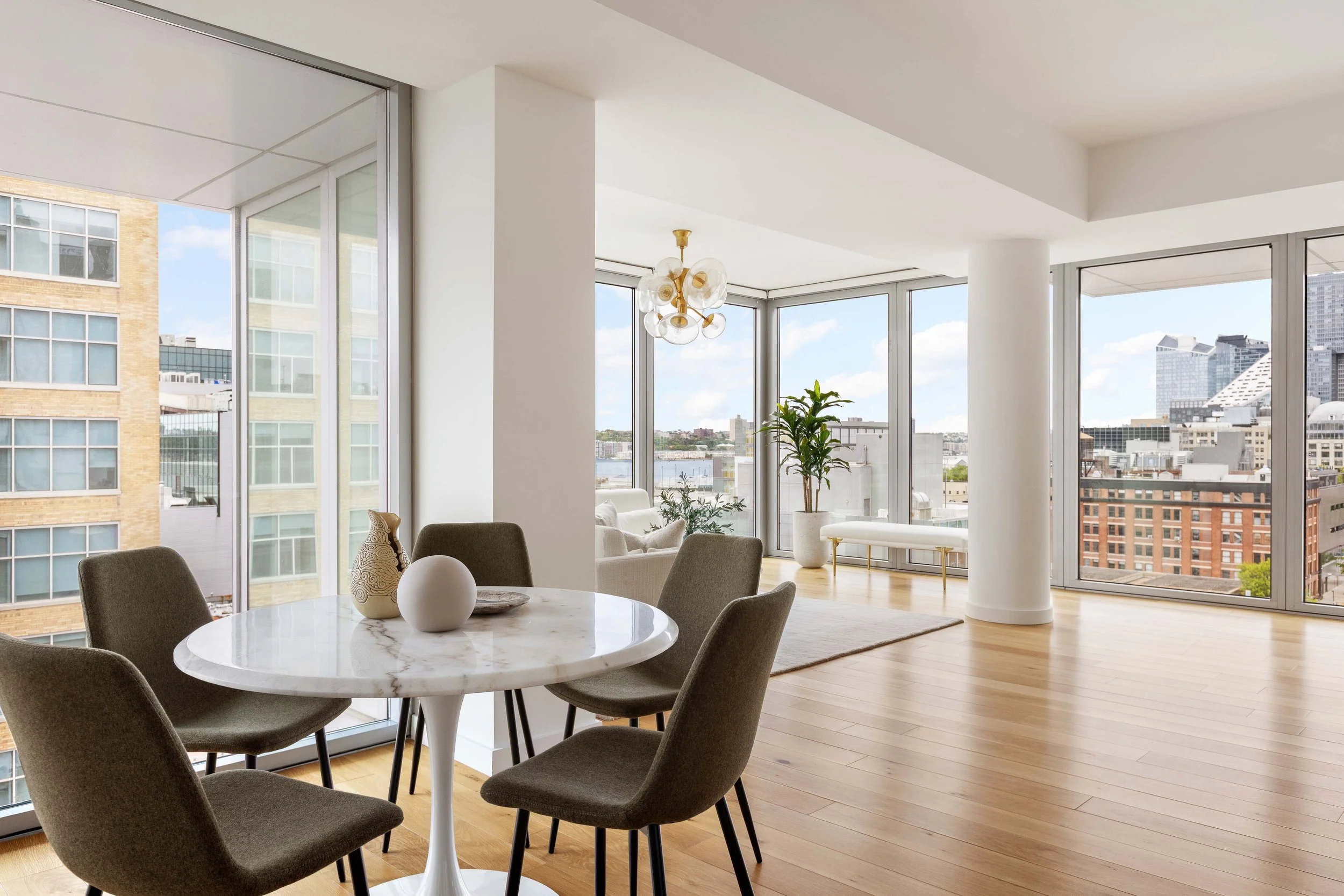
The great room, a sprawling 70-foot-wide space, is bathed in natural light streaming through south-facing picturesque windows. It's a harmonious blend of three distinct areas: a cozy sitting area, a formal living room, and an elegant dining room. Each space is designed to host memorable gatherings, from intimate family dinners to lavish parties.

Cozy Corners and Elegant Spaces

The library, with its roaring fireplace, offers a snug retreat for those chilly New York evenings. Picture yourself unwinding here with a favorite book and a glass of fine wine. The adjacent den, a versatile space, can be transformed into an elegant den or a private sanctuary, depending on your mood.

Culinary Delights in the Eat-In Kitchen

The penthouse also features a large eat-in kitchen, a chef's dream, where culinary creativity comes to life. It's a space that invites both cooking and conversation, making it the heart of everyday living.

A Serene Escape - The Primary Suite

The primary suite is a haven of tranquility, offering quietude amidst the city's hustle and bustle. With its northern and eastern exposures, the suite is a serene escape, complete with a cozy seating area, ample closet space, and a luxurious marble-clad bathroom.

Rooftop Oasis

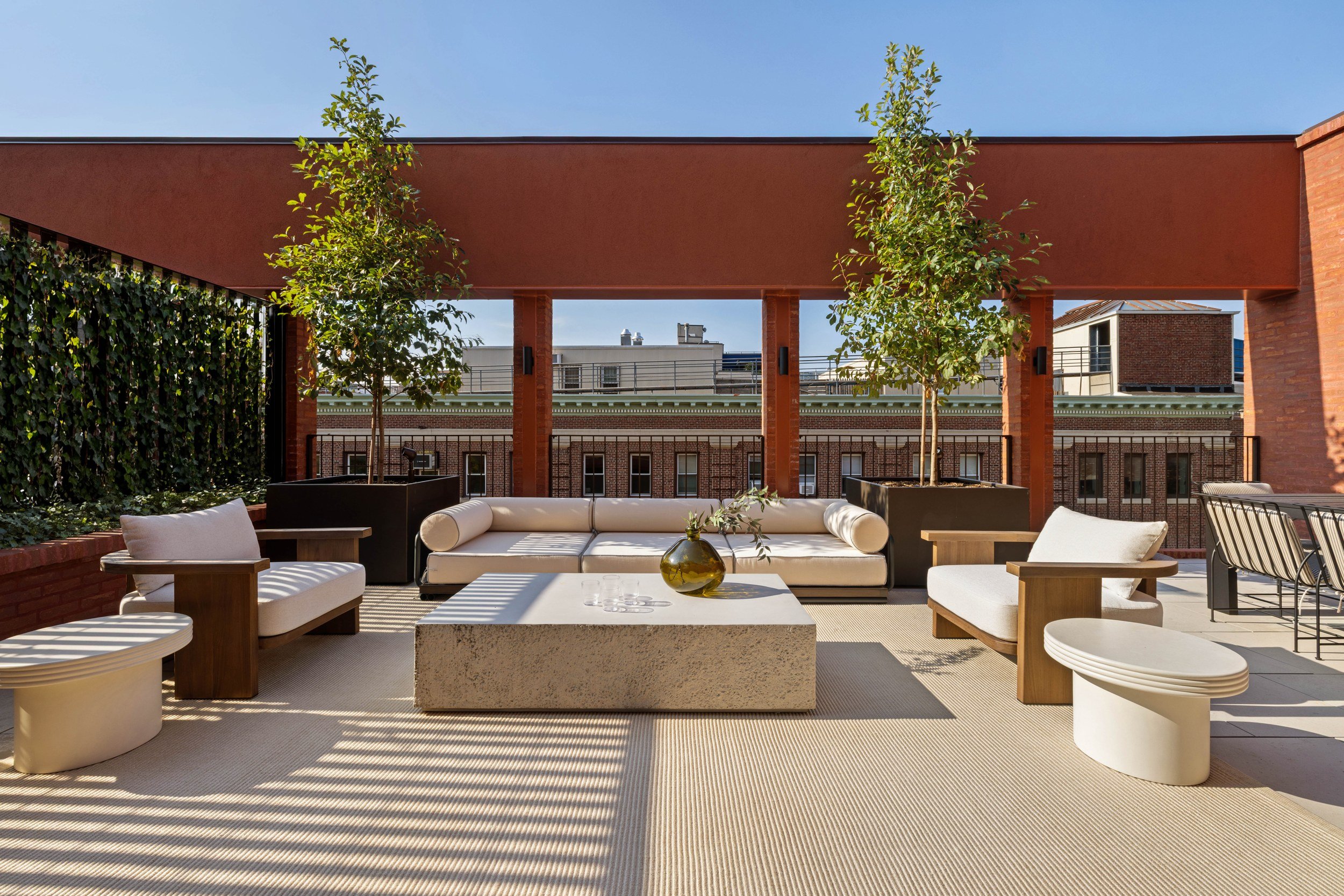
Ascend the grand stairwell to discover the pièce de résistance - a private rooftop oasis. This 1,200-square-foot terrace is a sun-soaked sanctuary, offering panoramic views and an idyllic setting for entertaining or solitary reflection.

Conclusion

The penthouse at 235 West 71st Street is more than just a residence; it's a testament to the art of fine living. It's a place where luxury meets comfort, where every detail is meticulously crafted to offer an unparalleled living experience. This is not just a home; it's a lifestyle, a statement of elegance and sophistication in one of New York City's most coveted neighborhoods.


Have a listing you think should be featured contact us or submit here to tell us more! Follow Off The MRKT on Twitter and Instagram, and like us on Facebook.

The Modern Commune: Inside New York’s Growing Co-Living Trend

Living with 23 housemates might sound like a chaotic nightmare to some, but for Ishan Abeysekara, a 33-year-old professional in Brooklyn, New York, it's a lifestyle choice that brings connection, community, and convenience. As the cost of living in major cities like New York continues to climb and the challenges of forming new friendships as an adult persist, co-living arrangements like Cohabs offer a compelling solution. But is this modern approach to communal living the future of urban life, or just a passing trend?

Co-Living: The New Urban Reality?

Co-living spaces like Cohabs are popping up in cities worldwide, responding to a growing demand for affordable housing and built-in communities. Unlike traditional shared apartments, co-living spaces are designed to foster a sense of community while offering flexibility and affordability—attributes that are becoming increasingly rare in today's urban housing market. For Ishan, who moved from London to New York in late 2022, the decision to opt for co-living was driven by practicality and a desire to build new roots quickly.

He articulates a sentiment that resonates with many urban dwellers: "As you grow older, making friends as an adult gets more challenging." Co-living, he says, offers a ready-made community and a chance to make new connections in a city known for its overwhelming pace and often isolating nature.

From College Dorms to Adult Communes: How Co-Living Differs

While the setup might conjure images of chaotic college dorms, there are key differences. The residents of co-living spaces like Ishan's tend to be more mature, respectful, and committed to creating a harmonious living environment. With shared amenities like a spacious kitchen, multiple refrigerators, a rooftop terrace, a gym, and a TV room that can comfortably fit all 24 residents, the infrastructure supports both community and privacy.

But the allure of co-living is more than just shared costs and convenience; it's about fostering genuine human connections. In an age where digital communication often trumps face-to-face interaction, co-living creates organic opportunities for social engagement—whether through communal dinners, workout challenges, or simply sharing a cup of coffee on the terrace.

The Upsides and the Realities of Co-Living

However, co-living isn't without its drawbacks. The transient nature of some residents can make it difficult to form lasting bonds. As Ishan points out, "If people are only here for three months, it's a bit hard to make a connection." Moreover, sharing spaces with over 20 people can come with occasional inconveniences, like waiting for a shower. But for Ishan, these are minor annoyances compared to the benefits of living in a dynamic, social environment.

The most significant advantage? For Ishan and others like him, co-living isn't just about having a roof over their heads. It's about creating a supportive micro-community that can help combat the loneliness and isolation that often accompanies moving to a new city or living alone. "I think I've met some people who I feel like I'll still be friends with when I'm 60," he reflects—a testament to the depth of connections that can form in these shared spaces.

A Glimpse into the Future of Urban Living

The rise of co-living spaces like Cohabs is reflective of broader shifts in urban living and housing trends in NYC. As cities become denser and more expensive, traditional notions of privacy and personal space are being reimagined. The success of these ventures raises interesting questions: Are we moving toward a more communal way of life out of necessity, or is this a deliberate choice to foster deeper human connections?

For now, co-living seems to offer a promising middle ground—a blend of independence and community that meets the needs of today’s urban professionals. Whether it’s a sustainable model for the future remains to be seen, but for residents like Ishan, it’s a choice that has already enriched their lives.

Final Thoughts

Co-living might not be for everyone. It requires a certain level of flexibility, tolerance, and a willingness to engage with others. But as Ishan’s experience shows, the rewards—community, friendships, and a rich social life—often outweigh the compromises. As cities like New York continue to evolve, co-living could very well be the answer for those seeking more than just a place to live, but a place to belong.
Have a listing you think should be featured contact us or submit here to tell us more! Follow Off The MRKT on Twitter and Instagram, and like us on Facebook.