One Park Tower by Turnberry Celebrates Major Milestone With Surreal Miami Event
One Park Tower by Turnberry recently topped off its 33-story luxury development in North Miami.
Read MoreYour guide to New York real estate and more
Off The MRKT - Where New York's, Real Estate, Life Style, and Culture Converge
One Park Tower by Turnberry recently topped off its 33-story luxury development in North Miami.
Read MoreRecycling in New York City is vital for creating a more sustainable urban environment. The city's recycling rules are designed to reduce waste, conserve resources, and protect the planet for future generations. For NYC residents, staying informed about these regulations is key to becoming a part of the solution.
Recycling helps keep our neighborhoods clean and reduces the amount of trash that ends up in landfills. The impact of recycling goes beyond just the environment, as it fosters a sense of community responsibility. By following simple guidelines, everyone can contribute to a greener New York.
Understanding how to recycle correctly starts with knowing the rules set by the city. With clear instructions and helpful tips, you can easily make recycling a part of your daily routine. Whether you're new to the city or just want to get a better handle on recycling practices, it's never too late to learn. Let's dive into the world of NYC recycling and see how we can all make a difference.
Recycling plays a crucial role in keeping New York City clean and sustainable. The city has set clear recycling rules to ensure that waste is handled properly, benefiting both the community and the environment. Understanding these regulations can make a big impact on how effectively you contribute to this effort.
In NYC, recycling is mandatory for all residents and businesses. This requirement falls under the city's environmental protection laws aimed at reducing landfill waste and promoting the reuse of materials. Key agencies responsible for overseeing these efforts include the NYC Department of Sanitation (DSNY) and the Department of Environmental Protection. These agencies work in tandem to enforce recycling practices across the city.
The importance of recycling goes beyond just following the law. It helps conserve resources, save energy, and reduce pollution, ultimately supporting a healthier community. Familiarizing yourself with NYC's recycling statutes is a positive step toward being an environmentally conscious resident. Staying informed about these rules means you're actively participating in a system designed to make the city a cleaner, greener place to live.
Efficient recycling starts at home with the correct sorting and preparation of materials. Knowing what can and cannot be recycled is the first step in this process. Acceptable recyclable items typically include paper, cardboard, glass, metals, and certain plastics. However, items like plastic bags, foam containers, and certain plastic wraps are usually not accepted in regular recycling bins.
Here's a step-by-step guide to help you sort recyclables effectively:
1. Gather Your Materials: Collect all recyclable items separately from regular trash. Identifying the proper categories helps streamline the process.
2. Sort Them by Type: Use separate bins or bags for each material—paper, plastics, metals, and glass. This helps ensure proper recycling and reduces contamination.
3. Clean Items Thoroughly: Rinse out food containers and bottles to remove any residue. This prevents contamination and supports the recycling process.
4. Remove Lids and Caps: Loose caps and lids can jam recycling machinery, so remove them before placing items in the bin.
5. Flatten Cardboard: Break down and flatten cardboard boxes to save space and ensure that they’re easily processed.
By following these practices, you guarantee that your recyclables are ready for collection and efficient processing. Good preparation reduces waste and promotes successful recycling outcomes. It’s a simple yet impactful way to contribute to NYC’s larger sustainability goals.
New York City offers a variety of special recycling programs and services to complement the standard recycling routine. These programs focus on items that require specific handling, like hazardous materials, electronics, and organic waste, providing residents with convenient solutions to dispose of such items responsibly.
For hazardous materials and electronics, NYC operates drop-off locations where you can safely dispose of items like batteries, old electronics, and certain cleaning products. These programs ensure that harmful substances are not released into the environment. Participating in these services is simple—check your local Department of Sanitation’s website for schedules and locations.
NYC also promotes composting initiatives to turn organic waste into valuable compost. You can join the city’s composting program either by using your building’s brown bins or by dropping off organic waste at designated sites citywide. This service reduces landfill waste and returns essential nutrients to the soil, benefiting urban green spaces.
Additionally, resources are available for recycling large items. Arrange pickups for bulk waste like furniture or appliances by contacting the sanitation department or participating in community recycling events. These events offer a chance to recycle bulky items without adding them to regular trash, making it easy for residents to support the city’s environmental efforts.
Recycling can come with challenges, and mistakes are common among NYC residents. Identifying and avoiding these errors can improve the efficiency of your recycling efforts and help ensure that materials are properly processed.
One frequent mistake is placing non-recyclable items in the recycling bin, such as certain types of plastic or food-soiled materials. These can contaminate the batch and compromise recycling processes. To avoid this, familiarize yourself with the city’s recyclable item list and always double-check your items before tossing them into the bin.
Another common error is failing to clean recyclables properly. Leftover food and liquids can spoil an entire batch, so always rinse containers thoroughly. Additionally, don’t forget to remove caps and lids, which should be disposed of separately or binned as directed by local guidelines.
Finally, staying updated on recycling rules is crucial, as policies can change. Sign up for local recycling newsletters or follow the Department of Sanitation for the latest updates. This ensures you’re always informed about what’s recyclable and what is not, helping to maintain a clean and green NYC.
Recycling in New York City involves more than just tossing items into the right bin. It's about understanding and participating in a community effort to reduce waste, increase sustainability, and promote environmental responsibility. By following the outlined practices, from sorting recyclables correctly to taking part in special recycling programs, you contribute to a healthier environment and a more sustainable city.
Being mindful of recycling mistakes and utilizing city resources ensures that you can make a positive impact. Every small effort counts and fosters a setting where recycling becomes second nature to all residents.
Ready to embrace a greener lifestyle in NYC? Off The MRKT can guide you in exploring more ways to enjoy a sustainable New York lifestyle. Connect with us to discover practical tips and insights for making the most of your urban experience while caring for the environment.
Discover Freedom Plaza, Manhattan's upcoming landmark designed by OJB Landscape Architecture and Soloviev Group, featuring lush gardens, riverfront views, and community-driven amenities
Read MoreCelebrity designer Nate Berkus unveils The Katharine, a boutique residential project in Greenwich Village that merges historic elegance with modern luxury.
Read MoreCatch March Madness at Hudson Yards' top bars—O’Toole’s Way, Bronx Brewery, and Ana Bar & Eatery—for game-day specials, trivia nights, and unbeatable ambiance near Madison Square Garden.
Read MoreSERHANT. launches sales at 29 Indian Creek, a luxury Miami Beach boutique condominium featuring art-deco inspired residences and exceptional amenities.
Read MoreExplore Off The MRKT's Favorite Listings of the Week, where we feature the most remarkable homes on the market, showcasing unique designs, luxury amenities, and standout locations that make them our top picks
Read MoreLooking to invest in newly built real estate? Discover expert tips to understand the market, manage your finances, evaluate risks, and boost your ROI potential.
Read MoreJean-Georges Restaurants introduces the Kimchi 'Nduja Pie, an innovative pizza fusion featuring Korean kimchi and Italian 'nduja, available exclusively at Frenchman’s Dough through March.
Read MoreNew York’s Noise Code (Local Law 113) sets real limits on how loud your neighbors can be — and most tenants never use it. If talking to your neighbor hasn’t worked, here’s exactly what NYC law allows, how to file a 311 noise complaint that actually gets a response, and when soundproofing or your landlord becomes the better move.
Living in New York City comes with unique challenges, and dealing with noise is often at the top of the list. Fortunately, the city has established noise regulations to help maintain a livable environment. Understanding these rules is essential for effectively addressing noise issues with your neighbors.
These rules come from the NYC Noise Code (Local Law 113 of 2005, codified in Title 24 of the NYC Administrative Code) and are enforced by the Department of Environmental Protection (DEP). “Unreasonable noise” is defined in part by how far it carries — generally audible more than 15 feet from its source inside a building, or 50 feet outside. Construction noise runs on a different clock: it’s restricted to 7 AM–6 PM on weekdays, which trips up a lot of tenants who assume the same 10 PM–7 AM residential quiet hours apply.
NYC noise laws define specific quiet hours, typically between 10 PM and 7 AM, during which residents are expected to keep noise to a minimum. This means loud music, drilling, or disruptive sounds should be avoided during these times. Unreasonable noise, such as excessive loudness that can be heard from 50 feet away, is prohibited at all hours and can result in fines.
Knowing your rights under these noise regulations can empower you to address noise issues confidently. You can report the problem to the building management or local authorities if a neighbor consistently violates these rules. Documenting incidents with dates and times can strengthen your case if formal complaints are necessary.
Familiarizing yourself with these laws ensures a solid foundation for dealing with noisy neighbors. Taking action based on these regulations demonstrates a commitment to maintaining the peace and quiet everyone deserves in their home.
If the direct approach hasn’t worked (or the noise is happening right now), 311 is the official channel — here’s exactly how to use it:
Note the address, apartment/unit number, and the type and time of the noise.
File via the 311 app, by phone (dial 311, or 212-639-9675 from outside NYC), or at nyc.gov/311.
For an active, in-progress disturbance, request an officer response; for a recurring pattern, file it as a standing complaint against the unit or building.
DEP or NYPD typically responds within a few days for non-emergency noise complaints.
Repeated, substantiated complaints can lead to a Notice of Violation and fines against the source.
Open and effective communication is often the most productive first step when dealing with noisy neighbors. Approaching your neighbor calmly and diplomatically can help resolve noise issues before they escalate. Here are some practical tips to guide your conversation.
Try to approach your neighbor neutrally, not when you feel upset or frustrated. A calm moment can lead to a more productive discussion.
Use "I" statements to explain how the noise impacts you. For example, "I find it hard to sleep when the music is loud at night."
Suggest compromises or solutions, such as reducing the volume or agreeing on appropriate times for noisy activities.
Encourage your neighbor to share their perspective. Being open and listening actively can sometimes lead to mutual solutions that work for both parties.
After your discussion, check in with your neighbor to see if the issue has improved. A simple thank you can go a long way if they make adjustments.
Communicating effectively involves patience and understanding. Approaching the situation with a clear mind and willingness to compromise can foster a positive relationship with your neighbor while addressing your noise concerns. This helps achieve immediate peace and can build a stronger community in the long run.
Sometimes, despite your best efforts, noise persists. This is where soundproofing techniques can come to your rescue. You can reduce the amount of noise that enters your apartment by implementing affordable and straightforward solutions.
Firstly, consider installing soundproof curtains. These heavy-duty drapes add an extra layer of insulation that blocks out external noise. They're especially effective for windows facing busy streets or noisy neighbors. Thick, plush rugs or carpets can also absorb sound and reduce the echo inside your space. Placing rugs strategically, especially in areas where you hear the most noise, can make a noticeable difference.
Additionally, using accoustic wall panels that have soundproofing capabilities can help. These panels can be installed easily and work well to dampen noise coming through walls. If you’re looking for DIY options, focus on sealing gaps in windows and doors with weather stripping or caulking. You might also rearrange furniture to help block and absorb sound, like placing a bookshelf against a wall that abuts a noisy neighbor.
Each of these methods is a step toward creating a quieter environment. By employing soundproofing techniques, you can enjoy more peace and comfort in your home, making it a true retreat from the hustle and bustle outside.
On cost: DIY fixes like weatherstripping, door sweeps, and rugs run $20–$150 total. Soundproof curtains and acoustic wall panels are usually $100–$400 per room. Professional soundproofing (adding mass-loaded vinyl or resilient channel to a wall) starts around $1,000+ per room and is worth it only for a truly chronic noise problem.
Under New York’s “warranty of habitability,” landlords are required to keep a unit livable — and in some cases, persistent, unaddressed noise from another unit can fall under that umbrella, especially if it stems from a building issue (thin walls after a bad renovation, a malfunctioning system) rather than just an inconsiderate neighbor. This is a fact-specific legal question, not a guarantee: if you believe your situation qualifies, put your complaints to management in writing and consult a housing attorney or Legal Aid before withholding rent or taking other action — doing that incorrectly can create legal risk for you as the tenant.
If noisy neighbors continue to disrupt your peace, it might be time to seek further help through mediation or legal means. Mediation involves a neutral third party who can help both sides reach an agreement. This process is less formal than going to court and can often resolve conflicts amicably. Many community centers or housing offices in NYC offer mediation services for noise-related disputes.
Should mediation not solve the issue, you may need to consider legal steps. It’s crucial to document all interactions and noise instances. Keep a log with dates, times, and types of disturbances. If you have tried other approaches without success, consult a legal professional. They can advise you on how to proceed and what potential legal actions can be taken.
Several resources can help you find legal assistance in NYC. Organizations like Legal Aid offer free or low-cost legal services to those in need. It’s important to remember that legal action should be a last resort, as it can be time-consuming and costly.
What are quiet hours in NYC?
Generally 10 PM–7 AM for residential noise, with separate rules for construction (7 AM–6 PM on weekdays).
Can I call the police for a noisy neighbor?
For an active, in-progress disturbance, yes — 311 routes to NYPD when appropriate. For an ongoing pattern, a 311 complaint against the building is usually more effective long-term.
Can I break my lease over a noisy neighbor?
Rarely, and only after documented complaints to your landlord or management have gone unaddressed — this is where the warranty-of-habitability question above and a housing attorney come in.
Dealing with noisy neighbors is a common challenge for many New Yorkers. However, with the right strategies, it can be effectively managed. Whether through understanding noise regulations, communicating openly, employing soundproofing tactics, or seeking mediation, there are multiple approaches to finding peace.
Remember, the goal is to foster a comfortable and quiet living space where you can fully relax. Keep an open mind, be respectful in your interactions, and know when to seek additional help. Cultivating a harmonious neighborhood environment benefits everyone and enhances the quality of life for all its residents.
Visit Off The MRKT for more insights on living in NYC, from lifestyle tips to finding your next dream apartment. Our New York City real estate blog can help you navigate city living effortlessly, providing you with the best information to make informed decisions. Stay tuned, and let us help make your New York experience truly exceptional. If you’re weighing whether noise is a dealbreaker in a new building, our guide to doorman etiquette and building staff is a good next read for what else building service affects day-to-day life.
Explore this spectacular three-floor co-op at 830 Park Avenue, boasting over 6,000 square feet of luxury living space, marble terraces, and breathtaking Central Park views.
Read MoreUrban Capital Group and Prosper Property Group unveil a boutique luxury condominium at 32-34 Walker Street in Tribeca, blending historic preservation with contemporary design.
Read MoreDouglas Elliman strengthens its Florida team by welcoming luxury market experts Tracey Strube, Barbara Estela, and Miami nightlife icon Tommy Puccio.
Read MoreInvesting in real estate has long been a trusted method for growing wealth and diversifying an investment portfolio. For investors new to this space—or those seeking to expand their current knowledge—understanding the different types of real estate investments is key to unlocking informed and profitable decisions. This guide provides a concise overview of the most common types of real estate investments and how they will work for you.
Residential properties are the foundation of real estate investment for many investors. These include single-family homes, duplexes, and apartment buildings that are rented out to tenants. Investors often prefer these properties because of consistent demand, especially in growing urban populations.
Successful investors in residential real estate focus on location. A house in a neighborhood with access to good schools, transportation, and amenities typically attracts reliable tenants and higher rental income.
Commercial properties cater to business needs and often involve office spaces, retail stores, and industrial buildings. What sets this type of investment apart is the longer lease agreements, which provide more stability compared to residential investments.
However, commercial real estate requires a deeper understanding of market trends. For instance, the demand for flexible office spaces has increased significantly in recent years, driven by hybrid work environments. Smart investors analyze these shifting dynamics and look for opportunities in underserved segments of the market.
Investing in land offers a unique approach that doesn’t involve tenants or buildings. Raw land appreciates over time, particularly in areas with future development potential. For example, buying plots near expanding suburbs or areas earmarked for major infrastructure projects can lead to significant returns.
That said, land investment comes with risks. Zoning laws, soil quality, and access to utilities are critical factors to evaluate. To mitigate risks, investors often conduct thorough due diligence before acquiring a plot of land.
Popularized by TV shows and glossy Instagram feeds, house flipping involves purchasing undervalued properties, renovating them, and selling for a profit. The appeal of this investment type lies in its short turnaround time, often yielding quick profit margins.
However, entering the fix-and-flip market requires both skills and research. Investors who succeed in this space usually partner with reliable contractors, understand renovation costs, and study local markets to make sure the flipped property will appeal to buyers.
Regardless of your plans, some real estate investment best practices remain universal. First, understanding the market dynamics of your chosen region is essential. Real estate markets are highly localized, and knowing neighborhood trends will give you a competitive edge.
Second, assessing the financial risks and rewards is crucial. Calculate expected cash flow, potential returns, and investment expenses to make sure you’re making informed decisions. Finally, maintaining a long-term perspective often leads to better decisions, whether you’re flipping houses or purchasing commercial units.
Real estate offers a variety of investment opportunities, each tailored to different goals and levels of involvement. Whether you’re drawn to steady income from residential rentals or intrigued by the potential of land, understanding these categories will align your strategy with your financial targets.
Have a listing you think should be featured contact us or submit here to tell us more! Follow Off The MRKT on Twitter and Instagram, and like us on Facebook.
A five-bedroom duplex penthouse at 40 East 19th Street in Flatiron has listed for $9,995,000 through Brown Harris Stevens, offering a 40-foot-wide living room, a two-level private terrace, and pre-war character throughout.
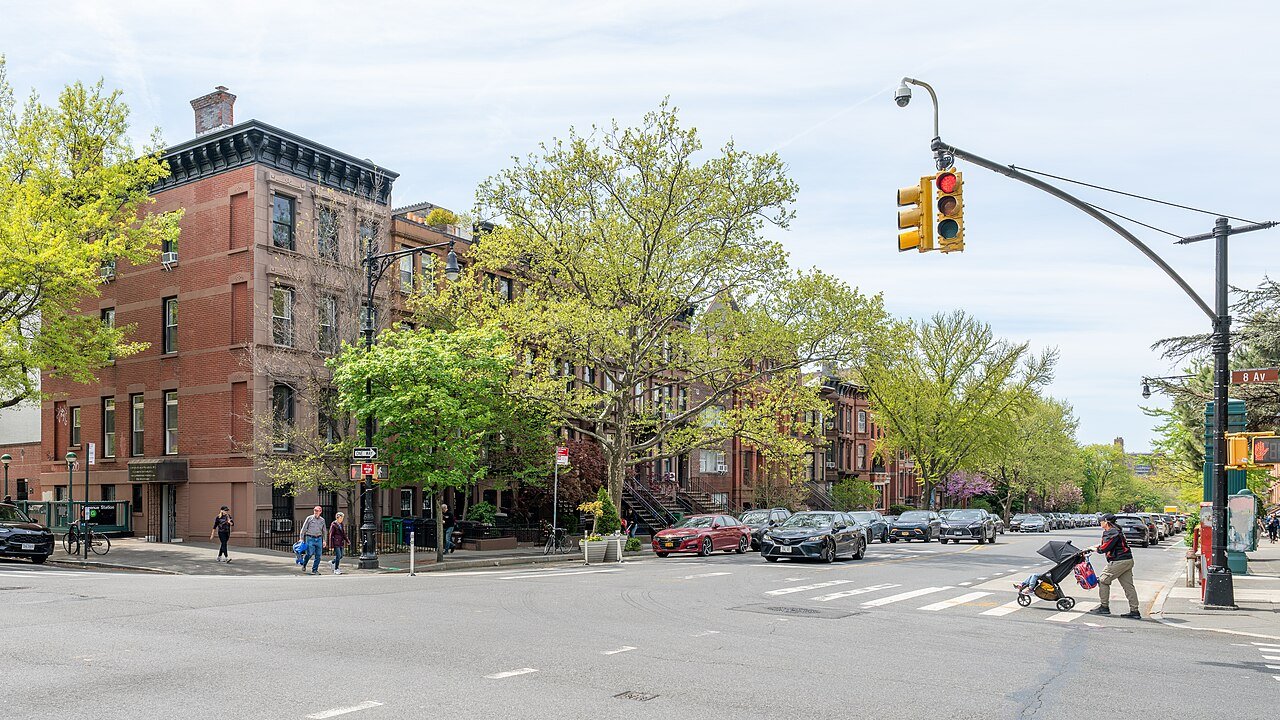
Park Slope led NYC’s August above-asking sales rankings. Explore the neighborhood’s numbers, its brownstone appeal, and what the asking price really tells you.
RockFarmer Properties has launched sales at The Veridian, a renovated 78-unit cooperative on the Bay Ridge waterfront, with studios from the $300,000s and a new rooftop skydeck overlooking New York Harbor.
Bonnie Haydon, mother of Vanessa Trump, has listed her three-bedroom condominium in Southampton’s Whitefield community for $3.75 million.
Marriott International and SomeraRoad have unveiled The Ritz-Carlton Residences, Brooklyn Heights, transforming the historic Hotel Bossert into the borough’s first branded residences.
A five-bedroom duplex penthouse at 40 East 19th Street in Flatiron has listed for $9,995,000 through Brown Harris Stevens, offering a 40-foot-wide living room, a two-level private terrace, and pre-war character throughout.
Barbara Tober hosted a kickoff tea on September 1 for the Denyce Graves Foundation’s Harvest Moon Gala, set for September 28 at Guastavino’s and honoring Ann Ziff, Misty Copeland, and Yannick Nézet-Séguin.
By Louise Phillips Forbes, Brown Harris Stevens

In today’s real estate market, the perfect property isn’t always move-in ready.
Buyers who are able to recognize short-term opportunities and long-term potential will understand that the true value of a property often lies beneath its current condition. The key is to look beyond immediate challenges and focus on the long-term rewards.
When taking on a renovation, it is important to differentiate between and then prioritize the must-dos and the would-be-nice-to-dos. Deciding this early on—and sticking with the plan—helps ensure that work is done efficiently and within budget, while still keeping an eye on the bigger picture.
I experienced this firsthand in 1993 when I toured an apartment with a client. The property needed, well, everything, and the project was much more than my clients would consider taking on. But I saw a diamond in the rough. At the time, I was relatively new to New York City, single, and eager to establish roots in the city that I had quickly fallen in love with.
Purchasing the apartment was the greatest gift I could have ever given myself—it was a testament to my independence and tangible recognition of my own self-worth. I staged the renovation over the course of several years, with each item checked off the list reinforcing the rewards of patience, perseverance, and sweat equity. The apartment not only became my home, but it also became the foundation for my future. Years later, I met my husband, and as our family grew, we were fortunate enough to purchase the apartment upstairs, allowing us to expand and reimagine our space.
Whether you’re planning to complete the work all at once or tackle it in stages, it’s important to carefully select the right professionals—an architect, a general contractor, or a real estate agent—who share your vision and can help make sense of the moving pieces.
It is also important to consider the cause and effect of factors like the cost of labor and materials that can change over time and how shifting construction codes, building policies, and governmental actions can impact the overall scope. For example, in 2019, I helped a client renovate a 2,700 square foot investment property for a cost of $430,000. Fast forward to this fall, the client completed the same exact renovation for $815,000.
Renovating a home can be incredibly rewarding, but it requires careful planning, strategic decision-making, and the ability to adapt to an ever-changing market. With the right mindset and the right team of professionals, a property that may appear to be a fixer-upper today can evolve into the home of your dreams tomorrow.
Louise Phillips Forbes is a top producing agent at Brown Harris Stevens and a 34-year industry leader with nearly $6 billion in sales and a list of awards to her credit.
Have a listing you think should be featured contact us or submit here to tell us more! Follow Off The MRKT on Twitter and Instagram, and like us on Facebook.
Marriott International and SomeraRoad have unveiled The Ritz-Carlton Residences, Brooklyn Heights, transforming the historic Hotel Bossert into the borough’s first branded residences.
A five-bedroom duplex penthouse at 40 East 19th Street in Flatiron has listed for $9,995,000 through Brown Harris Stevens, offering a 40-foot-wide living room, a two-level private terrace, and pre-war character throughout.
Park Slope led NYC’s August above-asking sales rankings. Explore the neighborhood’s numbers, its brownstone appeal, and what the asking price really tells you.
RockFarmer Properties has launched sales at The Veridian, a renovated 78-unit cooperative on the Bay Ridge waterfront, with studios from the $300,000s and a new rooftop skydeck overlooking New York Harbor.
Bonnie Haydon, mother of Vanessa Trump, has listed her three-bedroom condominium in Southampton’s Whitefield community for $3.75 million.
Marriott International and SomeraRoad have unveiled The Ritz-Carlton Residences, Brooklyn Heights, transforming the historic Hotel Bossert into the borough’s first branded residences.
A five-bedroom duplex penthouse at 40 East 19th Street in Flatiron has listed for $9,995,000 through Brown Harris Stevens, offering a 40-foot-wide living room, a two-level private terrace, and pre-war character throughout.
Barbara Tober hosted a kickoff tea on September 1 for the Denyce Graves Foundation’s Harvest Moon Gala, set for September 28 at Guastavino’s and honoring Ann Ziff, Misty Copeland, and Yannick Nézet-Séguin.





Marriott International and SomeraRoad have unveiled The Ritz-Carlton Residences, Brooklyn Heights, transforming the historic Hotel Bossert into the borough’s first branded residences.