A Tale of Two New York Markets: What Fall is Revealing
From renewed competition in some neighborhoods to greater leverage in others, fall is exposing just how divided New York’s real estate market has become.
Read MoreYour guide to New York real estate and more
Off The MRKT - Where New York's, Real Estate, Life Style, and Culture Converge
From renewed competition in some neighborhoods to greater leverage in others, fall is exposing just how divided New York’s real estate market has become.
Read MoreA record-setting Cobble Hill penthouse, a former eyeglass factory loft in the Financial District, and a Bushwick duplex with a patio made for Sunday mornings.
Read MoreTwo-bedroom homes are hitting a sweet spot this fall. Here are three standout new development condos in the $2 millions, from Hell’s Kitchen terraces to Williamsburg waterfront living and Upper West Side Hudson River views.
Read MoreWhen it comes to selling a home in the competitive real estate market, the exterior appeal of a property can greatly influence a potential buyer's decision. It is often the first impression that counts the most, and a well-maintained outdoor area can signal that the rest of the home is equally inviting. Here, we explore various outdoor upgrades that not only enhance aesthetic appeal but also boost property value.
Investing in large trees and thoughtful landscaping can remarkably increase your property’s worth. According to a report by The Real Daily, an industry news platform, properly maintained trees can elevate home values by up to 15%. This statistic underlines the importance of incorporating natural elements into outdoor spaces.
In addition to monetary benefits, lush landscaping enhances the ambiance of a home, offering a tranquil retreat for homeowners and guests alike. The presence of mature trees not only provides shade and reduces energy costs but also draws in eco-conscious buyers who value sustainability. By strategically planting trees and maintaining a flourishing garden, homeowners can significantly heighten the appeal of their property.
For real estate professionals, it is crucial to emphasize landscape design as a key selling point. A well-designed landscape can serve as a compelling visual tool during property tours. Showcasing how these natural elements integrate with the architectural design helps potential buyers envision their life there.
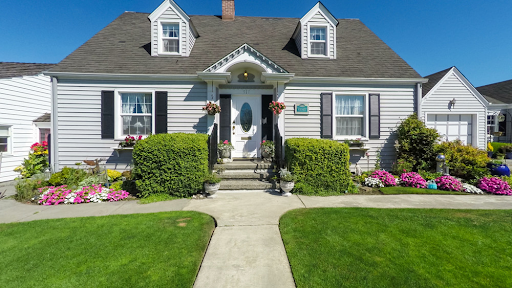
Curb appeal serves as the critical first impression for homes on the market. The National Association of Realtors reports that an overwhelming 97% of real estate agents recognize that top-notch curb appeal is indispensable in attracting active buyers. This highlights the compelling power of a well-presented exterior.
Paving walkways or installing new fixtures like exterior lighting can transform a property's look from outdated to inviting. Thoughtful color choices for exterior paint and a welcoming front door can also catch a buyer's eye. Each of these upgrades can project a sense of pride and upkeep, increasing buyer interest.
Moreover, the addition of outdoor living spaces such as patios or decks can enhance curb appeal and provide an additional functional area for potential buyers to enjoy. These spaces serve as extensions of the home, offering more reasons for prospective buyers to take interest. Effective use of space and design in the yard can set your property apart in the real estate market.
Incorporating hardscape elements like driveways can significantly uplift a home’s perceived value. According to Clever Real Estate, a well-paved driveway has the potential to increase property value by 5 to 10%. This makes such an investment not only visually pleasing but also financially wise.
Beyond the driveway, using stones or pavers for walkways provides structure and ease of maintenance. These features reduce erosion and improve drainage, which can protect the home’s foundation. Prospective buyers appreciate the durability and low-maintenance aspects of hardscaping, making it a valuable selling point.
While large features make a significant impact, smaller details such as garden edging or decorative rock features add refinement and style. The combined effect of these hardscape elements can create a cohesive look, heightening the overall aesthetic appeal of the property. Real estate sellers should highlight these enhancements to captivate potential buyers.
Outdoor upgrades such as strategic landscaping, attention-grabbing curb appeal, and durable hardscaping are essential strategies in attracting and impressing home buyers. As these improvements not only boost aesthetic appeal but also increase property value, they should be considered a worthy investment. For homeowners looking to sell, focusing on these upgrades can be the key to a successful property transaction in today’s real estate market.
Brooklyn co-op listings rose 31% in Q3 2026, giving buyers more options. A closer look at prices, monthly maintenance, and what the expanding supply means.
Read MoreA full-floor Gramercy Park home with a key to the park, a ten room Fifth Avenue classic, an Amagansett beach cottage, a designer-owned Tribeca residence, a Foley artist's renovated Normandy home, and a cast iron Tribeca loft.
Read MoreTransforming a bland “white box” into a luxurious, sophisticated home is no small feat. Yet, designer Melanie Morris effortlessly accomplished this in her recent project. With a keen eye for texture, lighting, and custom design elements, Melanie turned a New York apartment into a chic and inviting pied-à-terre. In this video tour, she walks us through the design decisions that elevated a blank canvas into a space brimming with character, comfort, and understated elegance.
The journey begins at the entryway, where Melanie immediately makes a bold statement with contrasting textures and materials. A concrete, resin, and brass console greets visitors, establishing a tone of refined sophistication. The look is completed with a sculptural piece by artist Charlie Patterson and a unique lamp by Incommon With. Lighting, as Melanie emphasizes, plays a significant role throughout the space, and the entryway is no exception—setting the stage for what’s to come.
Designing the main living area posed a unique challenge due to the space’s long, narrow dimensions and expansive walls of windows. But Melanie saw this as an opportunity to push the boundaries of traditional design.
“I wanted to maximize seating and make it as comfortable and inviting as possible,” she explains. The centerpiece of the room is a custom-designed Serpentine sofa that cleverly doubles as a dining banquet. Upholstered in a luxurious, stain-resistant cream fabric, the sofa curves gracefully around a rich walnut base, which seamlessly transitions into an integrated dining table.
Above, a sculptural fixture by Apparatus drapes across the ceiling, adding intimacy to the open space. The round dining table and leather chairs create easy circulation, while the green marble accents on the coffee table nod to the client’s love for the color, subtly weaving in personality.
The primary suite underwent a complete transformation, becoming a cozy, luxurious retreat that exudes the feel of a five-star hotel room. The walls were paneled in rich walnut, creating a warm, cocoon-like atmosphere. Custom-built millwork seamlessly integrates a dresser and vanity, providing both functionality and visual continuity.
Melanie softened the hard lines of the room by incorporating curves in the custom nightstands and headboard. Brass accents, handmade by Prusin Studio, elevate the millwork, while wall sconces flank the bed, washing the room in a soft, ambient glow. The attention to detail in the bedroom is a testament to Melanie’s skill in combining comfort and style, creating a space that feels both restful and refined.
Throughout the apartment, lighting serves as both a functional element and an art form. In the living room, sconces add elegance and balance to the space, while the ambient lighting in the bedroom panels highlights the rich textures and curves of the custom millwork. This meticulous attention to how light interacts with materials and shapes brings the entire project to life.
Melanie’s ability to transform a blank, characterless apartment into a home bursting with texture, warmth, and personalized details speaks to her expertise as an interior designer. The mix of custom furniture, unique lighting choices, and thoughtful use of materials achieves a balance between luxury and comfort that is rare to find.
By bringing in elements like sculptural furniture, eye-catching lighting fixtures, and sophisticated textures, Melanie successfully created a space that feels less like a temporary pied-à-terre and more like a cherished home. The result is a stylish haven that invites you to sink in, stay a while, and savor the art of thoughtful design.
Have a listing you think should be featured contact us or submit here to tell us more! Follow Off The MRKT on Twitter and Instagram, and like us on Facebook.
A record-setting Cobble Hill penthouse, a former eyeglass factory loft in the Financial District, and a Bushwick duplex with a patio made for Sunday mornings.
Two-bedroom homes are hitting a sweet spot this fall. Here are three standout new development condos in the $2 millions, from Hell’s Kitchen terraces to Williamsburg waterfront living and Upper West Side Hudson River views.
Brooklyn co-op listings rose 31% in Q3 2026, giving buyers more options. A closer look at prices, monthly maintenance, and what the expanding supply means.
Bette Midler turned The Glasshouse into an underwater fever dream for Hulaween on Horror Reef, raising over $2 million for New York Restoration Project with Cyndi Lauper on stage and Isaac Mizrahi judging the costumes.
From renewed competition in some neighborhoods to greater leverage in others, fall is exposing just how divided New York’s real estate market has become.
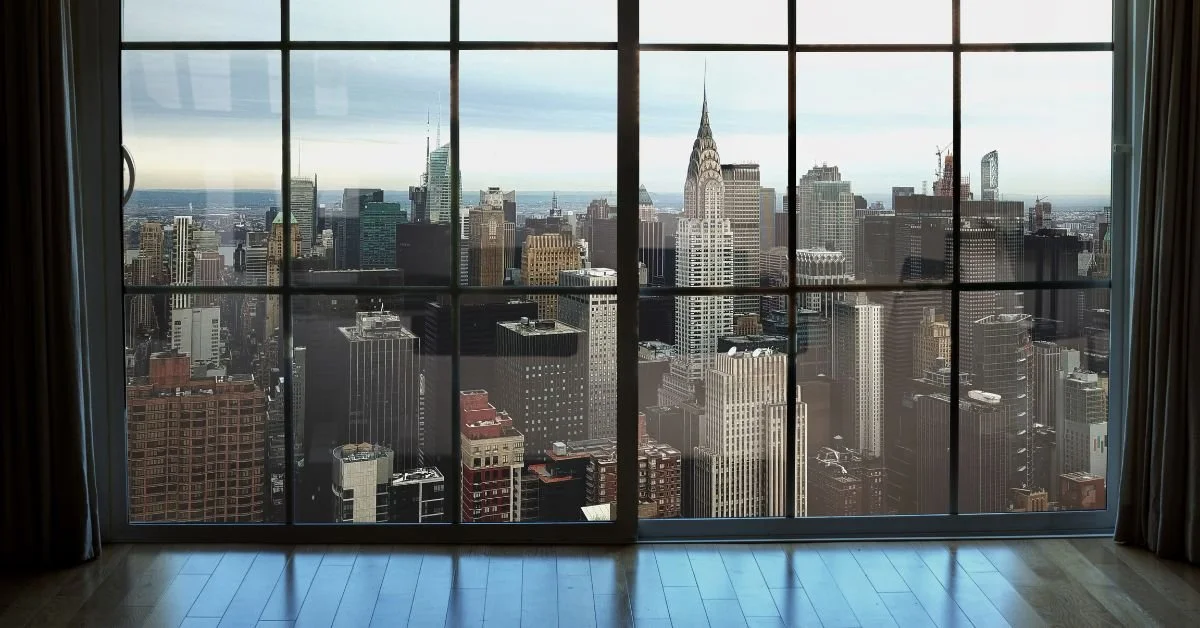
New York has no shortage of buildings that look expensive. Marble lobbies glow under perfect lighting, skyline views dominate the sales gallery, and rooftop lounges seem designed for a magazine spread. Still, a handsome first impression only takes you so far.
Once you look closely at the details that define a true NYC luxury tower, your attention shifts to what you experience every day. Privacy starts to matter more than another decorative lounge, and true luxury feels less like a sales pitch and more like a building that quietly gets everything right.
In Manhattan, privacy has real value. You already share the city with millions of people, so your home should give you some distance from all that movement. A well-designed luxury tower creates that separation before you even reach your residence.
Pay attention to the lobby during a showing. Does resident traffic flow smoothly, or does everyone funnel through the same crowded space?
Private and semi-private elevator landings also change the experience upstairs. You step out without walking through a busy corridor or passing half the floor on the way home. None of these details scream for attention during a tour, but after six months of living there, you notice every one of them.
A dramatic penthouse view loses some charm when you spend five minutes waiting to reach it. Luxury towers need elevator service that matches the number of residents.
Ask how many elevators serve the residential floors, then ask how the building handles service interruptions.
You should also find out whether movers and building staff use separate service elevators. If everyone depends on the same cars, a busy afternoon quickly turns into a lobby full of impatient residents.
The best elevator system becomes almost invisible. You press the button, the doors open, and your day continues.
Nobody walks into a penthouse and immediately asks about water pressure, but perhaps they should. Upper floors depend on building systems that maintain steady pressure as water travels higher, and when those systems struggle, a beautiful rainfall shower starts feeling far less impressive.
Understanding the cause of low water pressure on upper floors gives you one more useful question to ask before buying high above the street.
You do not need to spend the showing discussing pump systems with the broker. You only need confidence that the building delivers basic comforts as smoothly as the finishes suggest.
New York gives you plenty of noise for free. Your apartment should not add much more.
Stand quietly in the bedroom during a showing. Listen for hallway conversations or elevator movement. If the residence faces a busy avenue, pay attention to how much street noise reaches the glass.
Acoustic control affects the way a home feels after the novelty of the view wears off. You want enough separation that a neighbor coming home late does not become part of your evening, and a luxury tower should also soften the city outside without making the residence feel sealed away from Manhattan.
You should not spend your evening negotiating with the thermostat. Large windows give New York towers their drama, but all that glass changes the way rooms heat throughout the day, so a south-facing living area often behaves differently from a bedroom tucked farther inside the residence.
Good climate control accounts for those differences. During a showing, ask how you control temperature throughout the apartment. If one setting governs spaces with completely different exposures, comfort gets harder to manage.
Fresh stone and glossy cabinetry look convincing from across the room. Walk closer, and the best renovations hold up when you open doors and check transitions. Cabinetry should align cleanly, and doors should close smoothly without scraping the frame.
These are the NYC renovation details that matter because they tell you how carefully someone handled the work after the mood board disappeared.
Before you fall for a designer finish, ask whether the room works as elegantly as it looks.
A few details deserve your attention:
Flooring transitions that feel seamless underfoot
Interior doors with a solid, quiet feel
Lighting that suits how you use the room
Storage that fits naturally into the layout
Hardware with enough weight to feel substantial
You are paying for the experience of living there, not for the photographer's favorite angle.
Architecture makes the first impression, but staff members shape the next thousand. The strongest buildings handle small requests with calm efficiency. Staff members know the residents without turning every interaction into a performance.
You want attentiveness without hovering, and you want someone to solve the problem before you spend half an hour chasing the right person.
For affluent buyers, time carries its own value. A building team that removes small annoyances from your day contributes as much to the luxury experience as the lobby materials.
Luxury developments love ambitious amenity packages. A screening room sounds impressive, and so does a golf simulator, but you should ask yourself how often you would use either one.
The strongest amenity spaces reflect the way residents live. A serious fitness center earns its square footage. Does the space feel large enough for the building? Does the furniture make sense? Would you want to spend time there after the novelty wears off?
Luxury does not come from collecting the longest amenity list in Manhattan. A shorter list of spaces you genuinely enjoy carries far more value.
The best New York towers stop trying so hard once you walk through the door. You feel the quality when the apartment stays quiet, the elevator arrives before impatience sets in, and the doorman handles your guest smoothly so you can keep your evening going.
Once you understand the details that define a true NYC luxury tower, dramatic views and impressive finishes start sharing the spotlight with something more important: how well the building supports your life.
A skyline view gets you through the door, but the experience makes you want to stay for the long term. That is the mark of a true NYC luxury tower.
First look inside Fouquet's Residences in the Miami Design District: 40,000 square feet of amenities by RDAI, the Hermès store designers, plus a direct line to the 85-key hotel below.
Read MoreTwo penthouses are for rent at 210 South 12th in Philadelphia, the Midwood tower where Eagles star Cooper DeJean lives, with a first-of-its-kind EV automated garage.
Read MoreManhattan’s $3 million to $5 million homes posted strong sales growth in Q3 2026. Explore the numbers, apartment examples, and what this luxury budget can buy.
Read MoreWith $10 million-plus sales at a record pace, the Miami buildings worth watching are the few actually delivering in 2027. Meet The Perigon, Shell Bay and Tula Residences.
Read MoreA gutted-and-gorgeous Cobble Hill townhouse, a Frank Lloyd Wright apprentice's Connecticut masterpiece, a full-floor NoMad home above Madison Square Park, and a conservatory penthouse in Gramercy.
Read MoreResidence 7GH at The Apthorp, an 8,400-square-foot never-lived-in home with interiors by Katherine Newman Design, is listed for $49.995 million with Douglas Elliman.
Read MoreSales are underway at 44 West 8th Street, a 50-foot-wide, five-residence Greenwich Village condo off Washington Square Park with full-floor homes from $9.75 million.
Read More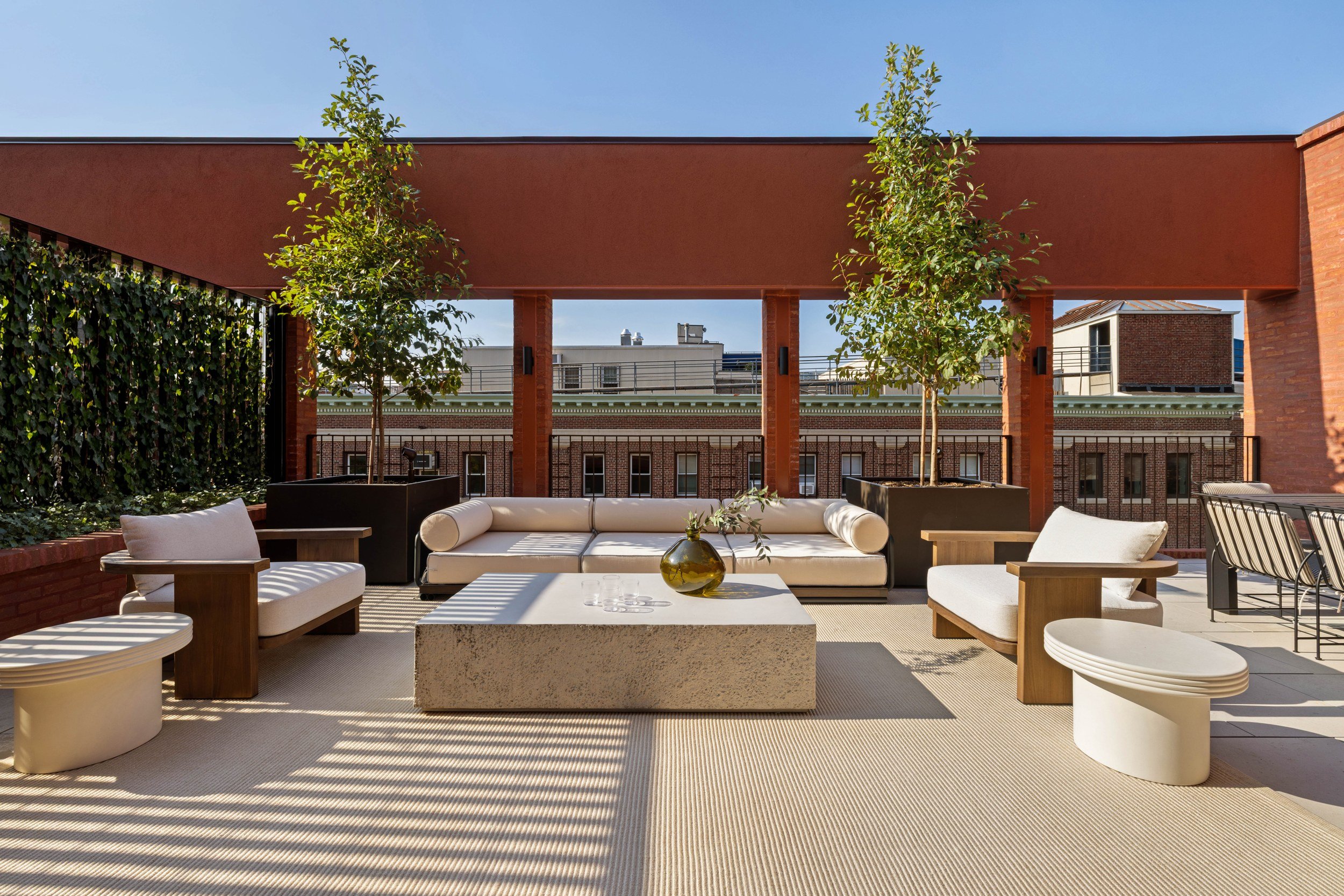




From renewed competition in some neighborhoods to greater leverage in others, fall is exposing just how divided New York’s real estate market has become.