
Top Commercial Contractors in New York City
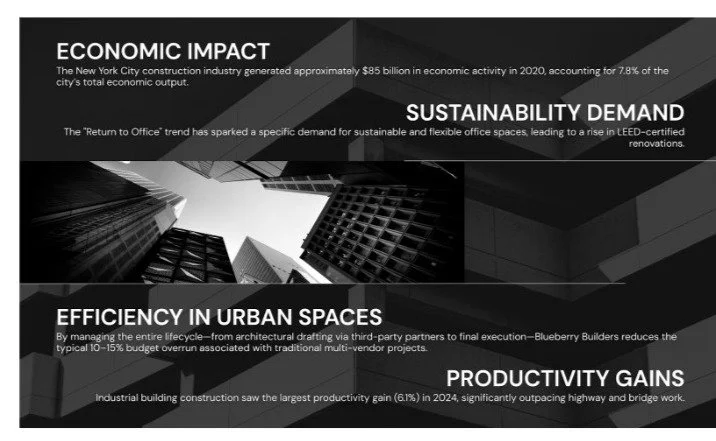
A commercial interior build-out in New York City can run anywhere from roughly $150 to $500+ per square foot depending on project type — office, retail, and restaurant work all price out differently, and the contractor you choose determines whether that budget produces a space that holds up under daily use or one that needs to be redone in three years. New York City has never had a shortage of general contractors. What it has always had a shortage of is contractors who can genuinely execute at the level that serious design demands.
The gap between a firm that can deliver a code-compliant commercial interior on schedule and one that can preserve the design intent of a thoughtfully conceived space through demolition, rough work, MEP coordination, custom fabrication, and final finish is the gap that separates a contractor from a construction partner.
For architects and interior designers working in New York’s commercial sector, that distinction is not an abstraction. A contractor who reads a set of drawings as a production checklist rather than a design document will find a way to close the ceiling before the low-voltage rough-in is validated, substitute a millwork profile when the specified material has a two-week lead time, or let a finish tolerance slide on a surface that will be viewed at close range every day.
These are not hypothetical scenarios. They are the ordinary failure modes of commercial construction, and they are why the firms at the top of this sector are built differently from those that simply fill the gap between design completion and occupancy.
The contractors shaping the best commercial interiors in New York City share a set of characteristics that have less to do with size or marketing and more to do with how they are structured, who they put on site, and how seriously they take the relationship between the build and the design.
What follows is an honest assessment of what that standard looks like; and five NYC commercial contractors consistently associated with demanding commercial work.
What sets NYC’s top commercial contractors apart
1. Design literacy at the field level
The clearest signal of a contractor’s quality is not visible in portfolio photography. It is present in the people they put on site.
A project superintendent who has been trained to read design intent, not just construction documents, and will make different decisions when conditions change (which they always do in NYC commercial work). They will understand why a particular substrate preparation sequence matters to the final tile appearance, rather than treating it as overhead.
Firms that employ architecturally trained staff, or that deliberately cultivate design literacy across their project management teams, produce a fundamentally different quality of finished space. The custom metalwork reads as intended.
The millwork joints hold their tolerances. The limewash application has the depth and variation the designer specified.
The relationship between material selection and construction execution is particularly pronounced in NYC, where the building stock demands a level of technical and aesthetic fluency that Off The MRKT has explored in depth in its coverage of the building materials shaping the city’s skyline.
2. Regulatory command as a project management tool
NYC’s commercial construction permitting environment is among the most complex in the country.
With NYC Department of Buildings permit requirements a typical commercial interior build-out can require simultaneous DOB filings across general construction, mechanical, plumbing, sprinkler, electrical, and in some cases fire suppression, each with its own inspection sequencing and sign-off requirements.
A contractor who approaches this environment reactively, filing as issues arise rather than mapping the full compliance sequence before work begins, will create schedule exposure at the worst possible moment: during the final weeks of a project, when a client’s opening timeline is no longer adjustable.

The firms worth working with treat regulatory compliance as a construction deliverable, not an administrative afterthought. They build permit sequencing into the critical path from day one and flag potential filing complications during pre-construction, before the lease is signed and drawings are finalized. That pre-construction investment is not overhead. It is schedule protection.
3. Pre-construction discipline as a risk management practice
The most expensive mistakes in commercial construction in New York are not made during construction. They are made before construction starts—in the form of decisions deferred, conditions un-investigated, and contingencies un-budgeted.
Pre-construction planning, done properly, involves:
a thorough existing conditions assessment that confirms what is actually above ceilings and behind walls (not what drawings imply)
a permit mapping exercise that sequences all required filings in advance
a budget that accounts for concealed conditions NYC buildings routinely produce
Contractors who invest in this phase produce projects with fewer change orders, more accurate initial budgets, and timelines that hold under real site conditions.
For architects and designers whose client relationships depend on delivering within budget and on schedule, this discipline may be the single most important operational quality to verify before a contractor is selected.
Top 5 NYC commercial contractors to know
1. Blueberry Builders
Among high-end general contractors in NYC, Blueberry Builders occupies a specific and well-documented position. Founded in 2010 and headquartered in Lower Manhattan, the firm has built its reputation across more than a decade of high-end restaurant, hospitality, retail, health and wellness, and office work throughout
Manhattan and Brooklyn, with a client base that includes Hyatt, Maison Kayser, L’Artusi, Versace, and Rosa Mexicano.
What the portfolio demonstrates, to a design team evaluating a construction partner, is not simply range. It is the capacity to execute at the finish level that brands and designers at that tier require.
The L’Artusi Supper Club build in the West Village (2024), completed in collaboration with Elizabeth Bolognino Interiors, involved limewash paint, large-format stone flooring, custom storefront and glazing work, and a full MEP scope, delivered within a compressed schedule.
The Hyatt Union Square buildout, a 10,000 sq ft renovation encompassing the Bowery Road restaurant and the Library of Distilled Spirits bar, was completed in five weeks within an operational hotel, with custom cabinetry, copper bar fabrication, grain-matched ash wall paneling, and a multi-ton chandelier installation executed without disrupting hotel operations.
The Maison Kayser gut renovation in Downtown Brooklyn required multi-agency MEP coordination within a century-old courthouse building, custom Moroccan tile installation, and custom steel and glass partition fabrication, all to a specification tied to a specific brand aesthetic that could not be compromised.
These are not projects that reward contractors who treat drawings as production checklists. They are projects where design intent is embedded in the material selections, fabrication tolerances, and finish sequences—and where any departure from that intent reads in the finished space.
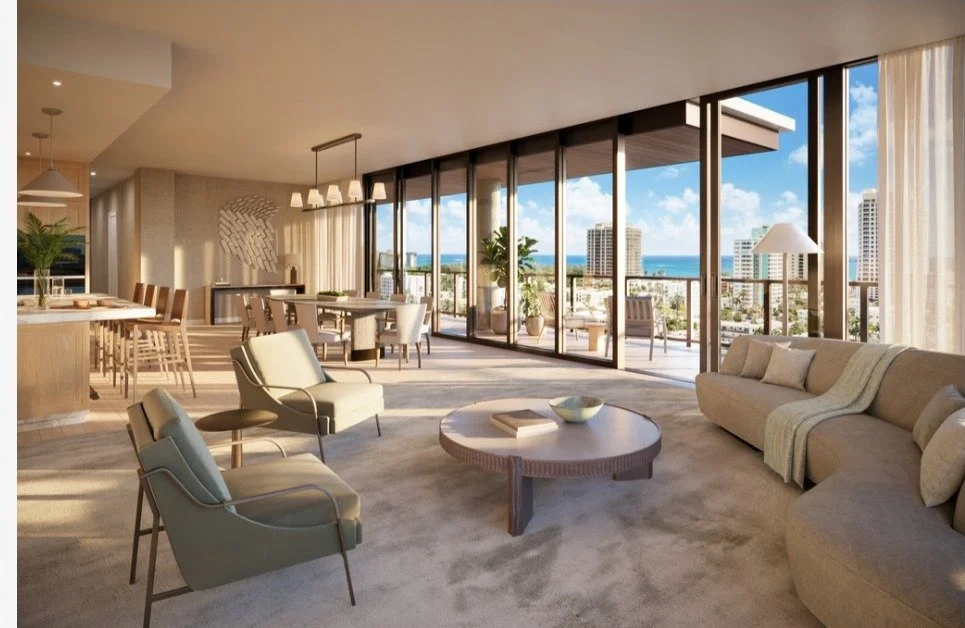
Afterall. The standard of craft visible in the city’s most celebrated residential towers…is the product of construction teams disciplined enough to execute at the level the design demands.
2. Structure Tone (STO Building Group)
Structure Tone is a familiar name in NYC commercial interiors, often considered for projects where the coordination burden is heavy and the schedule matters.
For design teams, the practical takeaway is that firms with deep interior experience tend to bring stronger systems for sequencing trades, managing site constraints, and keeping stakeholders aligned when the job gets complex.
Best fit: office interiors, complex renovations, stakeholder-heavy projects.
3. J.T. Magen
J.T. Magen is another established NYC player in the commercial interiors world. Firms with long-running NYC operations often differentiate through repeatable pre-construction workflows, cost clarity, and the ability to execute in buildings with strict logistics, access, and operational requirements.
Best fit: premium commercial interiors where pre-construction rigor and schedule discipline are central.
4. Shawmut Design and Construction
Shawmut is frequently considered for commercial build-outs that require consistent execution, structured project management, and a strong field presence. For designers, the value tends to show up in coordination: fewer avoidable sequencing mistakes, clearer documentation, and tighter control over finish delivery.
Best fit: commercial interiors with demanding timelines and high coordination complexity.
5. JRM Construction Management
JRM is known in the commercial interiors category and is often associated with corporate interior work. For design teams, firms in this lane can be especially relevant when projects involve tenant improvement work, standardized rollouts, or multiple sites where process matters as much as craft.
Best fit: corporate interiors, tenant improvements, multi-location programs.
What Does a Commercial Build-Out Cost in NYC?
Commercial build-out costs in New York City vary sharply by project type. Office fit-outs run some of the highest in the country: Cushman & Wakefield’s 2026 Office Fit Out Cost Guide puts NYC hard construction costs at roughly $220 per square foot, with all-in costs (soft costs, IT/AV, furniture) reaching $330 per square foot, ranking third nationally behind San Jose and San Francisco. Retail build-outs generally run lower, with NYC’s mid-tier retail projects typically landing in the $150-$245 per square foot range for hard costs alone (add roughly 8-15% for soft costs and 5-10% for contingency). Restaurant and hospitality projects sit at the top of the range, commonly $200-$500+ per square foot depending on finish level, given the concentration of MEP work, custom fabrication, and kitchen infrastructure involved.
Permits and Timeline: What to Expect
Most commercial interior fit-outs in NYC are filed under an ALT2 permit, which covers partitions, ceilings, mechanical distribution, and general interior work; projects that touch occupancy, egress, or structural elements require the more involved ALT1 filing. Beyond the core alteration permit, a typical build-out also requires separate filings for electrical work (by a licensed master electrician), plumbing (by a licensed master plumber), sprinkler/standpipe work, and fire alarm systems (a separate FDNY filing). Review timelines vary by filing path: ALT2 permits typically clear in 4-8 weeks through standard plan review, or as little as a few days to two weeks through Professional Certification; ALT1 filings, which require a full DOB plan exam, generally take 8-12 weeks. Total project timelines from permit to completion commonly run three to six months or more, depending on scope, MEP complexity, and whether the building involves landmark or multi-agency coordination — which is exactly why the pre-construction discipline described above matters as much as it does.
Questions worth asking when evaluating commercial contractor in NYC
For architects and designers who have reached the point of contractor vetting, a set of specific questions tends to surface the operational qualities that matter most:
How does the firm handle pre-construction investigations in buildings where as-built drawings may not reflect actual conditions?
What is the superintendent-to-project ratio, and how is design intent communicated to field staff when conditions require a decision?
How does the firm manage permit sequencing across multiple simultaneous DOB filings?
Can the firm provide three references from completed projects with a comparable finish level and timeline?
The answers to these questions, more than any portfolio page or project photography, reveal whether a contractor has the organizational depth to deliver complex commercial work in New York City at the standard that serious design demands.
Frequently Asked Questions
How much does a commercial build-out cost per square foot in NYC?
It depends heavily on project type. Office fit-outs average around $220 per square foot in hard construction costs (up to $330 all-in), retail build-outs typically run $150-$245 per square foot for mid-tier projects, and restaurant/hospitality build-outs range from $200 to $500+ per square foot given the added MEP and kitchen infrastructure involved.
How long does it take to get a commercial construction permit in NYC?
Most interior fit-outs are filed under an ALT2 permit, which typically clears in four to eight weeks through standard DOB review (or faster through Professional Certification). Projects requiring an ALT1 filing — for occupancy, egress, or structural changes — generally take eight to twelve weeks for a full plan exam.
What questions should I ask before hiring a commercial contractor in NYC?
Ask how the firm handles pre-construction investigations in buildings where as-built drawings may not reflect actual conditions, what its superintendent-to-project ratio is, how it manages permit sequencing across multiple simultaneous DOB filings, and whether it can provide references from projects with a comparable finish level and timeline.
Why do NYC commercial construction projects go over budget or schedule?
The New York Building Congress’s 2025-2027 outlook points to rising material costs (steel tariffs, expanded aluminum duties), elevated financing costs, and declining labor efficiency as the biggest pressures on non-residential projects right now — on top of the concealed-conditions risk that’s always present in older NYC building stock.
Final Thoughts
New York City produces a large number of contractors. It produces a considerably smaller number who build at the level that makes the design worth executing in the first place.
As you shortlist firms for your commercial build-out, renovation, or ground-up project, look beyond the portfolio photos. Prioritize teams that can show a repeatable process: realistic schedules, transparent budgets, strong subcontractor networks, proactive compliance, and the kind of documentation that keeps approvals, inspections, and handoffs moving.
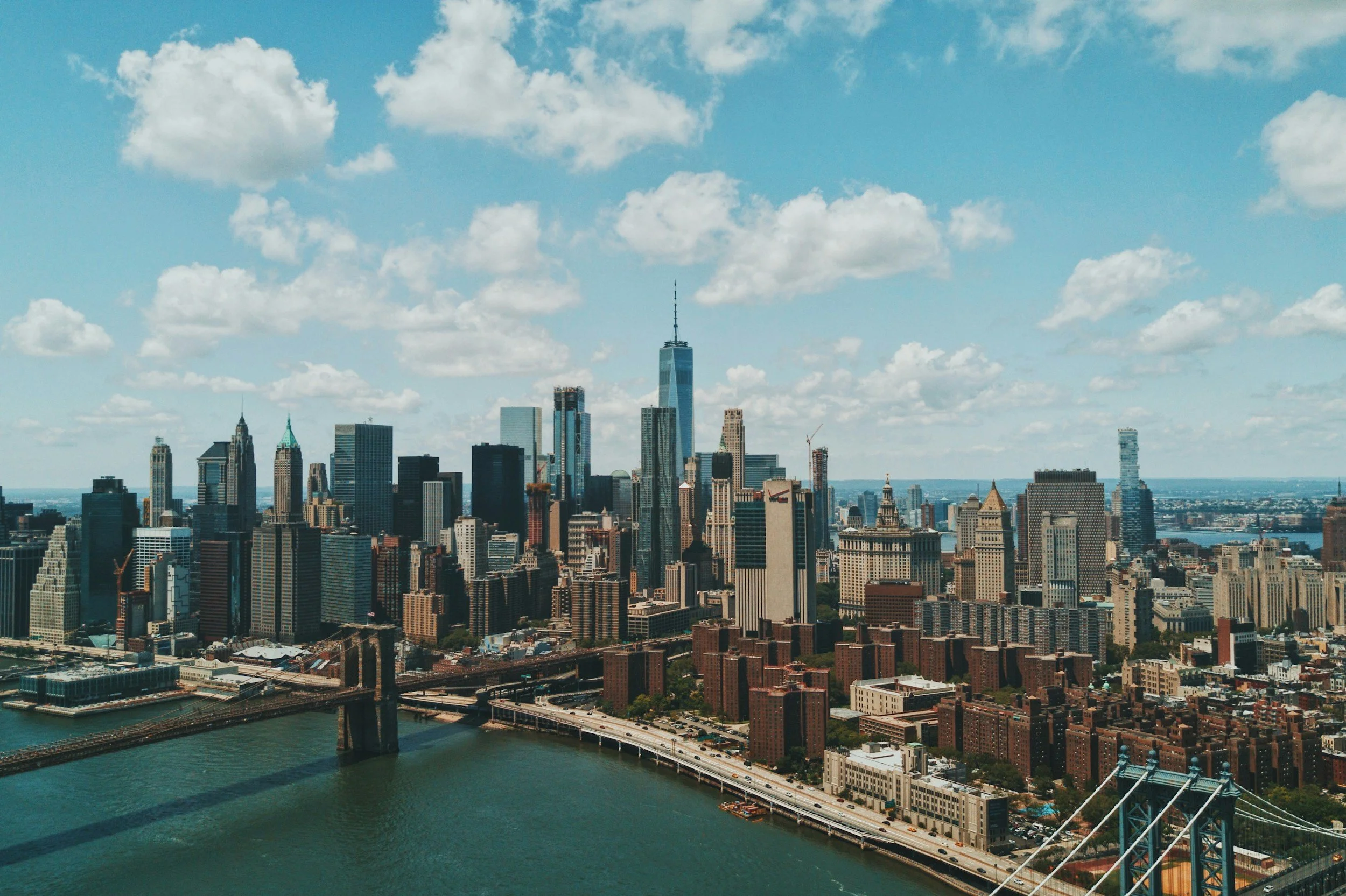
The best commercial contractors in NYC combine technical depth with operational discipline. They understand the city’s constraints and still deliver spaces that perform, on day one and for years after. With the right partner, your project becomes less about putting out fires and more about building with confidence.
For readers navigating the broader landscape of New York’s design, real estate, and lifestyle market, Off The MRKT’s lifestyle guide remains the most comprehensive reference point.
Have a listing you think should be featured contact us or submit here to tell us more! Follow Off The MRKT on Twitter and Instagram, and like us on Facebook.


On a serene block in Manhattan’s Upper East Side, where tradition is measured in limestone and symmetry, designer Vicente Wolf has rewritten the rules of what it means to live beautifully.