Pros and Cons of Living in a High-Rise Building

Living in a high-rise building in New York City offers a unique experience unlike any other. The sweeping views of the skyline and numerous amenities can make high-rise living an attractive option for many apartment dwellers. For those who enjoy being in the heart of the city, a high-rise offers the chance to be part of a vibrant community.

However, high-rise living comes with its own set of challenges. Issues like noise, elevator wait times, and higher costs are important to consider. It’s crucial for potential residents to weigh both the benefits and the drawbacks to determine if this lifestyle is the right fit for them.

If you're wondering whether a high-rise apartment suits your lifestyle, this article will guide you through the essential points to consider. Understanding the pros and cons will help you make an informed decision about embracing a high-rise dwelling, ensuring it aligns with your personal needs and preferences.

Advantages of High-Rise Living

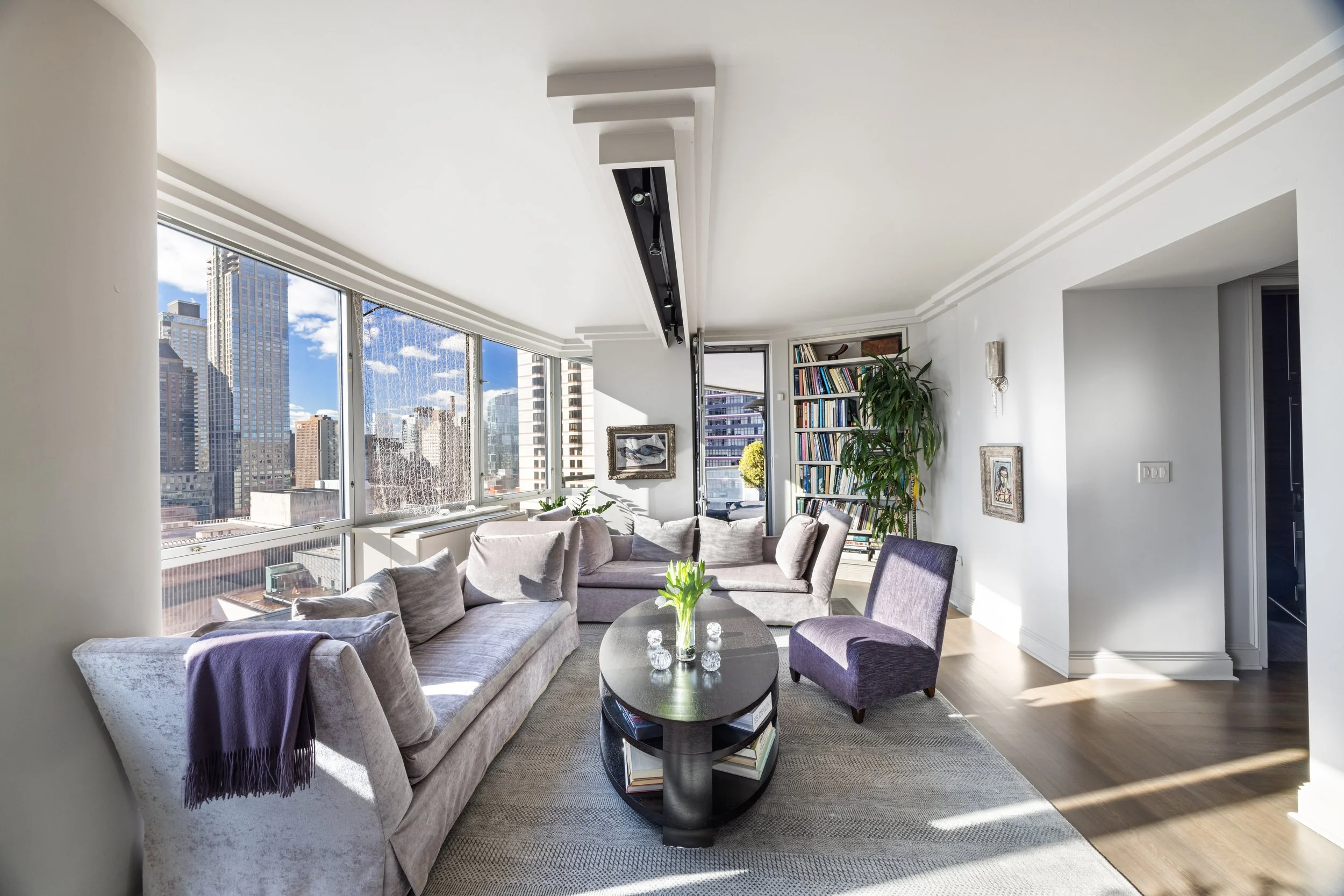
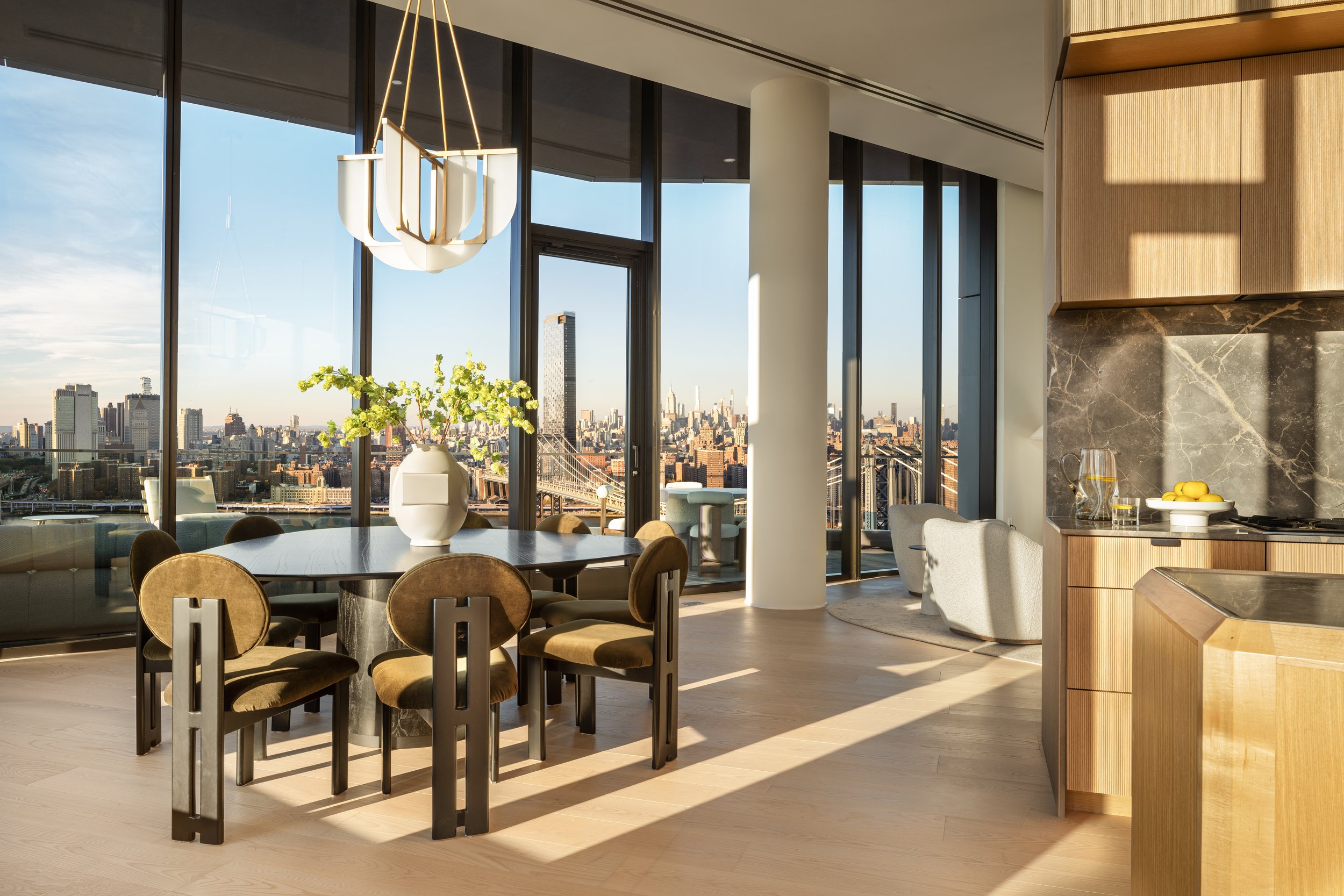
One of the most exciting perks of living in a high-rise is the stunning views. High up in the sky, you get a unique perspective of New York City’s iconic skyline. Watching sunrises and sunsets from your window or balcony can become a daily delight, offering a picturesque start and end to your day. This bird’s-eye view of the bustling city is an amazing backdrop for both relaxation and inspiration.

High-rise buildings often come with a range of modern amenities that enhance lifestyle quality. Many high-rises feature fitness centers, swimming pools, and rooftop gardens that residents can enjoy without leaving the building. Other common amenities include 24-hour concierge services, communal lounges, and dedicated parking spaces. These luxury features are designed to provide convenience, comfort, and entertainment right at your doorstep.

Privacy and security are also enhanced in high-rises. Many buildings employ full-time security personnel and advanced access systems to ensure that residents feel safe at all times. Controlled entry points and surveillance cameras contribute to a secure living environment. The fewer shared walls and floors typically lead to less noise intrusion, offering a more peaceful and private living space compared to low-rise accommodations.

Disadvantages to Consider

Living in a high-rise has its drawbacks, which are important to consider when deciding if it’s the right choice for you. Noise can be a significant issue. Although some high-rises offer less internal noise, street sounds can travel up more than you’d expect. Additionally, smaller outdoor spaces, or the complete lack thereof, may deter those who enjoy gardening or entertaining outside.

Elevator wait times can be frustrating, especially during peak hours when everyone is rushing to or from work. Sometimes, maintenance can slow down service, causing unwanted delays. It’s not just a matter of time; sometimes, dealing with crowded elevators becomes an inconvenience, especially for those on higher floors.

Another potential downside includes the costs associated with high-rise living. Utility bills might increase due to larger spaces and the need for enhanced heating and cooling systems. Homeowners Association (HOA) fees are typically higher and can include unexpected assessments, which might catch some residents off guard. Balancing these expenses with the lifestyle benefits is a critical consideration for future high-rise dwellers.

Impact on Lifestyle

Living in a high-rise can bring about significant changes to your daily routine. One key influence is the routine of using elevators instead of stairs, which might add a bit of time to your schedule, especially during peak hours. The convenience of on-site amenities, such as gyms and concierge services, can make day-to-day activities more streamlined, offering easier access to workouts and package retrievals without leaving the building.

High-rise living can also expand your social circle. Being in a larger building community often provides more opportunities to meet neighbors and join building events or clubs. This environment fosters a sense of community and connectedness that is unique to high-rise living. Residents might engage in social gatherings in communal spaces, which can be a great way to make new friends in the city.

Access to urban conveniences is another lifestyle perk. Most high-rises are situated in bustling areas with restaurants, shops, and entertainment options just a short walk away. This convenience can save time and make urban living more enjoyable. The proximity to public transportation is a bonus, making it easy to traverse the city and beyond, adding more value to your high-rise experience.

Weighing the Options

When considering high-rise living, it’s important to weigh specific factors to ensure it matches your lifestyle. Consider the financial aspect, including potential costs beyond rent, like utility bills and HOA fees. Evaluate whether the amenities offered align with your personal needs and if the building’s location suits your daily commute.

If you decide to embark on a high-rise lifestyle, adapting comfortably is key. Utilize building amenities to their fullest, and take time to explore social opportunities, whether through events or informal neighbor chats. Elevate your new high-rise experience by organizing your schedule with potential delays, like elevator wait times, in mind.

Balancing the pros and cons allows for an informed decision. Consider what aspects are most important to you, and align them with the realities of high-rise living. By understanding your priorities and lifestyle needs, you can make the most out of your decision to live in a high-rise, ensuring it enhances your city living experience.

Conclusion

High-rise living in New York City presents a captivating blend of benefits and challenges that require thoughtful consideration. From mesmerizing city views to convenient lifestyle boosts through amenities, the allure of high-rise apartments can be compelling. Yet, potential downsides like noise levels and associated costs need acknowledgment. Carefully evaluating how these elements impact your lifestyle is essential for making a well-rounded housing decision.

Living in such environments can offer an enriched lifestyle, with a mix of solitude and community interaction. Whether you're drawn to the social potential or the urban conveniences, your high-rise choice should reflect your unique preferences and necessities. Understanding these dynamics paves the way for an enriched and rewarding experience within the high-rise landscape of NYC.

For those eager to explore this unique living style further, Off The MRKT is your guide to New York City's residential real estate market and lifestyle. Delve into our resources and insights to learn more about the high-rise living experience, tailored to transform your urban lifestyle. Discover what NYC has in store for your next exciting home choice!

Dealing with Drafty Windows in Your NYC Apartment

Living in a New York City apartment has its perks, but dealing with drafty windows isn’t one of them. These pesky drafts can make your living space uncomfortably cold during those chilly winter months. Feeling a cold breeze inside or noticing a spike in your heating bills often points to the need for window attention.

Drafts do more than just bring in a chill—they can significantly impact your comfort at home and inflate energy costs. Addressing these issues promptly is key to maintaining a cozy atmosphere. Fortunately, whether you're a renter or homeowner, there are various strategies to tackle drafty windows effectively.

By exploring both quick fixes and more permanent solutions, you can improve your apartment's insulation and overall warmth. Enhancing your windows doesn't just provide relief from the cold; it also boosts energy efficiency, leading to savings in the long run. Taking steps to manage drafty windows helps create a comfortable living environment, even when winter winds howl outside.

Identifying Drafty Windows

Drafty windows are a common problem in many NYC apartments, causing discomfort and increased heating bills during the colder months. These drafts typically occur due to older window installations or insufficient seals that let cold air seep through, making it harder to maintain a cozy home environment.

Recognizing a drafty window can be straightforward if you know what to look for. Some clear indicators include feeling sudden drafts of cold air near windows, even when they are closed. If you notice your curtains or blinds subtly moving when the window is shut, this might be a sign of a draft. High utility bills over the winter months can also suggest drafts might be contributing to excessive energy use.

The impact of these drafts extends beyond just a chilly room. They compromise home comfort by letting the warm air escape, forcing your heating system to work overtime to keep the temperature stable. Consequently, this increased workload on your heater raises energy costs, leaving you with higher monthly bills. By identifying drafty windows early on, you can take steps to address the issue and improve both comfort and efficiency in your apartment.

Quick Fixes for Drafty Windows

There are several quick and temporary solutions you can apply to minimize drafts in your windows without committing to significant renovations. For a start, you can use window film insulation kits, which are easy to install and create an additional barrier against cold air.

Another simple fix is to use draft snakes, which can be placed along the window sills. These are usually long rolls of fabric filled with foam or another insulating material. Besides being a quick solution, they also add a quaint charm to your decor.

Weatherstripping and caulking are also effective methods for sealing up gaps in your windows. Weatherstrips line the edges of windows to block air leaks while caulking fills in the smaller gaps and cracks around window frames. Both options are affordable and can significantly reduce drafts.

Consider easy DIY hacks like using rolled-up towels at the base of windows to block airflow or sealing gaps with clear nail polish in an emergency. These fixes are perfect for renters who may not be able to make permanent changes to their living space. By applying these temporary solutions, you can quickly improve the warmth and efficiency of your apartment, making the winter months more enjoyable without breaking the bank.

Long-Term Solutions for Better Insulation

For those seeking more permanent solutions, investing in storm windows or upgrading to energy-efficient windows can make a significant difference. Storm windows provide an extra layer of insulation, effectively reducing drafts and outside noise. They are a practical solution for older buildings where replacing windows might not be an immediate option. On the other hand, energy-efficient windows are designed with advanced technology to minimize heat loss, making them a smart choice for reducing utility costs over time.

Sometimes, addressing drafty windows may require professional intervention. Hiring a professional service for window repair or replacement ensures that the job is done correctly, enhancing the overall insulation of your apartment. Professionals can assess your windows' condition, recommend the best course of action, and execute repairs that might be beyond the scope of DIY tasks.

Regular maintenance and inspections are crucial to prevent drafts from returning. Inspect your windows periodically to ensure seals are intact and mechanisms function properly. Over time, even the smallest cracks can lead to larger issues, so addressing them early can save you money and keep you cozy throughout the colder months.

Enhancing Comfort with Window Treatments

Window treatments are a versatile way to enhance comfort and reduce drafts without major renovations. Thermal curtains or heavy drapes can help retain warmth by providing an additional layer of insulation against the cold glass of windows. These window coverings are not only functional but also come in various styles to fit any decor.

Layering different types of window treatments can further improve insulation. Consider using a combination of curtains and blinds. Blinds help trap air and provide a layer of protection, while curtains can be drawn for extra warmth. This layering technique also gives you flexibility in controlling light and privacy.

Getting creative with window treatments can complement your interior design while tackling draft issues effectively. Consider using floor-to-ceiling curtains to create an elegant look that also covers more surface area, reducing drafts. Roman shades add a sophisticated touch and work well in blocking airflow. By choosing the right combination of treatments, you enhance both aesthetics and practicality in your living space.

Conclusion

Addressing drafty windows in your NYC apartment involves both quick fixes and long-term strategies. By understanding the nature of drafts and employing a combination of solutions, you can significantly improve your living environment. Draft management becomes an important aspect of maintaining your apartment’s comfort level during the chilly winter months. Whether you choose temporary fixes, long-term investments, or stylish window treatments, each step contributes to a more pleasant and energy-efficient home.

Start considering the small changes you can make today. For more detailed tips and advice on how to create the perfect NYC living space, visit Off The MRKT. We provide insights on making your home stylish and comfortable all year round. Check out our articles and learn how to enhance your New York lifestyle one step at a time.

Brown Harris Stevens Residential Management Names Richard Horovitz President of the Company

Brown Harris Stevens Residential Management, LLC announces that Richard Horovitz has been named President of the company. In this role, Horovitz will oversee the BHS Residential Management, LLC company as well as an extensive portfolio of cooperatives and condominiums in Manhattan’s most desirable buildings.

“Richard’s depth of experience both at Brown Harris Stevens and in the greater hospitality industry makes him a natural fit for the role of President,” stated Chief Operating Officer Alan J. Kersner. “His dedication to customer service and strong business acumen will help grow our division while continuing exceptional service for our existing clients.”

Richard Horovitz joined the company in 2016 and most recently served as its Co-President. Previously, he worked for several hotel groups in operational and service management roles.  Horovitz earned a Hotel, Restaurant and Business Management degree from Purdue University.

“I am grateful to take on this new endeavor at Brown Harris Stevens where I have spent the past decade working for Brown Harris Stevens’ premier residential management company,” said Mr. Horovitz.  “I look forward to continuing the company’s 150-year legacy of excellence for many years to come.”

Paul J. Herman, who previously served as President of BHS Residential Management, LLC will step into a consultant role as Chief Strategy Officer.


Have a listing you think should be featured contact us or submit here to tell us more! Follow Off The MRKT on Twitter and Instagram, and like us on Facebook.

Brooklyn's Crown Jewel: The $19.5M Penthouse at Olympia DUMBO Redefines Luxury Living

Brooklyn has officially claimed its spot at the pinnacle of luxury living with the unveiling of its most expensive condominium. Penthouse B at Olympia DUMBO has hit the market at an eye-watering $19.5 million, offering an unparalleled living experience in one of New York City's most dynamic neighborhoods.

Photo Credit: Pavel Bendov

A Residence Above All Else

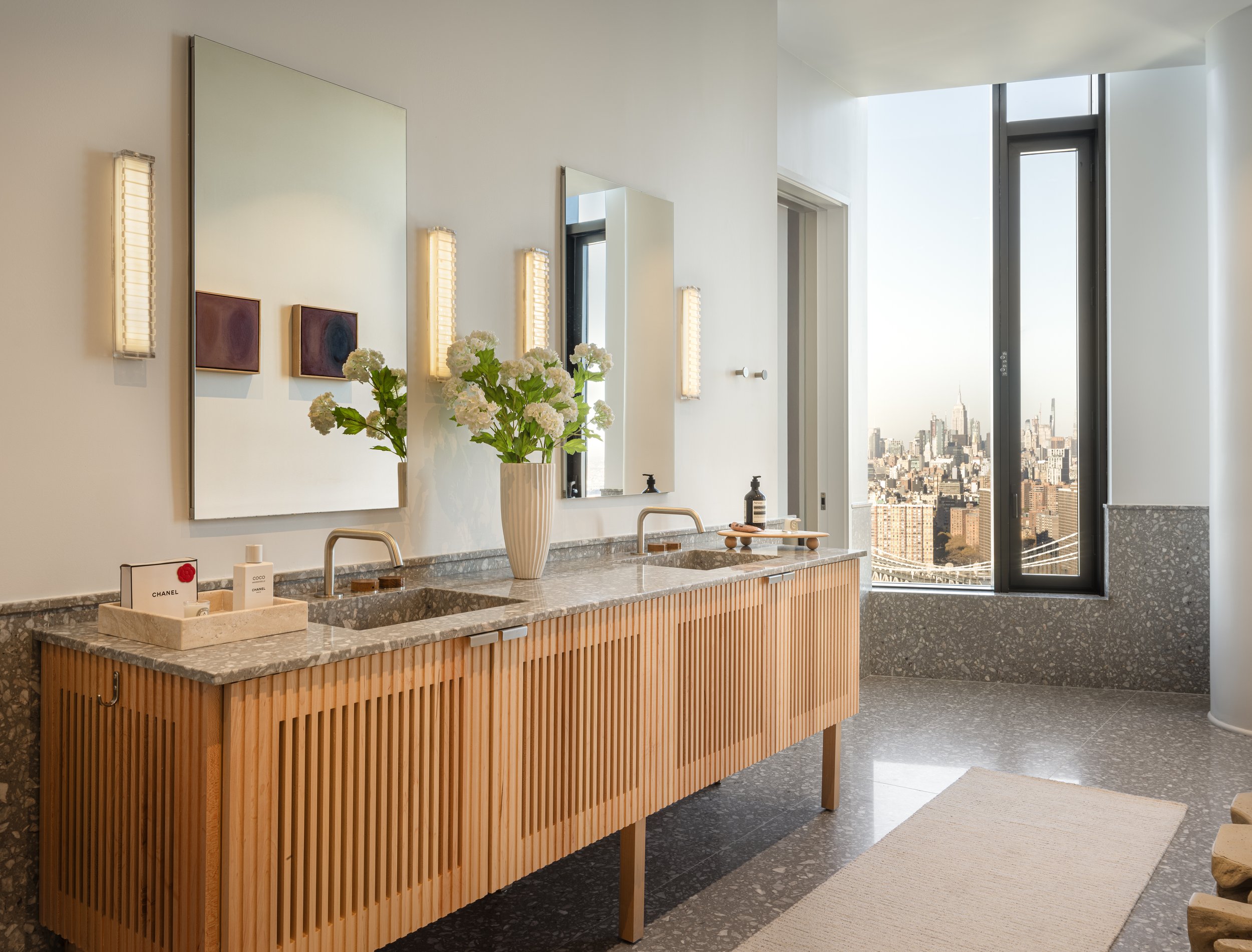
Perched atop the 32nd floor of the sail-like Olympia DUMBO, Penthouse B spans a full 4,928 square feet, with five bedrooms, four-and-a-half baths, and a private 552-square-foot terrace boasting breathtaking views of the Brooklyn Bridge, Manhattan skyline, and New York Harbor. Designed by Interior Marketing Group, the home masterfully balances tone, texture, form, and scale.

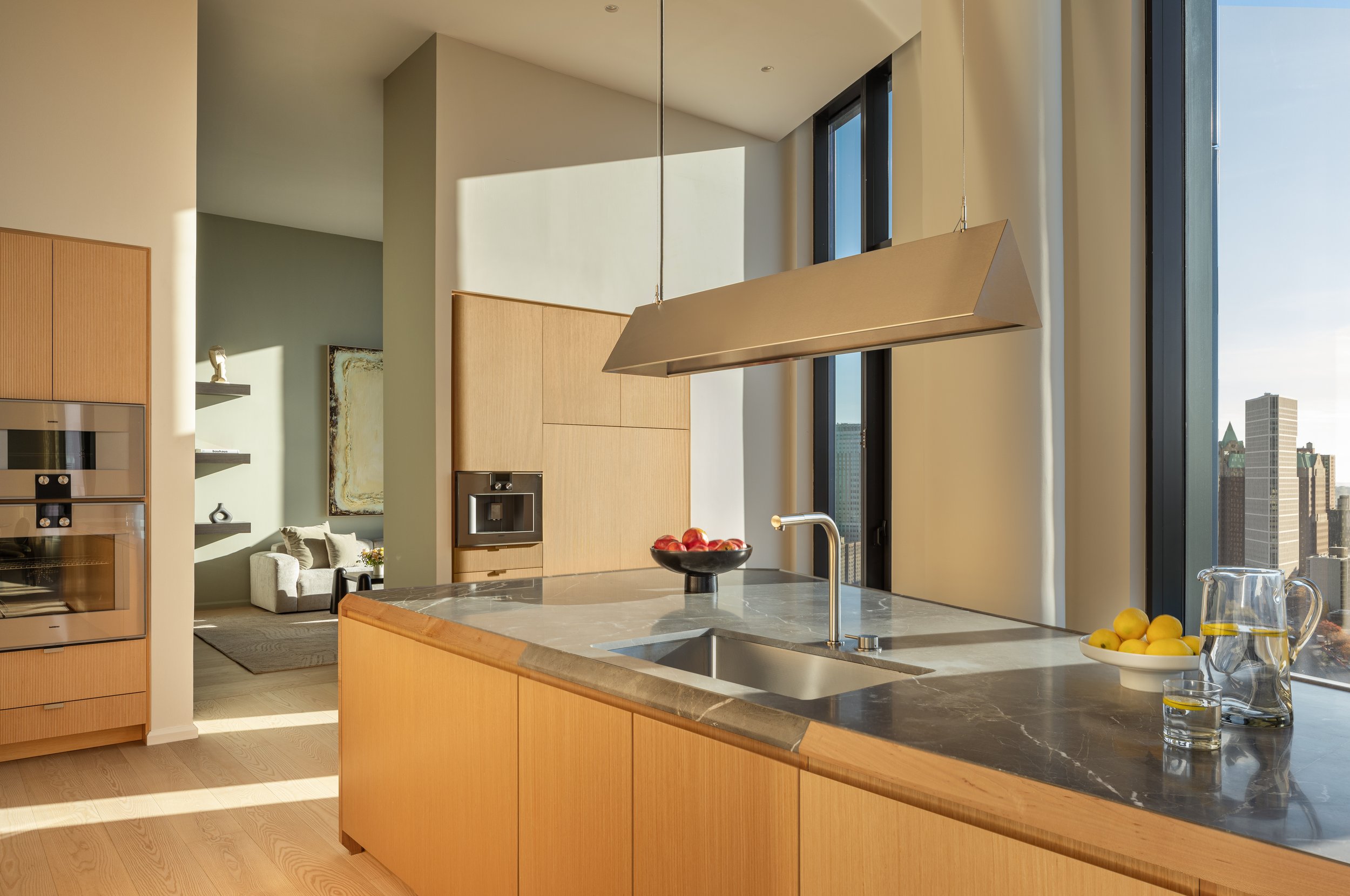
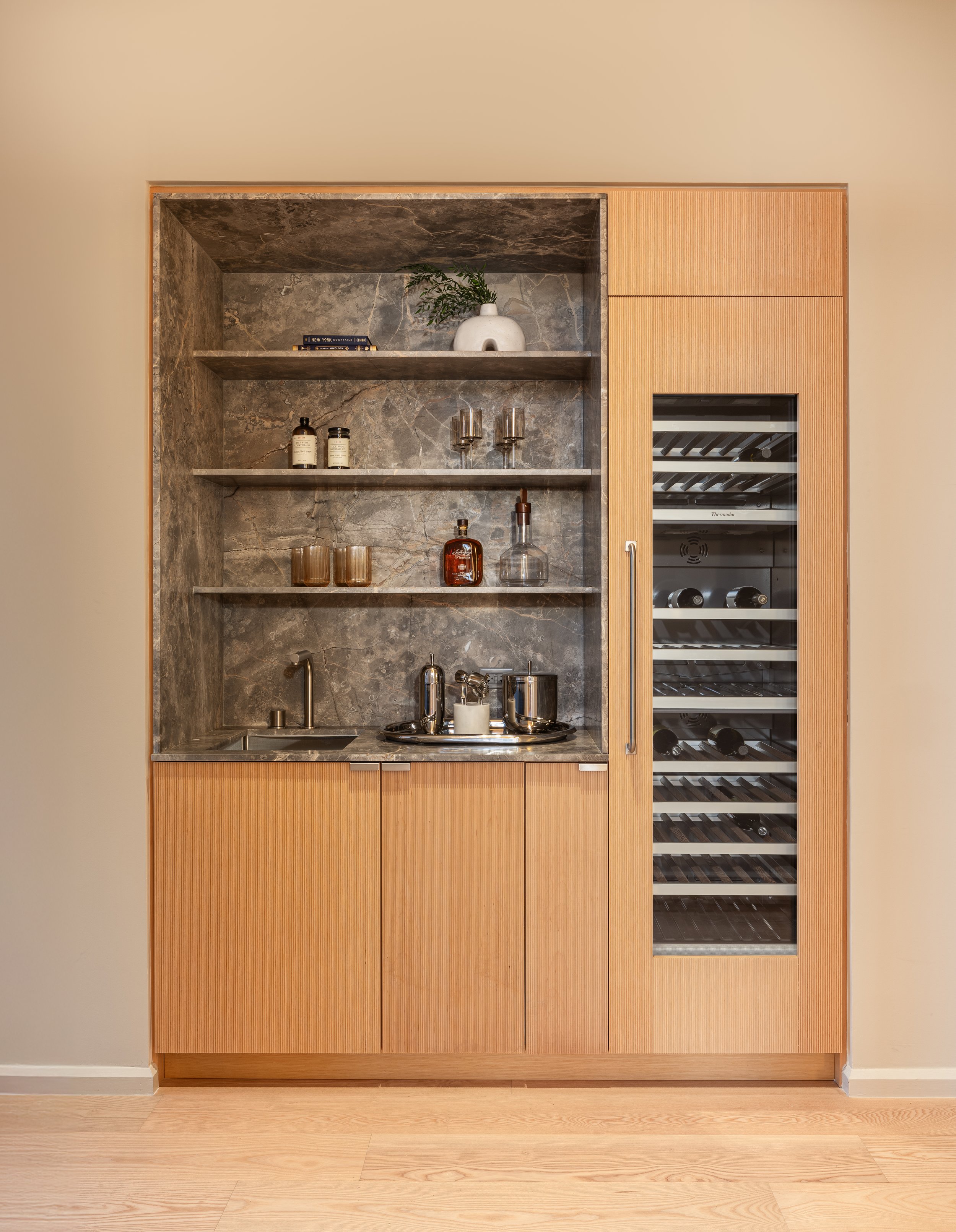
Arriving via a private elevator to a dedicated landing, residents are greeted by a formal foyer and gallery that lead to sun-drenched living and dining areas. The Workstead-designed kitchen is both a functional and aesthetic triumph, tucked away for privacy but no less luxurious, featuring Fior di Bosco stone, raked maple cabinetry, and Gaggenau appliances.

The primary suite, with double walk-in closets and a seven-fixture bathroom, offers unparalleled comfort. Dual showers, a freestanding soaking tub, and a dedicated dressing area create a space as functional as it is opulent.

Olympia DUMBO: Redefining the Neighborhood

Developed by Fortis Property Group and designed by Hill West Architects, Olympia DUMBO is a 33-story tower that stands as a testament to modern design and innovation. The building, which is already over 50% sold, offers 76 meticulously crafted residences starting at $1.75 million, ranging from one-bedroom homes to expansive penthouses like Penthouse B.

Residents enjoy a host of world-class amenities spread across three floors. From indoor and outdoor pools to NYC’s highest private outdoor tennis court, a fitness center curated by GRONK Fitness, and even a juice bar, Olympia DUMBO provides a lifestyle of unparalleled convenience and luxury. Families will appreciate the shipwreck-themed playground and water park, ensuring that the youngest residents are as delighted as the adults.

A Celebrity Magnet

Olympia DUMBO has already attracted a roster of high-profile residents, including Joe Jonas, Brooklyn Nets star Ben Simmons, and Oscar-winning songwriting duo Kristen Anderson-Lopez and Robert Lopez. With its prime location, stunning views, and an array of luxury features, it’s easy to see why this building is a beacon for the elite.

Related: NYC's Elite Residences: Top Buildings Where Celebrities Live

Industry Experts Weigh In

“With breathtaking panoramic views that stretch from harbor to skyline, meticulously curated design, and unparalleled privacy, this penthouse redefines what it means to live in Brooklyn,” says John Gomes of the Eklund | Gomes Team at Douglas Elliman.

Karen Heyman of Sotheby’s International Realty highlights the penthouse’s unique kitchen layout, which seamlessly integrates functionality and style: “This penthouse takes a different approach, tucking the kitchen away while still preserving an open, airy feel and stunning views.”

Interior Marketing Group designer Katherine Anderson describes the penthouse as a space where every detail tells a story. “Each room invites a tactile experience, balancing grandeur with intimacy. From the plush upholstery to the curated accessories, every element enhances the views and soaring window heights, making it both visually captivating and effortlessly livable.”

A New Standard for Brooklyn

For years, DUMBO has been synonymous with industrial charm and artistic flair, defined by its historic loft conversions. But Olympia DUMBO raises the bar, ushering in a new era of modern luxury living that rivals Manhattan’s most iconic properties.

As Jessica Peters of The Jessica Peters Team at Douglas Elliman puts it: “The elevator opens directly onto your private floor and into a beautifully designed atrium. Soaring ceilings and natural light from three exposures make every moment in this home feel like being on top of the world.”

The Final Word

With its perfect blend of modern design, unparalleled amenities, and breathtaking views, Penthouse B at Olympia DUMBO is not just a home—it’s a lifestyle. For those who demand the best in Brooklyn and beyond, this $19.5 million penthouse stands alone as the borough's ultimate living experience.

For inquiries, Penthouse B is exclusively represented by Douglas Elliman and Sotheby’s International Realty teams.


Have a listing you think should be featured contact us or submit here to tell us more! Follow Off The MRKT on Twitter and Instagram, and like us on Facebook.

What Rights Do You Have as a Tenant in New York City?

Living in New York City offers the promise of vibrant culture and endless opportunities, but it also comes with the complexities of navigating a crowded housing market and the rights and responsibilities that come with being a tenant. Whether you're renting a cozy apartment in the heart of Manhattan or a quiet unit in Queens, understanding your rights as a tenant is essential to maintaining a fair and safe living environment. In this article, we’ll explore some of the most important tenant protections in New York City, covering everything from theft and eviction to heating and cooling costs.

Protection From Theft and Property Damage


One of the fundamental rights of any tenant is protection against theft and damage to personal property. In New York City, if someone unlawfully takes or damages your belongings, you have legal recourse. Theft of property or services can lead to serious criminal charges, particularly if the stolen items are of significant value. In New York, theft that involves property or services worth between $1,000 and $1,500 is considered a Class B felony, which can result in serious legal consequences. If the value exceeds $1,500, the theft is classified as a Class A felony, carrying even harsher penalties.


As a tenant, it's important to understand that your landlord has a duty to protect your property as part of the implied warranty of habitability. This means that landlords must provide a safe living environment, which includes secure locks, working alarms, and properly maintained entryways to reduce the risk of theft. If your property is stolen due to negligence on the part of the landlord—such as failing to fix broken locks or gates—you may be able to seek damages through a lawsuit. Always report any concerns to your landlord and keep documentation of incidents to protect your interests.


The Eviction Process and Your Legal Protections


Eviction is another significant concern for tenants in New York City. In a city where the demand for housing often outstrips supply, many residents face the threat of eviction due to missed payments or other disputes with landlords. However, tenants in New York have significant legal protections when it comes to eviction, and landlords must follow a strict legal process to evict a tenant.


According to recent data from Gothamist, in 2022, over 12,000 residential evictions were carried out by city marshals in New York City. This number highlights the significant number of residents facing eviction, yet it’s important to note that tenants cannot be evicted without due process. Under New York law, landlords must provide proper notice and obtain a court order before evicting a tenant. In addition, tenants cannot be forcibly removed or have their belongings taken without a formal legal procedure.


If you're facing eviction, it's critical to understand your rights. Tenants have the right to a hearing, the right to challenge an eviction in court, and in some cases, the right to emergency rental assistance. If you feel you have been wrongfully evicted or if you're at risk of eviction, it's essential to consult with a tenant advocate or attorney to ensure that your rights are upheld.


Your Right to Basic Amenities


In New York City, one of the most important tenant rights involves heating and cooling. Due to the city's often extreme weather, landlords are required to maintain certain temperature conditions within rental units. During the winter months, landlords must ensure that apartments are heated to a minimum of 68 degrees Fahrenheit during the day and 55 degrees at night, if the temperature falls below freezing outside. In the summer, tenants have the right to expect that their apartments will have adequate cooling systems, such as air conditioning or other means to prevent heat-related illness.


Heating and cooling can also be a significant portion of a tenant's utility bills. According to energy.gov, about 43% of a home’s energy costs go toward heating and cooling. As such, it’s important to know how your utility bills are structured and whether your landlord includes utilities as part of your rent or if you’re responsible for paying separately. If you're paying for heating and cooling, be sure to monitor your energy usage and contact your landlord if you notice any issues with heating or air conditioning systems.


If your apartment is too cold in the winter or unbearably hot in the summer, and the landlord is not addressing the issue, you have legal avenues to address it. Tenants can file complaints with the New York City Department of Housing Preservation and Development (HPD) or take the issue to court if necessary. The city also offers resources for tenants facing heating and cooling problems, especially during extreme weather conditions.


Conclusion


Understanding your rights as a tenant in New York City is crucial to ensuring a safe and fair living environment. From protection against theft and property damage to understanding the legal eviction process and knowing your heating and cooling rights, it’s clear that tenants are entitled to a range of protections. By staying informed and proactive, you can safeguard your rights and take appropriate action if your living conditions are not being met. Always remember that legal resources, including tenant advocacy groups and legal aid organizations, are available to help tenants assert their rights and protect their interests in this complex urban landscape.