What Size Garage Does Your Property Need? Key Points to Consider for Storage and Leisure

In modern real estate, a garage is no longer just a place to park vehicles; it’s an extension of the home’s lifestyle promise. From protecting cars to supporting hobbies, wellness routines, and organized storage, the right garage size can elevate both daily living and long-term property value. Choosing the ideal garage requires thoughtful consideration of how the space will be used today and how it may evolve in the future.

Vehicle Capacity and Long-Term Flexibility

At its core, a garage must comfortably accommodate vehicles, but today's homeowners often think beyond the basics. Oversized SUVs, luxury sedans, electric vehicles, and collector cars all require additional clearance—not only for parking, but also for door swing, charging stations, and ease of movement.

Garages are also a common expectation in modern housing. According to Consumer Affairs, data based on U.S. Census Bureau figures suggests that as of 2021, 66% of American households had access to a garage or carport, underscoring how standard this feature has become in residential properties. In high-end real estate, however, the bar is higher. A single-car garage may feel insufficient, while a three- or four-car garage offers flexibility for multi-vehicle households, visiting guests, or future acquisitions.

Planning for flexibility is key. Even homeowners who currently own fewer vehicles may appreciate extra space down the line: for a classic car, a recreational vehicle, or simply additional storage without compromising parking comfort. A generously sized garage also enhances resale appeal, signaling foresight and functionality to discerning buyers.

Storage Needs Beyond the Home Interior

One of the most overlooked aspects of garage sizing is storage. Seasonal décor, sporting equipment, wine collections, tools, and outdoor furnishings often end up competing for space with vehicles. Without adequate planning, even a large garage can feel cluttered and inefficient.

Research from Garage Living indicates that 50% of homeowners consider the garage the most disorganized area in their home. This highlights the importance of designing garages with storage in mind from the outset. For high-end properties, this means incorporating built-in cabinetry, wall-mounted systems, overhead racks, and designated zones for specific items.

A larger garage footprint allows homeowners to maintain a clean, showroom-like appearance while still accommodating practical storage needs. For estates with landscaped grounds, pool equipment, or outdoor entertaining areas, additional garage space can serve as a discreet storage solution that preserves the home’s overall aesthetic. Thoughtful sizing ensures that storage enhances convenience rather than becoming a source of visual or functional clutter.

Lifestyle, Leisure, and Multi-Use Design

In modern homes, garages increasingly double as lifestyle spaces. Beyond parking and storage, they may function as home gyms, workshops, golf simulators, or creative studios. These multi-use designs require additional square footage, higher ceilings, and upgraded finishes to support comfort and usability.

An Impulse Research survey reported by krcgtv.com found that 55% of Americans spend about one to two hours per week in their garage engaging in hobbies or personal activities. This trend reflects a broader shift toward flexible living spaces that support wellness and personal interests.

For homeowners who envision the garage as an active part of daily life, size matters. Allocating space for both vehicles and leisure activities prevents compromise. Features such as climate control, enhanced lighting, soundproofing, and durable flooring further blur the line between garage and living space. A well-sized garage can become a private retreat that complements the home’s interior amenities.

Selecting the right garage size is about more than square footage; it’s about aligning the space with lifestyle, organization, and future growth. From accommodating luxury vehicles and streamlined storage to supporting hobbies and wellness routines, a thoughtfully sized garage enhances both functionality and property value.

Every detail matters in modern real estate. A garage that is spacious, flexible, and purposefully designed reflects a home that anticipates its owners’ needs and elevates everyday living. When planned correctly, the garage becomes not just an accessory, but a defining feature of an exceptional property.


How to Find Quiet Neighborhoods in New York City

Finding a peaceful place to call home in New York City can feel like a dream for many. With its bustling streets, vibrant nightlife, and constant activity, NYC is a city that never stops. However, amidst the hustle and bustle, there are pockets of calm and serenity waiting to be discovered. Knowing where to look can make all the difference in enjoying a tranquil urban lifestyle.

Quiet neighborhoods offer more than just an escape from the noise. They provide a sense of community and a slower pace, enhancing overall well-being. These areas often have unique features like beautiful green spaces and thoughtful design that help maintain their peaceful nature. Whether you're searching for a new home or just curious about quieter areas, understanding how to identify these neighborhoods can greatly enhance your city living experience.

Understanding What Makes a Neighborhood Quiet

Several factors contribute to the peace and quiet of a neighborhood. Noise regulations play a big role, with some areas enforcing stricter rules on noise pollution to keep disturbances in check. Green spaces, like parks and gardens, can also absorb sound and act as buffers against city noise. These areas provide tranquility and enhance the quality of life, offering spaces for relaxation and recreation.

Traffic patterns significantly affect noise levels. Neighborhoods with less traffic or those designed with cul-de-sacs and reduced speed limits typically experience lower noise pollution. The presence of commercial activity also can elevate noise levels. Areas with numerous shops and restaurants might be vibrant, but they can also be noisy, particularly during rush hours.

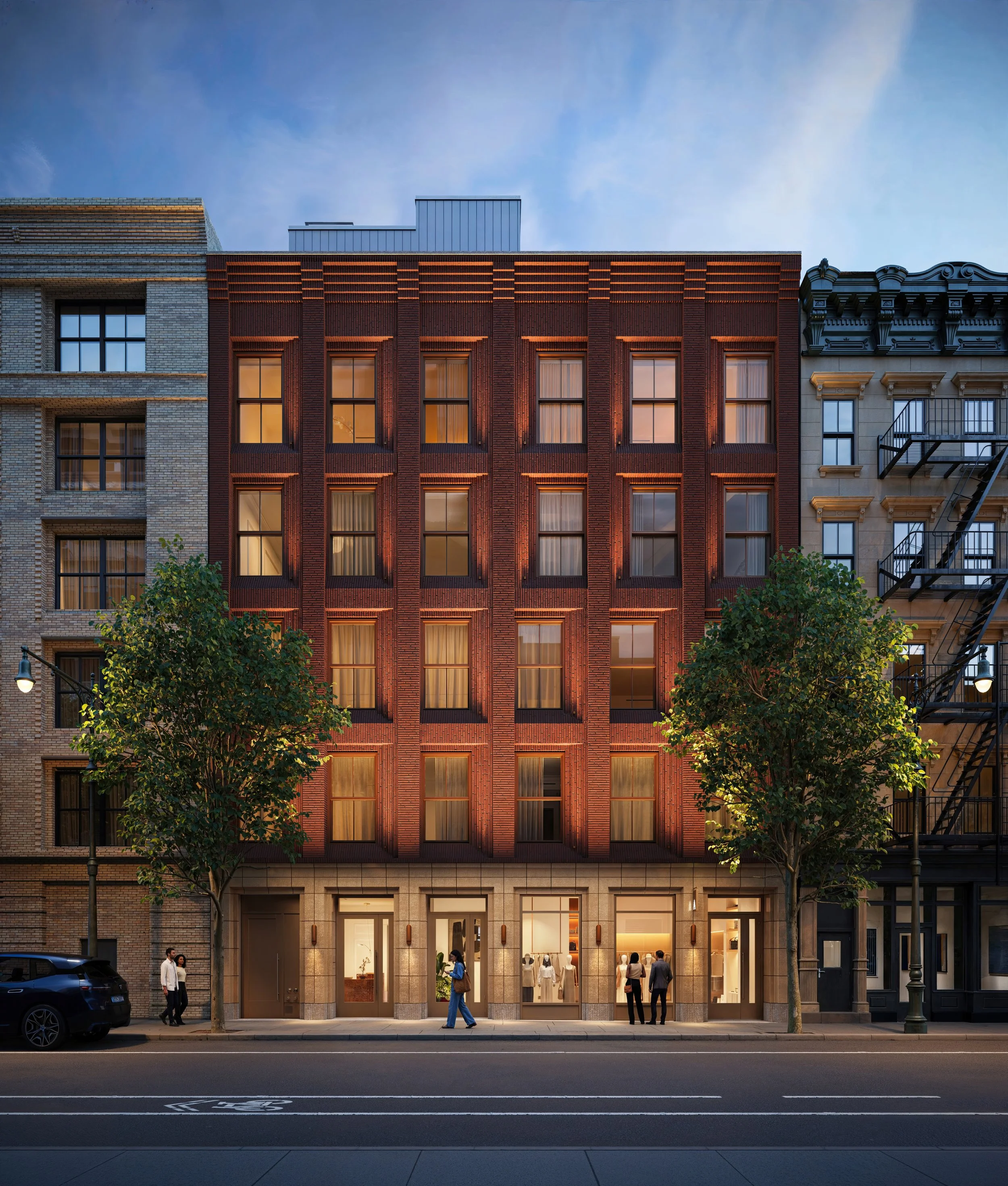
The construction and layout of buildings can further influence noise levels. Solid building materials like brick and concrete are better at blocking sounds, and strategically placed apartments, such as those facing away from streets, can be quieter. Buildings with soundproofing technologies or those that use design elements like double-glazed windows also help reduce indoor noise, creating a more peaceful living environment.

Top Quiet Neighborhoods to Consider

Several NYC neighborhoods are renowned for their tranquility. Here’s a list of some of the best areas where peace reigns over chaos:

1. Battery Park City: Nestled by the Hudson River, this neighborhood offers scenic views and green spaces. It's separated from the traffic chaos of Manhattan with its parks and waterfront walks.

2. Riverdale: Located in the Bronx, Riverdale boasts leafy streets and a suburban feel. It's known for its quiet residential areas and excellent schools.

3. Ditmas Park: In Brooklyn, Ditmas Park is famous for its Victorian homes and tree-lined streets. It's a quiet haven with a welcoming community vibe.

4. Forest Hills Gardens: This Queens neighborhood resembles an English garden village. It provides a peaceful retreat with its well-maintained gardens and private roads.

5. Carroll Gardens: Located in Brooklyn, this neighborhood combines historic charm with peaceful streets, making it an ideal spot for families and those seeking a slower pace.

Each of these neighborhoods is not just serene but also offers amenities like parks, schools, and local shops that enhance living without creating excess noise. Whether you’re looking for a vibrant yet quiet community or a suburban-like escape within city limits, these neighborhoods present some of the best peaceful living options in NYC.

Tools and Resources for Noise Level Research

Finding a quiet neighborhood in a bustling city like NYC can be challenging, but several tools and resources are available to help. Online tools and apps like NoiseScore and SPLnFFT allow users to measure and report city noise levels. These platforms provide real-time data that helps you compare different areas based on noise pollution.

City data and reports can also be valuable. Access the NYC Department of Environmental Protection's noise code reports to gather insights on quieter areas. These reports often contain information on noise complaints and efforts to control noise levels in various neighborhoods.

An effective way to gauge noise in a neighborhood is to visit at different times. Experience the area during peak traffic hours, late at night, and on weekends. This firsthand observation gives you a clearer picture of daily noise patterns. Additionally, talking to residents can provide insider tips on the area's tranquility, helping you make a well-informed decision.

Tips for Making Your Apartment More Peaceful

Creating a peaceful apartment is achievable with some simple strategies. Soundproofing is a great starting point. Use weatherstripping for doors and windows to block outside noise. Add rugs and carpets to absorb sound, which softens the acoustics within your living space.

Home decor plays a role as well. Heavy curtains or drapes can dampen noise coming through windows. Opt for fabric over blinds, and consider layered window treatments for maximum impact. Wall hangings like tapestries or canvas can also contribute to sound absorption.

Technology can further enhance tranquility. White noise machines or apps produce soothing sounds that mask disruptive noises. Fans or air purifiers serve a dual purpose: improving air quality while generating comforting background noise. By combining these methods, you can transform your apartment into a quiet, relaxing haven amidst city clatter.

Conclusion

Finding peace and quiet in the heart of NYC is possible with the right approach and resources. From selecting the optimal neighborhood to soundproofing your apartment, every step contributes to creating a serene lifestyle. For those ready to explore tranquil city living, Off The MRKT offers essential insights and guidance. We understand the intricacies of NYC real estate and provide a personalized approach to finding your perfect, peaceful home. Connect with us to discover how our expertise can help you achieve a quieter, more comfortable New York lifestyle.

NYC's Top Residential Neighborhoods: Your Guide to the Best Living Spaces & Lifestyles

New York City is a vibrant mosaic of diverse neighborhoods, each boasting its distinct characteristics and charm. For prospective homebuyers and renters, choosing the ideal area that caters to their lifestyle preferences and needs can be an overwhelming task. Our Ultimate Neighborhood Guide to NYC's Best Residential Areas aims to make this decision easier by shedding light on the unique offerings, amenities, and attractions that make each neighborhood stand out from the rest.

From picturesque tree-lined streets and acclaimed school districts to vibrant nightlife and culinary scenes, this guide will take you on a journey through the city's top residential neighborhoods. It will provide you with valuable insights and tips to help you make an informed decision about your next dream home. Immerse yourself in the enticing charm of each area and envision your future in the dynamic and diverse urban landscape of New York City.

The Upper East Side: Quintessential Elegance and Prestige

Situated between Central Park and the East River, the Upper East Side is synonymous with old-world elegance and sophistication. This prestigious neighborhood is home to some of the wealthiest New Yorkers, including prominent families, celebrities, and business magnates. Historically known for its abundance of luxury residences, including grand prewar apartments, historic brownstones, and impressive townhouses, the Upper East Side is also seeing an influx of modern luxury condominiums and co-ops designed to cater to discerning buyers looking for state-of-the-art amenities.

The Upper East Side encompasses several iconic cultural institutions, such as the Metropolitan Museum of Art, the Guggenheim Museum, and the Frick Collection, making it a fantastic destination for art enthusiasts as well. The area boasts an array of excellent schools and healthcare institutions, premium shopping destinations, and upscale restaurants, adding to its overall allure.

Tribeca: Industrial Chic Meets Family-Friendly Living

Nestled in the heart of Lower Manhattan, Tribeca (Triangle Below Canal Street) is a trendy spot known for its historic warehouse buildings, cobblestone streets, and exclusive loft-style residences. Once an industrial zone, Tribeca has experienced a remarkable transformation into a sought-after residential neighborhood beloved by celebrities and affluent New Yorkers. Many old warehouses and factory buildings have been reimagined, creating unique and spacious loft-style apartments with high ceilings, large windows, and open floor plans, making it an enticing destination for individuals craving a distinctly New York living experience.

Tribeca's family-friendly reputation has only grown in recent years, thanks to its excellent public and private schools, beautiful parks, and tight-knit community. The annual Tribeca Film Festival is a significant cultural event, attracting filmmakers and film enthusiasts from across the globe.

Greenwich Village: Bohemian Charm Meets Historic Appeal

Located in the heart of Lower Manhattan, Greenwich Village, affectionately dubbed "The Village," is a historic residential area known for its bohemian history, picturesque streets, and vibrant cultural scene. The neighborhood has long been an artists' haven, once home to influential figures such as Bob Dylan, Allen Ginsberg, and Andy Warhol. It boasts a rich history, stretching back to its origins as a Dutch farming village.

Housing in Greenwich Village includes a mix of stunning townhouses, charming prewar apartments, and some recent condo developments. The neighborhood is home to several notable cultural institutions, including New York University and the New School, as well as iconic landmarks such as Washington Square Park. With a diverse range of shopping, dining, and entertainment options, plus some of the most reputable nightlife spots in the city, Greenwich Village offers an unrivaled combination of historic appeal and contemporary amenities.

Brooklyn Heights: Historic Brownstones Meet Stunning Skyline Views

Overlooking the East River, Brooklyn Heights is one of the city's oldest neighborhoods and its first suburb. It boasts a pristine collection of pre-Civil War townhouses, Victorian mansions, and historic brownstones, giving the streets a classic charm that sets it apart from the rest of Brooklyn. The neighborhood's tree-lined streets are complemented by the iconic Brooklyn Heights Promenade, famously offering breathtaking views of the Manhattan skyline.

Recently, Brooklyn Heights has seen an influx of modern luxury condominium developments, including Brooklyn's tallest tower, 365 Bridge Street. The area offers a thriving restaurant scene, fantastic schools, and easy access to Manhattan, making it a popular choice for families and professionals alike.

Dumbo: Industrial Waterfront Transformed into a Luxury Enclave

Dumbo (Down Under the Manhattan Bridge Overpass) is another once-industrial Brooklyn neighborhood experiencing a renaissance. With its iconic waterfront setting between the Brooklyn and Manhattan Bridges, Dumbo is known for its stunning views, historic architecture, and cobblestone streets. The area has been gentrified extensively in recent years, resulting in a mix of converted warehouse lofts and luxury condominiums catering to an affluent clientele.

Dumbo is now home to a thriving tech and creative community, including several advertising, design, and start-up firms. With its beautiful parks, contemporary art galleries, boutique shops, and celebrated eateries, Dumbo has rapidly become one of New York City's most sought-after residential areas.

Embark on Your New York City Real Estate Journey with Off The MRKT

Finding the perfect home in the vibrant and diverse landscape of New York City requires not just an understanding of its top neighborhoods but also expert guidance from an experienced partner. Off The MRKT is dedicated to assisting you in discovering exceptional residential real estate throughout the city's most sought-after enclaves.

Explore our comprehensive property listings and resources to find the perfect home that matches your preferences and lifestyle. Our team of knowledgeable agents is committed to providing personalized service and insights, ensuring a seamless and fulfilling experience in navigating the competitive New York City residential real estate market. Embark on your journey with Off The MRKT today, and let us help you unlock the door to your dream home in the city that never sleeps.

Essential Winter Safety Tips for NYC Apartment Dwellers

Winter in New York City is a unique experience, with the magic of snow-draped streets and festive vibes. However, it also brings a set of challenges, especially for those living in apartments. As the temperatures drop, staying warm and safe becomes a top priority for many New Yorkers.

Getting ready for winter means more than just wearing extra layers. It involves preparing your living space to handle the cold efficiently. Making sure your apartment is protected against the chill not only keeps you cozy but also helps prevent unexpected problems. Simple steps can make your home more comfortable and energy-efficient.

Ensuring safety during the cold months is crucial. Whether it’s about keeping your apartment’s heating system running smoothly or knowing how to dress for slippery sidewalks, being prepared goes a long way. Embracing some essential safety measures will help you enjoy all the winter season offers while staying secure and comfy in your NYC apartment.

Winter Safety Tips for NYC Apartments

1. Preparing Your Apartment for Winter

Winterizing your home in NYC is crucial to stay warm and keep utility bills manageable. A well-insulated apartment makes a huge difference during the chilly season. By focusing on your windows and doors, you can prevent cold drafts from creeping in. Make it a habit to check for any gaps or leaks. Using weatherstripping can help seal these areas effectively.

Here’s how you can get started:

  • Inspect Windows and Doors: Look for cracks or gaps. Install weatherstripping or apply caulk to seal them.

  • Use Draft Stoppers: Place these at the base of your doors to block out cold air.

  • Install Thermal Curtains: These can trap heat inside and reduce energy loss.

Your heating system is vital for comfort through the winter. Regularly maintaining your radiator or heater ensures it functions efficiently. Bleeding radiators to remove trapped air can improve heat distribution.

Schedule professional servicing for your heaters to handle any potential issues before they worsen. By preparing your apartment thoughtfully, you can enjoy a warm and cozy environment all winter long.

2. Fire Safety Precautions

Fire safety becomes especially important when using heating devices to combat the cold. Start by ensuring all fire alarms and carbon monoxide detectors are working. Test them monthly and replace batteries regularly. It’s essential for early warning in case of any danger.

Here’s a checklist to enhance your apartment’s safety:

  • Test Detectors: Check fire alarms and carbon monoxide detectors. Replace their batteries yearly.

  • Space Heater Safety: Keep heaters at least three feet away from flammable items. Ensure they have auto shut-off features.

  • Electrical Device Safety: Avoid overloading outlets. Use power strips with surge protection.

Having a fire escape plan can make a significant difference in an emergency. Make sure all family members know the plan and conduct regular fire drills to practice. Familiarize yourself with the building’s exits and always keep escape routes clear.

By adopting these safety precautions, you help protect your home and loved ones during winter’s heating season.

3. Emergency Preparedness

Being prepared for emergencies is key, especially during the unpredictable winter months. Creating an emergency kit is a great start. Stock it with essentials like flashlights, batteries, bottled water, non-perishable food, and a first-aid kit. Include warm blankets and basic tools for potential power outages or severe weather situations.

Developing a communication plan is equally important. Ensure all family members know how to reach each other in case of an emergency. Decide on a meeting point and keep contact information for friends and family easily accessible. It's smart to have an alternate communication method, like a battery-powered radio or phone.

Knowing local emergency contacts and procedures is crucial. Familiarize yourself with the community’s emergency plans and resources. Keep contact numbers for local agencies, like the fire department and emergency services, handy. Understanding these will help you respond calmly and effectively if an emergency arises.

4. Staying Safe Outdoors

Winter in NYC means ice and snow, making it vital to stay safe outdoors. Start by wearing the right clothing to protect against harsh weather. Dress in layers with insulated jackets, waterproof boots, gloves, and hats to keep warm and dry.

Being cautious on icy sidewalks and streets is essential. Walk carefully by taking shorter steps and using handrails when available. Pay attention to surfaces as black ice, which is nearly invisible, can be especially dangerous. It’s wise to use slip-resistant footwear for better traction, reducing the risk of falls.

Staying informed about weather conditions and advisories keeps you prepared. Keep track of forecasts and heed warnings of severe weather. Local news and weather apps provide timely updates. Understanding the conditions helps you plan safer travel routes and activities.

Conclusion

Preparing for winter in NYC goes beyond wearing warm clothes. Ensuring your home is winter-ready, staying safe indoors with fire precautions, and preparing for emergencies are all part of staying comfortable and secure.

Off The MRKT brings you insights into making your city life not just comfortable but enjoyable. Our extensive knowledge of the NYC residential lifestyle can guide you through all seasons. Explore our resources and discover how you can turn challenges into opportunities for warm, safe, and peaceful living.

Let Off The MRKT be your partner in exploring New York real estate news, no matter the season.