The Most Private Miami Penthouse Pools to Make a Splash
From Mid-Beach to Brickell and South Beach, these ultra-private penthouse pools deliver resort-grade outdoor living far above Miami—with brand-level service to match.
Read MoreYour guide to New York real estate and more
Off The MRKT - Where New York's, Real Estate, Life Style, and Culture Converge
From Mid-Beach to Brickell and South Beach, these ultra-private penthouse pools deliver resort-grade outdoor living far above Miami—with brand-level service to match.
Read More
New York City is an exciting place to live and study. With so many neighborhoods to choose from, it can feel overwhelming to decide where to live while you're in school. But don’t worry! By thinking carefully about your needs, budget, and lifestyle, you can find the perfect neighborhood to make your student life easier and more enjoyable.
In this article, we’ll break things down into simple steps to help you choose the best neighborhood. Along the way, we’ll also mention some helpful tips, like why understanding a Rogerian argument can make decision-making easier, how crafting an evaluation essay thesis is like choosing a neighborhood, and how reading an essay writing service review can save you time when your schedule gets busy.
Step 1: What Do You Need in a Neighborhood?
Before you pick a neighborhood, ask yourself what’s most important to you. Here are a few things to think about:
Location: Do you want to be close to your school so you can walk to class? Or are you okay with taking the subway or bus?
Cost: How much rent can you afford? NYC is expensive, but there are neighborhoods that are more budget-friendly for students.
Safety: Feeling safe is important, especially if you’ll be coming home late after studying.
Amenities: Do you need cafes to study in? Grocery stores nearby? Parks to relax?
Think of this step as similar to planning an evaluation essay thesis. When you write an evaluation essay, you decide on the criteria to judge something. Here, you’re deciding what’s most important for judging a neighborhood.
Step 2: Be Close to Campus
Living near your school can save you a lot of time and stress. Long commutes might leave you tired and with less time to study or relax. Here are examples of neighborhoods near some major NYC universities:
Columbia University (Morningside Heights): This area is quiet and full of students. There are parks like Riverside and Central Park nearby, perfect for a study break.
NYU (Greenwich Village): This neighborhood is lively, with lots of cafes, art, and music. It’s a great place if you enjoy being around creative energy.
The New School (Union Square): Living in or near Union Square means being close to everything—subways, shops, and study spots.
If you’re farther from your school, make sure there’s a convenient subway line. NYC is big, and commuting can take a lot of time if you’re not careful.
Step 3: Can You Afford It?
NYC rent is known to be pricey, but some neighborhoods are more affordable for students.
Here are some examples:
Budget-Friendly Areas:
Washington Heights and Inwood (northern Manhattan)
Bushwick and Crown Heights (Brooklyn)
Astoria and Flushing (Queens)
Expensive Areas:
SoHo, Tribeca, and the Upper West Side are beautiful but come with a high price tag.
Here’s a little tip from Rogerian argument thinking: instead of choosing between affordability and fun, look for a neighborhood that meets both needs halfway. For example, Astoria in Queens is affordable and full of great restaurants and cafes, giving you the best of both worlds.
Step 4: Think About the Vibe
Each NYC neighborhood has its own personality. Choosing one that matches your lifestyle can make your time in the city more enjoyable. Here are some options:
East Village: This is a great choice for students who love art, music, and a little bit of chaos. It’s full of energy and has plenty of coffee shops where you can study.
Harlem: Harlem is vibrant, affordable, and full of history. It’s a friendly area with great food and lots of character.
Brooklyn (Williamsburg or Bushwick): These neighborhoods are trendy and artsy, with a lot of students and young professionals.
Upper East Side: A quieter, safer neighborhood, close to Central Park and museums. It’s a little pricier but perfect for students who want peace and quiet.
Think of your neighborhood as part of your experience. It’s not just where you live—it’s where you’ll spend a lot of your free time.
Step 5: Look for Student-Friendly Features
Some neighborhoods are better for students because they have things you’ll need to succeed:
Study Spots: Libraries, coffee shops, and quiet spaces are important for focusing on your work.
Affordable Food: Look for neighborhoods with food trucks, cheap diners, or restaurants that offer student discounts.
Safety: Check online for crime statistics or ask other students about their experiences.
If you ever feel overwhelmed, don’t forget that a well-researched essay writing service review can help you find resources to handle busy weeks when deadlines pile up.
Step 6: Test Your Commute
Before committing to a neighborhood, take a test trip to your school. Try traveling during rush hour to see how long it takes. A short commute is ideal, but if you find a neighborhood you love that’s farther away, make sure the subway or bus ride is manageable.
Step 7: Talk to Other Students
Ask other students where they live and what they like (or don’t like) about their neighborhoods. You can also look online at forums, housing groups, or even your school’s student housing resources.
Choosing the right neighborhood for studying in NYC can take some time, but it’s worth it to find a place that feels like home. Remember to prioritize your needs, think about your budget, and explore different areas to see which one fits you best.
And don’t forget, NYC is a city of endless opportunities. No matter where you live, you’ll have the chance to grow, learn, and make amazing memories.
Have a listing you think should be featured contact us or submit here to tell us more! Follow Off The MRKT on Twitter and Instagram, and like us on Facebook.
Luxury resale condos offer a different route to the Manhattan wish list: established amenities, more choice, and a lower median asking price per square foot than sponsor units.
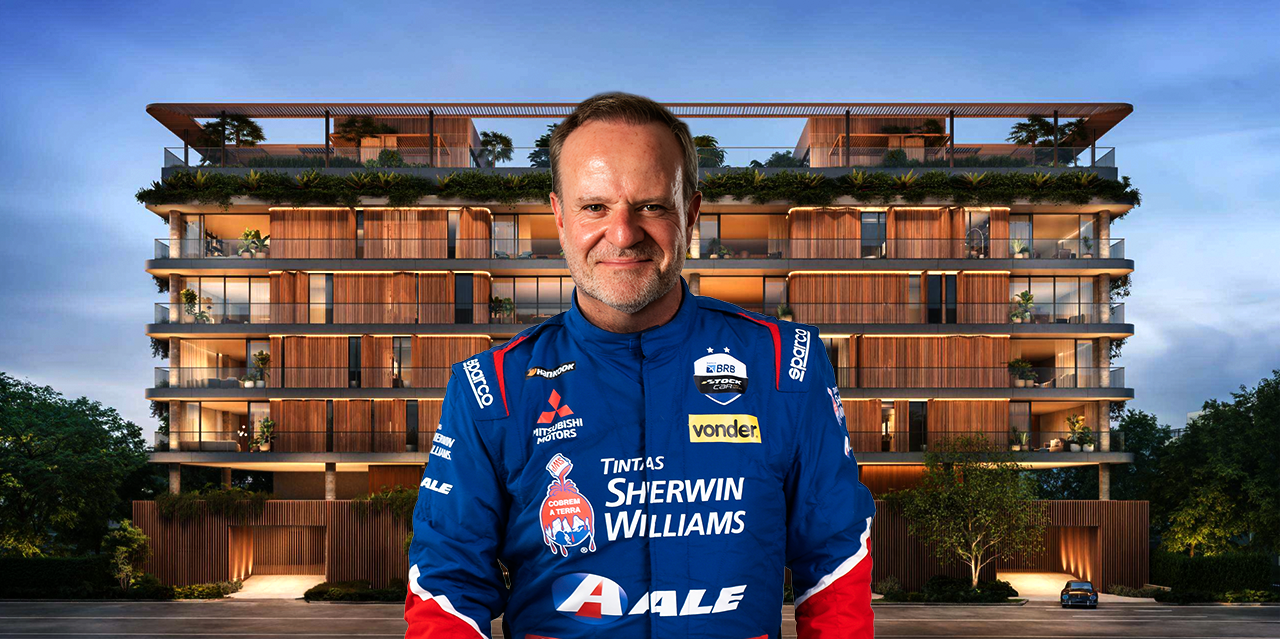
Formula One legend Rubens Barrichello has purchased a $7.95 million townhome at Colette Residences, META Development’s boutique South Brickell condominium, as the Miami project heads toward a fall groundbreaking.
Dive into the details of these remarkable spaces and discover what makes them stand out in the world of real estate.
Leasing has launched at The Langdon, a 24-story, 45-residence rental tower at 288 East 88th Street, bringing rare large-scale luxury inventory to Manhattan’s Upper East Side amid record-low vacancy.
By Louise Phillips Forbes, Brown Harris Stevens

Louise Phillips Forbes
New York City’s recent mayoral election garnered national attention, marking a pivotal moment for the city’s future. As someone who has spent more than three decades helping New Yorkers claim their piece of the rock, I believe this moment represents an opportunity for growth — not division.
A Digital City
By 2029, more than 8,000 pages of land maps will be digitized, offering a unified system for decision makers. This digital transformation will provide a bird’s-eye view of the city, enabling smarter, long-term planning that benefits all five boroughs. It will help prioritize infrastructure improvements, foster cohesive urban planning, and ultimately strengthen the fabric of our neighborhoods and communities.
A Defining Moment for Housing
With the passing of several major amendments to the city housing charter, there is a real opportunity to turn policy into progress. The process stands to move faster overall, and especially in the twelve community board districts that have historically approved the least amount of affordable housing development. And for previously rejected projects, an Affordable Housing Appeals Board, comprised of the Mayor, Borough President and City Council Speaker, will be formed to provide a second look.
Opportunity Through Collaboration
Mayor-elect Mamdani will have a platform to strengthen partnerships between city leadership and developers. History shows this model works — the Bloomberg administration rezoned a significant portion of the city’s landmass and leveraged tax incentives to create powerful collaborations that delivered affordable housing. When incentives align with sound business strategy, the private sector mobilizes to build solutions that last.
A Chance to Lead Nationally
With these measures already being viewed as a potential template for other cities, New York is once again positioned to lead by example by showing how we can invest, innovate, and serve responsibly.
I’ve seen the city’s resilience and creativity time and again. This moment is no different. Together, we have an opportunity to channel that spirit into creating an inclusive future for all who call our special rock home.
With 34 years of experience and nearly $6 billion in career sales, Louise Phillips Forbes is a top producing agent at Brown Harris Stevens and one of the most trusted voices in New York real estate, representing buyers, sellers, and developers across the city.
Have a listing you think should be featured contact us or submit here to tell us more! Follow Off The MRKT on Twitter and Instagram, and like us on Facebook.
Luxury resale condos offer a different route to the Manhattan wish list: established amenities, more choice, and a lower median asking price per square foot than sponsor units.
Related Ross has partnered with Set Point Tennis to introduce a residents-only racquet club at Edgeworth, its new luxury waterfront condominium along South Flagler Drive in West Palm Beach.
Formula One legend Rubens Barrichello has purchased a $7.95 million townhome at Colette Residences, META Development’s boutique South Brickell condominium, as the Miami project heads toward a fall groundbreaking.
Dive into the details of these remarkable spaces and discover what makes them stand out in the world of real estate.
Leasing has launched at The Langdon, a 24-story, 45-residence rental tower at 288 East 88th Street, bringing rare large-scale luxury inventory to Manhattan’s Upper East Side amid record-low vacancy.
Miami Art Week turns the city into a gallery district—but some of the most compelling installations this season live inside (and around) new residential projects, and they’re free to visit year-round. From an oceanfront sculpture anchored by a global art star to a future Artwalk inspired by Morris Lapidus and a mural-packed paseo in Wynwood, here are three stops redefining how real estate and public art meet.

North Beach’s under-the-radar elegance gets a blue-chip moment with “Reflection,” the first permanent public installation in Miami by French artist Prune Nourry. Sited in the newly opened, six-acre Ocean Terrace Park—and wrapped in tropical landscaping by Raymond Jungles—the large-scale work brings museum-grade presence to the shoreline. It’s a strong signal for Ocean Terrace, a resort-residential enclave with interiors by Robert A.M. Stern Architects, and a timely detour from the fair tents: ocean air, big art, zero ticket lines.
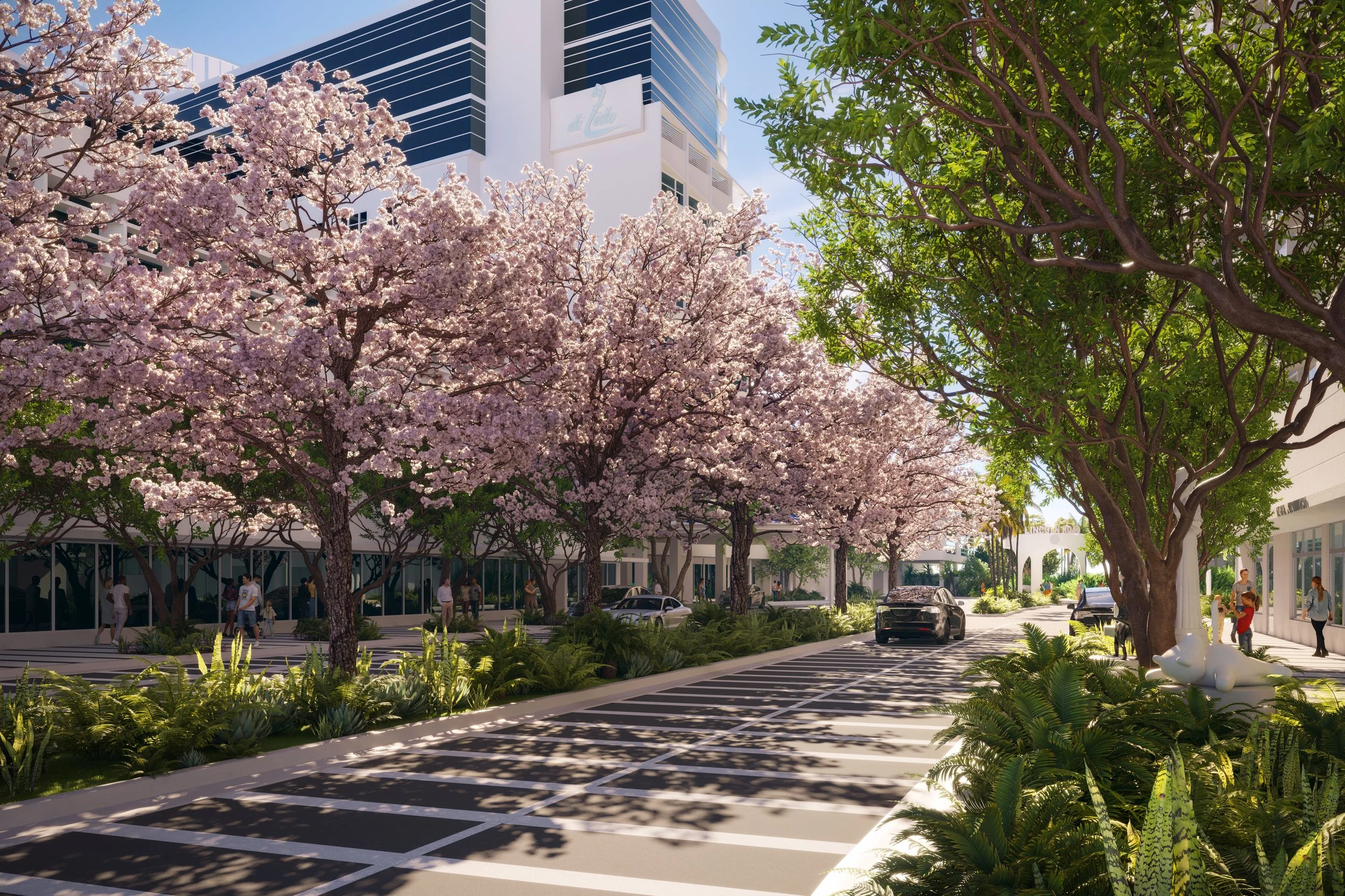
At the nexus of Lincoln Road and the beach, the developer behind The Ritz-Carlton Residences, South Beach is partnering with the Morris Lapidus Foundation to realize elements the late architect envisioned—but never completed—for the grand concourse. The multimillion-dollar Artwalk will unfold over the coming years; during Miami Art Week, a KEF! piece inspired by Lapidus debuts at BitBasel before moving to the corridor. Think of it as a preview screening for a public realm project designed to elevate the “East End” of Lincoln Road for residents and visitors alike.
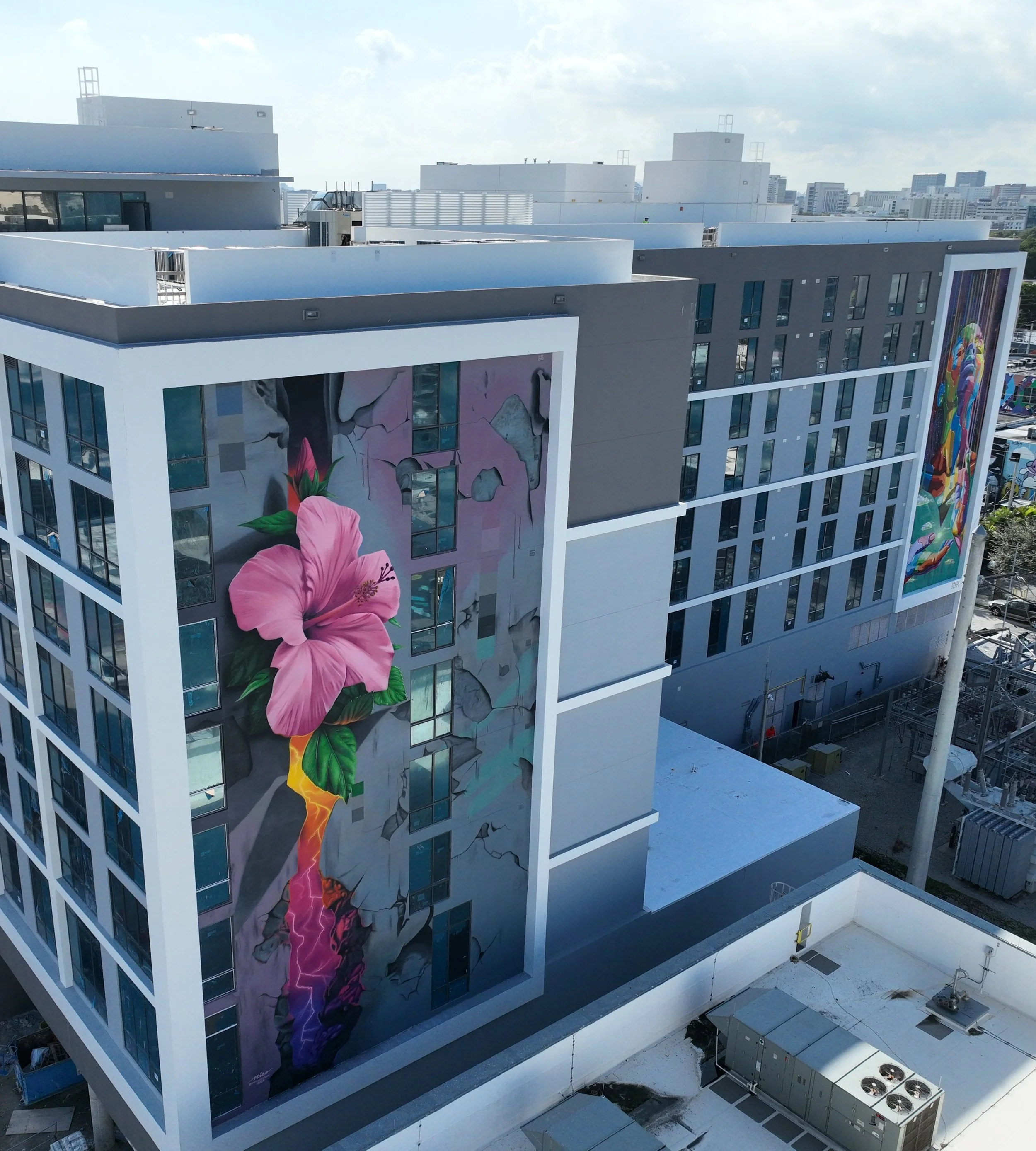
Fisher Brothers’ Joule House introduces Calle Collective, an open-air gallery curated with WXLLSPACE that turns its public paseo into a kaleidoscope of Miami talent. Nineteen large-format murals—by Tatiana Suarez, BK Foxx, Ahol Sniffs Glue, Hoxxoh, and more—bring Wynwood’s energy back to street level, while 26,000 square feet of incoming retail promises coffee-and-browse staying power. It’s free, it’s walkable, and it’s an easy add to any Wynwood day.
Have a listing you think should be featured contact us or submit here to tell us more! Follow Off The MRKT on Twitter and Instagram, and like us on Facebook.
Luxury resale condos offer a different route to the Manhattan wish list: established amenities, more choice, and a lower median asking price per square foot than sponsor units.
Related Ross has partnered with Set Point Tennis to introduce a residents-only racquet club at Edgeworth, its new luxury waterfront condominium along South Flagler Drive in West Palm Beach.
Formula One legend Rubens Barrichello has purchased a $7.95 million townhome at Colette Residences, META Development’s boutique South Brickell condominium, as the Miami project heads toward a fall groundbreaking.
Dive into the details of these remarkable spaces and discover what makes them stand out in the world of real estate.
Leasing has launched at The Langdon, a 24-story, 45-residence rental tower at 288 East 88th Street, bringing rare large-scale luxury inventory to Manhattan’s Upper East Side amid record-low vacancy.
A sculpted, BKSK-designed condominium blends Chelsea heritage with modern refinement—boutique scale, considered layouts, and amenities without the bloat.
Read MoreOne57 offers a rare chance to combine two Central Park–fronting residences into an ~11,000-square-foot duplex—trophy scale, cinematic views, and five-star services.
Read MoreA boutique, design-forward condominium defines East Village quiet luxury with privacy, craftsmanship, and downtown edge.
Read MoreExplore Off The MRKT's Favorite Listings of the Week, where we feature the most remarkable homes on the market, showcasing unique designs, luxury amenities, and standout locations that make them our top picks
Read MoreOnce the modest Tudor where a future president grew up, the Jamaica Estates home has been reborn as a modern luxury residence.
Read MoreExplore Off The MRKT's Favorite Listings of the Week, where we feature the most remarkable homes on the market, showcasing unique designs, luxury amenities, and standout locations that make them our top picks
Read MoreWith experience across Miami, New York, and Los Angeles, Rachael Brook joins Douglas Elliman Florida, uniting a tri-coastal perspective with the firm’s global luxury reach.
Read More
Modern New York City apartments incorporate numerous hidden safety innovations that protect residents without visible intrusion. Gone are the days of reliance on external fire escapes; today's buildings integrate sophisticated systems. These provide superior protection while maintaining architectural aesthetics.
Here are six hidden safety features in modern NYC apartments to inform your decision on a new residence.
Contemporary apartment buildings use automated sprinkler systems that detect and suppress fires more quickly than traditional systems. These systems activate within seconds of sensing heat or smoke, containing fires quickly before they can spread. Unlike risky external fire escapes, modern sprinklers aim to put out the emergency itself.
Sprinkler heads are linked to pressurized water lines with backup systems that kick in during power outages, helping to keep you safe. These sensors are designed to tell the difference between real fires and false alarms, like from cooking smoke or steam, so you don't have to worry about unnecessary water damage.
Modern construction incorporates fire-resistant materials that slow the spread of flames and give residents more evacuation time. Steel frames resist high temperatures better than wood, while gypsum-based fireproofing creates barriers between units. These materials work continuously without requiring maintenance or activation.
Rather than relying on external fire escapes, modern buildings feature enclosed, fire-rated stairwells explicitly designed for emergency evacuation. These stairways include pressurization systems that prevent smoke infiltration and maintain clear visibility during evacuations.
The stairwells connect directly to ground-level exits and include emergency lighting powered by backup generators. Wide landings accommodate residents with mobility challenges, while clear signage guides evacuees even in low-visibility conditions.
Most modern apartments have interconnected smoke and heat detectors forming building-wide alarms. A single activation alerts residents and emergency services quickly, offering earlier warnings than older systems. These detectors also monitor air quality, temperature, and carbon monoxide. Central panels locate emergencies, aiding faster responses.
During your search for your ideal rental property, pay attention to buildings that mention updated safety systems or recent renovations, as these often indicate modern fire protection features. Properties built or renovated in recent decades typically incorporate these advanced safety measures as standard features.
Modern apartment buildings use compartmentalization, dividing structures into separate zones. Fire-rated walls and doors between units prevent flames from spreading horizontally, while vertical barriers limit upward movement through the building.
Each apartment functions as an individual compartment with its own fire barriers. Mechanical systems include fire dampers that automatically close ventilation connections during emergencies, preventing smoke from traveling through air ducts to unaffected areas.
It's worth noting that new buildings don't have fire escapes because of comprehensive internal safety systems and modern building code requirements that prioritize interior evacuation routes over external structures.
Contemporary safety systems accommodate residents with disabilities through accessible emergency exits, visual alarm signals for hard-of-hearing residents, and fire-rated elevators that remain operational during specific emergencies. These features help all building occupants evacuate safely.
Emergency communication systems include both audio announcements and visual displays that provide evacuation instructions in multiple languages. Wider stairwells and designated refuge areas allow residents who cannot use stairs to wait safely for assistance.
When viewing apartments, ask property managers about safety features and recent updates. Understanding these hidden safety features in modern NYC apartments will help you appreciate the sophisticated protection built into your home and give you confidence in your housing choice.
Have a listing you think should be featured contact us or submit here to tell us more! Follow Off The MRKT on Twitter and Instagram, and like us on Facebook.
Luxury resale condos offer a different route to the Manhattan wish list: established amenities, more choice, and a lower median asking price per square foot than sponsor units.
Related Ross has partnered with Set Point Tennis to introduce a residents-only racquet club at Edgeworth, its new luxury waterfront condominium along South Flagler Drive in West Palm Beach.
Formula One legend Rubens Barrichello has purchased a $7.95 million townhome at Colette Residences, META Development’s boutique South Brickell condominium, as the Miami project heads toward a fall groundbreaking.
Dive into the details of these remarkable spaces and discover what makes them stand out in the world of real estate.
Leasing has launched at The Langdon, a 24-story, 45-residence rental tower at 288 East 88th Street, bringing rare large-scale luxury inventory to Manhattan’s Upper East Side amid record-low vacancy.
Explore Off The MRKT's Favorite Listings of the Week, where we feature the most remarkable homes on the market, showcasing unique designs, luxury amenities, and standout locations that make them our top picks
Read MoreFrom wellness CEOs in SoHo to dog dads in Harlem, this viral apartment tour pulls back the curtain on how New Yorkers really live — and what they’re paying to do it.
Read More
By Lisa K. Lippman, Licensed Associate Real Estate Broker, Brown Harris Stevens
Efficiency remains the defining characteristic of today’s luxury real estate market. Well-priced properties are continuing to garner attention, and opportunities exist for buyers who approach the process with equal parts strategy and confidence.
What’s particularly notable is the recent rise of direct buyers, especially among those in their thirties and forties. This trend became apparent at one of my $7 million co-op listings, where three out of four scheduled showings were with direct buyers. However, while many are eager to navigate the process on their own, experience continues to show that agent representation truly matters. Sellers are drawn to the strongest, most prepared buyers, and those with an experienced broker on their side are historically better positioned to succeed.
A seasoned agent does far more than arrange showings or submit offers. They have the ability to anticipate potential issues before they arise, understand how to best present a buyer, and know how to approach negotiations with precision. These insights often make the difference between winning and losing in a competitive situation.
And while property data has never been more accessible, it’s the interpretation of it that counts. As I often remind clients, numbers only tell part of the story. Understanding the nuances of the unit floor plans and building, along with which requests are reasonable during negotiations can dramatically influence value—and peace of mind by knowing that informed decisions are being made.
For buyers, this is an exciting time in a market that rewards preparation, clarity, and expert guidance. With the right strategy and a trusted advisor by your side, you can find the right property, and sometimes where you least expect.

Lisa K. Lippman has been the #1 agent at Brown Harris Stevens for the past nine consecutive years and was recently named the #3 Top New York City Resale Broker by The Real Deal, a Golden I Club finalist, and is consistently honored among the Hollywood Reporter’s New York City Power List. With over 28 years of leading industry experience, Lisa’s depth of expertise, marketing savvy, and personal attention to every detail is sought out by buyers and sellers of high-end cooperatives, condominiums, and townhomes throughout Manhattan.
Have a listing you think should be featured contact us or submit here to tell us more! Follow Off The MRKT on Twitter and Instagram, and like us on Facebook.
Luxury resale condos offer a different route to the Manhattan wish list: established amenities, more choice, and a lower median asking price per square foot than sponsor units.
Related Ross has partnered with Set Point Tennis to introduce a residents-only racquet club at Edgeworth, its new luxury waterfront condominium along South Flagler Drive in West Palm Beach.
Formula One legend Rubens Barrichello has purchased a $7.95 million townhome at Colette Residences, META Development’s boutique South Brickell condominium, as the Miami project heads toward a fall groundbreaking.
Dive into the details of these remarkable spaces and discover what makes them stand out in the world of real estate.
Leasing has launched at The Langdon, a 24-story, 45-residence rental tower at 288 East 88th Street, bringing rare large-scale luxury inventory to Manhattan’s Upper East Side amid record-low vacancy.



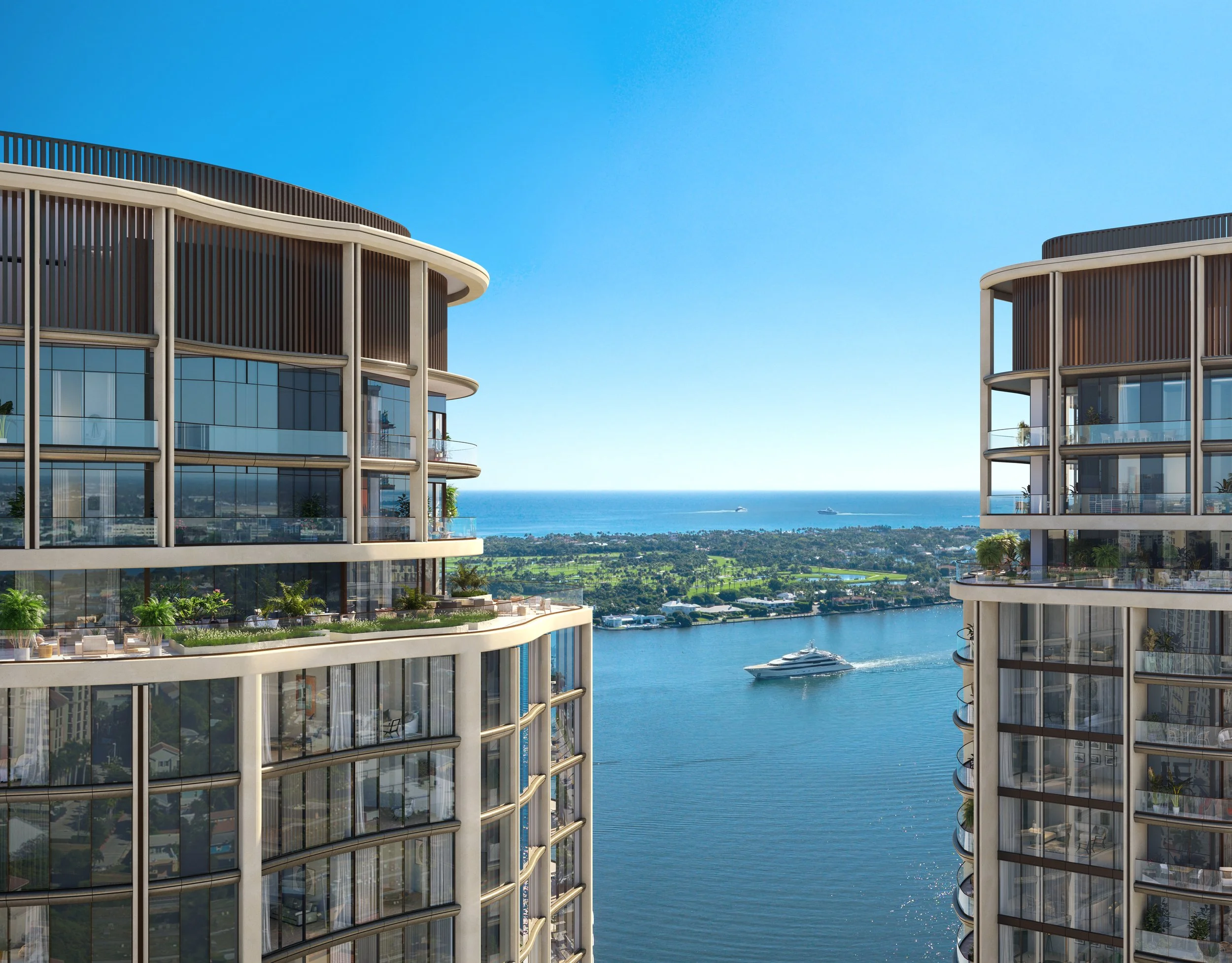
Related Ross has partnered with Set Point Tennis to introduce a residents-only racquet club at Edgeworth, its new luxury waterfront condominium along South Flagler Drive in West Palm Beach.