Modern New York City apartments incorporate numerous hidden safety innovations that protect residents without visible intrusion. Gone are the days of reliance on external fire escapes; today's buildings integrate sophisticated systems. These provide superior protection while maintaining architectural aesthetics.
Here are six hidden safety features in modern NYC apartments to inform your decision on a new residence.
Advanced Sprinkler Systems Replace External Escapes
Contemporary apartment buildings use automated sprinkler systems that detect and suppress fires more quickly than traditional systems. These systems activate within seconds of sensing heat or smoke, containing fires quickly before they can spread. Unlike risky external fire escapes, modern sprinklers aim to put out the emergency itself.
Sprinkler heads are linked to pressurized water lines with backup systems that kick in during power outages, helping to keep you safe. These sensors are designed to tell the difference between real fires and false alarms, like from cooking smoke or steam, so you don't have to worry about unnecessary water damage.
Fire-Resistant Building Materials Provide Passive Protection
Modern construction incorporates fire-resistant materials that slow the spread of flames and give residents more evacuation time. Steel frames resist high temperatures better than wood, while gypsum-based fireproofing creates barriers between units. These materials work continuously without requiring maintenance or activation.
Enclosed Emergency Stairwells Offer Safe Exit Routes
Rather than relying on external fire escapes, modern buildings feature enclosed, fire-rated stairwells explicitly designed for emergency evacuation. These stairways include pressurization systems that prevent smoke infiltration and maintain clear visibility during evacuations.
The stairwells connect directly to ground-level exits and include emergency lighting powered by backup generators. Wide landings accommodate residents with mobility challenges, while clear signage guides evacuees even in low-visibility conditions.
Smart Detection Networks Monitor Building Conditions
Most modern apartments have interconnected smoke and heat detectors forming building-wide alarms. A single activation alerts residents and emergency services quickly, offering earlier warnings than older systems. These detectors also monitor air quality, temperature, and carbon monoxide. Central panels locate emergencies, aiding faster responses.
During your search for your ideal rental property, pay attention to buildings that mention updated safety systems or recent renovations, as these often indicate modern fire protection features. Properties built or renovated in recent decades typically incorporate these advanced safety measures as standard features.
Compartmentalization Prevents Fire Spread
Modern apartment buildings use compartmentalization, dividing structures into separate zones. Fire-rated walls and doors between units prevent flames from spreading horizontally, while vertical barriers limit upward movement through the building.
Each apartment functions as an individual compartment with its own fire barriers. Mechanical systems include fire dampers that automatically close ventilation connections during emergencies, preventing smoke from traveling through air ducts to unaffected areas.
It's worth noting that new buildings don't have fire escapes because of comprehensive internal safety systems and modern building code requirements that prioritize interior evacuation routes over external structures.
Accessibility Features Support All Residents
Contemporary safety systems accommodate residents with disabilities through accessible emergency exits, visual alarm signals for hard-of-hearing residents, and fire-rated elevators that remain operational during specific emergencies. These features help all building occupants evacuate safely.
Emergency communication systems include both audio announcements and visual displays that provide evacuation instructions in multiple languages. Wider stairwells and designated refuge areas allow residents who cannot use stairs to wait safely for assistance.
Living Safely in NYC Apartments
When viewing apartments, ask property managers about safety features and recent updates. Understanding these hidden safety features in modern NYC apartments will help you appreciate the sophisticated protection built into your home and give you confidence in your housing choice.
2026 Update: The Self-Closing Door Rule Every NYC Renter Should Know
One safety feature you can check yourself is your apartment’s front door. Under Local Law 111 of 2018, doors in apartment buildings that open onto interior corridors or stairs must be self-closing, with a compliance deadline of July 31, 2021, and a failure to maintain them is a class C immediately hazardous violation that owners must fix within 21 days, according to intro.nyc. After the January 2022 Twin Parks fire in the Bronx, where a door that failed to close let smoke spread and 17 people died, the City Council approved a bill requiring HPD to inspect 300 buildings a year for self-closing door compliance, as reported by CityLand. For more on what’s built into newer buildings, see the coolest tech infrastructure in modern apartment buildings.
Frequently Asked Questions
Are self-closing doors required in NYC apartment buildings?
Yes. Local Law 111 of 2018 requires apartment doors that open onto interior corridors or stairs to be self-closing, with a compliance deadline of July 31, 2021.
What should I do if my apartment door doesn’t close on its own?
Tell your landlord and report it to 311. A self-closing door that isn’t maintained is a class C immediately hazardous violation, which owners must correct within 21 days of being served.
Do modern NYC apartment buildings still have fire escapes?
Many newer buildings rely on automatic sprinklers, fire-resistant construction and enclosed emergency stairwells instead of external fire escapes.
What is fire compartmentalization in an apartment building?
Compartmentalization means each apartment and corridor is separated by fire-rated walls, floors and doors, which helps contain a fire and slow the spread of smoke while residents evacuate.


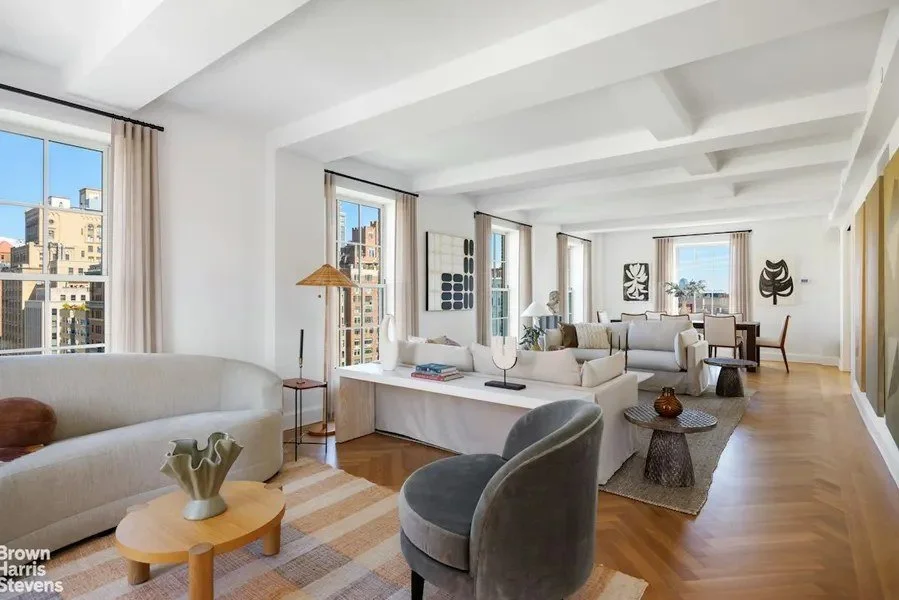

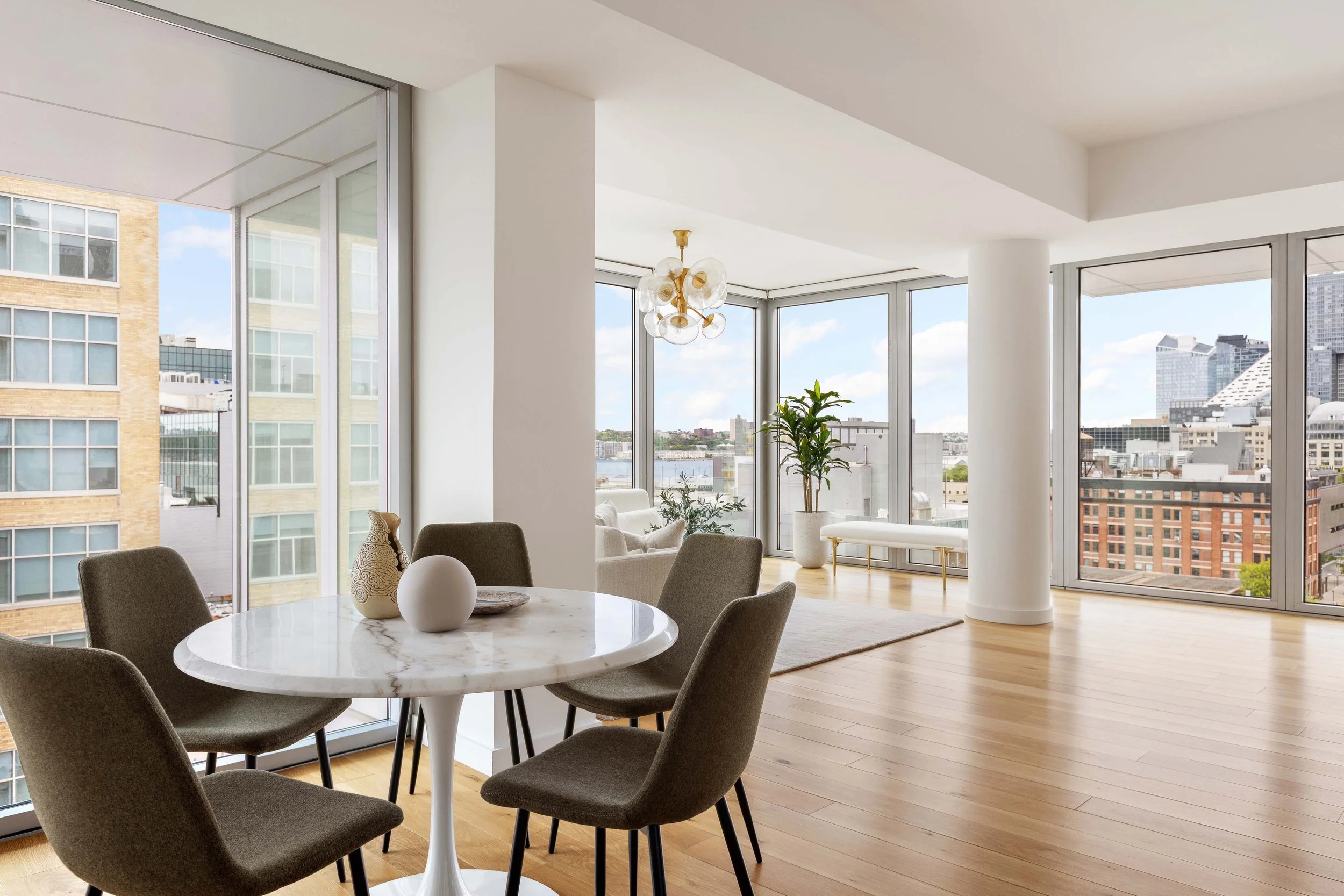





Two-bedroom homes are hitting a sweet spot this fall. Here are three standout new development condos in the $2 millions, from Hell’s Kitchen terraces to Williamsburg waterfront living and Upper West Side Hudson River views.