Enhancing Communication: Integrating Field Service Management Software with Property Management Systems

Have you ever felt overwhelmed by the endless stream of maintenance requests, tenant communications, and contractor schedules?

If you manage properties, you know the struggle. Juggling maintenance tasks, tenant requests, and contractor schedules can quickly become chaotic without a streamlined process. What if there was a way to simplify all this? Enter the world of integrating field service management  (FSM) software with property management systems (PMS).

The Challenge of Property Management

Property management is no small feat. It involves:

  • Keeping track of multiple properties.

  • Responding to tenant requests promptly.

  • Scheduling and coordinating with various service providers.

  • Ensuring timely maintenance and repairs.

  • Managing financial transactions and records.

Without a cohesive system, things can slip through the cracks, leading to dissatisfied tenants and potential financial losses. This is why property managers are leveraging automation, and prefer a system that integrates their property management software with field service management  software. 

According to the latest market research, approximately 60% of property management companies use some form of property management software to manage their operations, from tenant screening to maintenance requests.

But how does this integration benefit property management businesses? And how to make this integration happen in your organization?

Let’s find out all the answers in this article.

The Promise of Technology Integration

Integrating field service management (FSM) software with your property management system (PMS) can transform how you manage your properties. But what exactly does this integration entail?

In simple terms, integrating field service software with property management systems means connecting these two powerful tools to work together seamlessly. Field service software manages tasks like scheduling, dispatching, and tracking maintenance or repair jobs, while property management systems handle tenant interactions, lease agreements, and rent collection. When integrated, these systems share information in real-time, ensuring that maintenance requests from tenants are automatically turned into work orders, assigned to technicians, and tracked until completion.

This integration enhances efficiency and communication across all parties involved—property managers, tenants, and service providers. For example, when a tenant submits a repair request, the property management system instantly communicates this to the field service software, which schedules the job and notifies the appropriate technician. The technician can then update the job status in real-time, allowing the property manager and tenant to stay informed throughout the process. This streamlined approach reduces manual tasks, minimizes errors, and improves overall service quality.

According to a survey by Software Advice, 67% of property management professionals reported using integrated software solutions to manage their properties effectively.

What Is Field Service Management  Software?

Field service management  (FSM) software helps manage and coordinate field operations. It's commonly used in industries where businesses send workers to perform tasks off-site, such as repairs, maintenance, and installations. Key features of FSM software include:

  • Scheduling and dispatching

  • Work order management

  • Inventory management

  • Real-time tracking

  • Mobile access

Field Promax is a prime example of top-class field service management  software made for property management. It excels in streamlining the management of rental properties by offering robust features like tenant and job tracking, automated maintenance scheduling, and efficient problem resolution. 

For instance, when a tenant submits a maintenance request, Field Promax automatically logs it, enable the manager to assign the task to the nearest available technician, and provides real-time updates until the issue is resolved. By keeping all essential information and processes in one place, Field Promax enhances efficiency and organization, making it an excellent choice for property managers seeking a reliable and comprehensive management tool.

With its user-friendly interface and seamless integration capabilities, Field Promax ensures that property managers can handle their tasks effortlessly, making it the go-to choice for enhancing property management operations.

What is a Property Management System?

Property management software is a digital tool that helps property managers handle the various tasks involved in overseeing rental properties, whether they're residential, commercial, or industrial. It simplifies the process of managing properties by providing features like tenant and lease tracking, maintenance management, and communication tools. 

For example, when a tenant submits a maintenance request, the software records it, assigns it to the appropriate service provider, and tracks the progress until the issue is resolved. It also keeps all important information, such as payment records and lease agreements, in one place, making it easier for property managers to stay organized and efficient.

Features of a property management software system typically include:

  • Tenant and lease tracking

  • Maintenance management

  • Rent collection and accounting

  • Communication tools

  • Reporting and analytics

Why Integrate FSM with PMS?

Integrating FSM software with your PMS can bring several significant benefits, including:

How Does Integration Work?

Integration involves connecting your FSM software and PMS so they can share information seamlessly. Here’s a closer look at how this process works:

  1. Centralized Information Hub

    Both systems share a common database, so all relevant data is accessible from one platform. This eliminates the need for duplicate data entry and reduces the risk of errors.

  2. Automated Workflows

    When a tenant submits a maintenance request via the PMS, it automatically creates a work order in the FSM software. This work order is then scheduled, dispatched, and tracked until completion.

  3. Real-Time Updates

    Both systems update in real-time, ensuring everyone has the most current information. For instance, if a technician updates the status of a job, the PMS reflects this change immediately.

  4. Mobile Access

    Field technicians can access job details, update statuses, and communicate with the office through their mobile devices. This mobility ensures that information flows smoothly, regardless of location.

Key Benefits of Integration

1. Streamlined Maintenance Requests

With integration, maintenance requests submitted by tenants are automatically converted into work orders. This process:

  • Reduces the time taken to address issues.

  • Ensures no request is overlooked.

  • Allows tenants to track the progress of their requests, increasing transparency.

2. Optimized Scheduling and Dispatching

FSM software excels in scheduling and dispatching. When integrated with your PMS, it can:

  • Automatically assign the nearest available technician.

  • Schedule tasks based on priority and technician availability.

  • Send notifications and reminders to technicians.


This leads to quicker response times and more efficient use of resources.

3. Real-Time Communication

Integration ensures that all parties—property managers, tenants, and technicians—are on the same page. Benefits include:

  • Tenants receive updates on the status of their requests.

  • Technicians get detailed job information and can communicate any issues promptly.

  • Property managers can monitor progress and intervene if necessary.

4. Enhanced Inventory Management

Tracking parts and supplies becomes much easier with integrated systems. Key advantages are:

  • Real-time inventory updates prevent stockouts.

  • Automatic reordering when stock levels are low.

  • Better forecasting and budgeting for future needs.

5. Comprehensive Reporting and Analytics

Integrated systems provide a wealth of data that can be used to improve operations. Examples include:

  • Identifying frequently recurring issues and addressing them proactively.

  • Analyzing technician performance and optimizing routes.

  • Monitoring overall maintenance costs and finding ways to reduce expenses.

Getting Started with Integration

Integrating FSM software with your PMS might seem daunting, but with the right approach, it can be smooth and rewarding. Here are some steps to help you get started:

  1. Assess Your Needs

    Identify the specific pain points you want to address with integration. This will help you choose the right FSM software.

  2. Choose Compatible Software

    Ensure that the FSM software you select can integrate seamlessly with your existing PMS. Check for compatibility and look for pre-built integrations if available. 

    To this end, Field Promax stands out as the best choice for property management systems because it offers seamless integration with a wide range of useful software systems, such as QuickBooks and Stripe. Its pre-built integrations simplify the process, allowing you to enhance your operations without any hassle.

  3. Plan the Integration

    Work with both software providers to plan the integration process. Define the data to be shared, the workflows to be automated, and the goals you want to achieve.

  4. Train Your Team

    Proper training is crucial for a successful integration. Ensure that your team understands how to use the integrated system and its benefits.

  5. Monitor and Optimize

    After the integration, continuously monitor its performance. Gather feedback from users and make necessary adjustments to optimize the system.

Conclusion

Integrating field service management  software with property management systems is a game-changer for property managers. It simplifies communication, enhances efficiency, and improves tenant satisfaction. By embracing this technology, you can stay ahead of the competition and provide top-notch service to your tenants.

If you are looking for an ideal FSM software for property management system integration, Field Promax is the best choice for due to its user-friendly interface and seamless compatibility with various systems, making the integration process smooth and straightforward. Additionally, its flexible pricing options cater to businesses of all sizes, ensuring that you get top-tier features without breaking the bank. This combination of ease of use and affordability sets Field Promax apart as an exceptional solution for property managers.

So, if you're ready to transform your property management operations, consider taking the plunge into integration. Your tenants—and your bottom line—will thank you.

Our Favorite Listings For The Week

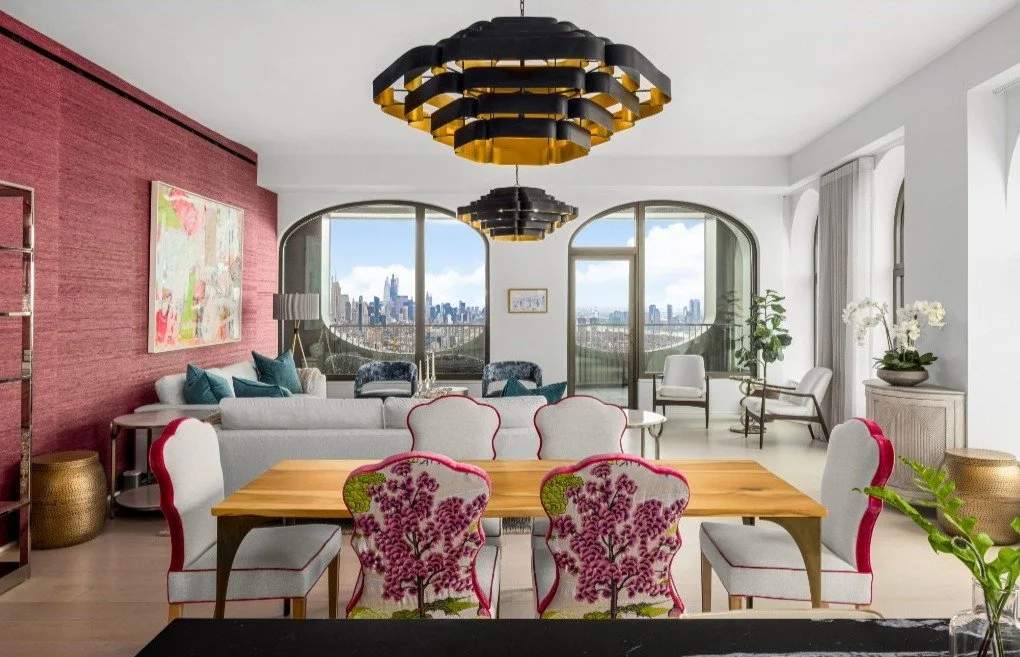
Listed for $7,950,000 by Frances Katzen and Ann Marie Follan with Douglas Elliman, this dazzling penthouse at 130 William St, designed by Sir David Adjaye, spans three bedrooms and three and a half baths. It features arched windows, a 700-square-foot bronze-detailed terrace, and stunning downtown views. The kitchen boasts Salvatori Pietra Cardosa marble countertops and custom fixtures. The primary en-suite includes luxurious California walk-in closets and a five-piece bath. Amenities include a fitness center, infinity-edge spa pool, IMAX theater, rooftop observation deck, 24-hour concierge, and more.


In 1750, the soil below 400 West 23rd Street was part of the original 94-acre Chelsea estate of rural land that rolled down to the Hudson River. The land was purchased 26 years before the American Revolution by a retired British army officer, Major Thomas Clark, and named after the Chelsea Hospital for Veterans in London.  It was later passed down to his grandson Clement Moore, who, in 1837, wrote “T’was The Night Before Christmas” a literal stones-throw from where 400 West 23rd Street now sits. In the 1930’s, the space was turned into a dance hall. Now it’s luxury co-ops. Only in New York!

Never before offered for sale, the owners combined two units to create this duplex with 12-foot ceilings, massive exposed steel beams, and an incredible private terrace.


Photo Credit: Selene

Located at 100 East 53rd Street, Residence 10A at SELENE is a luxurious 6,646 SF duplex designed by Foster + Partners in collaboration with interiors by William T. Georgis. This exceptional home features four bedrooms, four and a half baths, 11-foot ceilings, and floor-to-ceiling windows. Highlighted by an extravagant 5,272 SF terrace with panoramic Midtown views, it offers the largest private residential terrace below 59th Street. The residence includes a grand entrance gallery, chef's kitchen, spa-inspired primary suite, and access to four floors of premier amenities, including a garden sanctuary swimming pool and Michelin-starred dining.


Have a listing you think should be featured contact us or submit here to tell us more! Follow Off The MRKT on Twitter and Instagram, and like us on Facebook.

Submit Your Listings

What Role Does Crime Play in Choosing a New Neighborhood to Live in NYC?

When looking to move to a new neighborhood in NYC, one of the key factors that many potential residents consider is the crime rate. Crime can have a significant impact on the desirability and overall safety of a neighborhood, which in turn can affect real estate trends. In this article, we will explore how crime plays a role in choosing a new neighborhood to live in NYC.


Real Estate Trends


Real estate trends in NYC are heavily influenced by crime rates in different neighborhoods. Areas with lower crime rates tend to have higher property values, as they are perceived as safer and more desirable places to live. According to TodaysHomeOwner.com, more than 50% of real estate agents noticed that clients are looking for sustainable options when searching for their new home. This is another factor potential buyers have to balance with other considerations, such as crime.


When buyers are considering a new neighborhood, they often research crime statistics to gauge the safety of the area. Properties in neighborhoods with higher crime rates may have lower resale values and longer time on the market. This correlation between crime rates and property values highlights the importance of safety and security in real estate decision-making.


In NYC, real estate developers and agents often emphasize the safety of a neighborhood as a selling point to attract potential buyers. Investing in security measures and community policing can help improve the reputation of a neighborhood and increase its real estate value. The relationship between crime rates and property values underscores the significance of safety in the decision-making process for choosing a new place to live.


Crime Data Analysis


Analyzing crime data in NYC reveals that certain neighborhoods have lower crime rates compared to others. According to Statista, larceny theft is the most common form of crime in the United States, with more than 4.6 million cases reported in 2020. This data can help potential residents identify safer neighborhoods to consider for their new homes.


Neighborhoods with lower crime rates often attract homebuyers seeking a secure and peaceful environment. These areas may have a lower incidence of property crimes such as theft and vandalism, contributing to a sense of safety and well-being among residents. By prioritizing safety in their decision-making process, individuals can narrow down their choices to neighborhoods with favorable crime statistics.


Did you know that alcohol and other illicit drugs play a role in more than 15,000 car injury deaths each year? This crime rolls over into the bigger picture of drug-related crimes in your area. Real estate agents play a crucial role in guiding buyers toward neighborhoods with lower crime rates and desirable safety features. By staying informed about crime trends and statistics, agents can help clients make informed decisions when choosing a new place to live in NYC. Understanding the relationship between crime data and neighborhood safety is essential for navigating the real estate market with confidence.


Safety Measures


In high-crime neighborhoods in NYC, residents often take proactive measures to enhance their safety and security. Installing security systems, surveillance cameras, and alarm systems in homes can deter potential criminals and provide peace of mind for residents. Neighborhood watch programs and community patrols are also effective strategies for promoting safety and reducing crime rates.


Education and awareness campaigns about crime prevention and personal safety can empower residents to protect themselves and their properties. Building relationships with neighbors and fostering a strong sense of community can create a support network that promotes cooperation and vigilance against criminal activities. By working together to address safety concerns, residents in high-crime neighborhoods can take control of their environment and improve their overall quality of life.


Collaborating with local law enforcement agencies and government officials can also help residents implement effective safety measures and address security issues in their neighborhoods. By advocating for increased police presence and community policing initiatives, residents can create a safer and more secure living environment for themselves and future generations. Taking a proactive approach to safety is essential for fostering positive relationships and promoting a sense of unity among residents in high-crime neighborhoods.


In conclusion, crime plays a significant role in choosing a new neighborhood to live in NYC. Real estate trends, crime data analysis, and safety measures all influence the decision-making process for potential residents. By prioritizing safety and security in their search for a new home, individuals can make informed choices that align with their values and priorities. Understanding the impact of crime on real estate and community safety is essential for creating a thriving and secure environment for all residents in NYC.

Exploring Camille Orders Colorful Greenpoint Home: A Vibrant Tour

Ever wondered what it’s like to live in a home bursting with color and creativity? Camille Orders, a lifestyle influencer originally from Australia, offers a captivating tour of her Greenpoint, Brooklyn home. Camille, who has lived in the U.S. for ten years, shares how she, along with her best friend and business partner Brandy How, designed a vibrant and unique living space. Let’s dive into the highlights of Camille's eclectic home.

Master Bedroom

Camille's master bedroom is a stunning blend of purple and green, her favorite colors. The room features hand-painted furniture by her friend Michelle Kesselman and elegant swivel chairs by the late designer Jacob Norell. The centerpiece is Camille’s extravagant “princess bed,” which perfectly reflects her grand personality.

Wood Room

The Wood Room offers a refreshing contrast to the master bedroom with its lighter, airy ambiance. Designed with a photoshoot-friendly aesthetic, this room features psychedelic wallpaper and DIY crown molding that frames the wallpaper beautifully. Camille and Brandy’s DIY projects, like the custom lampshades, add a personal touch to the space.

Blue Room

Known as the Blue Room, this third bedroom is a cozy retreat with a reupholstered love seat and a unique round mattress bed. The room showcases Brandy’s biomorphic mirrors and a data-print bed frame, blending creativity with comfort. Camille's approach to design, guided by Brandy, brings her imaginative ideas to life in a cohesive way.

Kitchen

Camille’s kitchen is a dream for anyone who loves to cook. With a preference for gas stoves, Camille enjoys the efficiency and practicality of her kitchen, which also includes a double oven and dishwasher. The space is designed to be both functional and inviting.

Red Room

Once an office, the Red Room has been transformed into a moody hangout spot. With striking red walls, crown molding, and unique ceiling details, this room is perfect for relaxing and watching movies. The beaded chandelier and custom furniture pieces add to the room's distinctive character.

Dining Area and Unique Finds

Camille’s dining area features a beautiful table and chairs by the same designer as her bedroom pieces. The Morana glass chandelier and floor lamp are standout elements, reflecting the high-quality craftsmanship. The room also includes a bar cart, gramophone, and bird cage, all adding to the eclectic vibe of the home.

Living Room

The living room is anchored by a conversation couch, reupholstered from a brown leather piece found in Miami. The one-of-a-kind bookshelf behind the couch is a mix of French and Asian styles, featuring antique and Amazon finds. This space, designed for engaging conversations, showcases Camille’s eye for unique and meaningful decor.

Camille Orders Greenpoint home is a testament to her vibrant personality and creative vision. With the help of Brandy How, she has crafted a space that is both beautiful and functional, filled with unique decor and DIY elements. For more inspiration, follow Camille on Instagram at @camille1402 and explore her home design journey. What’s your favorite room or piece of furniture in Camille’s colorful home? Let us know in the comments below!


Have a listing you think should be featured contact us or submit here to tell us more! Follow Off The MRKT on Twitter and Instagram, and like us on Facebook.

Submit Your Listings

Inside Alex Costa's Ultimate New York City Apartment

Ever wondered what it’s like to live in a dream apartment in the heart of New York City? YouTuber and lifestyle influencer Alex Costa gives us an exclusive tour of his stunning New York City apartment, and it’s nothing short of spectacular. Alex, known for his grooming, fashion, and lifestyle content, moved from LA to NYC and found the perfect home that caters to both his personal and professional needs. Let’s dive into the highlights of his luxurious living space.

Living Room

The tour kicks off in the living room, which offers breathtaking views of the New York City skyline and the Brooklyn Bridge. The space is elegantly decorated with a blend of marble and walnut, creating a sophisticated yet cozy atmosphere. The modular couch is a standout piece, designed to ensure unobstructed views of the city. Alex’s attention to detail is evident in the ambient lighting and curated decor that perfectly complement the urban backdrop.

Amenities

This apartment complex is packed with amenities that elevate the living experience. From a treehouse and sauna to a billiards room, lounge, golf simulator, and full-size basketball court, Alex has access to an array of luxurious facilities. These amenities provide a perfect blend of relaxation and entertainment, making it an ideal place for both work and play.

Office

Alex’s office is a productivity powerhouse, equipped with a large monitor for multitasking, a comfortable Herman Miller chair, and custom neon signs that keep him inspired. The panoramic view of the city adds a layer of motivation, making it an ideal workspace for creativity. The office is also where Alex and his team, including his videographer Rodrigo, create the high-quality content that his followers love.

Kitchen

Though Alex admits he’s not much of a cook, the kitchen is well-equipped for his needs. He relies on prepped meals and enjoys dining out with friends, but he’s also got a top-notch coffee maker that fuels his afternoons. The kitchen’s sleek design fits seamlessly with the rest of the apartment, making it a functional and stylish space.

YouTube Studio

The YouTube studio has recently undergone a makeover, featuring new wallpaper, acoustic panels, and a hidden Murphy bed for guests. This is where all of Alex’s YouTube magic happens. The setup is designed to create high-quality videos, ensuring that his content looks professional and polished.

Master Bedroom

The master bedroom is a sanctuary with a king-size bed and a cozy chair perfect for playing guitar. The room features matching nightstands, personal touches like art from his tattoo artist, and ambient lighting that creates a serene environment. It’s a perfect retreat after a long day of content creation and city exploration.

Bathrooms

The master bathroom is another highlight, boasting a spacious layout and a large shower with a eucalyptus accent that adds a spa-like feel. Heated floors provide an extra layer of luxury. There’s also a guest bathroom that matches the aesthetic of Alex’s brand and looks great on camera, making it ideal for shooting additional content.

Living in this apartment has been an absolute dream for Alex Costa. It’s a perfect blend of luxury, functionality, and style, making it an ideal home for both living and working in New York City. His attention to detail and thoughtful design choices ensure that every space in the apartment is both beautiful and practical. Check out Alex Costa’s YouTube channel for the full tour and more lifestyle inspiration!


Have a listing you think should be featured contact us or submit here to tell us more! Follow Off The MRKT on Twitter and Instagram, and like us on Facebook.

Submit Your Listings

Our Favorite Listings For The Week

Listed for $5,999,999 with Noble Black, Erik Ternon, and Jamie Gagliano of Douglas Elliman, this historic 4-bedroom, 3-bathroom duplex was once the residence of Senator Jacob K. Javits and is currently home to film producer Dorothy Berwin. Designed by architect Joseph Urban, the home features a private elevator vestibule, a grand foyer with a curved staircase, an original wood-burning fireplace, and double-height wrought-iron casement windows. The media room, once Senator Javits' cigar room, is now a sophisticated space with velvet banquettes and ample natural light.

The upper level boasts a luxurious primary suite with extensive closets, a windowed primary bath with hand-selected marble, and three additional bedrooms. The windowed eat-in kitchen features jet black cabinetry, honed Olympia white marble, and top-of-the-line appliances. This prewar building, designed by Harry M. Clawson in 1930, is renowned for its neo-classical limestone facade and has been home to numerous prominent figures. Located in Sutton Place, the residence offers unparalleled access to Manhattan's finest dining, shopping, and cultural destinations. Financing up to 50% is available, with a 3% flip tax covered by the purchaser.


McKenzie Ryan and Ashley Tucker of Douglas Elliman have listed a stunning 3-bedroom, 2-bathroom apartment just off Cooper Square. Spanning over 1,560 sqft with an additional 384 sqft of lush outdoor space, this bright and colorful home offers iconic Manhattan skyline views and direct sunlight through its Southern exposures. The great room, lined with windows and featuring a dining alcove, stretches over 25 feet. The recently updated kitchen includes new stainless-steel appliances, updated cabinetry, and a stone backsplash.

Located on one of the best streets in the Village, this apartment is close to popular spots like McSorely's, Streecha, and the new Wegman's. The private wing includes three large, sunny bedrooms and two spacious bathrooms. The South-facing primary suite has tree-top and city views, a walk-in closet, and an ensuite bathroom. The building has a virtual doorman, laundry facilities, and a private storage space. Unfortunately, no pets are allowed.


Photo Credit Evan Joseph

The Gimbel Estate, listed by Barbara Fox and Margaret Peters of Fox Residential Group. Bruce and Barbara Gimbel were devoted philanthropists, and he was the former chairman and chief executive of Gimbels, the famed department store founded by his great grandfather in 1842. Gimbels opened its New York City flagship in 1910 and quickly became the retail rival of Macy’s, winning the hearts of shoppers and Hollywood alike.

Highlighting a wonderful list of accomplishments and accolades beyond retail, Bruce Gimbel was one of the original members of the Metropolitan Transportation Authority, was a former chairman of the New York Cancer Society, and a trustee of the Guggenheim Foundation and the Museum of the City of New York, among several other positions. Barbara Gimbel, the beloved family matriarch, was passionate about improving healthcare. She co-founded the children's unit of Bellevue Hospital, was President of the Society of Memorial Sloan Kettering Cancer Center, served on the board of the Health and Hospitals Corporation, and co-founded the HHC Foundation. Mrs. Gimbel was also one of only two lay persons appointed by President George H.W. Bush to serve a six-year term on the Advisory Committee of the National Cancer Institute.


Have a listing you think should be featured contact us or submit here to tell us more! Follow Off The MRKT on Twitter and Instagram, and like us on Facebook.

Submit Your Listings

Live your best “green” life at these iconic NYC buildings

For city residents, connecting with nature isn’t always as easy as it is for our suburban counterparts. Here is a round-up of new developments that prioritize green living within the home and throughout building amenities in order to bring residents closer to nature. 

Have a listing you think should be featured contact us or submit here to tell us more! Follow Off The MRKT on Twitter and Instagram, and like us on Facebook.

Submit Your Listings