Sai Ocean Front Residences: Redefining Luxury in Tampa Bay
Experience the pinnacle of luxury at Sai Ocean Front Residences in Tampa Bay, where exclusive beachfront living meets unparalleled elegance and sophistication.
Read MoreYour guide to New York real estate and more
Off The MRKT - Where New York's, Real Estate, Life Style, and Culture Converge
Experience the pinnacle of luxury at Sai Ocean Front Residences in Tampa Bay, where exclusive beachfront living meets unparalleled elegance and sophistication.
Read MoreStep into a world where luxury meets nature in the heart of New York City. From rooftop paradises to tranquil terraces, experience the ultimate urban retreat as the city blooms anew.
Read MoreThe thrill of purchasing a home in the bustling metropolis of New York City is an exhilarating experience, as the city offers stunning architecture, diverse neighborhoods, and a plethora of cultural treasures. However, in this highly sought-after market, finding the perfect home can often pose a challenge—particularly for those who may be working within budgetary constraints or seeking a property with a unique charm and character. One possible solution to this conundrum is the concept of buying a fixer-upper—a property that may require various degrees of renovation but offers the potential for customization, increased affordability, and long-term investment returns for the willing and determined homebuyer.
In this informative blog post, we invite you to join us on a journey as we explore the various aspects of purchasing a fixer-upper property in New York City. We will delve into the potential benefits and considerations involved, such as evaluating the scope of renovations, selecting the right neighborhood, and finding financing options that suit your needs. Additionally, we will outline the steps required to navigate the renovation process, from obtaining permits to hiring skilled contractors and transforming your fixer-upper into the home of your dreams.
As we navigate the intricacies of buying a fixer-upper in New York City's dynamic real estate market, you'll be equipped with valuable insights, knowledge, and resources that can help you determine whether this unique opportunity is the right fit for your individual circumstances and goals. With the guidance and expertise of Off The MRKT's team of devoted real estate professionals at your disposal, you'll be prepared to embark on an exciting and rewarding home-buying journey that unleashes your creative potential and results in a one-of-a-kind living space that reflects your personal taste, style, and aspirations.
One of the primary reasons homebuyers are drawn to fixer-upper properties is the potential for increased affordability in New York City's competitive real estate market. Fixer-uppers typically come with a lower price tag than move-in-ready homes, making them an enticing option for budget-conscious buyers looking to invest in a property customized to their personal tastes and preferences. Additionally, by purchasing a fixer-upper, homebuyers can build equity over time as they complete the necessary renovations, potentially resulting in long-term investment returns.
Beyond financial considerations, fixer-upper properties offer an unparalleled opportunity for customization. Homebuyers can tailor their new home to their unique style, needs, and lifestyle, creating a personalized living space that reflects their distinctive vision. From transforming a dated kitchen into a modern culinary oasis to designing the perfect master suite, the customization possibilities are virtually endless with a fixer-upper property.
While the potential rewards of purchasing a fixer-upper may be enticing, prospective homebuyers must be aware of the various factors and challenges that may accompany this type of property. Here are a few key considerations to keep in mind as you evaluate whether a fixer-upper is the right choice for you:
1. Renovation Scope: Assess the extent of renovation work required and determine if you have the skills and resources to tackle the projects yourself or if you will need to hire professional contractors. A thorough home inspection can help identify potential issues and provide an understanding of the costs and time involved in making necessary repairs and updates.
2. Financing: Depending on the scope of renovation work, financing options such as traditional mortgages may not be available for fixer-uppers. Be prepared to explore alternative financing solutions, such as renovation loans or home equity lines of credit, and carefully evaluate the feasibility of these options, given your personal financial situation.
3. Neighborhood Potential: The location of your fixer-upper property is crucial to both your enjoyment of the home and potential resale value. Consider factors such as school districts, access to public transportation, proximity to amenities, and future developments in the area that may impact the desirability of the neighborhood.
Once you have made the decision to purchase a fixer-upper property in New York City, it's essential to prepare for the renovation process from start to finish. Here are some practical steps to follow as you embark on the exciting task of transforming your fixer-upper into your dream abode:
1. Develop a Renovation Plan: Begin by outlining the specific renovations and improvements you intend to make to the property. Prioritize these projects based on cost, time commitment, and overall impact on the home's value and functionality.
2. Obtain Necessary Permits: Depending on the nature of your renovation projects, you may need to secure permits from the appropriate city agencies. Be sure to research permit requirements and plan accordingly, as navigating the permit process can be time-consuming and may significantly impact your renovation timeline.
3. Assemble a Reliable Team: Developing a network of skilled professionals, such as architects, interior designers, and contractors, will be invaluable in helping you execute your vision and ensuring the successful completion of your renovation projects. Seek recommendations and reviews from trusted sources, and meet with potential team members to discuss your plans and assess compatibility.
4. Budget and Timeline: Establishing a clear budget and timeline for your renovation is essential to mitigating potential stress and financial strain. Be prepared for unforeseen expenses and delays, and build in a contingency buffer to your budget and timeline to account for these uncertainties.
A crucial, albeit often overlooked, aspect of purchasing and renovating a fixer-upper is the emotional journey accompanying this process. Homebuyers should be prepared for their renovation project's inevitable highs and lows by developing a resilient mindset and maintaining realistic expectations. This emotional rollercoaster may include feelings of excitement, frustration, and anxiety as projects progress, setbacks occur, and financial investments are made. By acknowledging and embracing this emotional journey, homebuyers can better navigate the challenges and reap the rewards of their fixer-upper transformation.
The idea of purchasing a fixer-upper property in New York City's dynamic real estate market presents an exciting and rewarding opportunity for homebuyers willing to invest their time, effort, and creativity. By understanding the potential benefits and considerations, evaluating your personal preferences and financial resources, and diligently navigating the renovation process, you'll be prepared to embark on the unique adventure of transforming a fixer-upper into the home of your dreams.
When you're ready to take the first step towards your fixer-upper journey, the dedicated team of New York real estate professionals at Off The MRKT is here to guide and support you every step of the way, helping you find the perfect property with the potential to become an extraordinary living space that flourishes under your expert touch.
New York City's Upper East Side, a bastion of sophistication and timeless elegance, welcomes a new icon to its skyline: 200 East 75th Street. This boutique luxury condominium, a brainchild of EJS Group, is a modern interpretation of classical architecture, setting a new benchmark for refined urban living.

Photo Credit: DBOX
Designed by the acclaimed Beyer Blinder Belle Architects, known for their expertise in character-defining construction, the 18-story building is a visual masterpiece. Its striking exterior, featuring a handset limestone base and a patterned brick façade with fluted terracotta and ornamental metal detailing, seamlessly integrates into the historic streetscape of the Upper East Side. The architecture is further enhanced by penthouse setbacks with terracotta jewel boxes and select residences boasting Juliet balconies.

Photo Credit: DBOX
The interiors, crafted by AD100-honored Yellow House Architects, embody a harmonious blend of classicism and contemporary flair. Led by Elizabeth Graziolo, the firm has infused the spaces with a soft neutral palette of bleached oak, light stones, and marbles, creating an inviting ambiance. The residential lobby, adorned with a Fibonacci-sequence-inspired marble floor and a hand-painted mural by Dean Barger, offers a grand arrival for residents and guests.
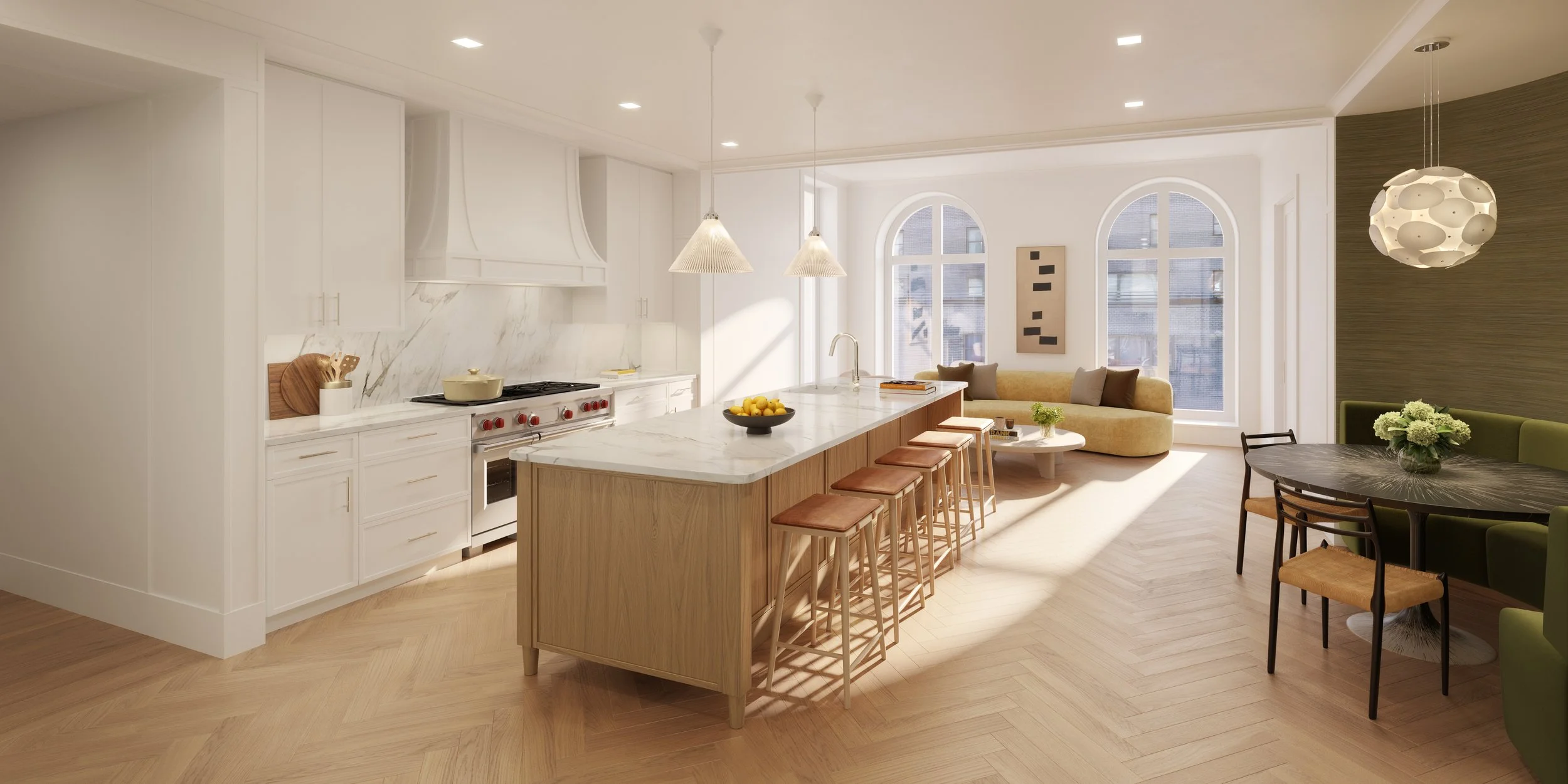
Photo Credit: DBOX
200 East 75th Street presents 36 bespoke residences, ranging from two to six bedrooms. Each home is a testament to luxury, with expansive living and dining areas, fine architectural details, and state-of-the-art smart home features. The handcrafted kitchens and serene primary baths are designed with Italian Statuario Extra honed-stone and high-end appliances, providing a perfect blend of functionality and elegance.

Photo Credit: DBOX
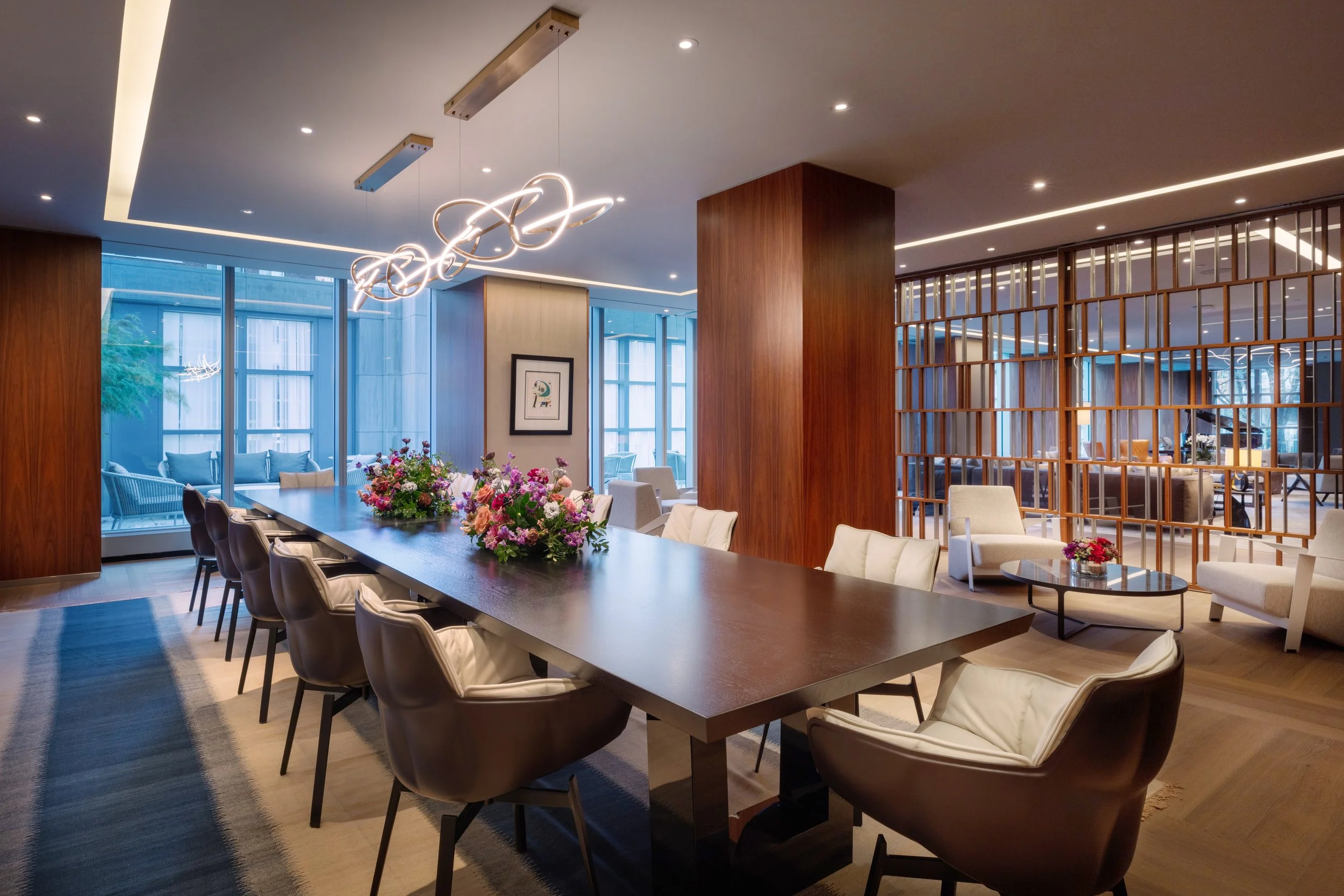
The building's curated collection of amenities is inspired by Manhattan's legendary private clubs. These include a porte-cochere, The Parlor with a fireside seating and library, The Billiards Room, The Garden with an outdoor fireplace, and a landscaped rooftop terrace offering breathtaking views. The Athletic Club, a Full Swing multi-sports simulator, music room, children’s room, teen lounge, private cinema, pet bathing station, and bike storage further enhance the living experience.
Alexa Lambert of Compass Development Marketing Group, the exclusive sales and marketing agent for the building, highlights the unique charm of 200 East 75th Street, emphasizing its boutique hotel-like shared spaces and classic, refined apartments.
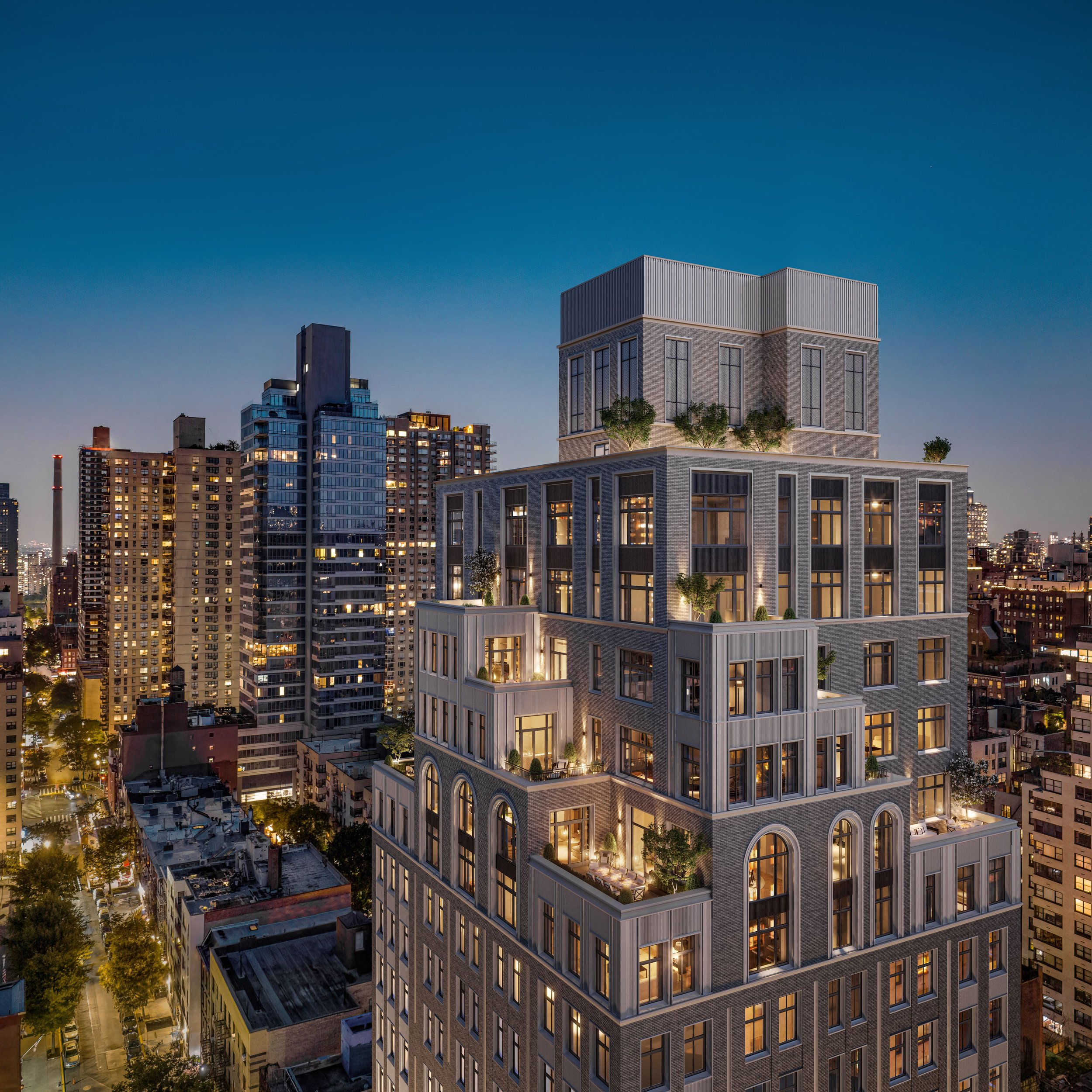
Photo Credit: DBOX
Situated in one of New York's most desirable neighborhoods, the building is just blocks away from Central Park and surrounded by cultural landmarks, upscale boutiques, and fine dining establishments. 200 East 75th Street is not just a residence; it's a statement of luxury and a testament to the enduring allure of the Upper East Side.
Have a listing you think should be featured contact us or submit here to tell us more! Follow Off The MRKT on Twitter and Instagram, and like us on Facebook.
The thriving cosmopolitan landscape of New York City is nothing short of alluring, with its iconic landmarks, diverse cultural offerings, and seemingly endless array of dining and entertainment options. However, alongside this wealth of attractions comes the reality of soaring living costs, prompting prospective renters to search for creative ways to make the most of their urban lifestyle without sacrificing their financial wellbeing.
One innovative solution that has been rapidly gaining momentum is the concept of co-living – a modern, cost-effective approach to shared living that offers numerous advantages for those navigating the competitive rental market in the Big Apple.
In this blog post, we invite you to join us as we delve deeper into the fascinating world of co-living, exploring its many benefits while also considering the aspects that set it apart from traditional rental arrangements.
We will discuss the affordability, convenience, and potential for community building that co-living offers, as well as the factors that may play a role in determining whether this unique approach is the right fit for your individual needs and circumstances.
As we navigate the multifaceted landscape of co-living in New York City, you will be equipped with the knowledge and insight necessary to make informed decisions about your rental journey and determine if this intriguing alternative could be the key to unlocking a more cost-effective and fulfilling urban lifestyle.
With the expertise and guidance of Off The MRKT's team of skilled real estate professionals at your disposal, you will be well prepared to explore the dynamic possibilities that this innovative living arrangement can offer, as you redefine what it means to be a modern city dweller in the captivating metropolis of New York City.
One of the most compelling reasons for considering co-living is the affordability it provides in comparison to traditional rental options in New York City. Co-living spaces typically offer fully furnished accommodations that include utilities, Wi-Fi, and various amenities, all wrapped up in a single, all-inclusive rent payment. This setup not only simplifies the financial aspects of renting but also makes budgeting easier, as renters can anticipate a consistent monthly expense without any hidden costs.
Beyond financial advantages, co-living arrangements also offer an immense degree of convenience. The shared living spaces are often designed with modern features and amenities, such as fully-equipped kitchens, smart home technology, communal workspaces, and even gyms or recreational areas. Additionally, maintenance and housekeeping services are often included, taking the burden of chores and upkeep off the shoulders of co-living residents, enabling them to focus on their professional and personal pursuits.
For many residents, the sense of community fostered in co-living spaces is an invaluable aspect of this unique living arrangement. Co-living environments are designed to promote social interactions through shared living spaces, communal dining areas, and often, organized events and activities that encourage residents to connect on a deeper level. This community-driven approach can be a boon for newcomers to the city seeking to make friends, build networks, and establish a sense of belonging in their new surroundings.
Moreover, co-living residents often find that living with a diverse group of individuals results in a dynamic and stimulating environment that can foster creativity, personal growth, and the exchange of ideas. This diverse and engaging atmosphere is particularly intriguing for artists, entrepreneurs, and creatives who may find inspiration and motivation from their fellow co-living residents.
As inviting as co-living may appear, it's essential to consider whether this living arrangement will suit your individual needs, preferences, and lifestyle. Here are a few points to take into consideration during your decision-making process:
Private vs. Shared Space: While co-living spaces offer a mix of private and communal living areas, it's crucial to evaluate your comfort level with sharing spaces such as kitchens, bathrooms, and living rooms. If you value a significant amount of privacy and solo time, the co-living environment may not be the ideal choice for you.
Compatibility: Co-living spaces thrive on connection and community, so it's essential to assess whether you can see yourself forming positive relationships with your potential housemates. It's worth considering if the management of your chosen co-living space takes into account the compatibility of residents when organizing living arrangements.
Lease Terms: Depending on your circumstances, you may be seeking a long-term rental solution or merely a temporary living arrangement. Be sure to scrutinize the lease terms of your prospective co-living space, as some may require a minimum stay duration or impose penalties for breaking the lease early.
With an array of co-living options available throughout New York City, it's crucial to find a space that aligns with your needs, preferences, and vision for your ideal living environment. To help you navigate the co-living landscape, keep these tips in mind:
Research: Prioritize thorough research on a co-living space's neighborhood, amenities, and rental terms. Utilize online resources, such as reviews from current or former residents, to obtain a well-rounded perspective on the space.
Schedule a Tour: Before committing to a co-living space, schedule a tour in person (or virtually) to get a better understanding of the physical layout, atmosphere, and overall vibe. Use this opportunity to ask questions about the management, house rules, and the community of residents.
Budget: Determine a clear budget for your co-living arrangement, taking into account any additional costs such as application fees, security deposits, and optional add-on services.
Embracing the concept of co-living offers numerous benefits for prospective renters seeking an affordable, community-driven living experience in the heart of New York City. Such an arrangement can foster meaningful connections, stimulate personal growth, and provide a convenient and budget-friendly solution for navigating the city's dynamic rental market.
Ready to redefine your urban lifestyle with co-living in NYC? Off The MRKT is here to guide and support you every step of the way! Our dedicated real estate professionals can help you evaluate the various aspects of co-living, understand its advantages and considerations, and follow practical steps to find your ideal co-living space. With our expertise and guidance, you'll be well-prepared to embark on this exciting and innovative journey. Contact us today to learn more about how we can help you find the perfect co-living arrangement in the captivating city that never sleeps!
Discover the epitome of Upper East Side luxury at The Treadwell. Explore residences curated by Billy Cotton, showcased at a star-studded event attended by New York's tastemakers
Read MoreImmerse yourself in the grandeur of Greenwich's most coveted property at 545 Indian Field Road. Priced at an impressive $49.5 million, this Georgian Colonial masterpiece commands a waterfront presence like no other
Read MoreExplore Chelsea's duplex penthouse with Ian Slater of Compass as he tours this 3,800 sq ft luxury residence features a grand great room, an exquisite chef's kitchen, and a private Zen Den terrace, embodying a seamless blend of history and modern elegance in Manhattan
Read MoreExplore Brooklyn's pinnacle of luxury and sustainability with the $4.6M Williamsburg penthouse at 207 N 8th St Unit PH, presented by Compass founding agent Steve Halpern.
Read MoreDiscover THE 74, a new pinnacle of luxury on Manhattan's Upper East Side
Read MoreAs winter gives way to the vibrant hues of spring, New Yorkers with a penchant for luxury and outdoor living find themselves in a season of rejuvenation. This year, several exclusive residences in the city are showcasing their private outdoor spaces, perfect for entertaining, relaxation, and enjoying the beauty of nature. Here's a look at some of these exquisite properties, each offering a unique way to welcome the spring season.

Photo credit David Paler
The Wales, a boutique hotel turned condominium in Carnegie Hill, features a Penthouse that epitomizes luxury outdoor living. Priced at $21.5 million and represented by Adellco, this residence boasts a massive 3,114 square foot terrace over two levels, offering panoramic views of Central Park. The Penthouse's elegant design and expansive outdoor spaces make it an ideal location for springtime enjoyment.

Photo credit Hayley Ellen Day & Joel Pitra of Dreps
In the sophisticated neighborhood of Chelsea, 313 West 20th Street stands as a beacon of grandeur. Listed at $12,500,000 and represented by Vickey Barron, this expansive townhouse features multiple private outdoor spaces, perfect for embracing the spring season in style.

238 Greene Avenue in Brooklyn’s coveted neighborhood is a single-family townhouse that marries upscale finishes with the joys of outdoor living. Priced at $3.5 million and represented by Bianca D’Alessio of Nest Seekers International, this residence includes a backyard, sun terrace, and rooftop deck, offering a serene escape in the heart of the city.

Photo credit Brad Dickson and Jakob Dahlin
Residence 2A at 145 Central Park North, priced at $2,995,000 and represented by Mike Fabbri of Nest Seekers International, features a 500+ sqft landscaped terrace with an outdoor kitchen. This 3-bedroom residence provides a lush, private space for residents to enjoy the spring season amidst the urban landscape.
These residences not only offer luxurious indoor living spaces but also provide an opportunity to indulge in nature's beauty, right in the heart of New York City. As spring unfolds, these outdoor spaces become the ultimate urban sanctuaries, blending the best of both worlds.
Have a listing you think should be featured contact us or submit here to tell us more! Follow Off The MRKT on Twitter and Instagram, and like us on Facebook.
The fast-paced urban lifestyle of New York City offers numerous advantages and opportunities. However, amidst the concrete jungle, people often crave a stronger connection to nature—an aspect that has gained increasing attention in the realm of interior design. Biophilic design, which focuses on incorporating natural elements into built environments, has emerged as a popular trend, aiming to enhance well-being, reduce stress, and promote overall health. In this comprehensive guide, we'll explore the concept of biophilia and its intrinsic connection to our well-being and provide practical tips for integrating biophilic design elements into your NYC home.
In the bustling landscape of New York City, nurturing this connection to nature within our homes is particularly crucial. Not only can it enhance our quality of life, but it also helps create more sustainable living environments that promote a sense of belonging within the city's dynamic urban fabric.
Join us as we delve into the transformative world of biophilic design, and learn how to seamlessly integrate nature-inspired elements in your New York City residence—creating a healthy, vibrant, and nurturing sanctuary that fosters a deeper connection to the natural world. From simple décor additions to innovative architectural solutions, we'll explore an array of techniques tailored to diverse preferences, budgets, and lifestyles, empowering you to embrace the power of the great outdoors within the comfort of your urban abode.
One of the most straightforward approaches to incorporating biophilic design elements into your NYC home is by adorning your space with indoor plants. Adding greenery not only boosts aesthetics but also brings several health benefits such as improving air quality, reducing stress, and promoting overall well-being. Here are some tips for integrating plants into your interior design:
- Choose plants that suit your lifestyle and space: Opt for low-maintenance plants if you have a busy schedule or have limited access to natural light. Some popular options include snake plants, pothos, and ZZ plants.
- Consider various forms of greenery: Apart from traditional potted plants, explore alternative options such as hanging planters, wall-mounted plant shelves, or even green walls (vertical gardens) to conserve floor space.
- Harmonize with your décor: Select planters that complement your home's aesthetics, using them as decorative accents to enhance your overall design scheme.
Incorporating natural materials and organic textures can evoke a sense of warmth and comfort, further enhancing your connection to nature. From furniture to flooring, the possibilities are endless. Here are some ideas for integrating these elements into your NYC home:
- Use wood to conjure warmth: Wooden furniture, flooring, or wall panels lend a natural appeal while adding warmth to your space. Opt for sustainable or reclaimed wood options for an eco-friendly touch.
- Incorporate natural stone: Stone accents, such as marble countertops, slate tiles, or even pebble planters, add a touch of earthy elegance while creating a serene ambiance.
- Reinforce your design with organic textiles: Choose textiles made of natural fibers such as wool, cotton, linen, or jute, which feel soft to the touch and bring a sense of nature into your décor. Experiment with color, pattern, and texture to further enhance visual interest.
Maximizing natural light and capitalizing on outdoor views contribute to a more open, airy, and dynamic living space. Achieving this in an urban environment can be challenging, but with some clever design strategies, it's possible to create a sense of expansiveness and connection to the outdoors. Here's how:
- Optimize window placement: Where feasible, consider strategic window placement to allow for ample natural light and captivating views of the surrounding cityscape. For instance, positioning a window opposite a courtyard or park can offer a refreshing nature-inspired vista.
- Emphasize transparency: Use glass partitions, doors, or windows to enhance connectivity between the indoors and outdoors.
- Use mirrors strategically: Placing mirrors opposite windows or in positions that capture the view outdoors can amplify the sense of light and space, making your home feel more connected with nature.
To further immerse yourself in biophilic design, consider embracing nature-inspired patterns and artwork that evoke organic shapes and forms. This can subconsciously strengthen your bond with the natural world and create a cohesive, holistic design. Here are some ideas:
- Utilize organic patterns: Adding patterns inspired by nature, such as botanical prints, floral designs, or abstract forms, can enhance your connection with the outdoors. Incorporate these patterns in textiles, wallpaper, or even the shape of furniture.
- Display nature-inspired artwork: Curate a collection of art pieces that reflect your appreciation for the natural world, such as landscape paintings, botanical illustrations, or abstract pieces incorporating natural elements.
- Experiment with natural colors: Bring a touch of nature to your home's color palette by selecting hues inspired by the outdoors, such as earth tones, vibrant greens, or calming blues. Be mindful of balance and harmony to create a soothing atmosphere.
The transformative power of biophilic design is unmistakable, offering a wealth of benefits ranging from reduced stress and enhanced well-being to the creation of more sustainable, harmonious living environments. As urban dwellers in New York City, harnessing this connection to nature within our homes becomes all the more crucial, fostering a sense of belonging and tranquility amidst the bustling cityscape.
By enriching our spaces with indoor plants and greenery, embracing natural materials and organic textures, harnessing natural light and outdoor views, and integrating nature-inspired patterns and artwork, we can create healthy, vibrant homes that nurture our innate bond with the natural world—ultimately enhancing our overall quality of life.
Intrigued by the prospect of incorporating biophilic design elements into your NYC home? Connect with Off The MRKT today to be updated with New York real estate news. Our team of dedicated experts will help you find the perfect residence in the heart of the city to explore your passion for nature-inspired interiors.
Looking for a new place to live or just curious about what's on the market? Check out our top open houses this weekend.
Read MoreDiscover the blend of history and modern luxury in Oleg Cassini's former Gramercy Park townhome. Explore this neo-gothic masterpiece with its grand great room, stunning stained glass features, and plush bedrooms.
Read MoreNew York City, known for its bustling streets and towering skyscrapers, also harbors cozy sanctuaries for those who relish the winter season.
Read More