
Common Hidden Costs in Heavy Renovation Projects
Major renovations often look manageable during early planning. A contractor bid may cover the obvious work, but the final cost can rise once walls open and inspections begin.
Homeowners and investors should be familiar with the common heavy renovation costs that can hide during renovation projects before signing contracts. A stronger budget accounts for visible upgrades and the less obvious issues that can affect cash flow.
Structural Issues Behind the Finishes
Older properties can hide framing damage, foundation movement, or roof problems. These issues often appear after demolition starts. Structural repairs can affect the full project scope, so hiring an experienced inspector is crucial to spot these issues up front.
Outdated Electrical and Plumbing Systems
Many heavy renovations include kitchens, bathrooms, basements, or additions. These areas often reveal outdated wiring or aging pipes.
Electrical panels may also need upgrades to support modern appliances. Plumbing lines often require repairs and replacement when corrosion or leaks limit the renovation plan.
Code Compliance and Permit Changes
Building codes can change long after a property gets built. A renovation can trigger required upgrades to stairs, windows, insulation, smoke alarms, or accessibility features.
Permit revisions can also add costs. Local officials may require new drawings or additional inspections before the project can continue.
Mold, Water Damage, and Pest Problems
Water damage and resulting mold are some of the most common and costly issues in house flips and renovations. Moisture can sit behind drywall or under flooring for years. Once crews expose the damage, remediation can become urgent.
Pest damage can create similar budget pressure. Termites, rodents, and carpenter ants can weaken wood framing and require specialized treatment.
Material Price Changes
Material costs can shift between the estimate date and the purchase date. Flooring and fixtures can also face delivery delays. A budget should include room for price changes. This approach helps protect heavy renovation costs from sudden market pressure.
Design Revisions and Scope Creep
Small changes can create large cost increases. A new layout choice may require more electrical work or new plumbing routes. Clear selections reduce the chance of surprise spending. Homeowners and investors can also keep renovation on time and budget by setting decisions before work begins.
Carrying Costs During Delays
Renovation budgets should include more than labor and materials. Ownership costs continue while the property remains under construction.
Common carrying costs include:
Loan payments
Property taxes
Insurance
Utilities
Storage fees
Temporary housing
Security costs
Investors should watch these costs closely. A longer timeline can reduce resale profit or rental return.
Financing Gaps and Draw Timing
Large renovation projects often require careful cash planning. Contractors may need deposits before funding arrives.
Investors comparing ground up vs. heavy construction should review how each project type handles budget risk, timelines, and financing structure. Renovation projects may start faster, but unknown conditions can still strain reserves.
How to Plan for Hidden Costs
A realistic renovation budget should include a contingency fund. Many major projects benefit from a reserve that matches the age, condition, and complexity of the property.
Owners should also order detailed inspections before closing or construction. Clear bids, written scopes, and steady communication can reduce budget surprises.
Hidden costs do not always make a renovation a poor decision, but they do require better planning and a more disciplined financial cushion. Knowing what to look for by identifying these common issues can help contractors and homeowners plan ahead.
Have a listing you think should be featured contact us or submit here to tell us more! Follow Off The MRKT on Twitter and Instagram, and like us on Facebook.
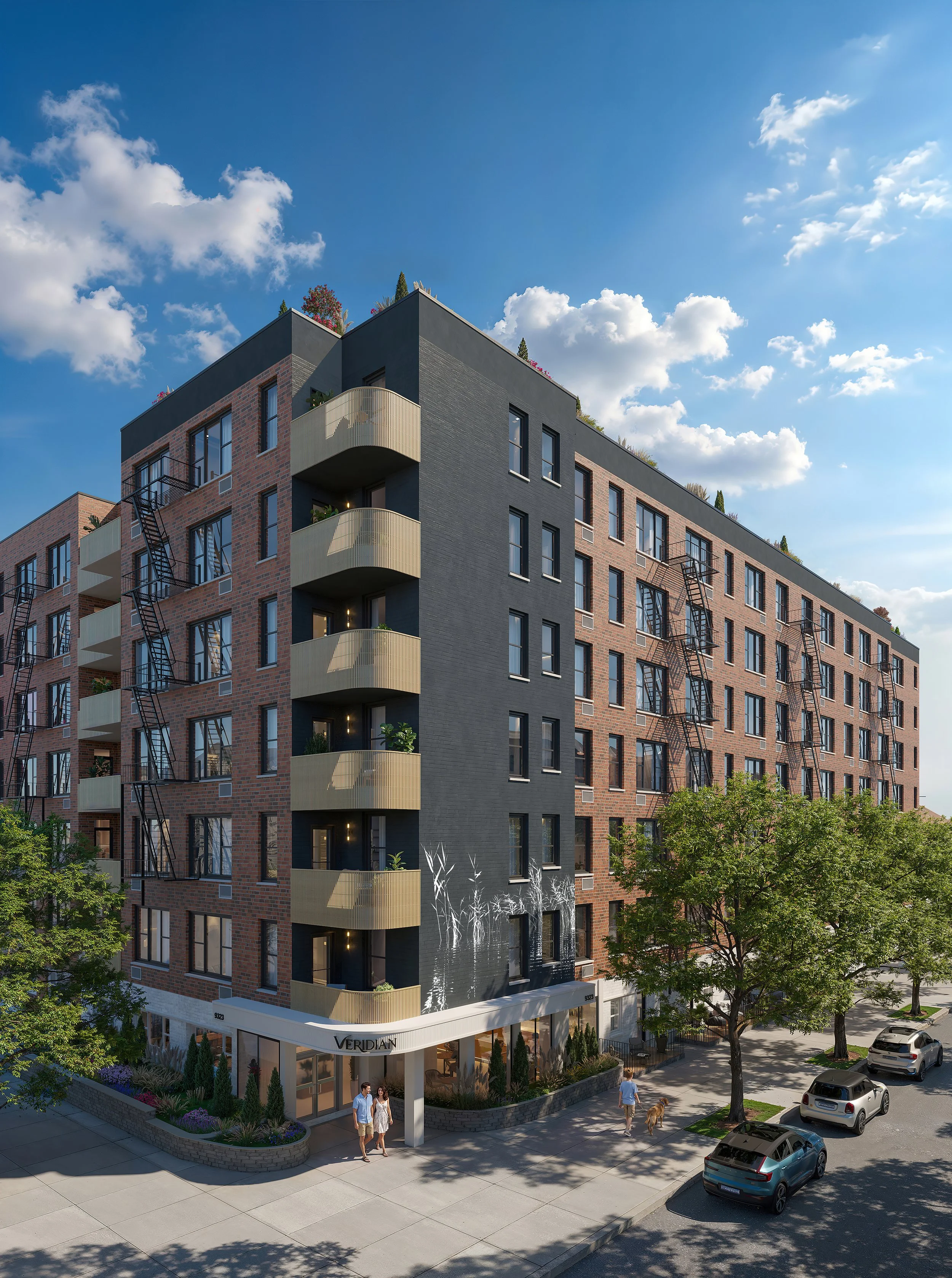
RockFarmer Properties has launched sales at The Veridian, a renovated 78-unit cooperative on the Bay Ridge waterfront, with studios from the $300,000s and a new rooftop skydeck overlooking New York Harbor.