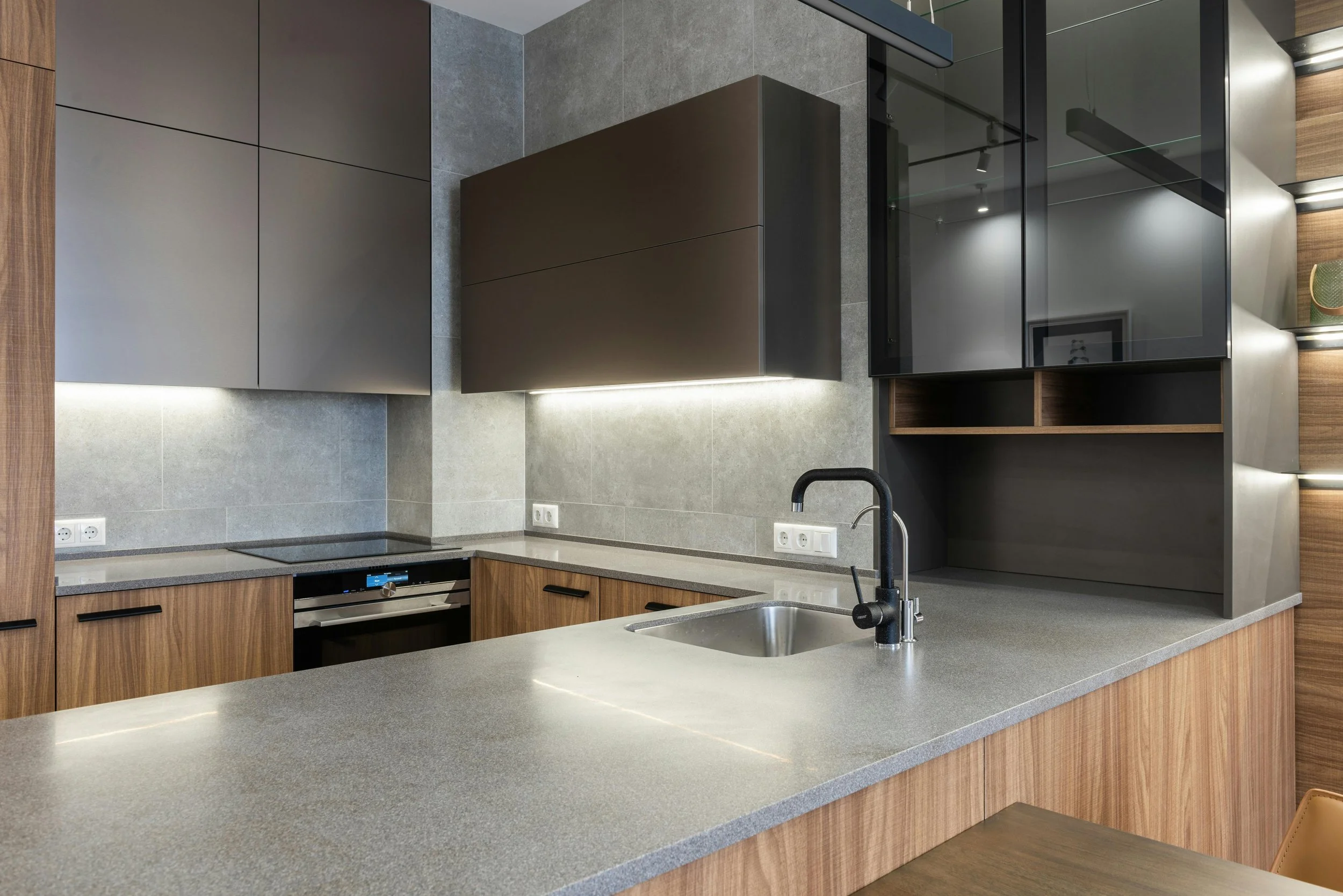
How to Keep Your Renovation on Time and on Budget
Older homes are full of character, from vintage moldings to sunlit nooks—but they can also hide unexpected surprises behind the walls, like outdated wiring, plumbing issues, or structural quirks. Tackling a remodel can feel overwhelming, but with a thoughtful plan, realistic budget, and the right team, you can keep your project on schedule and on budget. The result? A home that looks stunning, functions beautifully, and reflects your personal style—without the stress of last-minute surprises.
Define the Scope Before You Swing the First Hammer
Most delays start with a fuzzy plan. Write down what you want to change, what must stay, and what you can postpone if costs rise.
Try this quick sort:
Must-haves: safety fixes, better flow, more storage
Nice-to-haves: statement lighting, fancy tile, extra built-ins
If you’re tackling a full-home renovation, consider phases. Fewer moving parts mean faster choices.
Set a Budget That Includes a Buffer
A good budget is a map, not a wish. Build it around labor, materials, permits, and a cushion for older-home surprises.
Plan for:
Design/planning and permits
Core trades (demo, framing, electrical, plumbing)
Finishes (cabinets, counters, flooring, paint)
10–20% contingency
Ask about allowances (set amounts for items you’ll choose later). Knowing them early prevents “small upgrades” from snowballing.
Hire the Right Pro—and Communicate Like Teammates
If you are in or near the Bay Area, make sure to work with a remodeling contractor in the Bay Area who does more than just show up with a truck and confidence. Look for a licensed and insured team with decades of experience, glowing five-star reviews, and a client-focused process that guides you from design through the final walkthrough.
A strong pro takes the time to understand how you live—who cooks, where shoes pile up, and what frustrates you about your current space. That’s how a kitchen remodel or bathroom upgrade becomes not just beautiful, but genuinely functional.
Texas homeowners from Tarrant County often seek partial home remodeling services in Austin that focus on updating high-traffic areas without disturbing the overall layout of the house. Prioritizing targeted renovations allows residents to modernise essential living spaces efficiently while staying within a predictable budget.
Here’s a checklist to make sure you’re covered:
Line-item proposal with a clear scope
Timeline with milestones and inspection checkpoints
Single point of contact for updates
Written change-order process (no mystery math)
Proven work across kitchens, baths, ADUs, decks/patios, roofing, siding, and full-home remodels
Eco-friendly choices matter too: low-VOC paints, responsible disposal, and durable materials that don’t require constant replacing. If you’re updating exteriors, coordinate roofing and siding with insulation and window upgrades to avoid redo costs.
In the Bay Area, where homes often have unique layouts and unexpected quirks, working with the right contractor and maintaining open communication can make the difference between a smooth, stress-free remodel and costly delays.
Decide Early (Permits and Lead Times Are Sneaky)
The fastest projects are the ones where selections are made before the demo. Backordered tile and “we’ll pick the vanity later” can freeze progress.
Before day one, finalize:
Layout and drawings
Major finishes and fixtures
Appliances with confirmed lead times
Permit plan, especially for ADU or major structural work
Order long-lead items first (cabinets, windows, specialty doors), then build the schedule around delivery dates.
Keep the Build Moving With Simple Routines
You don’t need to hover, but you do need a rhythm. A short weekly check-in can prevent confusion.
Keep momentum by:
Answering questions fast
Putting every change in writing
Choosing one decision-maker (goodbye, group-chat gridlock)
Clearing access for crews and deliveries (pets, parking, pathways)
Older Bay Area homes may reveal outdated wiring, uneven framing, or moisture near bathrooms. Good teams explain options plainly and help you pick fixes that protect value without blowing the plan.
Close Out Cleanly So the Work Lasts
The final stretch is where details matter. Schedule a punch-list walk, collect warranty info, and confirm final inspections are signed off.
Ask for:
Care notes for new surfaces and fixtures
Photos and documentation for resale
A plan for touch-ups and small adjustments
When closeout is organized, you start enjoying the space immediately—no lingering loose ends.
Your Next Step
Whether you’re planning a kitchen remodel, a bathroom refresh, deck and patio installation, exterior upgrades like roofing and siding, or a full-home transformation, the formula is simple: define the scope, build a realistic budget, hire a proven team, and decide early. Then comes the fun part—living in the space you’ve been imagining.
FAQs
How long does a kitchen remodel take?
Many projects run about 6–12 weeks once construction begins, depending on layout changes, permits, and material lead times.
Do I need permits for a bathroom remodel?
Often yes, especially if plumbing, electrical, or ventilation changes are involved.
Can I build an ADU and remodel the main house at the same time?
Yes. Combining planning can be efficient, but ADUs add permitting and utility coordination, so timelines are typically longer.
What’s the top reason projects go over budget?
Scope creep and late choices. Early selections and written change orders keep spending more predictable.
What happens in a free consultation?
A walk-through, goals discussion, early budget guidance, and next steps—without pressure.