Luxury Home Security Upgrades Buyers Expect in 2027

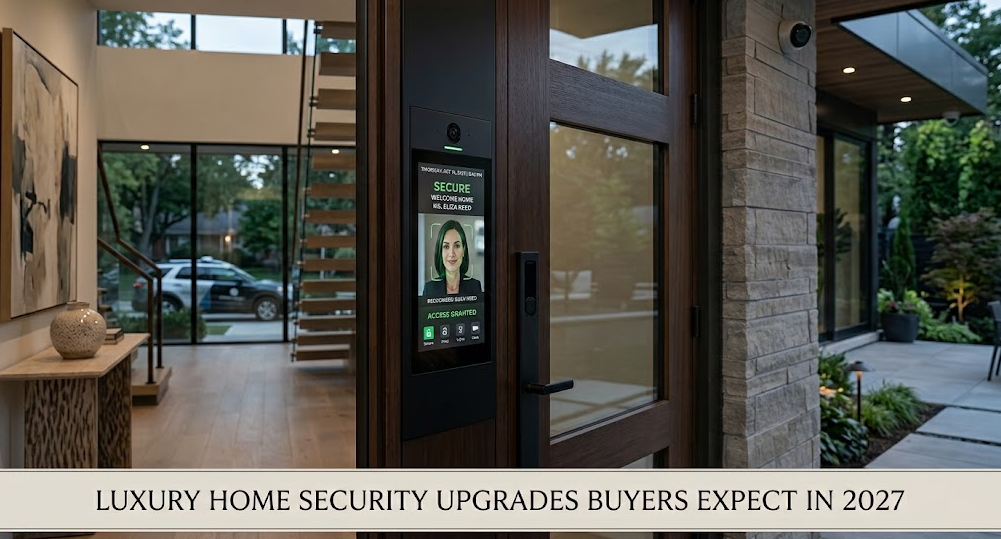
In 2027, the people who want to buy a luxury home look for smart and connected security. They do not want security that is too easy for everyone to see. Most people ask for things like smart locks, video doorbells, and smart garage doors that are strong. They also want gates that come with access control. A lot of buyers look for homes that have cameras and lights that are monitored by experts. A safe house network matters too. They look for homes with strong glass and backup power. A house that has all these can feel ready and safe for people to move in. These homes get noticed, and they stand out when buyers have many choices.

Security used to mean just putting a sticker in the window to show there is an alarm. Now, when people buy nice homes, they want it to do more. They want to be able to see who is at the door on their phone, even if they are not at home. Some people want to let in the dog walker from far away. At every door or gate, people want to feel that it is safe and easy to come in or go out.

After many years working on these homes, I saw something new. People buying the homes ask about the garage and the gate first. They ask about these things before they even talk about the kitchen.

This guide will show you the steps that people buying security now look for. It helps you know what to check in your setup. The guide also tells you where weak spots might be. It gives you ways to find them.

Why Security Now Shapes Luxury Buying Decisions

At the high end of the market, people look for a home that protects their family, their privacy, and their belongings. Many people also have a second home or travel often. So, they want to be able to check on their home's security from anywhere. If the home does not give them that option, it feels more like work to keep it safe, not a place to just live in and feel good.

What Today's Luxury Buyers Want

You can use one app to open and close locks, doors, and gates. You can also see your cameras.

You have privacy from people on the street and from guests you do not want there.

The systems work without noise. They do not add many extra things to your space.

You get peace of mind if you need to be away for several weeks or months.

How Security Affects Property Value

A smart security system that is set up well can make the home look better. It makes the home stand out in pictures and when people come to see it.

If the system is old or missing parts, it can cause problems. People who buy the home may think about the cost to fix it. They may want to pay less for the home because of this.

Many insurance companies will give a discount if you have a smart security system that is monitored. This is something people want when they get a new home.

Smart Entry: The First Upgrade Buyers Look For

The front door is the first thing people look at when they want to feel safe in a house. Many homes now have smart locks and video doorbells that you can spot right on the front door. Buyers want to see these things there. It is clear to them if smart locks or video doorbells are missing.

Smart Lock Features Buyers Expect

You can open the door with your fingerprint, a keypad, or your phone.

It lets you make short-term codes for the housekeeper, contractor, or guests.

The lock shuts by itself after some time and tells you if the door is not locked.

It works with the Matter standard, so devices from different brands can work together.

A good smart lock usually costs between $200 and $450 for each door.

Video Doorbell Must-Haves

The camera lets you see clear video. It shows a large space in each shot.

Night vision works well, so you can see everything, and you can talk both ways to people.

The camera finds packages. Buyers can look at their deliveries right away.

You can choose local storage or use cloud storage. All clips stay safe with encryption.

Smart Garage Doors: The Entry Point Buyers Now Ask About

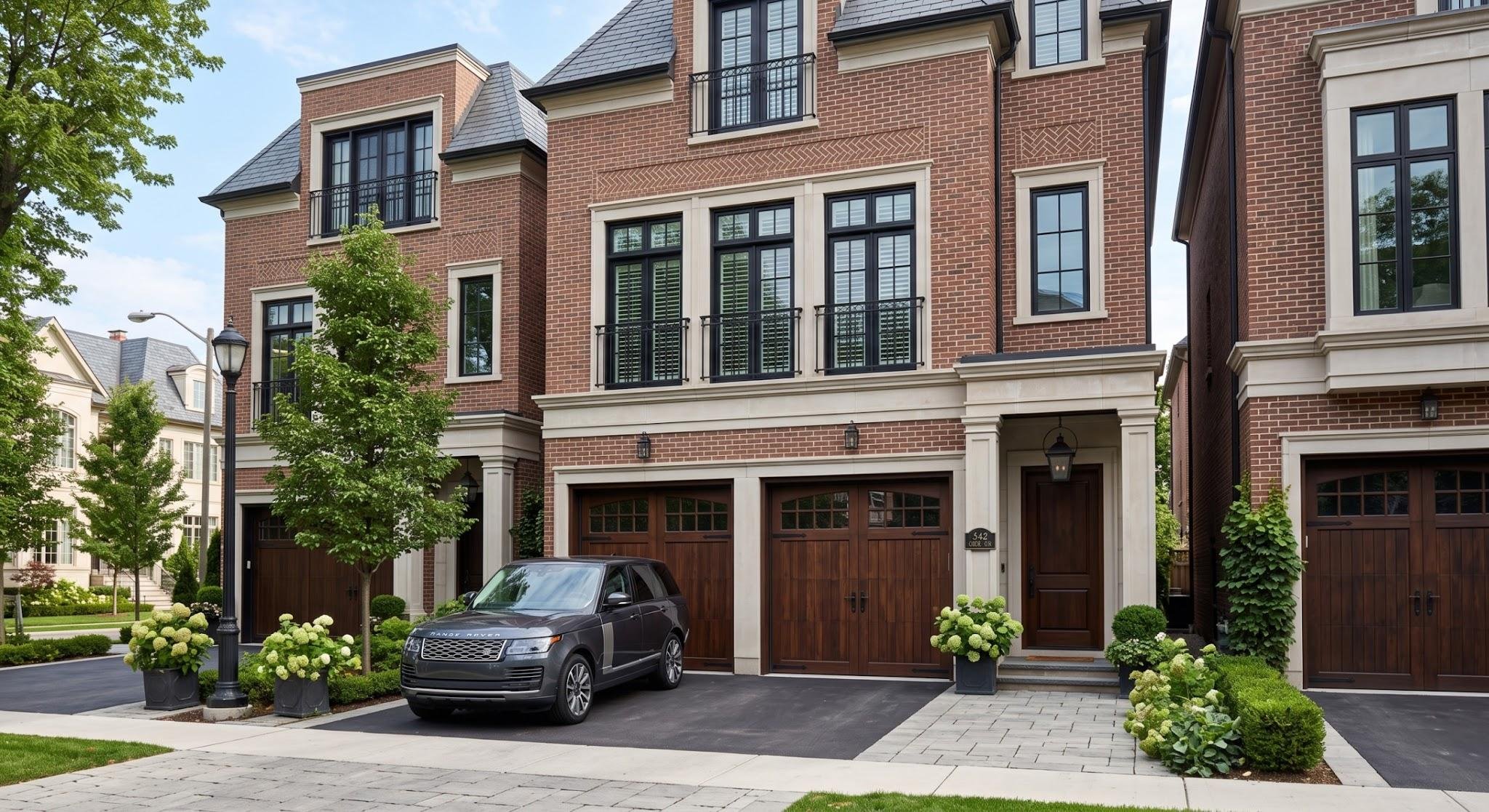
For lots of families, the garage is the main place they use to come in and out of the house. This is why the garage door is one of the top security features. People who want luxury homes also want the garage door to have smart features and security like the front door.

Smart Garage Door Features in Demand

App control helps you see, open, or shut the door with your phone, no matter where you are.

Real-time alerts tell you right away when the door opens, closes, or stays open too long.

Scheduled auto-close will shut your door at night if you leave it open.

In-garage delivery puts your packages inside, so they do not get left outside.

Built-in cameras on some models let you watch live video of what happens in your garage.

Security Features Inside the Opener

Rolling code technology makes a new code every time you use the door. This helps stop people from getting your code.

A battery backup lets the door work even when there is no power in the house.

The keypad helps you get in, and you can set a new code any time you want.

Vacation mode keeps your remote from working while you are away.

Upgrading the Door Itself

Thick, insulated steel garage doors are better than the ones with just a thin layer. They are less likely to get dents or be opened by force.

Windows at the top of the garage door let light in. People outside cannot see inside.

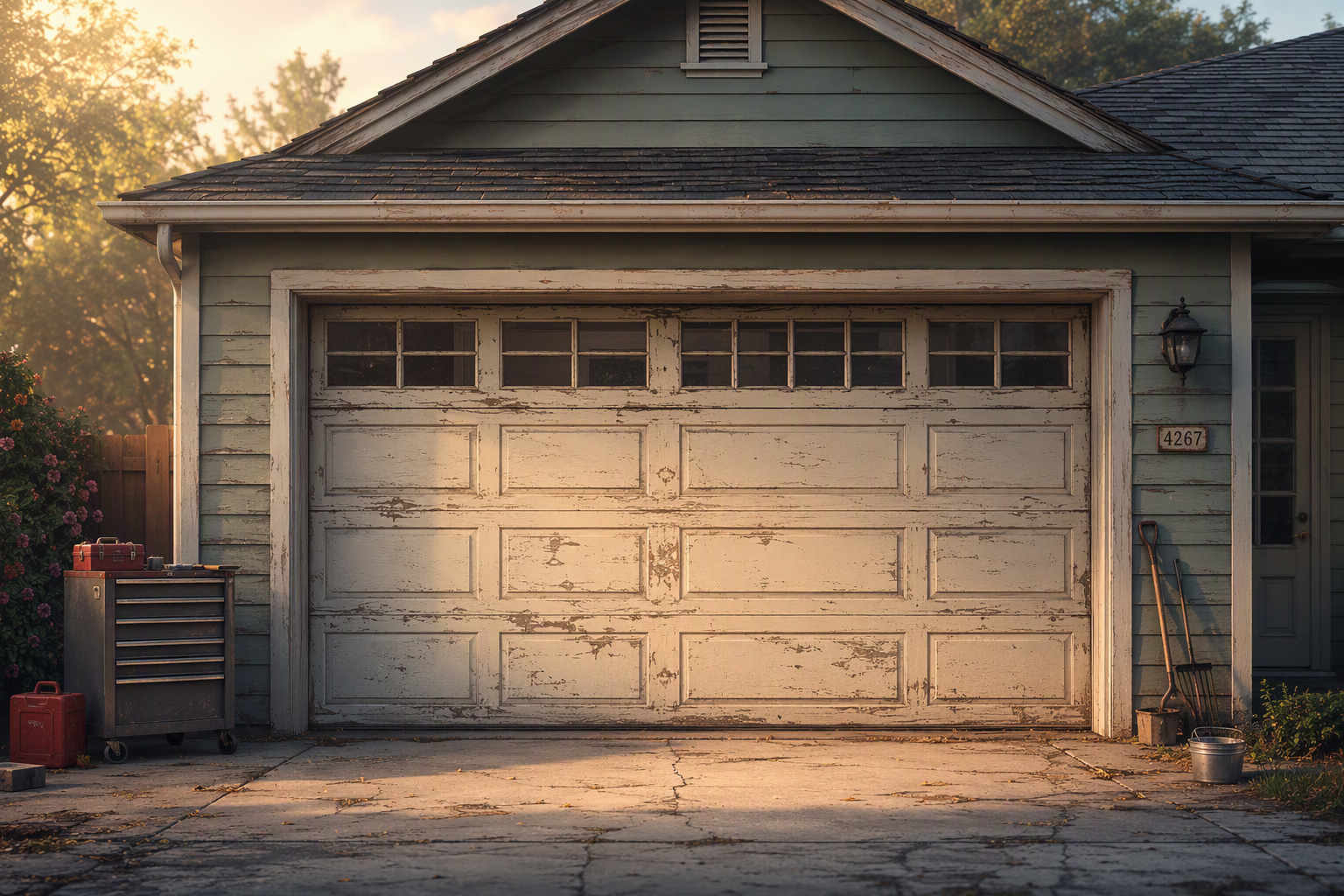
If your garage door is old, you can call a pro for Garage Door Installation. A smart opener can make the garage safer and help your home look nice.

Hidden Garage Weak Spots That Undercut Security

A smart opener will help, but it is not enough to keep your home safe if the door or other parts are not strong. A lot of people break in by using the garage. This is because many people do not think of the garage when they talk about home security. It is easy to fix these weak places, and it does not cost a lot.

Common Garage Security Weak Points

The emergency release cord is easy to reach through the top part of the garage door. With a simple tool, you can grab it.

The door from the garage into the house is not strong. It often has a thin lock and is a hollow door.

Remotes left in cars that are parked let people get into the home. If someone breaks into the car, they can use the remote garage door opener.

Older garage openers that do not have rolling code use the same signal every time. A person can copy the signal and get in.

When Hardware Needs a Pro

A garage door may stay half open or be lifted easily if the springs are worn, the cables are damaged, or the tracks do not line up.

These garage door parts need to be handled with care because of the high tension. Only trained experts should fix or work on them.

If you are in Dayton, you can look at Garage Door Repair in Xenia, OH to get help for garage doors with weak or broken parts. It is best to repair the garage door before it causes a safety problem.

A solid-core door for your entry and a deadbolt for the house will cost about $500 to $1,200.

Gates and Perimeter Control for Privacy at the Property Line

Many people who buy luxury homes want to feel safe from the moment you reach the edge of the property, not just at the front door. The use of automated gates and smart controls lets you decide who can come in. These systems also give you more privacy, which is something famous or well-known people often want.

Automatic Driveway Gate Features Buyers Want

The gate moves quietly and smoothly when it opens or closes. It can swing or slide, so that makes it fit many kinds of driveways.

Video intercoms let you see and talk to someone at the gate. You can do this by using your phone.

Safety sensors stop the gate if it finds a person, animal, or car in its path.

If there is no power, the gate has a battery backup or the option to open it by hand.

A full automatic gate system costs between $5,000 and $15,000. The cost changes based on how big the gate is and what materials are used.

Smart Access Control Options

Keypads let every person in the family, or any helper at home, use their own code.

You can give or take away access using a phone. This happens fast.

Cameras read car license plates. They let in vehicles you have said yes to.

Activity logs show who got in and when they did.

Cameras, Lighting, and Monitoring That Work Around the Clock

Visible protection can help to keep intruders away. Smart monitoring can catch things that people do not always see. Most people who buy luxury homes want to have both this kind of visible protection and smart alerts. But they do not want big machines or tools that would change the way their home looks. Today, there are new kinds of systems that will fit in with the home. These systems will only send an alert when something important happens.

Security Camera Features Worth Having

2K or 4K resolution lets you see everything at night in color.

Smart alerts tell you if you get a person, car, or animal on camera.

The camera can watch all entries like the side doors, garage, and driveway.

The design is simple. It is made for bad weather and fits well on outside walls.

Smart Exterior Lighting Ideas

Put lights at entries, walkways, and the garage that turn on when they detect movement.

Use lights around the yard to take away dark places where someone could hide.

Set the lights to follow a plan. This can make it look like people are home even if they are not.

Link lights with cameras, so the lights turn on if they detect any movement.

Build a Home That Feels Secure the Moment Buyers Arrive

In 2027, people who buy the best homes want to feel safe at all times. They look for security that covers all the doors and gates in their house. You need to be able to use it from anywhere you are at the time. A lot of people want this security to be hidden so you do not see it when you look at the house. A house must have smart locks, a strong garage, gates you can control, and clear cameras that show who is at your door or gate. A network that is hard to hack is also very important. A home that has all these will feel safe for the people who live there and for any new people who come to stay.

Your Security Upgrade Checklist

Add smart locks and a video doorbell at each main entry.

Upgrade the garage door and opener to smart ones that use rolling code features. Be sure it has a battery backup too.

Close any gaps you find at the gate, along the fence line, or in the side yards.

Put cameras and motion lights at entries for good coverage.

Keep the home network safe. Keep all the device info in one place to make handoff simple.

If the garage door looks old or does not work well, Dodson Garage Door can check it out. They will help you pick a smart and safe garage door that fits your home.

/
script>

8 Signs Your Garage Door Needs Repair Before It Fails

If your garage door starts to make new sounds, goes slow, stops partway, hangs unevenly, turns back for no reason, or you see parts like springs, cables, rollers, or the opener begin to wear out, you should get it checked. These warning signs can be seen weeks or months before the garage door stops working. If you look out for these signs early, it keeps your family safe and makes what could be an emergency feel more like a quick service job.

A garage door is usually the biggest thing that moves in most homes. If you have a steel garage door for two cars, it can weigh over 100 pounds. A family might open and close this several times each day — it happens over a thousand times each year. With all that use, parts of the garage door can wear out little by little. Most of the time, these problems show up without you noticing right away.

Technicians notice this happens a lot. A person at home spots something strange with the door. They think it can wait and don't fix it right away. The door then stops working, often when they are in a hurry. The information below will help you see each warning sign. You will know what you can check by yourself and what steps you can take, so you will not have this problem come back again.

1. Loud Grinding, Squeaking, or Popping Noises

A working garage door makes a steady and soft hum when you open or close it. If you hear new sounds, like grinding, scraping, squealing, or a loud pop, your garage door is showing there may be a problem. These noises can mean a part is getting dry, wearing out, or moving out of place.

What Causes a Noisy Garage Door

Dry rollers, hinges, or bearings that need some oil

Worn rollers with flat spots or cracks in them

Loose nuts and bolts that rattle when the door moves

Garage Door Noise Prevention Tips

Use a silicone or lithium spray to oil the hinges, rollers, and springs every six months.

Do not use heavy grease or oil from your house, as they will hold dirt.

If you hear a loud bang, stop using the door right away and get it checked before using it again.

2. Slow, Jerky, or Uneven Movement

Your door needs to move in a smooth and steady way from the top to the bottom. If you notice that it stops, shakes, or goes quicker on one side, then the parts that help guide and lift it are not working well together.

Common Reasons a Garage Door Moves Slowly

Springs that have lost their pull

Tracks blocked with dirt or other things

Bent or tracks not in line, which cause them to rub too much

Quick Checks You Can Do Safely

Watch a full open and close cycle. Look to see where it gets slow.

Wipe the tracks with a dry cloth. Do not grease them.

Leave track and opener changes for a professional.

3. A Sagging or Crooked Door

When a door is lower on one side, or you see the panels bend in the middle, the door is unbalanced. An unbalanced door makes the opener do more work than it should. This can make the motor stop working much sooner than you want.

Signs of an Unbalanced Garage Door

There is a gap at one corner when the door is closed.

The panels bend down near the center.

The door slides down if you stop it halfway.

How to Test Garage Door Balance

With the door shut, pull the emergency release cord.

Lift the door until it is at your waist level, then let go gently. A door that is in balance will not move.

Do not do this test if a spring might be broken. Afterward, hook the opener up again.

4. Broken, Stretched, or Gapped Springs

Springs are the parts that lift most of the door's weight, not the opener. When a spring gets weak or breaks, the door can feel too heavy to lift. This can also make it not safe to use.

Torsion Spring and Extension Spring Warning Signs

Torsion springs that are above the door may show a clear gap if they break.

Extension springs on the side tracks can look stretched out or rusty.

The door can open just a few inches, then it stops.

Why Garage Door Spring Repair Is a Job for Pros

Springs can have enough tension to cause a serious injury.

Standard springs work for about 10,000 cycles. This is around seven years for one busy household.

Never try to fix or take off a spring by yourself.

Salt in the air by the ocean can make springs and other hardware rust faster. That is why people who need Garage Door Repair in Encinitas, CA often find out that rust is a problem. No matter where you live, take a quick look for rust each month when you check your garage door. This can help you find spring issues early.

5. Frayed, Loose, or Snapped Cables

Lift cables help the springs move the door up and down in a smooth way. When the thin steel wires in the cable begin to wear out, the cable can break fast without any notice. This can make one side of the door drop all at once.

Garage Door Cable Problems to Watch For

There can be loose or broken strands that stick out.

You might see rust spots on the cable.

The door can tilt or go up in an uneven way.

Safe Cable Inspection Habits

Look at the cables from a few feet back when the door is closed.

Do not touch or try to move a cable, especially if it is tight.

Stop using the door, and wait for a technician to check it.

6. The Door Reverses or Won't Close All the Way

Automatic openers that have been sold in the United States since 1993 have to come with an auto-reverse safety system. If you see that your door goes back up for no reason, or it does not move back when there is something in its path, then that system needs to be checked right away.

Common Causes of Garage Door Reversing

Photo-eye sensors that are dirty, blocked, or not lined up the right way

Sensor wires that are loose or broken

Close limit settings that are not set right

Monthly Garage Door Safety Test

Put a roll of paper towels where the door will move and then close the door. The door should go back once it touches the roll.

Move an object through the sensor beam while the door is closing. The door should go back up again.

If the door does not pass these tests, do not use the opener. Get it checked before you use it again.

7. Worn Rollers or an Off-Track Door

Rollers help the door move on its metal tracks. If these rollers break or shake, the door may stick, drag, or leave its track. This is very risky for anyone who owns the home.

Warning Signs of Bad Garage Door Rollers

Rollers that move from side to side or tilt in the track

Wheels that are chipped, cracked, or look flat

A door that skips, stops, or leans while it moves

How to Prevent Garage Door Track Damage

Keep cars, bikes, and bins out of the way of the tracks.

Wait until the door is all the way open before you back out.

If the door comes off its track, unplug the opener and do not try to force it back.

8. An Unresponsive or Inconsistent Opener

The opener has a motor and a control system to move your door. If it works sometimes but not all the time, or if it is on but the door does not move, or the light blinks in a certain way, you might have a problem with the remote, the wiring, or the motor itself.

Common Garage Door Opener Problems

The remote or the keypad will only work when you are close.

The motor makes a humming sound, but the door does not move.

The opener light will blink in a way that may be telling you about a problem.

Simple Opener Checks Before You Call

Change the batteries in the remote and keypad.

Make sure the opener is plugged in. Check if the outlet has power.

Find out how old it is. Most openers work for 10 to 15 years.

If you feel your garage door opener is getting old, you may want to check out some of the new models. Many people looking for a Garage Door Opener in Encinitas, CA find that the latest belt-drive and smart garage door openers are quieter. A lot of these can also send alerts right to your phone.

Repair or Replace? How to Make the Smart Call

Not every warning sign means that you need a new door right away. The best thing to do depends on the age of your door. You should also think about how many parts are not working right. It is good to look at the repair cost and see if it is worth more than getting a better door. This can help you know if you should fix the old door or go get a new one.

When Garage Door Repair Makes Sense

Only one or two parts of the garage door get worn.

The panels stay solid. There is no rot or deep dents.

The cost will be close to the national average for garage door repair. This is about $300.

When Garage Door Replacement Is the Better Choice

Several parts are failing at the same time.

The panels are cracked, warped, or have big dents.

Every year, the repairs keep adding up.

Keep Your Garage Door Safe, Quiet, and Ready for Years

Most garage doors will not break without some signs. They start to show little problems first. If you notice these early, you will avoid one that gets stuck when you need it most.

Encinitas often has nice days around 73°F and cool nights near 59°F. But this coastal air can be hard on a garage door. Humidity is about 68 percent, and fog or drizzle in the morning leaves salty water on springs, cables, and tracks. This makes rust come fast and wears away the lubrication. Dry Santa Ana winds can blow sand and dirt into the tracks. So, it is good to check for rust often, put on fresh lubricant, and look at the bottom seal. These steps help keep your garage door working well.

It helps a lot if you spend a few minutes each month checking things. A professional can tune up your door once a year. Doing both can make springs, cables, rollers, and openers last longer. This also keeps your family safe from the heavy parts that do all the work.

If you have seen any of the eight signs listed above, it is good to let a trained technician check your garage door. A small problem can turn into a much bigger one. ADS Garage Doors and Gates Repair will look at your door, tell you in simple words what is happening, and help you decide what to do next. Contact them now to set up an inspection and make sure your garage door works well again.

/
script>

Custom Home vs. New Build: What Long Island Buyers Should Know

So, which is better on Long Island: a custom home or a new build? A custom home lets you pick everything you want in the design. It can cost more and take more time to finish. A new build, also called a spec or production home, is usually faster. It is more predictable, often cheaper, but you do not get as many choices. The best choice for you depends on how much you have to spend, how fast you want to move in, and if you want to have every detail just how you like it.

On Long Island, picking a place to build your home is not simple. Open land is hard to find, so most new homes are built after an old one is torn down. Town permits take time and can move slow. If a home is close to the South Shore, it may be in a flood zone. That means it will face tougher rules for building. These local issues can change things that a country-wide guide will not cover.

This guide helps you see the difference between the two choices. You will find out where the money will go, how much time each way takes, and what you should check before you sign anything. After you read this, you will know which way is best for your life. It will not just be what you hope for.

What Really Separates a Custom Home From a New Build

Both options will give you a new house. So, the difference is not about age. The big thing is who will make the design choices and when you make them. If you know this at the start, it keeps you from thinking two things are the same just because they look alike.

Custom Home Building Basics

You get an architect or a custom home builder to make a house plan just for you, your family, and the land you have.

You pick how the rooms are set up, how big they are, the height of the ceilings, the size of the windows, and almost all the other details in your new place.

Most people already have the land or buy it first. On Long Island, this often means buying an older home and taking it down.

Each choice you make takes time, so you need to be patient and stay involved, often for a year or even longer.

Spec Homes and Production Homes Explained

A spec home is built by a builder even before there is a buyer. The design is already chosen.

A production home comes with a short list of floor plans you can pick from. You often find these in planned communities.

You may choose preset upgrade packages for things like flooring or countertop styles. Large layout changes are not common.

Many of these homes are move-in ready or almost ready. This makes them a good pick for buyers who need to move quickly.

Where the Money Goes on Long Island

Cost is a big reason people choose what to do, and Long Island can be more costly than other places to build a house. The price you pay for land, workers, and the area's rules all help make prices go up above what you see in other parts of the country. Here is how the money usually gets split up when you build a home in Long Island.

Land and Lot Costs in Nassau and Suffolk County

There are not many buildable lots, especially in Nassau County. So, if you want to build a custom home, a big part of your money might go to the land.

A knockdown rebuild can cost more because you also pay for tearing down the old building, clearing debris, and disconnecting utilities. You pay all that before you even start to build.

If you choose a new build, the land price is usually already part of what you pay. So you won't run into as many extra costs.

Land on the East End and North Shore often costs more because of good views, water access, or better school districts.

Average Construction Cost Per Square Foot

In the United States, the cost to build a home is about $150 to $400 for each square foot. The price depends on the size of the house and what finishes are used.

On Long Island, the price is often higher for each square foot. This is because labor costs more and the building rules are strict.

Custom homes cost more per square foot than other homes. Builders can't buy materials in large quantities or use the same plan again for custom work.

Production builders build many houses at once. They spread the costs of things like design and permits over all the homes. This helps them keep the price down for each house and for each square foot.

Hidden Costs Buyers Often Miss

The cost for architect and engineering work is needed for most custom new construction projects.

A survey, soil test, and getting the site ready are important, especially if the land is sloped or wet.

Some areas in Suffolk County require upgraded septic systems for new construction.

Landscaping, driveways, and fences are things that are usually not included in a new build's basic price.

How Long You'll Wait for the Keys

Time is as important as money, especially when you need to sell your own home or if you are paying rent while waiting. Both of these problems can move at very different speeds. Local permit offices also be a big part in how things go. Most buyers do not see how much their role matters.

Typical Build Timelines

Most production homes take about 6 to 12 months from signing the contract to moving in. A finished spec home can be ready in just a few weeks.

A custom home will often need 12 to 24 months. This time includes the design work, all approvals, and the building.

The weather, delays in getting supplies, and changes to the design can add even more time to building a custom home.

You should ask each builder to give you a written schedule that shows all the important steps, not just the final move-in day.

Zoning and Building Permits on Long Island

Each town, like Hempstead, Huntington, or Southampton, has its own building office. The time to review plans can be different in each place.

If your custom home plan goes over height, setback, or space rules, you may need a variance.

Many homes on the South Shore are in FEMA flood zones. These homes may need to be higher than a set flood line.

Production builders usually get permits for all their homes in a development. This means you do not need to deal with that paperwork.

Design Freedom vs. Ready-Made Convenience

This is where the two choices are very different. A custom home lets you make every room fit the way you live. A new build gives up that freedom. It is faster, and you do not have to make as many choices.

Floor Plan Flexibility

Custom homes help you set up for real life. You can have things like a bedroom for parents on the first floor, or a home office that is not near the kitchen.

New builds come with layouts that most families use. But these might not work if you need something different.

Changing walls after the house is built costs a lot. A plan that fits what you need now will save you money over time.

Try to think ahead about the next five to ten years. Kids growing up, working from home, and getting around the house will all change what layout you should pick.

Materials, Finishes, and Energy Efficiency

Custom buyers choose the brands they want for windows, roofing, insulation, and HVAC.

Production homes use set materials picked for price and speed. Upgrades are sold as packages.

Ask about energy features like heat pumps, spray foam insulation, or roofs ready for solar. These options can help cut bills over time.

Better materials cost more at first. But they can mean fewer repairs later.

Planning the Garage and Curb Appeal

The garage door makes up a large part of the front of most homes. This means its look matters a lot for style, even if people do not notice it right away.

If you build a custom home, you can make room for bigger cars, more storage, or a workshop you plan to have later.

A new home often comes with a plain steel door. Check how well the door keeps heat in, and see how good the opener is before you finish buying.

A good Garage Door Installation is important for both types of homes. The springs, tracks, and safety sensors must be put in right from the start.

Build Quality, Warranties, and the Years After Move-In

A new house does not mean you will not have to do any work on it. How the new house was built, and what the builder says they will fix, help decide what it will cost you in the first ten years. Both ways can work well, but the protections for your new house may not always be the same.

Understanding Builder Warranties

Many builders give what they call a 1-2-10 plan. This means one year for work on the home, two years for the main systems, and ten years for the big parts that hold up the home.

A lot of builders who make many homes use a warranty company. There are steps to follow if you want to make a claim with them.

If you pick a custom home builder, they may make up their own rules for a warranty. Always read the terms and what does or does not get covered, word for word.

It is good to keep every warranty paper, along with the steps the builder gives you for reporting a problem.

Settling Issues in a Brand-New Home

It is normal to see small cracks in drywall or have doors stick a bit during the first year. This is because the wood framing dries out and settles.

If you see water stains, floors that slope, or large cracks in the foundation, that is not normal. You should say something right away.

The salty coastal air and winter freeze-thaw cycles in Long Island can cause outside parts of your house to wear out faster than in other places.

Before your one-year warranty ends, make a list of problems so you do not miss anything.

Planning for Long-Term Upkeep

Put a little money every year into checking your roof, cleaning out the gutters, and getting your HVAC system looked at. This is important even if your house is new.

Parts that move wear out faster. So, you should get garage door maintenance done from time to time. This helps the springs, rollers, and openers keep working well.

Before storm season, seal your decks, check the caulk around windows, and try out your sump pump to be sure it works.

Keep all your paperwork for the house in one place. This can include the manuals, paint names, and contractor info, so you have it ready for any work you need later.

Red Flags to Catch Before You Sign

Most people who have problems with building find that they missed small signs, not just had bad luck. A bit of research before you sign anything can save you from a lot of worry. You should do these checks if you build a custom place or buy a new home.

How to Vet a Home Builder

Make sure the builder has a contractor license for your town or county. They should also have liability insurance.

Go see homes the builder finished at least two years earlier. Ask the owners about how well the house is holding up.

Check if there are complaints about the builder at the Better Business Bureau or your county's consumer affairs office.

Watch out for builders who ask for a big deposit before any plans are done. Don't trust those who refuse to put what they say in writing.

Contract Details Worth a Second Look

Look at how change orders are priced. These are the main reason for custom budget problems.

Check for allowances; these are set amounts for things like lighting or cabinets. Make sure these numbers are possible.

Find out what happens if the project is late. There might be a penalty or a credit.

Get a real estate attorney to read the contract. In New York, this is the usual thing to do.

What to Inspect Before Closing

Hire an independent home inspector for your new house. Try to get a pre-drywall inspection if you can.

Walk through the house with a list in hand. Test every window, faucet, outlet, and door.

Check around the base of the house to make sure water does not go toward the house when it rains.

Before you close, get the certificate of occupancy and all final permits.

Matching the Right Path to Your Lifestyle

There is not just one answer here. The best option depends on what you need. Your money, the time you have, and what you want for the future should help you choose. Trends are not as important. Use these signs to figure out what works for you.

When a Custom Home Makes Sense

You want to live in the same place for ten years or more. The time and money spent will make each day feel better.

You already have a piece of land or a house to renovate in an area that you really like.

Your family needs things like easy access, space for different ages, or a setup for a work-from-home business.

You feel ready to spend many hours and effort. You can make lots of choices over one or two years.

When a New Build Is the Smarter Move

You need to move at a certain time, like before a new school year or before you start your job.

You want to have a set price so there are no surprises from design changes that can cost more.

You like living in a place where homes look the same, there are shared things everyone can use, or the HOA takes care of some of the chores.

You may plan to sell in five to seven years, since these types of homes with standard floor plans often attract more people looking to buy.

Building Toward the Home You'll Actually Love

Choosing between a custom home and a new build comes down to control versus convenience. A custom home rewards patience with a house made just for you. A new build rewards decisiveness with a faster, more predictable move. Either way, the smartest buyers ask hard questions early, read every contract line, and inspect before they close.

The details you finish last, like the garage, often end up being the parts you use every single day. If your search takes you beyond New York, or you already own a home in North Central Florida, finding dependable garage door service in High Springs is one of those small steps that protects a big investment.

When you're ready for expert help choosing, installing, or caring for a door that fits your new home, Alachua Garage Doors is here to guide you. Reach out to schedule a visit and get honest advice before you make your final pick.

/
script>

Easy Living: Renovations That Make Every Day Simpler

Renovations help every day feel easier when they do a few things. They should cut down the steps you take to finish all your usual chores. A good change can also save you time cleaning and looking after the home. Things feel better when you find what you need right where you use it. The top projects are not always the biggest ones. They work best when they focus on what you, your family, and your home need most.

Many homes were made for a different time and different people. The laundry room is two floors away from the bedrooms. The kitchen has just one small space to prepare food. Everyone enters through the garage, but there is no spot for bags or shoes. These small issues can cause problems every single day.

This guide gives you ideas to make home updates easier. It covers things like the kitchen and laundry room. You will also read about smart systems and stuff that is easy to clean. Find out how to plan work on your home so that, when it's all done, life will stay simple.

Designing Around Real Daily Routines

The best way to start a renovation is to watch what goes on in your home each day, not just look at photos for ideas. When you see how your household acts in the space, you know where the house makes things hard for you.

Map Your Household's Daily Path

Start by going through a normal weekday, from when you wake up to when you go to bed, and notice every room you walk through.

Watch out for the paths you use a lot, such as when you go from the garage to the kitchen, or the bedroom to the laundry room.

If you have to walk far while carrying things like groceries or laundry baskets and your arms feel full, it may mean the way rooms are set up is not working well.

Find the Friction Points

Look for spots where things build up every day. If this keeps happening, it may mean you need storage in that area.

Watch for tight spots, like when two people bump into each other at the same counter or at a doorway.

Write down jobs that feel hard to do just because of the area, not because of what you have to do.

Kitchens That Work Smarter

The kitchen is the place where most people spend the most time in their home. Even small changes in how things are set up can help a lot every day. The main aim is to take fewer steps, bend less, and have more space on the counter that you can use.

Layouts That Cut Steps

Group things by what you do in each area. Make a prep area near the sink, a cooking area next to the stove, and a cleaning area close to the dishwasher.

Make sure there is a clear walkway between the sink, stove, and fridge. This way, people cooking will not have to go around others.

A kitchen island or peninsula can give you more room to get ready. It also lets your family sit nearby, but still out of the cook's way.

Storage That Puts Things Within Reach

Deep drawers for pots and pans are much easier to use than low cabinets that have fixed shelves.

Pull-out trash and recycling bins keep waste out of sight and near the prep area.

A pantry with shelves that you can adjust makes it easy to see all that you have.

Power and Charging Where You Need It

Add outlets along the islands and big counters. This helps so small appliances like toasters and blenders do not end up crowding just one corner.

A charging drawer or nook that is set aside helps keep phones and tablets off the main workspace.

Lighting under the cabinets makes it safer and easier to chop food and read recipes.

Laundry and Mudroom Makeovers

Laundry and entry areas are the places in a home where people do many tasks again and again. If you move these spaces or change how they look, you can save much time every month.

Moving Laundry Closer to Bedrooms

Most dirty clothes begin in bedrooms and bathrooms, so having a laundry room close by saves you the trips up and down stairs.

An upstairs laundry should have a drain pan under the washer and a leak sensor. This helps keep the floors safe below.

If you cannot move the whole laundry, a laundry chute or a folding space on the bedroom floor can still help you a lot.

Building a True Drop Zone

Put it where the family comes in most. In a lot of homes, this means the door that leads in from the garage.

Add a bench, some hooks, cubbies, and a space to keep keys and mail.

A small closet or cabinet can hide things like coats for other seasons. This helps the area look neat and feel calm.

Low-Maintenance Materials and Finishes

Every part of the home needs some care. But if you pick the right things, you can make that job much easier. When you are fixing up your home, think about how much time each thing you pick will take for you in the next ten years.

Floors That Forgive Daily Life

Luxury vinyl plank can handle scratches, water, and messes from pets.

Porcelain tile is tough. It is good for the kitchen, bathroom, and entryways.

Matte or textured finishes make dust and footprints harder to see than shiny ones.

Countertops and Backsplashes

Quartz does not need to be sealed, and it resists most stains that you get in the kitchen or bathroom.

When you use large-format tile on backsplashes and shower walls, you get fewer grout lines to scrub. This can make cleaning easier for you.

Pick a darker or mid-tone grout in areas with lots of use. That way, stains do not show up or stand out as quickly.

Exterior Materials That Skip the Upkeep

Fiber cement siding is strong against rot, hail, and pests. It also keeps paint on better and longer than wood.

Composite decking will not need you to stain or seal it each year.

Steel garage doors that come with factory finishes and insulated cores need much less work than wood doors. Wood doors need to be finished again often.

Smart Systems and Automated Access

Smart technology is most useful when it takes care of things you do each day. When it is set up the right way, it blends in. It just makes your home run easier for you and your family.

Smart Thermostats and Lighting

Smart thermostats learn your daily routine. They change the heat or cool setting when nobody is home.

In a place like Tulsa, hot summers and cold winters are common. A smart thermostat helps cut down on wasted time, energy, and money used for heating and cooling.

Motion-sensing lights turn on in closets, pantries, or hallways when you walk by, even if your hands are busy.

Smart Locks and Video Doorbells

The keypad and smart locks help you stop looking for the keys. You also don't need to hide extra keys under the mat anymore.

Temporary codes are useful if you want to let in cleaners, your relatives, or a dog walker.

With video doorbells, you can check who is at the door or see deliveries from your phone.

Smart Garage Door Openers

Many families use the garage as the main way to get in and out of the house. Making it simple to use helps every day.

Smart openers can send you a warning if you leave the door open. You can also shut it from anywhere. A battery backup lets the door keep working, even if there is a storm that causes you to lose power.

If your door is very old or heavy, it can help to get a new door along with a new opener during Garage Door Installation. This will let you have a quiet and smooth door right from the start.

A smart opener will not fix a door that is not balanced or has old springs. If your door stops, moves strangely, or goes back up for no reason, it likely needs Garage Door Repair in Tulsa, Oklahoma, or help from a trusted local technician before you try any new technology.

Planning a Renovation That Stays Simple

When you plan a renovation, you want it to make life easier. The process should not cause stress. It helps to be clear about your main goals, set a budget you can manage, and get the right kind of help. This will help the job feel as simple as the finished space.

Prioritize by Daily Impact

Begin with the things you need the most: the kitchen, main entry, and place where you do laundry.

Sort out safety and how things work before you care about how they look: doors that don't open well, old springs, and bad lighting should come first.

Wait to do things that just make the place look nice until your home works how you want it.

Average Costs and Timing

A new garage door costs about $4,672 on average in national 2025 data. A steel entry door replacement, on the other hand, averages about $2,435. When you sell, you can get back about 268 percent of what you spend on the garage door.

Big inside projects, like moving a laundry room, can cost very different amounts. The price depends on how much work is needed for plumbing and electricity. It's a good idea to get several written estimates before you start.

In the Tulsa area, it is best to plan outside projects for fall. The spring brings a lot of bad storms that can slow down or stop work.

DIY Tasks vs. Jobs for a Professional

Good DIY tasks: You can install shelves and hooks. You can paint rooms. You can swap cabinet hardware. You can also set up smart plugs or smart bulbs.

Call a pro for: If you need plumbing or electrical work, call an expert. If you want to move walls, get help. For floors in wet areas, contact a pro. Any job with garage door springs, cables, or opener wires should be handled by a specialist.

Ask your contractors how each choice will affect upkeep, not just the price at the start.

Simple Days Start With Smart Design

Easy living is not about having the biggest house or the newest house. It is about a home that fits the way you live. You want fewer steps. You want less work to keep up. Everything should be close, so you can reach it easily. Start with the thing that makes your day tough. Let each update to your home take away a problem from your daily routine.

If your garage is the main way your family comes in and out, but the door is slow, loud, or not working well, then it's a good idea to start there. People who live in Tulsa, Broken Arrow, or areas close by can reach out to Dynamic Door Service, LLC. They will give you an honest checkup and clear help. You can find out if you need a repair, a new opener, or a new door.

/
script>