Tips for Financial Planning When Buying a Home

Are you thinking about buying a home? It's an exciting journey, and with smart financial planning, it can go smoothly. Buying a home involves more than just looking at listings. You need to understand your finances and how they match your goal of becoming a homeowner. Budgeting, saving, and knowing about financial tools are key to making good choices.

Owning a home comes with responsibilities, but it also brings great rewards. You can build equity and have a space that is your own. Homeownership can give you stability and a sense of achievement. This article shares financial planning strategies to help you buy your dream home successfully. Let's look at how to prepare for this important investment.

Create a Budget

A clear budget is essential for buying a home. Start by tracking your income and expenses to see how much you can save each month. List fixed expenses like bills and groceries, and don't forget irregular costs like car repairs or emergency funds. This will show you how much you can spend on your new home.

Next, set realistic goals. Think about your home budget, and remember to include extra costs. Closing costs, property taxes, and maintenance can add up. Knowing what you can afford each month will help you choose the right home price and mortgage size.

Finally, review and update your budget regularly. Life changes, and so do finances. Keeping your budget current helps you stay on track for your home purchase and gets you ready for any financial challenges that may come up.

Understanding Mortgage Rates

Mortgage rates Canada are important when buying a home. They affect your monthly payments and your overall finances. Watching mortgage trends can help you save money. Rates can change based on market conditions, so it can be smart to apply for your loan at the right time.

When mortgage rates are low, it's a good time to get a loan. This means you'll pay less interest over the life of your loan, leaving more money for other goals or home improvements later. Different lenders have various programs with competitive rates, so it's essential to compare options. Remember that different lenders may offer different rates, so shopping around can help you find the best choice for you.

Also, think about locking in your mortgage rate once you find a good one. This protects you from rising rates before you close on your home. Stay updated on economic indicators that influence mortgage rates so you can make informed decisions during the home-buying process.

Save for a Down Payment

Having a larger down payment can help when buying a home. First, find out what percentage you need for your down payment. This can change based on the loan type and lender. Traditional loans often require 20%, but some first-time buyer options start as low as 3%.

Once you know the amount you need, start a savings plan. Open a separate savings account for your down payment so you can focus better. Set up automatic transfers from your checking account to make saving easier. Set small monthly goals to keep you motivated.

Look for other ways to increase your savings. Check for grants or assistance programs in your area for first-time homebuyers. Every little bit counts, and knowing about these options can help you reach your down payment goal faster.

Exploring Loan Options

You may be surprised at how many mortgage loan options you have. Conventional loans are the most common, but other options fit specific needs. FHA loans are great for first-time buyers or those with lower credit scores because they require smaller down payments. VA loans are available for veterans and active military members and often allow zero down payment.

Take time to learn about the different loan types and their benefits. Knowing your options will help you make a confident choice that fits your financial situation.

Talking with a mortgage lender can clarify the process and answer your questions. Open conversations can help you find the best option for your unique situation. With this knowledge, you can approach negotiations and financing with confidence.

Final Thoughts on Preparation

Preparation is key when buying a home. Good financial planning helps you make smart decisions that match your goals and budget. Stay focused on your finances and seek professional advice when you need it.

Keep an open mind, as this process can lead to unexpected opportunities. Diligent preparation can turn your dreams into reality. Homeownership is rewarding and an important step toward financial security. Stay committed to your goals, and soon, you'll be unlocking the door to your new home.


/
script>

Bathroom Updates Worth Doing Before Listing in Tulsa

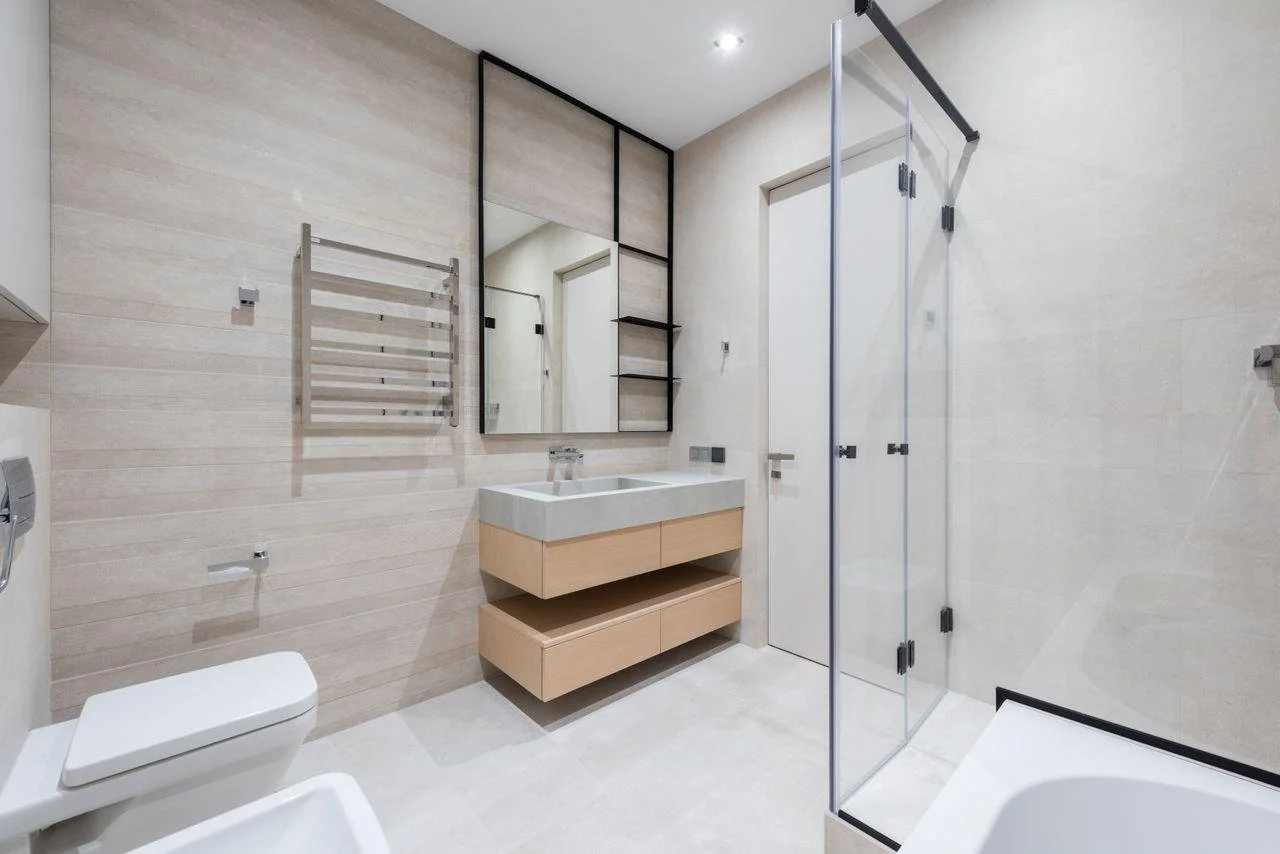
Selling a home in Tulsa often comes down to small details that shape a buyer's first impression. A bathroom does not need to look like a luxury spa to help your property stand out. It needs to feel clean, functional, fresh, and easy to maintain. Simple updates can make the room more appealing without turning the project into a major renovation.

Before making changes, look at the bathroom through a buyer's eyes. Peeling caulk, dated fixtures, poor lighting, and signs of moisture can raise concerns quickly. Focus on improvements that solve visible problems, photograph well, and make the space feel cared for.

Bathroom Changes That Can Strengthen a Tulsa Listing

A practical bathroom refresh can help a home show better and make the space feel more inviting during tours. Small details often matter because buyers notice cleanliness, working fixtures, lighting, storage, and signs of maintenance.

For sellers preparing a home for the market, Tulsa Fastest Home Buyers can be another option when deciding how to handle a property that needs attention before moving forward. Reviewing different selling paths can help homeowners determine which approach fits the condition of the property and their timeline.

Update No. 1: Replace Worn Caulk and Grout

Fresh caulk around the tub, shower, sink, and toilet can make an older bathroom look cleaner. Cracked or darkened caulk may suggest moisture problems, so remove damaged material, clean the surface, and apply a smooth bathroom-grade sealant.

Grout deserves similar attention. Small stains may respond to deep cleaning, while missing or crumbling grout should be repaired. These simple fixes help the bathroom look maintained rather than neglected.

Update No. 2: Improve Lighting

A dim bathroom can look smaller and less inviting in listing photos. Replace outdated bulbs with bright, neutral-white LED lighting. If the room has only one ceiling fixture, consider adding a vanity light so the mirror area is evenly illuminated.

Choose fixtures that fit the bathroom's style and scale. Avoid complicated electrical changes unless the existing setup has a functional or safety issue that needs professional attention.

Update No. 3: Refresh the Vanity Area

A vanity often becomes the visual focus of a bathroom. If the cabinet is structurally sound, painting it, replacing the hardware, and installing a new faucet can give the area a cleaner appearance without replacing the entire setup.

A damaged countertop should receive attention as well. Minor surface issues may be repairable, while serious damage may require replacement. Keep the design neutral, with finishes that work naturally with the rest of the room.

Update No. 4: Install a Better Mirror

A dated, cloudy, or undersized mirror can make the vanity feel unfinished. Replacing it with a clean, properly sized mirror can immediately sharpen the room's appearance. A framed mirror can add character, while a frameless option creates a simple, modern look.

Measure carefully before choosing a replacement. The mirror should work with the vanity, lighting, wall space, and overall proportions of the bathroom.

Update No. 5: Address Shower and Tub Problems

A shower or tub receives close attention during a showing. Replace stained shower curtains, worn door seals, broken shelves, or rusty hardware. A new showerhead and matching trim can also create a fresher, more consistent appearance.

If the surface is badly damaged, professional refinishing may be an option. Repair leaks and soft areas before listing. Covering moisture damage with cosmetic products can leave larger problems hidden during an inspection.

Update No. 6: Upgrade Small Fixtures

Small fixture changes can create a noticeable sense of consistency. Replace loose towel bars, outdated toilet paper holders, rusty cabinet pulls, and mismatched hooks. A new toilet seat can also give the room a cleaner appearance.

Check that every plumbing fixture is secure and working properly. Buyers may notice dripping faucets, weak exhaust fans, loose handles, and toilets that run constantly during a walkthrough.

Update No. 7: Add Storage Without Crowding

Bathroom storage is useful for towels, toiletries, and cleaning supplies. Add a simple shelf, medicine cabinet, or slim storage unit if the room lacks organization.

Keep counters mostly clear during showings. Too many baskets and accessories can make a small Tulsa bathroom feel cramped. Storage should support the room's function without taking over valuable floor or counter space.

Update No. 8: Fix Ventilation and Moisture Issues

Tulsa's humid summer weather makes bathroom ventilation important. A noisy or weak exhaust fan may allow moisture to linger, contributing to mildew, peeling paint, and unpleasant odors. Clean the fan cover, test airflow, and replace the unit if it no longer performs properly.

Look for water stains, swollen trim, or soft flooring. These signs deserve attention before cosmetic work begins. Moisture damage can create concerns about the condition of the room and may point to an underlying plumbing or ventilation issue.

Update No. 9: Add Simple Finishing Touches

Once repairs are complete, small finishing touches can help the bathroom feel ready for photographs and showings. Touch up scuffed paint, wash the floor, polish fixtures, clean the mirror, and replace worn towels. Remove personal products from open shelves and counters.

Use one or two simple accessories, such as a fresh bath mat or neutral hand towels. Buyers should be able to picture their own routines in the space without being distracted by personal items.

A Simple Priority List for Sellers

Start with problems that affect cleanliness, function, or the condition of the room. Then move toward appearance-based improvements that create a more polished presentation.

  • Repair leaks and moisture damage
  • Replace cracked caulk and damaged grout
  • Check ventilation and exhaust fans
  • Fix loose or malfunctioning fixtures
  • Improve poor bathroom lighting
  • Refresh worn vanity surfaces
  • Replace dated mirrors or hardware
  • Improve practical storage
  • Remove clutter and personal products
  • Finish with cleaning and simple staging

This order keeps attention on the issues buyers are most likely to notice during a walkthrough.

Keep Major Bathroom Projects in Perspective

Not every bathroom needs a complete makeover before a home goes on the market. If the plumbing works, surfaces are in good condition, and the room looks clean and consistent, a series of smaller improvements may be enough to give it a fresher presentation.

Avoid making major design changes simply for appearance. Highly personalized tile, unusual fixtures, or dramatic color choices may not suit every buyer. A clean, functional bathroom with a simple design gives viewers room to imagine how they would use the space.

Final Checks Before Listing Photos

A bathroom should look just as good in person as it does in listing photos. Turn on every light, check the faucets, flush the toilet, test the exhaust fan, and inspect areas around the tub and sink for signs of moisture.

Clear counters, close toilet lids, straighten towels, clean mirrors, and remove unnecessary items. These small details can make the room look more spacious and well cared for when buyers begin browsing the listing.

Questions and Answers

1. What bathroom updates should I make before listing my Tulsa home?

Focus on visible wear, moisture concerns, lighting, fixtures, cleanliness, and storage. Repairs that improve function should generally come before decorative changes.

2. How can I make my bathroom feel more inviting for potential buyers?

Use bright, neutral lighting, clean surfaces, fresh towels, clear countertops, and simple accessories. A tidy bathroom is easier for buyers to picture as part of their daily routine.

3. Should I replace bathroom fixtures before selling?

Replace fixtures that are damaged, loose, rusty, outdated, or inconsistent with the rest of the room. Functional fixtures in good condition may only need cleaning and adjustment.

4. What should I do if I notice moisture issues in my bathroom?

Check for water stains, swollen trim, soft flooring, damaged caulk, and poor ventilation. Repair leaks and address the source of moisture before focusing on cosmetic improvements.

5. How can I improve storage in a small bathroom without making it feel cramped?

Use vertical or compact storage, such as wall shelves, a medicine cabinet, or a slim organizer. Keep counters mostly clear so the room maintains an open appearance.

6. What should I check before taking bathroom listing photos?

Test the plumbing, lighting, toilet, exhaust fan, and fixtures. Clean the mirror and floors, remove personal products, straighten towels, and clear unnecessary items from the vanity.

/
script>

How Commercial Real Estate Can Cut Event Waste With Smarter Trade Show Builds

Forty percent of the material on a typical trade show floor gets dumped in a roll-off container before the lights go down. I've stood next to those containers at a Las Vegas venue and watched brand-new laminated counters go in headfirst. Nobody on the crew likes it. Everybody shrugs and keeps loading.

If you own or manage commercial space that hosts expos, conferences, or brand activations, that shrug is your problem too. Dumpster fees, dock scheduling, and angry show managers land on your operations team, not the exhibitor who ordered the booth. The fix starts earlier than you think. It starts in the design conversation, which is why I keep pointing building owners toward sustainable exhibition stands as a category worth understanding before the next contract renewal.

Here's what most people get wrong: they treat exhibit waste as an exhibitor's image problem. Move the lens over to real estate and the cost picture changes fast.

What actually ends up in the dumpster

Walk a venue's loading dock the morning after a big show and the pile tells the story. Dimensional lumber. Foam-core panels with one-time graphics glued on. Carpet that got glued, not taped. Custom metal brackets welded for a booth that will never be rebuilt.

None of that is broken. It's just built so specifically that reuse is impossible. A booth designed for one 20-by-30 footprint at one convention center rarely fits anywhere else, so it dies at the end of the run.

The waste is also heavy, which matters more than people realize. Construction and demolition debris is one of the largest streams in the national waste picture according to the EPA, and exhibit teardown is a small but ugly cousin of that category. Your venue hauls it, your hauler bills you for weight, and the exhibitor walks away clean.

I'd rather see a building manager ask one blunt question during intake: what happens to this booth on Sunday night? If the answer is "we cut it up," that's a cost you can price in now.

The design choices that decide whether a booth survives

You don't need to become an exhibit designer to sniff out which builds will generate waste. Four signals do most of the work.

  • Modular framing. Aluminum extrusion systems and rental frames break down into reusable parts. Welded custom structures don't.
  • Rental-first graphics. Fabric graphics that slip into a frame can be swapped and reused. Direct-printed panels bolted to a wall can't.
  • Tools and fasteners. A booth assembled with a hex key travels better than one that needs a forklift and a welder on site.
  • Storage reality. Reusable only matters if somebody has somewhere to put it. Ask where it lives between shows.

That last one is the killer. I've seen gorgeous modular booths pile up in a warehouse because the brand had no plan for the pieces after the season ended. Modular without storage is just tidier trash.

Why this lands on building managers, not just exhibitors

Commercial venues absorb the downstream cost of bad exhibit design in ways that rarely show up on a single invoice. Dock congestion eats staff hours. Extra hauling adds weight-based charges. Fire and life safety review gets thornier when a show floor is packed with oversized one-use structures.

There's a practical upside you can put in front of tenants and show organizers: when exhibit components are designed for reuse, you can also lean on programs and specifications that already exist. The federal government's own procurement guidance through the General Services Administration treats reuse and responsible material choices as standard practice for purchased goods, and exhibit inventory fits the same logic. Anyone who's rented a table, chair, or riser for an event has already met the rental model. Extending it to walls, counters, and lighting is the next step.

I'd frame this for your leasing team like a utility cost. Predictable on the front end, avoidable on the back end. Nobody loves a surprise dumpster bill in Q4.

A simple three-step intake checklist for your next show

You don't need to police every exhibitor. You just need to set the expectation in the paperwork.

  • Add a waste plan line to the exhibitor packet. One sentence asking what happens to the booth after teardown. It signals the standard and it's oddly effective.
  • Publish a preferred materials list. Aluminum frames, textile graphics, reusable flooring, and rental furniture. Keep it one page and hand it out with the floor plan.
  • Track your hauling weight by show. One number per event tells you more than any sustainability report. If one show spikes, you know exactly which organizers to talk to.

That third step is the one I'd start with tomorrow. Numbers end arguments faster than slide decks.

The angle most venue teams miss

Here's a pattern I've watched play out more than once. A venue's events team signs a big activation, the exhibitor ships in a custom build that cost six figures to produce and died within hours of teardown, and the property's own sustainability report has nothing to say about it because the booth was never tallied as building waste.

That gap is where the opportunity sits. Energy already gets measured at the building level. Water gets metered. Even HVAC load shows up in the monthly picture, and efficiency at that scale is governed by standards the Department of Energy sets and enforces for equipment across the country. If you can meter the kilowatts, you can meter the discarded exhibit material. It's the same discipline pointed at a different column.

I'd put exhibit waste on the same reporting line as building waste because physically, that's where it ends up. Once it's counted, the conversation with show organizers gets a lot more productive.

What to do before the next contract

You've got the signals, the checklist, and a way to measure. The remaining move is political, not technical. Get one line into your next venue agreement that asks exhibitors to describe their teardown plan, and reward the ones who rent instead of build.

Sustainable exhibit choices aren't a branding exercise for the exhibitor alone. For the building that hosts them, they're a direct line on dock hours, hauling weight, and the kind of Monday morning cleanup nobody budgets for. Push the design decision upstream and the venue reaps the same benefit the exhibitor does.

Next time a show organizer sends over the exhibitor list, try one question: has anyone asked what happens to these booths on Sunday night? The answer might tell you more about your real operating costs than the whole venue P&L.

/
script>