The Pre-Listing Question Nobody Asks: Can the Next Owner Insure It?

By Victoria Sharma

The pre-listing checklist for sellers over the last twenty years has been fairly standard. Price it right. Fix what shows. Stage the main rooms. Insurance never made the checklist because insurance was a formality. It was something the buyer's lender handled after the inspection and before the funding.

Today, that assumption no longer holds, and it costs sellers deals they never knew they lost.

Look at what has happened in California, where the shift has been the most dramatic. The California FAIR Plan, the state's insurer of last resort, had 204,868 dwelling policies in 2020. By 2025, it had 621,234. The value it insures grew from approximately $115 billion to approximately $645 billion during that same period. On October 15, 2026, its average rates increased 29%. A program originally designed to be a narrow backstop for homes that no other insurer would write has become the default for a significant portion of the state's housing. (Our California FAIR Plan data breaks this down county by county.)

Why is this important during listing?

A buyer with a mortgage has to secure a homeowners policy before the lender will fund the loan. In high-risk areas, the only option may be a FAIR Plan policy plus a separate policy to fill its gaps, which can add hundreds of dollars to the buyer's monthly cost. That changes the buyer's debt-to-income ratio, and sometimes the buyer simply walks away. The math changes, but the house does not.

Most sellers learn about this problem at the worst possible time, once escrow has opened. By then the seller has already moved out, turned down other offers, or made other housing arrangements, and the buyer's agent calls to say the insurance quote came back and there are issues.

This is what sellers can do before listing their home.

Get a quote on your own house. Reach out to an insurance broker and ask what it would cost a new buyer to insure the home today, not what you pay now. Long-time owners often have rates a new buyer can't get. If the only option is the FAIR Plan, you want to know that before your first showing, not after your first offer.

Fix what insurers care about. Roof age is an important factor. So is the age of the electrical panel, the plumbing and wiring, and in fire areas, the space around the home. A roof with a few years of useful life left can mean a regular policy instead of a policy of last resort. Clearing brush and installing ember-resistant vents also help.

Gather your paperwork. Insurance brokers can work faster with permits, roof certifications and records of recent upgrades. In California, the seller's natural hazard disclosure already tells buyers if the home is in a fire hazard zone, so insurance will come up regardless. It's good to have the answers ready.

Price with insurance in mind. A home that requires a FAIR Plan policy usually competes against similar homes that don't, and buyers factor the higher cost into their offers. Knowing your full cost of selling and setting expectations early helps avoid surprises during escrow.

Think about your potential buyers. Some homes, like those in high fire-risk areas or with older systems, are harder for a financed buyer to close on right now. When that's the case, it makes sense to compare a traditional listing with other options, including selling the house as-is to a cash buyer. Cash buyers still have to insure the property and factor that cost into their offers, so it's not a way around the problem. But there is no lender deadline, which is what kills many of these deals.

Just because your home has insurance issues doesn't mean it won't sell. Plenty do. The difference is whether the seller found out about the issues before or after the home was listed.

Insurance used to be the buyer's problem. In a lot of areas, it is now part of the sale itself. The sellers who check it first are the ones who keep their deals together.

About the author: Victoria Sharma is the manager of Cash Home Buyers CA, which buys homes directly from owners in California.

/
script>

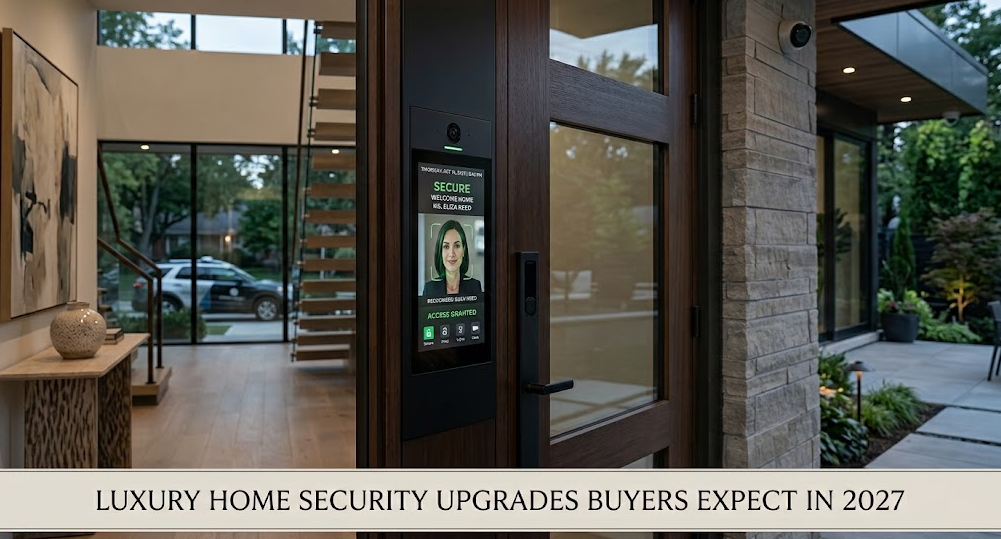
Luxury Home Security Upgrades Buyers Expect in 2027

In 2027, the people who want to buy a luxury home look for smart and connected security. They do not want security that is too easy for everyone to see. Most people ask for things like smart locks, video doorbells, and smart garage doors that are strong. They also want gates that come with access control. A lot of buyers look for homes that have cameras and lights that are monitored by experts. A safe house network matters too. They look for homes with strong glass and backup power. A house that has all these can feel ready and safe for people to move in. These homes get noticed, and they stand out when buyers have many choices.

Security used to mean just putting a sticker in the window to show there is an alarm. Now, when people buy nice homes, they want it to do more. They want to be able to see who is at the door on their phone, even if they are not at home. Some people want to let in the dog walker from far away. At every door or gate, people want to feel that it is safe and easy to come in or go out.

After many years working on these homes, I saw something new. People buying the homes ask about the garage and the gate first. They ask about these things before they even talk about the kitchen.

This guide will show you the steps that people buying security now look for. It helps you know what to check in your setup. The guide also tells you where weak spots might be. It gives you ways to find them.

Why Security Now Shapes Luxury Buying Decisions

At the high end of the market, people look for a home that protects their family, their privacy, and their belongings. Many people also have a second home or travel often. So, they want to be able to check on their home's security from anywhere. If the home does not give them that option, it feels more like work to keep it safe, not a place to just live in and feel good.

What Today's Luxury Buyers Want

You can use one app to open and close locks, doors, and gates. You can also see your cameras.

You have privacy from people on the street and from guests you do not want there.

The systems work without noise. They do not add many extra things to your space.

You get peace of mind if you need to be away for several weeks or months.

How Security Affects Property Value

A smart security system that is set up well can make the home look better. It makes the home stand out in pictures and when people come to see it.

If the system is old or missing parts, it can cause problems. People who buy the home may think about the cost to fix it. They may want to pay less for the home because of this.

Many insurance companies will give a discount if you have a smart security system that is monitored. This is something people want when they get a new home.

Smart Entry: The First Upgrade Buyers Look For

The front door is the first thing people look at when they want to feel safe in a house. Many homes now have smart locks and video doorbells that you can spot right on the front door. Buyers want to see these things there. It is clear to them if smart locks or video doorbells are missing.

Smart Lock Features Buyers Expect

You can open the door with your fingerprint, a keypad, or your phone.

It lets you make short-term codes for the housekeeper, contractor, or guests.

The lock shuts by itself after some time and tells you if the door is not locked.

It works with the Matter standard, so devices from different brands can work together.

A good smart lock usually costs between $200 and $450 for each door.

Video Doorbell Must-Haves

The camera lets you see clear video. It shows a large space in each shot.

Night vision works well, so you can see everything, and you can talk both ways to people.

The camera finds packages. Buyers can look at their deliveries right away.

You can choose local storage or use cloud storage. All clips stay safe with encryption.

Smart Garage Doors: The Entry Point Buyers Now Ask About

For lots of families, the garage is the main place they use to come in and out of the house. This is why the garage door is one of the top security features. People who want luxury homes also want the garage door to have smart features and security like the front door.

Smart Garage Door Features in Demand

App control helps you see, open, or shut the door with your phone, no matter where you are.

Real-time alerts tell you right away when the door opens, closes, or stays open too long.

Scheduled auto-close will shut your door at night if you leave it open.

In-garage delivery puts your packages inside, so they do not get left outside.

Built-in cameras on some models let you watch live video of what happens in your garage.

Security Features Inside the Opener

Rolling code technology makes a new code every time you use the door. This helps stop people from getting your code.

A battery backup lets the door work even when there is no power in the house.

The keypad helps you get in, and you can set a new code any time you want.

Vacation mode keeps your remote from working while you are away.

Upgrading the Door Itself

Thick, insulated steel garage doors are better than the ones with just a thin layer. They are less likely to get dents or be opened by force.

Windows at the top of the garage door let light in. People outside cannot see inside.

If your garage door is old, you can call a pro for Garage Door Installation. A smart opener can make the garage safer and help your home look nice.

Hidden Garage Weak Spots That Undercut Security

A smart opener will help, but it is not enough to keep your home safe if the door or other parts are not strong. A lot of people break in by using the garage. This is because many people do not think of the garage when they talk about home security. It is easy to fix these weak places, and it does not cost a lot.

Common Garage Security Weak Points

The emergency release cord is easy to reach through the top part of the garage door. With a simple tool, you can grab it.

The door from the garage into the house is not strong. It often has a thin lock and is a hollow door.

Remotes left in cars that are parked let people get into the home. If someone breaks into the car, they can use the remote garage door opener.

Older garage openers that do not have rolling code use the same signal every time. A person can copy the signal and get in.

When Hardware Needs a Pro

A garage door may stay half open or be lifted easily if the springs are worn, the cables are damaged, or the tracks do not line up.

These garage door parts need to be handled with care because of the high tension. Only trained experts should fix or work on them.

If you are in Dayton, you can look at Garage Door Repair in Xenia, OH to get help for garage doors with weak or broken parts. It is best to repair the garage door before it causes a safety problem.

A solid-core door for your entry and a deadbolt for the house will cost about $500 to $1,200.

Gates and Perimeter Control for Privacy at the Property Line

Many people who buy luxury homes want to feel safe from the moment you reach the edge of the property, not just at the front door. The use of automated gates and smart controls lets you decide who can come in. These systems also give you more privacy, which is something famous or well-known people often want.

Automatic Driveway Gate Features Buyers Want

The gate moves quietly and smoothly when it opens or closes. It can swing or slide, so that makes it fit many kinds of driveways.

Video intercoms let you see and talk to someone at the gate. You can do this by using your phone.

Safety sensors stop the gate if it finds a person, animal, or car in its path.

If there is no power, the gate has a battery backup or the option to open it by hand.

A full automatic gate system costs between $5,000 and $15,000. The cost changes based on how big the gate is and what materials are used.

Smart Access Control Options

Keypads let every person in the family, or any helper at home, use their own code.

You can give or take away access using a phone. This happens fast.

Cameras read car license plates. They let in vehicles you have said yes to.

Activity logs show who got in and when they did.

Cameras, Lighting, and Monitoring That Work Around the Clock

Visible protection can help to keep intruders away. Smart monitoring can catch things that people do not always see. Most people who buy luxury homes want to have both this kind of visible protection and smart alerts. But they do not want big machines or tools that would change the way their home looks. Today, there are new kinds of systems that will fit in with the home. These systems will only send an alert when something important happens.

Security Camera Features Worth Having

2K or 4K resolution lets you see everything at night in color.

Smart alerts tell you if you get a person, car, or animal on camera.

The camera can watch all entries like the side doors, garage, and driveway.

The design is simple. It is made for bad weather and fits well on outside walls.

Smart Exterior Lighting Ideas

Put lights at entries, walkways, and the garage that turn on when they detect movement.

Use lights around the yard to take away dark places where someone could hide.

Set the lights to follow a plan. This can make it look like people are home even if they are not.

Link lights with cameras, so the lights turn on if they detect any movement.

Build a Home That Feels Secure the Moment Buyers Arrive

In 2027, people who buy the best homes want to feel safe at all times. They look for security that covers all the doors and gates in their house. You need to be able to use it from anywhere you are at the time. A lot of people want this security to be hidden so you do not see it when you look at the house. A house must have smart locks, a strong garage, gates you can control, and clear cameras that show who is at your door or gate. A network that is hard to hack is also very important. A home that has all these will feel safe for the people who live there and for any new people who come to stay.

Your Security Upgrade Checklist

Add smart locks and a video doorbell at each main entry.

Upgrade the garage door and opener to smart ones that use rolling code features. Be sure it has a battery backup too.

Close any gaps you find at the gate, along the fence line, or in the side yards.

Put cameras and motion lights at entries for good coverage.

Keep the home network safe. Keep all the device info in one place to make handoff simple.

If the garage door looks old or does not work well, Dodson Garage Door can check it out. They will help you pick a smart and safe garage door that fits your home.
/
script>

Custom Home vs. New Build: What Long Island Buyers Should Know

So, which is better on Long Island: a custom home or a new build? A custom home lets you pick everything you want in the design. It can cost more and take more time to finish. A new build, also called a spec or production home, is usually faster. It is more predictable, often cheaper, but you do not get as many choices. The best choice for you depends on how much you have to spend, how fast you want to move in, and if you want to have every detail just how you like it.

On Long Island, picking a place to build your home is not simple. Open land is hard to find, so most new homes are built after an old one is torn down. Town permits take time and can move slow. If a home is close to the South Shore, it may be in a flood zone. That means it will face tougher rules for building. These local issues can change things that a country-wide guide will not cover.

This guide helps you see the difference between the two choices. You will find out where the money will go, how much time each way takes, and what you should check before you sign anything. After you read this, you will know which way is best for your life. It will not just be what you hope for.

What Really Separates a Custom Home From a New Build

Both options will give you a new house. So, the difference is not about age. The big thing is who will make the design choices and when you make them. If you know this at the start, it keeps you from thinking two things are the same just because they look alike.

Custom Home Building Basics

You get an architect or a custom home builder to make a house plan just for you, your family, and the land you have.

You pick how the rooms are set up, how big they are, the height of the ceilings, the size of the windows, and almost all the other details in your new place.

Most people already have the land or buy it first. On Long Island, this often means buying an older home and taking it down.

Each choice you make takes time, so you need to be patient and stay involved, often for a year or even longer.

Spec Homes and Production Homes Explained

A spec home is built by a builder even before there is a buyer. The design is already chosen.

A production home comes with a short list of floor plans you can pick from. You often find these in planned communities.

You may choose preset upgrade packages for things like flooring or countertop styles. Large layout changes are not common.

Many of these homes are move-in ready or almost ready. This makes them a good pick for buyers who need to move quickly.

Where the Money Goes on Long Island

Cost is a big reason people choose what to do, and Long Island can be more costly than other places to build a house. The price you pay for land, workers, and the area's rules all help make prices go up above what you see in other parts of the country. Here is how the money usually gets split up when you build a home in Long Island.

Land and Lot Costs in Nassau and Suffolk County

There are not many buildable lots, especially in Nassau County. So, if you want to build a custom home, a big part of your money might go to the land.

A knockdown rebuild can cost more because you also pay for tearing down the old building, clearing debris, and disconnecting utilities. You pay all that before you even start to build.

If you choose a new build, the land price is usually already part of what you pay. So you won't run into as many extra costs.

Land on the East End and North Shore often costs more because of good views, water access, or better school districts.

Average Construction Cost Per Square Foot

In the United States, the cost to build a home is about $150 to $400 for each square foot. The price depends on the size of the house and what finishes are used.

On Long Island, the price is often higher for each square foot. This is because labor costs more and the building rules are strict.

Custom homes cost more per square foot than other homes. Builders can't buy materials in large quantities or use the same plan again for custom work.

Production builders build many houses at once. They spread the costs of things like design and permits over all the homes. This helps them keep the price down for each house and for each square foot.

Hidden Costs Buyers Often Miss

The cost for architect and engineering work is needed for most custom new construction projects.

A survey, soil test, and getting the site ready are important, especially if the land is sloped or wet.

Some areas in Suffolk County require upgraded septic systems for new construction.

Landscaping, driveways, and fences are things that are usually not included in a new build's basic price.

How Long You'll Wait for the Keys

Time is as important as money, especially when you need to sell your own home or if you are paying rent while waiting. Both of these problems can move at very different speeds. Local permit offices also be a big part in how things go. Most buyers do not see how much their role matters.

Typical Build Timelines

Most production homes take about 6 to 12 months from signing the contract to moving in. A finished spec home can be ready in just a few weeks.

A custom home will often need 12 to 24 months. This time includes the design work, all approvals, and the building.

The weather, delays in getting supplies, and changes to the design can add even more time to building a custom home.

You should ask each builder to give you a written schedule that shows all the important steps, not just the final move-in day.

Zoning and Building Permits on Long Island

Each town, like Hempstead, Huntington, or Southampton, has its own building office. The time to review plans can be different in each place.

If your custom home plan goes over height, setback, or space rules, you may need a variance.

Many homes on the South Shore are in FEMA flood zones. These homes may need to be higher than a set flood line.

Production builders usually get permits for all their homes in a development. This means you do not need to deal with that paperwork.

Design Freedom vs. Ready-Made Convenience

This is where the two choices are very different. A custom home lets you make every room fit the way you live. A new build gives up that freedom. It is faster, and you do not have to make as many choices.

Floor Plan Flexibility

Custom homes help you set up for real life. You can have things like a bedroom for parents on the first floor, or a home office that is not near the kitchen.

New builds come with layouts that most families use. But these might not work if you need something different.

Changing walls after the house is built costs a lot. A plan that fits what you need now will save you money over time.

Try to think ahead about the next five to ten years. Kids growing up, working from home, and getting around the house will all change what layout you should pick.

Materials, Finishes, and Energy Efficiency

Custom buyers choose the brands they want for windows, roofing, insulation, and HVAC.

Production homes use set materials picked for price and speed. Upgrades are sold as packages.

Ask about energy features like heat pumps, spray foam insulation, or roofs ready for solar. These options can help cut bills over time.

Better materials cost more at first. But they can mean fewer repairs later.

Planning the Garage and Curb Appeal

The garage door makes up a large part of the front of most homes. This means its look matters a lot for style, even if people do not notice it right away.

If you build a custom home, you can make room for bigger cars, more storage, or a workshop you plan to have later.

A new home often comes with a plain steel door. Check how well the door keeps heat in, and see how good the opener is before you finish buying.

A good Garage Door Installation is important for both types of homes. The springs, tracks, and safety sensors must be put in right from the start.

Build Quality, Warranties, and the Years After Move-In

A new house does not mean you will not have to do any work on it. How the new house was built, and what the builder says they will fix, help decide what it will cost you in the first ten years. Both ways can work well, but the protections for your new house may not always be the same.

Understanding Builder Warranties

Many builders give what they call a 1-2-10 plan. This means one year for work on the home, two years for the main systems, and ten years for the big parts that hold up the home.

A lot of builders who make many homes use a warranty company. There are steps to follow if you want to make a claim with them.

If you pick a custom home builder, they may make up their own rules for a warranty. Always read the terms and what does or does not get covered, word for word.

It is good to keep every warranty paper, along with the steps the builder gives you for reporting a problem.

Settling Issues in a Brand-New Home

It is normal to see small cracks in drywall or have doors stick a bit during the first year. This is because the wood framing dries out and settles.

If you see water stains, floors that slope, or large cracks in the foundation, that is not normal. You should say something right away.

The salty coastal air and winter freeze-thaw cycles in Long Island can cause outside parts of your house to wear out faster than in other places.

Before your one-year warranty ends, make a list of problems so you do not miss anything.

Planning for Long-Term Upkeep

Put a little money every year into checking your roof, cleaning out the gutters, and getting your HVAC system looked at. This is important even if your house is new.

Parts that move wear out faster. So, you should get garage door maintenance done from time to time. This helps the springs, rollers, and openers keep working well.

Before storm season, seal your decks, check the caulk around windows, and try out your sump pump to be sure it works.

Keep all your paperwork for the house in one place. This can include the manuals, paint names, and contractor info, so you have it ready for any work you need later.

Red Flags to Catch Before You Sign

Most people who have problems with building find that they missed small signs, not just had bad luck. A bit of research before you sign anything can save you from a lot of worry. You should do these checks if you build a custom place or buy a new home.

How to Vet a Home Builder

Make sure the builder has a contractor license for your town or county. They should also have liability insurance.

Go see homes the builder finished at least two years earlier. Ask the owners about how well the house is holding up.

Check if there are complaints about the builder at the Better Business Bureau or your county's consumer affairs office.

Watch out for builders who ask for a big deposit before any plans are done. Don't trust those who refuse to put what they say in writing.

Contract Details Worth a Second Look

Look at how change orders are priced. These are the main reason for custom budget problems.

Check for allowances; these are set amounts for things like lighting or cabinets. Make sure these numbers are possible.

Find out what happens if the project is late. There might be a penalty or a credit.

Get a real estate attorney to read the contract. In New York, this is the usual thing to do.

What to Inspect Before Closing

Hire an independent home inspector for your new house. Try to get a pre-drywall inspection if you can.

Walk through the house with a list in hand. Test every window, faucet, outlet, and door.

Check around the base of the house to make sure water does not go toward the house when it rains.

Before you close, get the certificate of occupancy and all final permits.

Matching the Right Path to Your Lifestyle

There is not just one answer here. The best option depends on what you need. Your money, the time you have, and what you want for the future should help you choose. Trends are not as important. Use these signs to figure out what works for you.

When a Custom Home Makes Sense

You want to live in the same place for ten years or more. The time and money spent will make each day feel better.

You already have a piece of land or a house to renovate in an area that you really like.

Your family needs things like easy access, space for different ages, or a setup for a work-from-home business.

You feel ready to spend many hours and effort. You can make lots of choices over one or two years.

When a New Build Is the Smarter Move

You need to move at a certain time, like before a new school year or before you start your job.

You want to have a set price so there are no surprises from design changes that can cost more.

You like living in a place where homes look the same, there are shared things everyone can use, or the HOA takes care of some of the chores.

You may plan to sell in five to seven years, since these types of homes with standard floor plans often attract more people looking to buy.

Building Toward the Home You'll Actually Love

Choosing between a custom home and a new build comes down to control versus convenience. A custom home rewards patience with a house made just for you. A new build rewards decisiveness with a faster, more predictable move. Either way, the smartest buyers ask hard questions early, read every contract line, and inspect before they close.

The details you finish last, like the garage, often end up being the parts you use every single day. If your search takes you beyond New York, or you already own a home in North Central Florida, finding dependable garage door service in High Springs is one of those small steps that protects a big investment.

When you're ready for expert help choosing, installing, or caring for a door that fits your new home, Alachua Garage Doors is here to guide you. Reach out to schedule a visit and get honest advice before you make your final pick.

/
script>