Easy Living: Renovations That Make Every Day Simpler
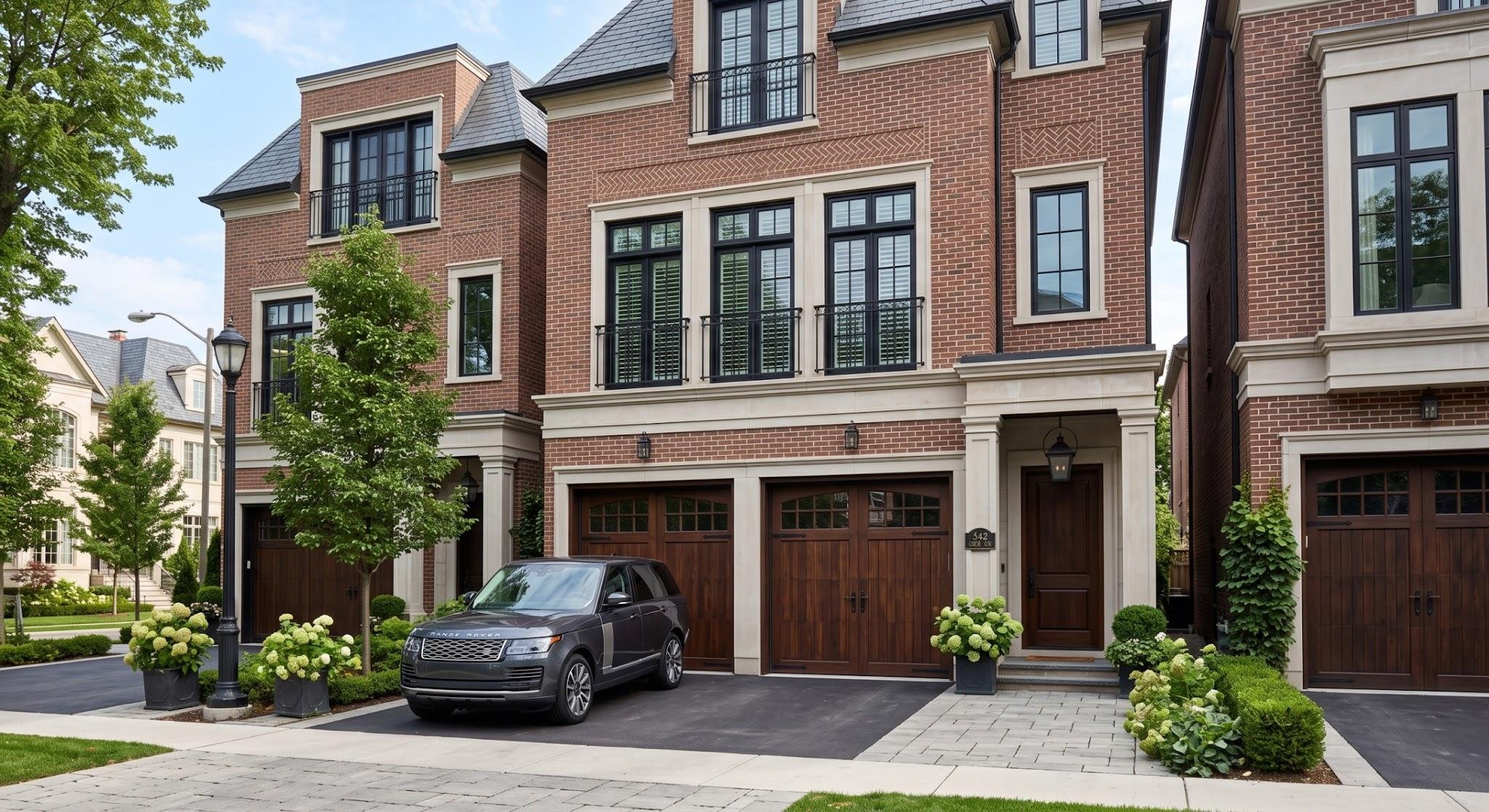
Renovations help every day feel easier when they do a few things. They should cut down the steps you take to finish all your usual chores. A good change can also save you time cleaning and looking after the home. Things feel better when you find what you need right where you use it. The top projects are not always the biggest ones. They work best when they focus on what you, your family, and your home need most.
Many homes were made for a different time and different people. The laundry room is two floors away from the bedrooms. The kitchen has just one small space to prepare food. Everyone enters through the garage, but there is no spot for bags or shoes. These small issues can cause problems every single day.
This guide gives you ideas to make home updates easier. It covers things like the kitchen and laundry room. You will also read about smart systems and stuff that is easy to clean. Find out how to plan work on your home so that, when it's all done, life will stay simple.
Designing Around Real Daily Routines
The best way to start a renovation is to watch what goes on in your home each day, not just look at photos for ideas. When you see how your household acts in the space, you know where the house makes things hard for you.
Map Your Household's Daily Path
Start by going through a normal weekday, from when you wake up to when you go to bed, and notice every room you walk through.
Watch out for the paths you use a lot, such as when you go from the garage to the kitchen, or the bedroom to the laundry room.
If you have to walk far while carrying things like groceries or laundry baskets and your arms feel full, it may mean the way rooms are set up is not working well.
Find the Friction Points
Look for spots where things build up every day. If this keeps happening, it may mean you need storage in that area.
Watch for tight spots, like when two people bump into each other at the same counter or at a doorway.
Write down jobs that feel hard to do just because of the area, not because of what you have to do.
Kitchens That Work Smarter
The kitchen is the place where most people spend the most time in their home. Even small changes in how things are set up can help a lot every day. The main aim is to take fewer steps, bend less, and have more space on the counter that you can use.
Layouts That Cut Steps
Group things by what you do in each area. Make a prep area near the sink, a cooking area next to the stove, and a cleaning area close to the dishwasher.
Make sure there is a clear walkway between the sink, stove, and fridge. This way, people cooking will not have to go around others.
A kitchen island or peninsula can give you more room to get ready. It also lets your family sit nearby, but still out of the cook's way.
Storage That Puts Things Within Reach
Deep drawers for pots and pans are much easier to use than low cabinets that have fixed shelves.
Pull-out trash and recycling bins keep waste out of sight and near the prep area.
A pantry with shelves that you can adjust makes it easy to see all that you have.
Power and Charging Where You Need It
Add outlets along the islands and big counters. This helps so small appliances like toasters and blenders do not end up crowding just one corner.
A charging drawer or nook that is set aside helps keep phones and tablets off the main workspace.
Lighting under the cabinets makes it safer and easier to chop food and read recipes.
Laundry and Mudroom Makeovers
Laundry and entry areas are the places in a home where people do many tasks again and again. If you move these spaces or change how they look, you can save much time every month.
Moving Laundry Closer to Bedrooms
Most dirty clothes begin in bedrooms and bathrooms, so having a laundry room close by saves you the trips up and down stairs.
An upstairs laundry should have a drain pan under the washer and a leak sensor. This helps keep the floors safe below.
If you cannot move the whole laundry, a laundry chute or a folding space on the bedroom floor can still help you a lot.
Building a True Drop Zone
Put it where the family comes in most. In a lot of homes, this means the door that leads in from the garage.
Add a bench, some hooks, cubbies, and a space to keep keys and mail.
A small closet or cabinet can hide things like coats for other seasons. This helps the area look neat and feel calm.
Low-Maintenance Materials and Finishes
Every part of the home needs some care. But if you pick the right things, you can make that job much easier. When you are fixing up your home, think about how much time each thing you pick will take for you in the next ten years.
Floors That Forgive Daily Life
Luxury vinyl plank can handle scratches, water, and messes from pets.
Porcelain tile is tough. It is good for the kitchen, bathroom, and entryways.
Matte or textured finishes make dust and footprints harder to see than shiny ones.
Countertops and Backsplashes
Quartz does not need to be sealed, and it resists most stains that you get in the kitchen or bathroom.
When you use large-format tile on backsplashes and shower walls, you get fewer grout lines to scrub. This can make cleaning easier for you.
Pick a darker or mid-tone grout in areas with lots of use. That way, stains do not show up or stand out as quickly.
Exterior Materials That Skip the Upkeep
Fiber cement siding is strong against rot, hail, and pests. It also keeps paint on better and longer than wood.
Composite decking will not need you to stain or seal it each year.
Steel garage doors that come with factory finishes and insulated cores need much less work than wood doors. Wood doors need to be finished again often.
Smart Systems and Automated Access
Smart technology is most useful when it takes care of things you do each day. When it is set up the right way, it blends in. It just makes your home run easier for you and your family.
Smart Thermostats and Lighting
Smart thermostats learn your daily routine. They change the heat or cool setting when nobody is home.
In a place like Tulsa, hot summers and cold winters are common. A smart thermostat helps cut down on wasted time, energy, and money used for heating and cooling.
Motion-sensing lights turn on in closets, pantries, or hallways when you walk by, even if your hands are busy.
Smart Locks and Video Doorbells
The keypad and smart locks help you stop looking for the keys. You also don't need to hide extra keys under the mat anymore.
Temporary codes are useful if you want to let in cleaners, your relatives, or a dog walker.
With video doorbells, you can check who is at the door or see deliveries from your phone.
Smart Garage Door Openers
Many families use the garage as the main way to get in and out of the house. Making it simple to use helps every day.
Smart openers can send you a warning if you leave the door open. You can also shut it from anywhere. A battery backup lets the door keep working, even if there is a storm that causes you to lose power.
If your door is very old or heavy, it can help to get a new door along with a new opener during Garage Door Installation. This will let you have a quiet and smooth door right from the start.
A smart opener will not fix a door that is not balanced or has old springs. If your door stops, moves strangely, or goes back up for no reason, it likely needs Garage Door Repair in Tulsa, Oklahoma, or help from a trusted local technician before you try any new technology.
Planning a Renovation That Stays Simple
When you plan a renovation, you want it to make life easier. The process should not cause stress. It helps to be clear about your main goals, set a budget you can manage, and get the right kind of help. This will help the job feel as simple as the finished space.
Prioritize by Daily Impact
Begin with the things you need the most: the kitchen, main entry, and place where you do laundry.
Sort out safety and how things work before you care about how they look: doors that don't open well, old springs, and bad lighting should come first.
Wait to do things that just make the place look nice until your home works how you want it.
Average Costs and Timing
A new garage door costs about $4,672 on average in national 2025 data. A steel entry door replacement, on the other hand, averages about $2,435. When you sell, you can get back about 268 percent of what you spend on the garage door.
Big inside projects, like moving a laundry room, can cost very different amounts. The price depends on how much work is needed for plumbing and electricity. It's a good idea to get several written estimates before you start.
In the Tulsa area, it is best to plan outside projects for fall. The spring brings a lot of bad storms that can slow down or stop work.
DIY Tasks vs. Jobs for a Professional
Good DIY tasks: You can install shelves and hooks. You can paint rooms. You can swap cabinet hardware. You can also set up smart plugs or smart bulbs.
Call a pro for: If you need plumbing or electrical work, call an expert. If you want to move walls, get help. For floors in wet areas, contact a pro. Any job with garage door springs, cables, or opener wires should be handled by a specialist.
Ask your contractors how each choice will affect upkeep, not just the price at the start.
Simple Days Start With Smart Design
Easy living is not about having the biggest house or the newest house. It is about a home that fits the way you live. You want fewer steps. You want less work to keep up. Everything should be close, so you can reach it easily. Start with the thing that makes your day tough. Let each update to your home take away a problem from your daily routine.
If your garage is the main way your family comes in and out, but the door is slow, loud, or not working well, then it's a good idea to start there. People who live in Tulsa, Broken Arrow, or areas close by can reach out to Dynamic Door Service, LLC. They will give you an honest checkup and clear help. You can find out if you need a repair, a new opener, or a new door.