Custom Home Builders in Michigan

🔧Mistakes People Make When Building a Custom Home
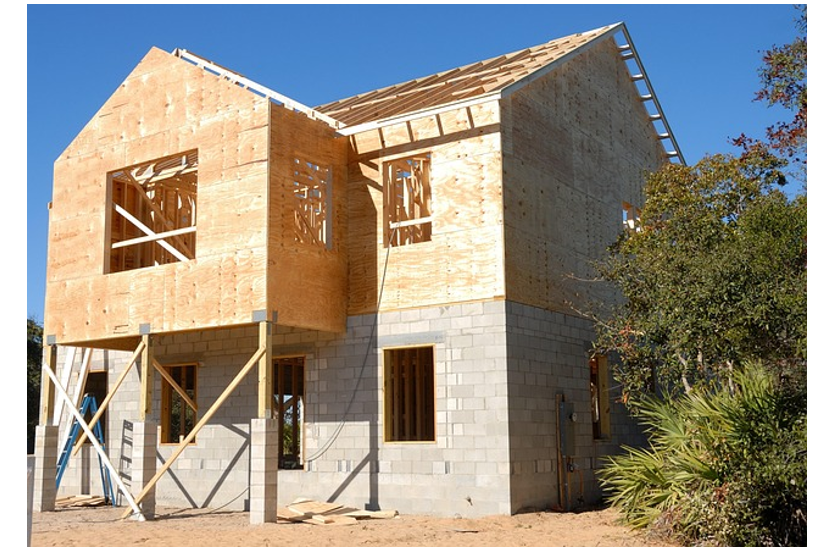
From Traverse City to the Grand Rapids, the communities in Michigan are nestled between stretches of rustling woods and freshwater lakes. The state invites homebuyers to custom build houses full of possibility but these are paved with decisions that can shape the outcome for better or worse.

A custom-built house represents more than a drawing or plan – it's a dialog or collaboration between the builder and homebuyer. Sometimes the most valuable lessons come from lines that didn’t make it to paper.

For Michigan, the building season has its own rhythm, with the spring thaw tempting prospective homebuyers into an early groundbreaking, dreamers trying to fulfill their custom build realizing that their Pinterest board might not translate into viable space or undertaking the long shadow of permit delays.

Building a home is intimately personal, but personality needs to go hand-in-hand with planning, forward planning for the future. In Michigan, residential construction is governed by very distinct codes and climate considerations. Understanding these codes is vital to establishing a safe and lasting foundation.

Where Vision Meets Reality 📌

Vision vs Reality: Mistakes to Avoid When Building a Custom Home

A custom-built house is a homebuyer’s investment in shaping a space to meet personal values, and lifestyle and long-term goals. But the process can be complex and even carefully planned builds can unravel without adequate prep.

In Michigan, where residential construction is governed by specific codes and climate considerations, Michigan Building Codes offers essential details for homeowners planning for a custom-built house and reduce the likelihood for mistakes.

Whether underestimating the budget, picking the wrong lot, or another misstep, these can ripple into significant and lasting regrets.

Homeowners can navigate the custom home construction process with confidence and clarity when they understand the most common mistakes often seen. Below are five key areas where expectation and reality tend to clash and suggestions for avoiding these pitfalls.

¨ Skipping the preplanning stage

Before diving into the design for a custom build house, you must consider lifestyle needs, daily routines, and future growth. If not, you may have a visually appealing place, but a functionally lacking space. 

An open-concept layout is appealing to many people until they find that noise travels too easily in this floor plan or that the kitchen they’ve been dreaming of has no counter space for the cooking they’ve wanted to do.

Pre-planning involves more than selecting features; it's becoming familiar with how space will support your lifestyle; assessing how each room will serve your needs at different times through the day, in varied seasons – it's a blueprint to prevent frustration.

Aside from layout, traffic flow, natural light, and storage are all factors that are often overlooked in favor of aesthetics.

The key is to do a walk through from the time you walk in at the end of the day, where you might toss your bag, drop your keys, and how you transition from cleanup after dinner to getting ready for bed. When you plan a home from this rhythm and not just about resale, it ensures appeal and a deep livability. 

¨ Underestimating the Budget

A common obstacle when planning for a custom-built home is oversimplifying the cost. Many assume the budget starts and ends with the construction – costs are actually layered and nuanced.

Each aspect of the process carries financial weight from the design, inspections, permits, materials, grading, landscaping, revisions, and unexpected delays.

That’s why builders like Trademark Building Company known throughout Michigan for their transparent and flexible budgeting practices, advocate for comprehensive cost breakdown before their shovel hits the soil.

Homeowners should pad their budgets by roughly 15 percent for unexpected expenses. Whether a structural challenge is uncovered during excavation, inflation shifts prices midway through, or you approve a material upgrade that you must have.

Planning ahead helps protect your emotional investment and keep the momentum going.

¨ Picking the Wrong Lot

Buyers too often fall for dream lots with surface benefits but don’t pay attention to the underlying drawbacks, such as lots that demand expensive and extensive site prep or a parcel with a fantastic view but significant drainage concerns.

Michigan’s diverse terrain comes with slopes, clay-heavy soil, wetlands, and zoning complications not visible when driving by. Picking a plot involves balancing practicality with emotion; it should support your vision and the house’s long-term sustainability.

The site conditions influence heating efficiency, foundation options, and even room positioning.

Enlisting professionals to assess the lot you’re considering before you buy it – not only for soil testing, but for municipal regulations, accessibility, sun exposure could save tremendous frustration and substantial costs. 

The best builders can adapt to a plot’s needs but will need to know the limitations early.  Go to resources like this through Law Shun for building permit guidelines, providing insight into who can pull them.

🔩Final Thought
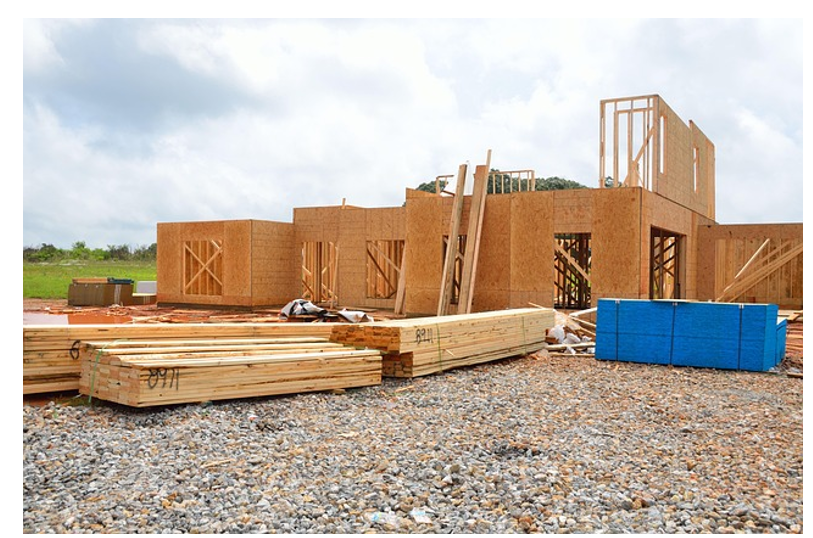
Focusing on wall framing or finishes is only one part of building a custom home – partnered with the best builder, you’ll be shaping your life. Mistakes will be a natural part of the process, but these don’t have to define your effort. Approach the process with a willingness to be flexible, with reflection, and informed insight.

Michigan homes are intertwined with nature and their communities – well-built homes become part of the landscape. They endure because they are crafted with intention and care.


What Makes Precision Demolition Ideal for Selective Interior Renovations

When it comes to updating your home or commercial space, you don’t always need to tear everything down and start from scratch. Sometimes, a focused, strategic approach is all it takes—and that’s where precision demolition comes in.

Unlike traditional demolition, which involves ripping everything out, precision demolition is all about removing only what’s necessary. It’s a careful, controlled process that protects the surrounding structure. Whether you’re updating a kitchen, reworking a bathroom, or opening up a living room, this targeted approach can make your renovation smoother, faster, and less disruptive.

Choosing the Right Team

Not every demolition crew is equipped for this kind of work. Precision demolition takes experience, the right tools (think mini excavators, handheld breakers, dust suppression systems), and a methodical mindset. If you're looking for professionals who specialize in this, search the Valute Demolition website to see their range of services—from selective to full-scale commercial demolition. When hiring, make sure your contractor has experience with selective or interior demolition, great references or reviews, the proper licenses and insurance, and a solid plan to minimize disruption to your daily routine.

What Makes Precision Demolition So Effective?

It’s Less Destructive

Let’s say you want to knock down a wall to create an open-concept layout. Precision demolition ensures only that the wall is affected, leaving adjacent walls, flooring, and electrical wiring untouched. That means fewer repairs and lower costs later on.

Saves Time and Money

Because you’re only removing what’s needed, there’s less mess, less hauling, and fewer surprises. That often translates to faster project timelines and lower labor costs—especially helpful if you’re on a budget or working with a tight schedule.

Safer for Everyone

Renovating interior spaces can get tricky—hidden wires, plumbing, and load-bearing walls can all pose risks. Precision demolition teams know how to assess these elements before touching anything, so they can work around them without causing damage or safety issues.

Cleaner Work Environment

If you’ve ever lived through a renovation, you know how quickly dust can take over. Precision demolition uses dust control methods like containment barriers and HEPA vacuums to keep the rest of your space livable during the project.

Great for Preserving Unique Features

If your property has original wood floors, decorative molding, or vintage tile, precision demolition lets you update the space without ruining those details. It’s perfect for renovations where keeping the character of the space matters.

Where It Works Best

Precision demolition is ideal for projects like:

Kitchen updates – Remove old cabinets or countertops without damaging plumbing or nearby walls.

Bathroom remodels – Take out tile or fixtures while leaving waterproofing layers untouched.

Wall removal – Cut out drywall or modify load-bearing walls with proper support in place.

Floor replacements – Remove damaged flooring without disturbing the subfloor beneath.

If you’re planning a renovation and only want to change certain parts of your space, precision demolition is a smart choice. It’s faster, cleaner, safer, and more cost-effective than traditional demolition—and it helps protect the rest of your property during the process.

So, before you start swinging a sledgehammer, consider going the precision route. It might just save you time, money, and a whole lot of stress.

Painting Services in Spokane: Why It’s More Than Just “Slap and Go”

So, you’re thinking about painting your home. Easy, right? You just grab a brush, pick a color, and go to town. Except… you’re halfway through and the wall looks like an abstract art experiment, your shoulder’s sore, and somehow there’s paint in your hair (and you were wearing a hat).

Let’s be honest: painting seems simple, but it’s one of those jobs that will humble even the handiest DIYer. Spokane weather? Oh, that adds another layer of challenge nobody warns you about.

The Realities of Painting in Spokane

We live in a place where you can have sunshine, rain, hail, and a windstorm—all in one afternoon. That means paint jobs (especially outdoors) face an uphill battle. Picking the right paint, prepping the surface, and timing it right is half art, half science, and all about experience.

The Good, the Bad, and the Blotchy

The Good:
A professional paint job transforms a home. New paint boosts curb appeal, increases value, and just makes your space feel fresher and brighter.

The Bad:
Cheap paint, poor prep, and rushed jobs never last. Blistering, fading, chipping—it’s a parade of disappointment.

The Blotchy:
DIY disasters are a Spokane legend. Just ask anyone who thought one coat would do the trick, or didn’t realize their “eggshell” was basically glossy white under Spokane’s infamous sunlight.

Why Hire Professional Painters? (Besides Sanity)

  • Surface Prep: You don’t just paint over old, flaky stuff. Pros scrape, sand, patch, and prime—so the paint actually sticks (and stays).

  • Paint Choice: Not all paint is created equal, and Spokane’s climate demands something that can handle freezing winters, hot summers, and sudden thunderstorms.

  • Clean Lines: No blue tape Picasso here. Professionals cut clean lines and leave the drips and splatters to Jackson Pollock.

  • Speed: What takes you two weekends, they finish in a day or two—with zero “oops” moments.

  • No Mess: Ever cleaned rollers in your bathtub? Don’t. Let the pros handle the cleanup.

Interior vs. Exterior: It’s a Whole Different Ballgame

  • Interior: Smooth walls, crisp trim, zero fumes. Need your kitchen, living room, or entire house repainted? Pros know which primers prevent stains and what sheen hides wall imperfections.

  • Exterior: This is where Spokane’s wild weather comes in. Pros know when to paint (and when to wait), how to prep wood, brick, or siding, and which paints won’t peel after one snowstorm.

DIY? Only If You’re Ready to Commit

Yes, you can paint your own place. And yes, you will notice every little mistake forever. If that sounds fun, knock yourself out! Otherwise, save your time (and marriage) by calling the experts.

Why Lellex Construction Is Your Secret Weapon

You guessed it. Lellex Construction isn’t just about building stuff—they paint it too, and they do it right. They know Spokane’s quirks, use the right materials, and pay attention to details that’ll outlast whatever the weather (or your teenager) throws at your walls. Clean lines, durable finishes, zero drama.

Want a paint job that actually lasts?
Check out Lellex Construction. They’ll handle the mess, the prep, and even the color advice—so you can get back to enjoying your space (instead of scrubbing paint off your sneakers).

How Permit Expediting Can Save Time and Simplify Your Construction Projects

In the construction industry, time is a precious commodity. Delays in obtaining the necessary permits can derail even the most meticulously planned projects. Navigating the complex web of regulations and compliance requirements is often overwhelming for contractors, developers, and homeowners alike. To mitigate these delays, many project managers are turning to permit expediting services that streamline the approval process. This strategy saves time and enhances project efficiency, allowing stakeholders to focus on building rather than paperwork. Understanding these services' role and how they can benefit construction projects is essential for anyone looking to simplify their operations and eliminate unnecessary roadblocks.

The Importance of Permit Expediting

Permit expediting acts as a bridge between project planners and governing bodies. It involves navigating various regulatory agencies to ensure all documents are filed correctly and on time. An expedited process can significantly speed up the timeline for obtaining necessary permits, which is critical for keeping projects on track. A 2020 study published by the Urban Institute showed that construction delays due to permitting can extend project timelines by up to 30%. Engaging the help of professional permit expediting services can dramatically reduce this risk, giving developers peace of mind. These specialists understand the nuances of local and state regulations, which can significantly reduce the likelihood of application mistakes that lead to delays. Their expertise allows them to communicate with agency personnel effectively and can facilitate smoother interactions throughout the permitting process.

How Permit Expediting Services Work

The process begins with a thorough assessment of the project's requirements. Permit expeditors engage with clients to gather necessary documentation and understand project specifics. They prepare all required forms and ensure that everything complies with local regulations, identifying potential issues before they arise. After submission, they continuously monitor the application status, providing updates and making necessary amendments in real time. This proactive approach is crucial for minimizing the risk of delays caused by unforeseen hurdles. By opting for permit expediting services, project managers free up invaluable time that can be redirected to other vital areas of construction management.

Common Challenges in the Permitting Process

Many common challenges arise during the permitting process, each of which can delay construction timelines. Bureaucratic red tape is a significant issue, as countless regulations must be adhered to across multiple jurisdictions – each often with its requirements. In addition, changes in legislation or local policies can create unexpected complications that halt progress. Delays can also arise from incomplete applications or lack of documentation, leading to unnecessary resubmissions. By hiring permit expeditors, construction teams can avoid these pitfalls, as these professionals have a thorough knowledge of regulatory requirements and maintain connections with local officials. Their expertise negates much of the guesswork in the permitting process, effectively mitigating many of the typical challenges construction projects face.

The Financial Benefits of Expedited Permitting

While spending money on permit expediting services may seem counterintuitive, the financial benefits often outweigh the initial costs. Reduced project timelines equate to lower labor and material costs, which can be significant. A quick turnaround on permits allows for earlier project delivery, translating to faster return on investment (ROI) for stakeholders. The additional overhead costs associated with project delays can add up rapidly; prolonged timelines could mean higher interest accrual on financing, extended rental expenses for equipment, and potential lost revenue during downtime. Considering these factors, investing in professional services to expedite permits becomes a financially sound decision. Costs can be calculated with greater accuracy, and overall project budgets can be maintained better.

Choosing the Right Permit Expediting Service

When selecting a permit expediting service, it is essential to consider multiple factors to ensure a seamless experience. Firstly, look for a company with a solid reputation and proven track record in your locality. Reviews and testimonials from previous clients can provide insights into a service's reliability and effectiveness. Additionally, assessing the company's connections and relationships with local agencies can reveal the potential for quicker approvals. Experience plays a crucial role; the longer a service has been in operation, the more likely they are to be familiar with the regulatory landscape. Ensure also that they offer tailored solutions designed to meet the unique needs of your projects. Finally, check if they provide continuous communication throughout the process, allowing you to stay updated on the status of applications.

Real-Life Success Stories

To illustrate the impact of permit expediting, consider a recent construction project that faced significant hurdles in obtaining necessary permits. The developers were unfamiliar with local regulations and saw their project timelines extend indefinitely as they wrestled with documentation. Upon hiring a professional expediting service, they experienced a significant turnaround. The expeditors identified the missing paperwork and potential red flags, enabling the team to address concerns proactively. As a result, what initially threatened to be a months-long delay was resolved within weeks. This example emphasizes how professional expeditors save time and help remove emotionally charged frustrations from the project management process.

Integrating Expediting into Project Management

Integrating permit expediting services into your construction project management framework makes sense from a strategic and operational perspective. By incorporating permit expediting as a staple in project planning, stakeholders can create a smoother workflow. This approach leads to improved alignment among teams responsible for documentation, ensuring all members know their roles. Planning for expediting services means that timelines can be effectively mapped out from the starting line to project completion. Additionally, with an external expert managing the permit process, teams can focus on what they do best—constructing and designing—rather than spending days sifting through regulatory requirements.

The Role of Technology in Permit Expediting

Advancements in technology have transformed many industries, and permit expediting is no exception. Innovative software solutions have emerged, streamlining how applications are prepared and tracked. Cloud-based platforms make collaboration easier among team members and contractors, enabling better document management. Automation simplifies the submission process, reducing the chances of human error that can lead to delays. Many permit expediting services leverage these tools to maintain a competitive edge, offering quicker and more efficient services. Utilizing technology enhances the quality of service provided and elevates the experience for clients, ensuring everyone is in the loop.

The Future of Permit Expediting and Construction

Looking ahead, permit expediting is poised to evolve alongside advancements in construction practices. As more developers embrace technology-driven solutions, merging compliance with innovation will be paramount. Future-focused strategies may include predictive analytics to identify potential permitting issues before they occur. Additionally, integrating federal guidance on local regulations could further streamline processes, benefiting everyone in the construction sector. Collaboration among agencies, developers, and permit expeditors will likely become the norm as industries forge tighter partnerships in pursuit of greater efficiency. These trends indicate a promising future for expedited permitting that could fundamentally change construction project execution.

By understanding and utilizing permit expediting services, construction teams can save valuable time and avoid unnecessary project complications. A streamlined approach to permitting can facilitate a smoother workflow, alleviate stress, and improve financial outcomes. Integrating expedited services will become increasingly vital to staying competitive as the construction industry evolves.

Tips on Using Metal Building Frames: How Should You Use Them During Construction?

Have you ever wondered how to utilize metal building frames during construction properly? Metal frames have become popular due to their strength, durability, and ease of use. But how can you maximize their benefits while ensuring a smooth and efficient build? Let's explore some essential tips for using metal frames during construction and optimizing them for your project.

Understand the Metal Building Price Before You Begin

Before starting your construction project, it's essential to understand the 30 x 50 metal building price. This initial step helps you create an accurate budget and avoid unexpected costs. The price of a metal structure can vary depending on factors like material quality, design complexity, and additional features like insulation or customized doors and windows. Understanding the total cost of your structure allows you to plan accordingly and allocate resources to areas like labor, permits, and other construction essentials.

Choose the Right Foundation for Your Frame

One key factor in ensuring the longevity of your structure is selecting the appropriate foundation. Metal structures are lightweight yet strong but still require a stable base to support the structure. It's essential to ensure that the foundation is level and adequately reinforced. Experts recommend pouring the concrete slightly wider than the building frame to distribute the weight evenly. This not only improves stability but also extends the life of your structure.

Pre-plan the Installation Process to Maximize Efficiency

Installing a frame can be relatively quick, but pre-planning is essential to avoid unnecessary delays. Metal structures are typically pre-engineered and arrive with all the components ready for assembly. However, having a clear plan for unfolding the installation ensures the process goes smoothly. Make sure you have the necessary tools, equipment, and manpower on-site before starting.

Consider Adding Insulation Early in the Process

Metal buildings are excellent for a variety of uses, but one key consideration is temperature control. Adding insulation during the frame installation process can improve the energy efficiency of your structure, making it more comfortable year-round. Insulation helps regulate the internal temperature, preventing excess heat in summer and retaining warmth in colder months.

Factor in Wind Load and Local Climate

It's essential to consider local climate conditions when constructing a metal structure, especially in areas prone to strong winds or harsh weather. Wind load refers to the pressure wind exerts on a building, and these structures must be designed to withstand this force to avoid damage or structural failure. Ensuring the right frame design for your location is critical in creating a safe and durable structure.

Hopefully, your home has a garage, carport, or some type of covered parking area. Where you park your vehicle can impact its performance in cold weather.

How to Optimize Your Metal Building Frame During Construction

Step 1: Choose the Right Structure Provider and Plan Your Layout
Start by selecting a reputable metal building provider known for quality and reliability. Then, carefully plan your layout. Mapping out where each frame will be installed will help you avoid confusion and delays during assembly.

Step 2: Ensure Proper Alignment
Use leveling tools to ensure the frame is perfectly aligned and square. Proper alignment is critical to prevent long-term structural issues and ensure a stable building.

Step 3: Use the Right Tools
Have the necessary equipment ready, such as cranes or scaffolding, to safely handle large frame sections. Using the right tools will streamline the assembly process and reduce risks.

Step 4: Check for Compliance
Ensure the structure complies with local structure codes and regulations, particularly regarding wind load and safety standards. Compliance is crucial for long-term stability and legal approvals.

Step 5: Perform Regular Inspections
Periodically inspect the frame during construction to confirm that all components are correctly installed and secure. This will help prevent errors and ensure a safe, durable structure.

Before you embark on the construction project, you must understand the 30 x 50 metal building price and all associated costs. This knowledge helps you plan effectively and ensures you're making informed decisions about materials, labor, and other aspects of the build. Metal building frames are a versatile and durable solution for various projects, from garages and workshops to commercial spaces. 

Building Dreams with Construction Loans: A Guide to Financing Your Next Project

When it comes to constructing your dream home, expanding a business property, or developing a real estate investment, the financial aspect is crucial. Construction loans provide the capital needed to fund these large-scale projects, allowing builders and buyers to bring their visions to life. In this guide, we’ll break down what construction loans are, how they work, and how to determine if this type of financing is right for you.

What Are Construction Loans?

Construction loans are short-term, high-interest loans designed to cover the cost of building a property from the ground up. Unlike traditional mortgages, which fund an already completed home or property, construction loans provide financing for the development of a new structure. These loans are typically more complex than standard home loans due to the added risk and variability involved in the construction process.

Once the project is completed, the construction loan can often be converted into a permanent mortgage or paid off in a lump sum, depending on the loan terms.

How Do Construction Loans Work?

Construction loans function differently from traditional mortgages because they fund ongoing construction projects. Here's how a typical construction loan process works:

1. Loan Disbursement

Instead of receiving a lump sum, the loan is disbursed in stages, known as "draws." The lender releases funds based on completed construction milestones, such as foundation laying, framing, or roofing. This process ensures that funds are available as needed and that the construction project is progressing on schedule.

2. Interest-Only Payments

During the construction period, borrowers usually make interest-only payments on the loan. These payments are based on the amount of the loan that has been disbursed, not the total loan amount. This keeps payments manageable while the project is still under construction.

3. Inspection and Approval

Before each draw, the lender typically requires an inspection to confirm that the previous stage of construction has been completed. This helps protect both the lender and borrower by ensuring that funds are being used appropriately.

4. Loan Conversion or Repayment

Once construction is finished, the loan either converts into a permanent mortgage or the borrower pays it off in full. If converted into a mortgage, the borrower begins making regular payments, including both principal and interest, much like a traditional home loan.

Types of Construction Loans

There are several different types of construction loans, each designed to meet specific project needs. Understanding which one is right for your project is crucial to securing the best financing.

1. Construction-to-Permanent Loan

A construction-to-permanent loan is a popular choice for homebuyers. This type of loan starts as a construction loan to fund the building process. Once the project is completed, the loan automatically converts into a traditional mortgage. This option eliminates the need for a second loan and simplifies the financing process.

2. Stand-Alone Construction Loan

A stand-alone construction loan, also known as a construction-only loan, provides funds solely for the construction phase. Once the building is completed, the borrower must apply for a separate mortgage to pay off the construction loan. While this approach can give borrowers more flexibility, it requires two sets of closing costs and could lead to higher interest rates for the permanent loan.

3. Owner-Builder Construction Loan

An owner-builder construction loan is for borrowers who plan to act as their own general contractor. This type of loan is more difficult to qualify for, as lenders prefer to work with experienced builders. However, it offers the potential for savings if the borrower has construction experience and can manage the project efficiently.

4. Renovation Construction Loan

A renovation loan is designed for homeowners who want to remodel or expand an existing property rather than build a new one. Renovation loans work similarly to construction loans, with funds being released in stages as the renovation progresses.

Qualifying for a Construction Loan

Qualifying for construction loans can be more challenging than getting a traditional mortgage. Lenders view these loans as riskier because of the uncertainties involved in the building process. Here’s what you need to know to improve your chances of approval:

1. Strong Credit Score

A high credit score is essential when applying for construction loans. Lenders typically require a credit score of at least 680 or higher, but the exact requirements vary based on the lender and the size of the loan.

2. Detailed Construction Plan

Lenders will want to see a comprehensive construction plan before approving a loan. This plan should include architectural drawings, detailed cost estimates, and a timeline for completing the project. Working with a licensed contractor can help streamline this process and improve your chances of approval.

3. Large Down Payment

Lenders usually require a larger down payment for construction loans compared to traditional mortgages, often 20% to 25% of the total loan amount. This is because construction loans carry higher risks, and lenders want to minimize potential losses in case the project doesn’t go as planned.

4. Sufficient Income and Debt-to-Income Ratio

Just like with a regular mortgage, lenders will assess your income and debt-to-income ratio to ensure you can afford the loan. A lower debt-to-income ratio improves your chances of securing favorable terms.

Pros and Cons of Construction Loans

Before deciding if a construction loan is the right choice for your project, it’s essential to weigh the pros and cons.

Pros:

  • Customization: Construction loans give you the flexibility to build a custom home or commercial property to your exact specifications.

  • Interest-Only Payments: During construction, borrowers only pay interest on the loan, which can keep costs manageable during the building process.

  • Flexible Funding: The staged disbursement system ensures that funds are available when needed, reducing the risk of cash flow issues during construction.

Cons:

  • Higher Interest Rates: Construction loans typically come with higher interest rates than traditional mortgages due to the added risk.

  • Complex Approval Process: Qualifying for a construction loan is often more complicated, requiring detailed plans and a strong financial background.

  • Inspections and Delays: The need for regular inspections to release funds can slow down the construction process and create delays.

Is a Construction Loan Right for You?

Construction loans are ideal for those looking to build a custom home or finance a large-scale real estate project. If you have a strong credit score, a well-detailed construction plan, and the financial ability to cover the down payment, a construction loan could be the perfect way to finance your dream build. However, it’s essential to consider the potential challenges, such as higher interest rates and stricter approval requirements.

Conclusion: Building Your Future with Construction Loans

Whether you're a homeowner building your dream house or a real estate investor developing a new property, construction loans offer a flexible financing solution to help bring your project to life. By understanding the types of construction loans available and preparing for the qualification process, you can secure the funding you need to turn your vision into reality.