Custom Home Builders in Michigan
🔧Mistakes People Make When Building a Custom Home
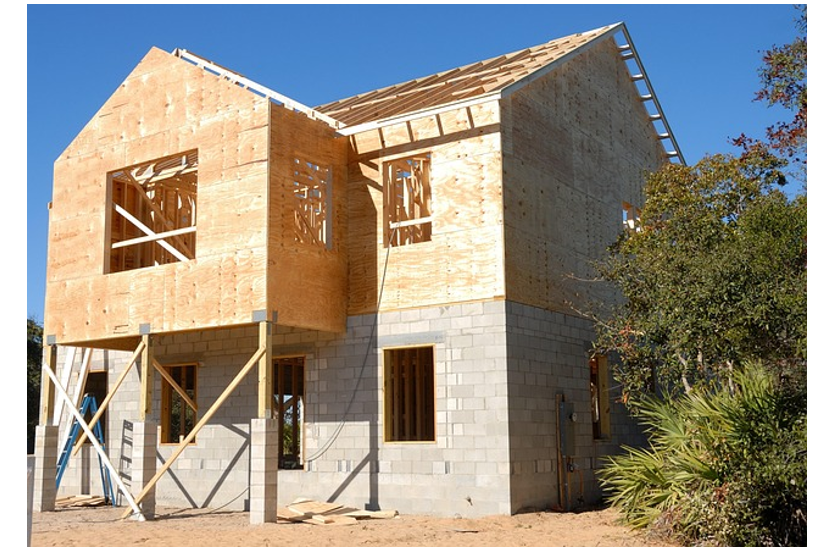
From Traverse City to the Grand Rapids, the communities in Michigan are nestled between stretches of rustling woods and freshwater lakes. The state invites homebuyers to custom build houses full of possibility but these are paved with decisions that can shape the outcome for better or worse.
A custom-built house represents more than a drawing or plan – it's a dialog or collaboration between the builder and homebuyer. Sometimes the most valuable lessons come from lines that didn’t make it to paper.
For Michigan, the building season has its own rhythm, with the spring thaw tempting prospective homebuyers into an early groundbreaking, dreamers trying to fulfill their custom build realizing that their Pinterest board might not translate into viable space or undertaking the long shadow of permit delays.
Building a home is intimately personal, but personality needs to go hand-in-hand with planning, forward planning for the future. In Michigan, residential construction is governed by very distinct codes and climate considerations. Understanding these codes is vital to establishing a safe and lasting foundation.
Where Vision Meets Reality 📌
Vision vs Reality: Mistakes to Avoid When Building a Custom Home
A custom-built house is a homebuyer’s investment in shaping a space to meet personal values, and lifestyle and long-term goals. But the process can be complex and even carefully planned builds can unravel without adequate prep.
In Michigan, where residential construction is governed by specific codes and climate considerations, Michigan Building Codes offers essential details for homeowners planning for a custom-built house and reduce the likelihood for mistakes.
Whether underestimating the budget, picking the wrong lot, or another misstep, these can ripple into significant and lasting regrets.
Homeowners can navigate the custom home construction process with confidence and clarity when they understand the most common mistakes often seen. Below are five key areas where expectation and reality tend to clash and suggestions for avoiding these pitfalls.
¨ Skipping the preplanning stage
Before diving into the design for a custom build house, you must consider lifestyle needs, daily routines, and future growth. If not, you may have a visually appealing place, but a functionally lacking space.
An open-concept layout is appealing to many people until they find that noise travels too easily in this floor plan or that the kitchen they’ve been dreaming of has no counter space for the cooking they’ve wanted to do.
Pre-planning involves more than selecting features; it's becoming familiar with how space will support your lifestyle; assessing how each room will serve your needs at different times through the day, in varied seasons – it's a blueprint to prevent frustration.
Aside from layout, traffic flow, natural light, and storage are all factors that are often overlooked in favor of aesthetics.
The key is to do a walk through from the time you walk in at the end of the day, where you might toss your bag, drop your keys, and how you transition from cleanup after dinner to getting ready for bed. When you plan a home from this rhythm and not just about resale, it ensures appeal and a deep livability.
¨ Underestimating the Budget
A common obstacle when planning for a custom-built home is oversimplifying the cost. Many assume the budget starts and ends with the construction – costs are actually layered and nuanced.
Each aspect of the process carries financial weight from the design, inspections, permits, materials, grading, landscaping, revisions, and unexpected delays.
That’s why builders like Trademark Building Company known throughout Michigan for their transparent and flexible budgeting practices, advocate for comprehensive cost breakdown before their shovel hits the soil.
Homeowners should pad their budgets by roughly 15 percent for unexpected expenses. Whether a structural challenge is uncovered during excavation, inflation shifts prices midway through, or you approve a material upgrade that you must have.
Planning ahead helps protect your emotional investment and keep the momentum going.
¨ Picking the Wrong Lot
Buyers too often fall for dream lots with surface benefits but don’t pay attention to the underlying drawbacks, such as lots that demand expensive and extensive site prep or a parcel with a fantastic view but significant drainage concerns.
Michigan’s diverse terrain comes with slopes, clay-heavy soil, wetlands, and zoning complications not visible when driving by. Picking a plot involves balancing practicality with emotion; it should support your vision and the house’s long-term sustainability.
The site conditions influence heating efficiency, foundation options, and even room positioning.
Enlisting professionals to assess the lot you’re considering before you buy it – not only for soil testing, but for municipal regulations, accessibility, sun exposure could save tremendous frustration and substantial costs.
The best builders can adapt to a plot’s needs but will need to know the limitations early. Go to resources like this through Law Shun for building permit guidelines, providing insight into who can pull them.
🔩Final Thought
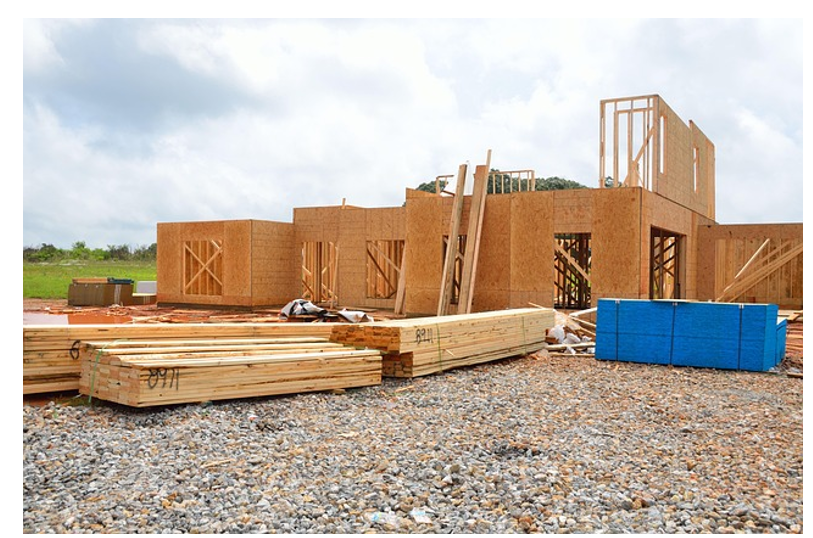
Focusing on wall framing or finishes is only one part of building a custom home – partnered with the best builder, you’ll be shaping your life. Mistakes will be a natural part of the process, but these don’t have to define your effort. Approach the process with a willingness to be flexible, with reflection, and informed insight.
Michigan homes are intertwined with nature and their communities – well-built homes become part of the landscape. They endure because they are crafted with intention and care.