8 Signs Your Garage Door Needs Repair Before It Fails
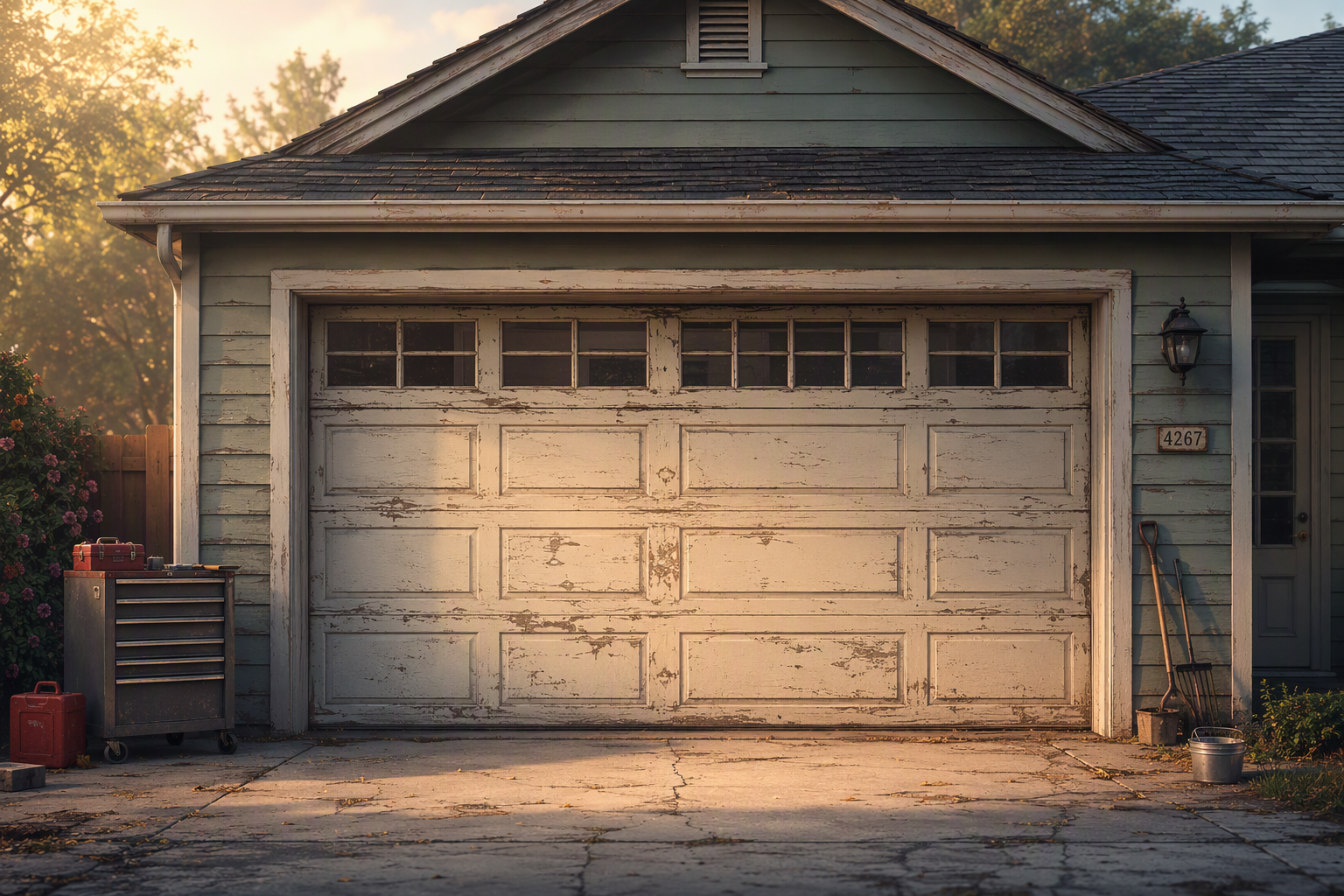
If your garage door starts to make new sounds, goes slow, stops partway, hangs unevenly, turns back for no reason, or you see parts like springs, cables, rollers, or the opener begin to wear out, you should get it checked. These warning signs can be seen weeks or months before the garage door stops working. If you look out for these signs early, it keeps your family safe and makes what could be an emergency feel more like a quick service job.
A garage door is usually the biggest thing that moves in most homes. If you have a steel garage door for two cars, it can weigh over 100 pounds. A family might open and close this several times each day — it happens over a thousand times each year. With all that use, parts of the garage door can wear out little by little. Most of the time, these problems show up without you noticing right away.
Technicians notice this happens a lot. A person at home spots something strange with the door. They think it can wait and don't fix it right away. The door then stops working, often when they are in a hurry. The information below will help you see each warning sign. You will know what you can check by yourself and what steps you can take, so you will not have this problem come back again.
1. Loud Grinding, Squeaking, or Popping Noises
A working garage door makes a steady and soft hum when you open or close it. If you hear new sounds, like grinding, scraping, squealing, or a loud pop, your garage door is showing there may be a problem. These noises can mean a part is getting dry, wearing out, or moving out of place.
What Causes a Noisy Garage Door
Dry rollers, hinges, or bearings that need some oil
Worn rollers with flat spots or cracks in them
Loose nuts and bolts that rattle when the door moves
Garage Door Noise Prevention Tips
Use a silicone or lithium spray to oil the hinges, rollers, and springs every six months.
Do not use heavy grease or oil from your house, as they will hold dirt.
If you hear a loud bang, stop using the door right away and get it checked before using it again.
2. Slow, Jerky, or Uneven Movement
Your door needs to move in a smooth and steady way from the top to the bottom. If you notice that it stops, shakes, or goes quicker on one side, then the parts that help guide and lift it are not working well together.
Common Reasons a Garage Door Moves Slowly
Springs that have lost their pull
Tracks blocked with dirt or other things
Bent or tracks not in line, which cause them to rub too much
Quick Checks You Can Do Safely
Watch a full open and close cycle. Look to see where it gets slow.
Wipe the tracks with a dry cloth. Do not grease them.
Leave track and opener changes for a professional.
3. A Sagging or Crooked Door
When a door is lower on one side, or you see the panels bend in the middle, the door is unbalanced. An unbalanced door makes the opener do more work than it should. This can make the motor stop working much sooner than you want.
Signs of an Unbalanced Garage Door
There is a gap at one corner when the door is closed.
The panels bend down near the center.
The door slides down if you stop it halfway.
How to Test Garage Door Balance
With the door shut, pull the emergency release cord.
Lift the door until it is at your waist level, then let go gently. A door that is in balance will not move.
Do not do this test if a spring might be broken. Afterward, hook the opener up again.
4. Broken, Stretched, or Gapped Springs
Springs are the parts that lift most of the door's weight, not the opener. When a spring gets weak or breaks, the door can feel too heavy to lift. This can also make it not safe to use.
Torsion Spring and Extension Spring Warning Signs
Torsion springs that are above the door may show a clear gap if they break.
Extension springs on the side tracks can look stretched out or rusty.
The door can open just a few inches, then it stops.
Why Garage Door Spring Repair Is a Job for Pros
Springs can have enough tension to cause a serious injury.
Standard springs work for about 10,000 cycles. This is around seven years for one busy household.
Never try to fix or take off a spring by yourself.
Salt in the air by the ocean can make springs and other hardware rust faster. That is why people who need Garage Door Repair in Encinitas, CA often find out that rust is a problem. No matter where you live, take a quick look for rust each month when you check your garage door. This can help you find spring issues early.
5. Frayed, Loose, or Snapped Cables
Lift cables help the springs move the door up and down in a smooth way. When the thin steel wires in the cable begin to wear out, the cable can break fast without any notice. This can make one side of the door drop all at once.
Garage Door Cable Problems to Watch For
There can be loose or broken strands that stick out.
You might see rust spots on the cable.
The door can tilt or go up in an uneven way.
Safe Cable Inspection Habits
Look at the cables from a few feet back when the door is closed.
Do not touch or try to move a cable, especially if it is tight.
Stop using the door, and wait for a technician to check it.
6. The Door Reverses or Won't Close All the Way
Automatic openers that have been sold in the United States since 1993 have to come with an auto-reverse safety system. If you see that your door goes back up for no reason, or it does not move back when there is something in its path, then that system needs to be checked right away.
Common Causes of Garage Door Reversing
Photo-eye sensors that are dirty, blocked, or not lined up the right way
Sensor wires that are loose or broken
Close limit settings that are not set right
Monthly Garage Door Safety Test
Put a roll of paper towels where the door will move and then close the door. The door should go back once it touches the roll.
Move an object through the sensor beam while the door is closing. The door should go back up again.
If the door does not pass these tests, do not use the opener. Get it checked before you use it again.
7. Worn Rollers or an Off-Track Door
Rollers help the door move on its metal tracks. If these rollers break or shake, the door may stick, drag, or leave its track. This is very risky for anyone who owns the home.
Warning Signs of Bad Garage Door Rollers
Rollers that move from side to side or tilt in the track
Wheels that are chipped, cracked, or look flat
A door that skips, stops, or leans while it moves
How to Prevent Garage Door Track Damage
Keep cars, bikes, and bins out of the way of the tracks.
Wait until the door is all the way open before you back out.
If the door comes off its track, unplug the opener and do not try to force it back.
8. An Unresponsive or Inconsistent Opener
The opener has a motor and a control system to move your door. If it works sometimes but not all the time, or if it is on but the door does not move, or the light blinks in a certain way, you might have a problem with the remote, the wiring, or the motor itself.
Common Garage Door Opener Problems
The remote or the keypad will only work when you are close.
The motor makes a humming sound, but the door does not move.
The opener light will blink in a way that may be telling you about a problem.
Simple Opener Checks Before You Call
Change the batteries in the remote and keypad.
Make sure the opener is plugged in. Check if the outlet has power.
Find out how old it is. Most openers work for 10 to 15 years.
If you feel your garage door opener is getting old, you may want to check out some of the new models. Many people looking for a Garage Door Opener in Encinitas, CA find that the latest belt-drive and smart garage door openers are quieter. A lot of these can also send alerts right to your phone.
Repair or Replace? How to Make the Smart Call
Not every warning sign means that you need a new door right away. The best thing to do depends on the age of your door. You should also think about how many parts are not working right. It is good to look at the repair cost and see if it is worth more than getting a better door. This can help you know if you should fix the old door or go get a new one.
When Garage Door Repair Makes Sense
Only one or two parts of the garage door get worn.
The panels stay solid. There is no rot or deep dents.
The cost will be close to the national average for garage door repair. This is about $300.
When Garage Door Replacement Is the Better Choice
Several parts are failing at the same time.
The panels are cracked, warped, or have big dents.
Every year, the repairs keep adding up.
Keep Your Garage Door Safe, Quiet, and Ready for Years
Most garage doors will not break without some signs. They start to show little problems first. If you notice these early, you will avoid one that gets stuck when you need it most.
Encinitas often has nice days around 73°F and cool nights near 59°F. But this coastal air can be hard on a garage door. Humidity is about 68 percent, and fog or drizzle in the morning leaves salty water on springs, cables, and tracks. This makes rust come fast and wears away the lubrication. Dry Santa Ana winds can blow sand and dirt into the tracks. So, it is good to check for rust often, put on fresh lubricant, and look at the bottom seal. These steps help keep your garage door working well.
It helps a lot if you spend a few minutes each month checking things. A professional can tune up your door once a year. Doing both can make springs, cables, rollers, and openers last longer. This also keeps your family safe from the heavy parts that do all the work.
If you have seen any of the eight signs listed above, it is good to let a trained technician check your garage door. A small problem can turn into a much bigger one. ADS Garage Doors and Gates Repair will look at your door, tell you in simple words what is happening, and help you decide what to do next. Contact them now to set up an inspection and make sure your garage door works well again.