Soak Up the Sun: NYC's Best Outdoor Spaces Unveiled for Spring
Step outside and discover New York City's hidden outdoor gems this spring, from serene Zen gardens to lively communal terraces designed for the ultimate urban escape.
Read MoreYour guide to New York real estate and more
Off The MRKT - Where New York's, Real Estate, Life Style, and Culture Converge
Step outside and discover New York City's hidden outdoor gems this spring, from serene Zen gardens to lively communal terraces designed for the ultimate urban escape.
Read MoreWelcome to The Huron, a new multi-million dollar development in the heart of Greenpoint, Brooklyn. This episode of "Staged" takes us behind the scenes of this remarkable building, designed by the renowned Morris Adjmi. The Huron is not just a residential space but a celebration of Greenpoint's rich heritage, beautifully blending the historical essence of the neighborhood with contemporary design elements.
The Huron's design pays homage to Greenpoint's industrial past. The building features a striking redbrick base with bronze metal cladding and meticulously sourced gridded windows from Europe, embodying the area's maker history. This architectural approach not only respects the past but also sets a new standard for modern living in Brooklyn.
The Huron offers 171 exquisite residences spread across two expansive towers. Each unit is a testament to timeless design, featuring airy ceilings and wide plank-engineered oak floors. The floor-to-ceiling windows do more than just bring in natural light—they offer breathtaking views of the East River and the Manhattan skyline, providing a backdrop that complements the casual elegance of the interiors.
Staging is crucial in showcasing the potential of each unit, and The Huron's model residence, designed by Vesta, illustrates this perfectly. With a focus on maximizing small spaces, the model unit uses space-efficient furniture and a thoughtful layout to demonstrate how potential homeowners can make the most of their living area. The integration of the kitchen and living space, highlighted by large windows and high ceilings, enhances the sense of spaciousness and luxury.
"Staged" offers viewers a unique insight into the art of home staging. As we explore various units in The Huron, starting at $1,005,000, viewers gain insider tips on interior design and see how staging can influence the sale of high-end properties. The series provides a behind-the-scenes look at how stagers draw inspiration from local history, target markets, and specific seller demands to enhance properties with carefully chosen furniture, artwork, and lighting.
To experience more of The Huron and discover other available units, visit The Huron's official website. Join us on "Staged" to see how expert stagers bring these luxurious homes to life, ensuring that each space not only meets market demands but also resonates with potential buyers looking for a slice of Greenpoint's evolving legacy.
Have a listing you think should be featured contact us or submit here to tell us more! Follow Off The MRKT on Twitter and Instagram, and like us on Facebook.
As New York City’s skyline stretches endlessly, one property stands out not just for its height but for its dazzling urban luxury. Listed by Gail Sankarsingh of Douglas Elliman, the newest $24.95 million duplex at Baccarat Residences redefines opulence in Manhattan’s competitive real estate market. With expansive views and meticulously designed spaces, this residence invites the wealthy to not just inhabit space, but to live artfully.

This duplex, sprawling across the 18th and 19th floors, combines sheer size with architectural finesse. Covering 4,505 square feet of interior space complemented by a 3,010-square-foot wraparound outdoor terrace, the residence offers a rare amalgamation of grand indoor living with generous outdoor leisure.

Every inch of the double-corner duplex screams luxury, with floor-to-ceiling glass windows ensuring triple exposures. These panoramic vistas offer not just light but a three-dimensional view of bustling Midtown Manhattan, crafting a backdrop that shifts from sunrise to glittering night skyline.

Inside, the duplex houses five en-suite bedrooms, each vying with the opulence typically reserved for a primary suite. Marble dominates the bathrooms, providing a cool, serene touch to spaces that promise relaxation and rejuvenation. Not to be overlooked are the five marble baths and two additional powder rooms, which speak volumes of the attention to detail in the design.
Living Spaces That Extend Outdoors

The expansive outdoor terrace is an entertainer’s paradise, accessible via multiple sets of glass doors. It encircles the main level, offering a stage for any event from a quiet morning coffee to grand evening gatherings under the city lights.

Upon entering, one is greeted by an elegant foyer complete with a central staircase, a walk-in closet, and a guest powder room—an introduction to a home that promises luxury at every turn. The main floor is a testament to modern luxury living, featuring a sun-drenched living room with a gas fireplace and a tranquil, primary suite-sized bedroom with its own bath, creating a haven of privacy and comfort.

The duplex’s upper level is dedicated to the homeowner’s retreat, offering a sanctuary of peace and plush comfort. The owner's suite includes a lavish custom-outfitted walk-in closet and a spa-like bath with dual sinks, a large glass-enclosed shower, and a private water closet. A similarly equipped second primary suite features an oval soaking tub with breathtaking city views, redefining relaxation in a metropolitan setting.
The Baccarat Residences’ new duplex is not just a residence; it’s a statement of living large and luxuriously in the heart of New York City. Offered by Gail Sankarsingh of Douglas Elliman, this property is a beacon for those who aspire to own a piece of the Manhattan skyline, wrapped in the lap of luxury.
Have a listing you think should be featured contact us or submit here to tell us more! Follow Off The MRKT on Twitter and Instagram, and like us on Facebook.

830 Park Avenue, Maisonette A, is a sophisticated co-op in New York's Upper East Side, blending townhouse privacy with high-end apartment amenities. Listed by Allison Chalfin from Douglas Elliman, this residence features a private Park Avenue entrance and has been meticulously renovated by the acclaimed architect Heather Faulding of 4+ Architecture & Design. The 36' wide principal floor houses a grand formal salon with chevron French oak doors, 9'8" high ceilings, and views of Park Avenue. Equipped for high-end entertaining, it includes a wet bar with a 48-bottle Miele wine refrigerator and ice maker, and an adjoining half-bath.
The designer chef’s kitchen is fitted with Calacatta slab counters, custom cabinetry, and top-of-the-line appliances from Miele and Thermador, including a steam oven and induction range. The dining area comfortably seats eight, enhancing the home’s entertainment capabilities. The primary suite features a spa-like bathroom with radiant heated floors, a double step-in Grohe shower, and a free-standing soaking tub. Downstairs, two additional bedrooms alongside a media lounge—convertible to a fourth bedroom or office—round out this luxurious space. The residence is outfitted with a Savant smart home system, extensive soundproofing, and multi-zone HVAC for optimal comfort. Priced at $5,900,000, Maisonette A includes a storage unit and offers a level of luxury and convenience rarely matched in the city.

Photo Predit Eric Piasecki/OTTO
Claxton House, an exquisite waterfront property in Sag Harbor, is currently on the market for $14.95 million, presented by the acclaimed interior designer Bryan Graybill, recipient of the prestigious Stanford White Award, and co-listed by Noble Black and Erica Grossman of Douglas Elliman. This newly constructed designer home showcases unparalleled craftsmanship and a distinct industrial flair, completed in 2023. It features five bedrooms, six full bathrooms, and one half bathroom, all designed to maximize the stunning water views that each room offers.
The home is a collaboration between the distinguished firm Historical Concepts and Graybill himself, ensuring a blend of traditional aesthetics with modern touches. Key architectural features include oversized windows reminiscent of carriage house doors, wide plank white oak flooring, and unique reclaimed cement tiles from Spanish stables. The residence includes a cozy parlor with a fireplace and multiple seating areas facing the water, a screened-in porch, and a rear deck perfect for dining al fresco.
Luxury extends to the second floor where the expansive primary suite is located, complete with a fireplace, a spacious bathroom with double vanity, a dressing room, and a wet bar. Adjacent to this is a private sleeping porch and a home office, all designed for comfort and privacy. Practical luxuries include radiant heating on the first floor, a heated gunite pool and spa, a detached two-car garage, and extensive outdoor living spaces including decks, patios, and dining areas, making Claxton House a true epitome of sophisticated waterfront living.
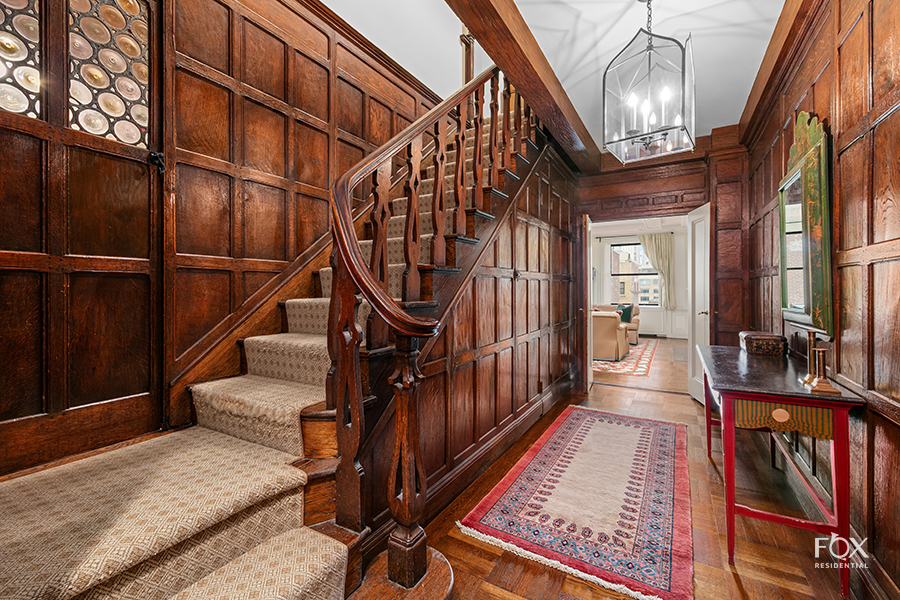
This exceptional duplex at 170 East 79th Street, Unit 9B, is a remarkable offering in the Upper East Side, combining the allure of prewar architecture with modern amenities. Marketed by Barbara Fox and Maggie Peters of Fox Residential, this residence designed by the renowned architect J.E.R. Carpenter in 1927, opens with a semi-private elevator leading into an entry foyer adorned with rich wood paneling. The first level features an expansive living room with sunny south-facing windows and a wood-burning fireplace, a large dining room, a cozy library with another fireplace, and a spacious kitchen equipped with a washer/dryer and butler's pantry. It also includes a staff room with bath for added convenience.
The upper level of the duplex boasts a luxurious primary suite complete with a fireplace, a dressing room replete with closets, and a large bathroom with a double vanity. There are three additional bedrooms, one with a private bath and two with a Jack and Jill bathroom. The residence is further enhanced by beautiful wood floors, high ceilings, and historic detailing. The building provides a landscaped garden, doorman service, a live-in superintendent, and facilities such as a laundry and bike room. Listed at $4,195,000, the cooperative supports 50% financing, welcomes pets, and is open to pied-a-terres, positioning it as an ideal option for a range of buyers.
Have a listing you think should be featured contact us or submit here to tell us more! Follow Off The MRKT on Twitter and Instagram, and like us on Facebook.
For pet owners, finding the ideal home in New York City's bustling residential real estate market in 2024 requires thoughtful planning, careful research, and a keen understanding of the unique considerations and challenges that come with housing pets in an urban setting. With nearly 45% of U.S. households owning at least one dog and almost 39% owning a cat, according to the American Pet Products Association, catering to the needs of our four-legged companions has become an essential aspect of modern city living and the real estate market.
As pet lovers ourselves, we're dedicated to supporting and guiding you through the nuances of the 2024 New York City residential real estate market, ensuring that both you and your pets can thrive and flourish in the city that never sleeps. Join us as we delve into the exciting and ever-changing world of pet-friendly urban living, demonstrating that with the right knowledge, resources, and commitment, finding the perfect home to share with our beloved pets is an achievable and rewarding goal.
To ensure a smooth real estate experience for pet owners in New York City, understanding the pet policies prevalent in residential buildings is the first crucial step. Here's what to keep in mind when evaluating pet-friendly homes:
1. Pet Weight and Breed Restrictions: Some buildings may impose restrictions on the weight, size, or breed of pets allowed. Always check for these limitations to ensure your furry friend complies with the building's regulations.
2. Number of Pets Allowed: Certain properties may set a limit on the number of pets you can house in a single residence. Be mindful of these restrictions, especially if you own multiple animals.
3. Required Pet Documentation: Buildings may request proof of spaying/neutering, vaccinations, registration, or even personality evaluations. Be prepared to provide the necessary paperwork in a timely manner.
Selecting the right neighborhood is an essential aspect of your pet-friendly home search. Consider these factors when seeking out the perfect locale for you and your pet:
1. Access to Parks and Green Spaces: Look for neighborhoods with nearby parks, dog runs, or pet-friendly green spaces, allowing for daily exercise, fresh air, and socialization for your furry companion.
2. Pet Services and Amenities: Research the availability of pet services in the area, such as pet stores, groomers, veterinarians, and pet daycares, to ensure easy access to essential resources for your animal's well-being.
3. Safety and Walkability: Choose neighborhoods with well-lit streets, low crime rates, and sidewalks that can accommodate daily walks without putting your pet's safety at risk.
When it comes to moving with pets, organization is key. Here's a list of documents and certifications you may need to provide to your new landlord or building management:
1. Vaccination Records: Ensure that your pet is up-to-date with vaccinations and have a veterinarian-issued vaccination report readily available.
2. Spay/Neuter Certificate: Proof of spaying/neutering can often be a requirement in pet-friendly residential buildings, demonstrating your commitment to responsible pet ownership.
3. Pet License or Registration: Even though not required in all buildings, registering your pet with the city and obtaining an official pet license can be a plus for landlords who seek responsible pet owners.
4. Pet Resume: While not always mandatory, creating a pet resume with relevant information, such as breed, age, medical history, training certifications, and references from previous landlords, can help showcase your pet's positive attributes.
There may be some additional challenges and expenses associated with pet-friendly living in New York City, which pet owners should be prepared to face. Here's what to anticipate:
1. Pet Deposits and Fees: Some landlords and buildings may require a refundable pet deposit or a non-refundable pet fee, adding to the overall cost of moving and leasing.
2. Apartment Insurance: Obtaining renter's insurance that includes liability for pets may be necessary for some buildings or advised by landlords, providing financial protection in case of pet-related incidents or damages.
3. Time and Effort: Due to the limited availability of pet-friendly apartments, searching for the right home may require additional time and effort. Be prepared for a more intensive property hunt and consider enlisting help from a knowledgeable real estate professional.
Navigating the 2024 New York City residential real estate market as a pet owner can be a challenging yet rewarding endeavor. By understanding building pet policies, exploring pet-friendly neighborhoods, preparing the necessary documentation, and anticipating potential challenges and expenses, you can embark on a successful and fulfilling journey toward finding the perfect home for both you and your furry companions.
As your trusted New York City real estate blog, Off The MRKT offers expertise, resources, and a genuine passion for helping pet owners thrive in the vibrant and bustling landscape of New York City. Let's work together to unleash the full potential of pet-friendly living in the city that never sleeps, opening the door to a happy and harmonious future for you and your beloved pets.

If you’re a renter in today’s competitive housing market, finding the perfect apartment might stress you out enough without the added worry of falling prey to rental scams. Unfortunately, although the digitalization of rental listings provides a lot of advantages and comfort, it also increases the opportunities for scammers to exploit unsuspecting renters.
Understanding how to recognize and avoid these rental scams is crucial for those who are looking for apartments, so they can spot the red flags and take action against potential scammers. In this article, we cover some of the main types of rental scams and we offer you advice on how to act if you encounter one.
The bait-and-switch
The bait-and-switch scam involves a fake or unavailable unit, advertised as a great deal. Scammers catch the eye of prospective tenants with well-designed listings at below-market prices. Once interest is expressed, these scammers then attempt to divert renters to more expensive or less desirable units, or they may claim that the initial property is suddenly unavailable.
The phantom rental
Phantom rentals are particularly insidious because they involve scammers posting listings for places that they don’t manage or that simply don’t exist. Often, these scammers will steal descriptions and photos from legitimate ads, which makes their offers seem real, and more affordable than other apartments on the market. Renters who want to secure the place might be encouraged to act quickly and be pressured by a false sense of competition and urgency created by the scammer.
Upfront money
The upfront money scam is a common ploy where those who create listings and ads ask for a security deposit, the first month’s rent, or an application fee before you’ve even had an opportunity to see the apartment or sign a lease. They pressure renters to do so to secure the apartment, generally by saying there are other parties who are interested and the offer might disappear. Often, once the payment is made, the scammer disappears with the money. This leaves the renter without the apartment and quite a large sum of money.
Hijacked ads
Hijacked ads involve scammers who take real rental listings and repost them with their own contact information. They impersonate the real landlord or property manager and engage with potential renters as if they legitimately own the apartment and have the right to rent out the property. This can lead to renters paying deposits or rents, or even application or credit check fees, without ever being able to enter the run for that apartment.
Missing landlord
The missing landlord scam occurs when a "landlord" claims to be out of the country and insists on renting the property remotely. They typically ask potential renters to wire them money in exchange for sending the keys by mail. Almost invariably, such scenarios are scams. Real landlords will generally have local contacts managing the property or will be available to meet in person.
Now that you know what the main types of scams are, let’s see what you can do to check whether a listing is real or fake.
Verify the landlord’s identity
Make sure you always check the identity of the landlord or agent you are talking to. You can do so by asking for proof of identity and confirming that the person you are dealing with is truly authorized to rent out the property. You can verify property ownership through county records, which can provide reassurance that you are dealing with legitimate parties.
Never rent sight unseen
It is crucial that you see the property in person. Physical inspections or, at the very least, a live video tour of the property can save you from many common scams. If personal visits are not possible due to logistical reasons, arranging for a trusted friend or relative to view the property on your behalf is advisable. Avoid renting any property that you have not seen in some form.
When apartment hunting, using trusted platforms is one of the most effective ways to reduce the risk of rental scams. Established rental marketplaces like KT Rents help renters connect with legitimate listings, adding an extra layer of confidence and transparency throughout the search process
Don’t pay with cash
Avoid cash transactions and choose traceable payment methods like checks or credit cards. These methods offer you proof of payment and can typically be traced and recalled by your bank if it turns out that you are the victim of a scam. Be very wary of landlords who are very insistent on you paying rent or deposits in cash.
Double check the address
Always research the address. You should search the internet to see if the property is listed elsewhere under different conditions or prices. Use tools like Google Maps and Street View to verify that the property matches the images and descriptions in the advertisement you are responding to. And you can even do a reverse Google image search to see if those images are used in other ads as well. This could help you find the real ad that was hijacked by the scammer.
Check reviews
Looking for reviews and testimonials about a landlord or property management company can also reassure you that they’re real. A credible landlord should have a history of interactions or reviews from previous tenants. Scammers, on the other hand, don’t usually have an online presence or they have inconsistent details that do not add up.
Read the lease thoroughly
Read the lease carefully before signing. Check that all terms and conditions are clear and reasonable, and that there are no clauses that seem unusual or unfair. If anything in the document is unclear or if it seems like they might be taking advantage of you or rushing you into signing, consider consulting with a legal professional who can provide clarity and guidance.
Trust your gut
Lastly, always listen to your instincts. If a rental apartment seems too good to be true, it usually is. If a landlord’s behavior is odd or it makes you uncomfortable, it’s better to trust your gut and step back. Scammers often create a sense of urgency to rush people into making decisions without taking the time to really think about what is happening.
Finding a new apartment is an exciting process, but it’s important to proceed with caution. Educate yourself on common types of scams and take proactive steps to verify the property and the person you are dealing with. These steps will help you be more relaxed in your apartment hunting experience and enjoy the process.
Have a listing you think should be featured contact us or submit here to tell us more! Follow Off The MRKT on Twitter and Instagram, and like us on Facebook.

Lefferts, a noted real estate developer, is introducing a new luxury condominium project named PALMA Miami Beach Residences, located at 600 71st Street in Miami Beach. This 14-story luxury tower will offer 126 turnkey residences, furnished and ranging from 405 to 889 square feet. With prices starting from the $650,000s, the development also features 8,500 square feet of retail space on the ground floor and boasts no minimum rental restrictions.

Scheduled for completion in early 2026, PALMA is a LEED Gold-certified building, showcasing a commitment to sustainable living. The development is strategically located within the pedestrian-friendly North Beach neighborhood, surrounded by numerous amenities including the Miami Beach Tennis Academy, North Shore Park Youth Center, and the Miami Beach Bandshell.

The interiors, designed by Studio Ramirez, reflect South Florida’s tropical landscape with Miami Beach influences, featuring high-end finishes and appliances in both the kitchens and bathrooms. Residents will enjoy a range of luxurious amenities such as a resort-style pool, wellness hot tub, cold plunge pools, a private bar, and a state-of-the-art fitness center.

“We are honored for the opportunity to collaborate with Lefferts as their exclusive sales and marketing partner for PALMA Miami Beach Residences,” said Peggy Olin, CEO of OneWorld Properties.
The location of PALMA is not just about luxury but also convenience, being "just a short walk from the Miami Beach Tennis Academy; North Shore Park Youth Center, a sprawling indoor and outdoor sports and recreation complex" and other cultural and recreational venues. This proximity to diverse amenities underscores the project's appeal to potential residents seeking a blend of leisure and luxury.
In summary, PALMA Miami Beach Residences is set to be a cornerstone development enhancing the North Beach area. Through its sustainable design, luxury amenities, and strategic location, it aims to transform the living experience in Miami Beach.
Have a listing you think should be featured contact us or submit here to tell us more! Follow Off The MRKT on Twitter and Instagram, and like us on Facebook.

By Lisa K. Lippman, Brown Harris Stevens
The goal when preparing a property for sale is to make sure that it looks as good as it possibly can. Each room should appear as a fresh and bright clean slate in an effort to help buyers imagine themselves living in the space. Whether it is an overlooked collection of products on the bathroom counter or a fuzzy film on the window that muddies the views, it is the little things that make all the difference.
Here, top Manhattan real estate agent Lisa K. Lippman shares four proven tips that will help your home make a great first impression.
If you are planning on moving, the furniture will likely need to be removed anyway. Declutter each room as much as possible, pack away collections and picture frames, and keep surfaces curated. Remember, less is always more.
Make sure all light bulbs are working, do any needed paint touch-ups, clean rugs and replace dark colors with a lighter option, wash the windows, and regrout bathrooms and kitchens.
When you price your home, forget aspirational pricing and everything you knew from a year ago. What is really important is to talk to your broker about where properties are trading now. You want to be the most attractive property, both in your product type and in your price point (5-7% of your price). If you make something very compelling in every way, you may not have to negotiate.
It can cost $700 per square foot and up to renovate these days, and it takes longer than it used to. You will also need to factor the cost of the buyer having to live someplace else while renovating. Those numbers add up and should all be kept in mind when pricing.

Lisa K. Lippman
Lisa has been the number one agent at Brown Harris Stevens for the past eight consecutive years and was most recently named number six in New York City for seller represented sales, preceded only by large teams and actual companies. With over 25 years of leading industry experience, Lisa’s depth of expertise, marketing savvy, and personal attention to every detail is sought out by buyers and sellers of high-end cooperatives, condominiums, and townhomes throughout Manhattan.
Have a listing you think should be featured contact us or submit here to tell us more! Follow Off The MRKT on Twitter and Instagram, and like us on Facebook.
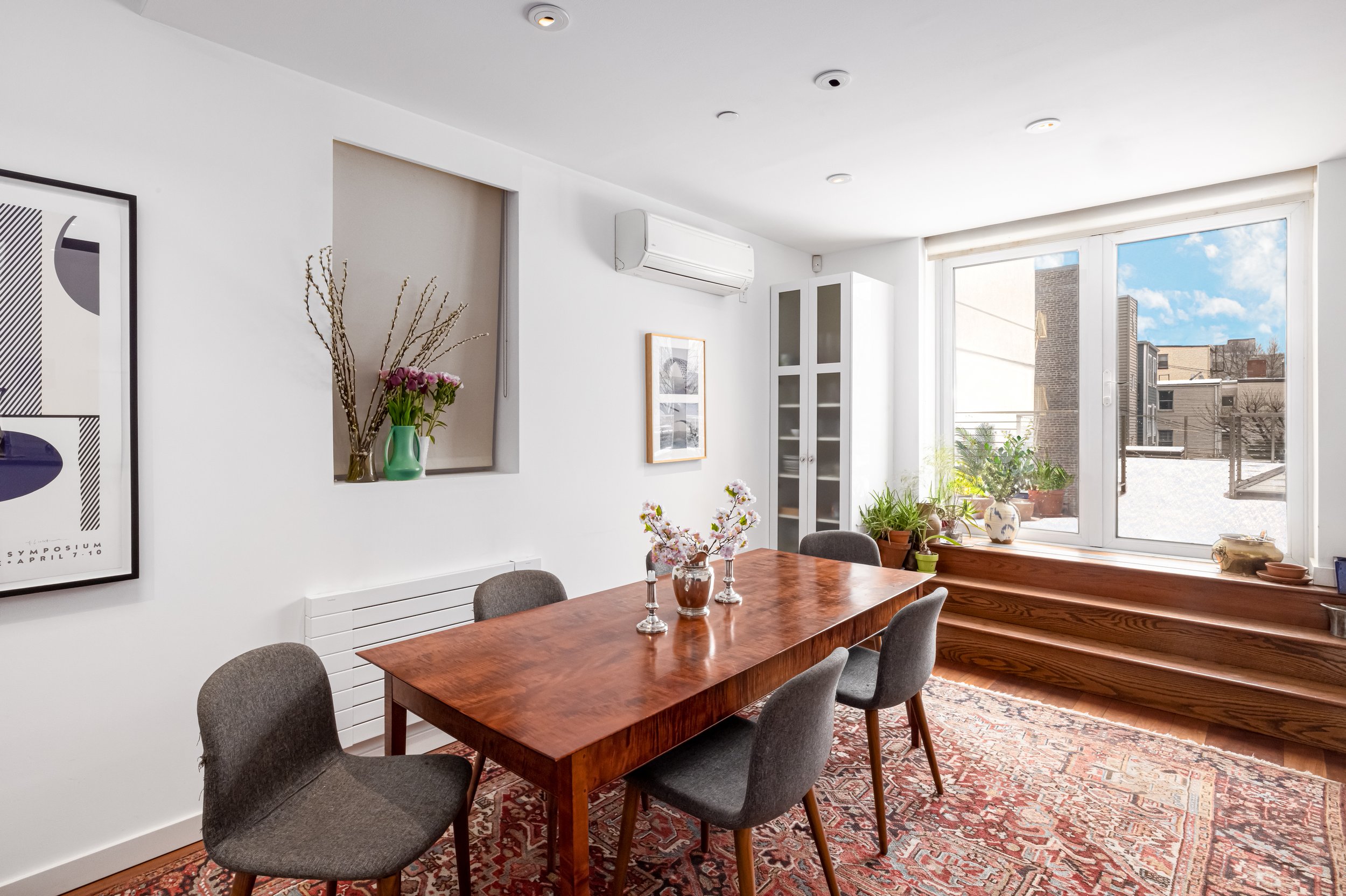
Located at 394 Union Avenue in the heart of Williamsburg, this nearly 4,000-square-foot townhouse offers a unique blend of history and modern luxury. Known for its bootleg past, the home features a secret hatch leading to a former illegal still, now repurposed as a charming wine cellar. This property, which has been the residence of two artists for decades, seamlessly combines the industrial allure of its original factory design with contemporary comforts. High ceilings, exposed brick, and beams are complemented by modern amenities such as central air, skylights, a built-in sound system, and custom kitchens and baths.
Ideal for both living and work, the space includes a vast art studio that can be subdivided, a guest suite with its own facilities, and a private garage equipped with electric and plumbing. Outdoor living is elevated with a large 1,100-square-foot deck for entertaining. This rare find is not just a home but a piece of Williamsburg’s vibrant history, listed at $4,400,000 by Douglas Elliman’s Maureen Hogan and Jeffrey Block.

Apartment PHC at 505 W 43 is a stunning example of modern living in New York City, featuring a spacious 2,408 square feet with four bedrooms and three and a half bathrooms. This residence boasts south and west-facing floor-to-ceiling windows that fill the space with light, complemented by a large 946 square-foot outdoor terrace that provides a private oasis in the heart of the city. The apartment is finished with high-quality materials, including 5" wide oak plank flooring, white lacquered kitchens with Grohe fixtures, and Thermador and Bosch appliances. Bathrooms are elegantly designed with marble floors and Toto fixtures.
Located where Hell’s Kitchen and Midtown West meet Hudson Yards, 505 W 43 offers not only luxury but convenience, with easy access to major city attractions like Hudson River Park and the Theatre District. Residents enjoy a comprehensive amenity package that includes an indoor heated pool with an outdoor sun-deck, a fitness center, a double-height lobby library and lounge, and a children’s playroom. This combination of upscale amenities and an ideal location makes 505 W 43 a prime choice for those seeking the quintessence of New York City living.
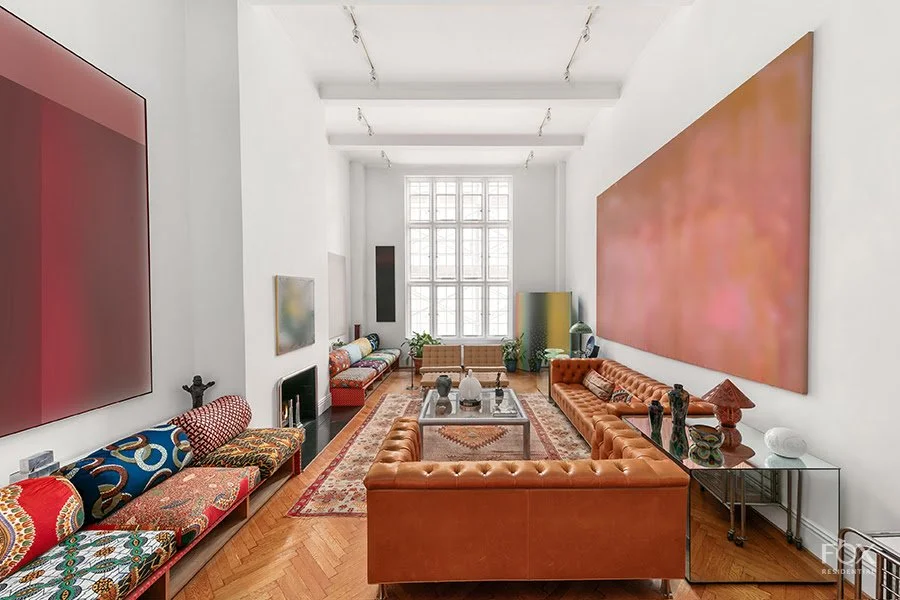
Apartment 2D at 14 East 75th Street, a renowned prewar cooperative, is now available for the first time in five decades. Priced at $5,200,000, this home resides directly across from the former Whitney Museum, nestled between Fifth and Madison Avenues in one of New York's most prestigious neighborhoods. The apartment enters through a semi-private elevator vestibule into an entry gallery, leading to a grand double-height living room with an impressive 18-foot ceiling and expansive mullioned windows that enhance its majestic ambiance, making it an ideal setting for art displays. Originally an eight-room configuration, it now houses seven rooms, including an oversized dining room that doubles as a den.
The residence features a large eat-in kitchen with a window, incorporating a staff room with its own bath and a laundry area. The private bedroom wing consists of three spacious bedrooms and two bathrooms, complemented by treetop views, high ceilings, and exquisite wood flooring throughout. Ample closet space and built-in storage add to the apartment's appeal. The building, a boutique 12-floor structure with only 61 apartments, offers full-service amenities such as a full-time doorman, a fitness room, and private storage, all within a stone's throw of Central Park and Museum Mile. This neo-classically designed building by George F. Pelham, dating back to 1929, continues to offer white-glove service and maintains a reputation as one of the area's most distinguished addresses.

Penthouse B at 718 Broadway, offered at $2,395,000, merges historical elegance with contemporary luxury, perched atop an iconic cast iron building in the sought-after neighborhoods of NoHo and Greenwich Village. This 11th-floor loft features a spacious formal foyer, a living and dining area with 13-foot ceilings, and abundant natural light from its oversized windows. The two-bedroom, one-bathroom layout includes a primary bedroom with a walk-in closet, a versatile second bedroom, and a spa-like bathroom equipped with modern fixtures.
The residence boasts a chef's kitchen with Italian marble countertops, a hardwood island, and premium appliances like a Sub-zero refrigerator and Wolf stove. Amenities for the 40-unit co-op include a furnished roof deck with panoramic city views, a virtual doorman, and central laundry facilities. Conveniently located with easy access to multiple subway lines, shops, and restaurants, this loft represents the best of urban living. Pets are allowed, and subletting is permitted. Listed with Douglas Elliman's Kirsten Jordan and Lindsay Coleman.
Have a listing you think should be featured contact us or submit here to tell us more! Follow Off The MRKT on Twitter and Instagram, and like us on Facebook.

Navigating the bustling and complex New York City rental market can be an overwhelming undertaking for both newcomers and long-time residents. With a myriad of options, amenities, and neighborhoods to choose from, finding the ideal rental property that caters to your unique needs and preferences may feel like a daunting task. That's where our comprehensive FAQ guide comes in, answering your burning questions and providing valuable insights into the nuances of the NYC rental market.
Armed with this knowledge, you'll be well-equipped to explore rentals with confidence, understanding the various factors that can affect your selection and ultimate satisfaction with your chosen property. From cost considerations and lease terms to uncovering hidden gems in up-and-coming neighborhoods, this guide puts you on the right path to secure the perfect rental home within the vibrant New York City landscape.
Before diving into the search for a rental property, it's essential to understand some key aspects of the NYC rental market. Familiarize yourself with the different types of rentals available, such as co-ops, condos, and purpose-built rental buildings. Each type comes with its advantages and disadvantages – for instance, co-op buildings often have stricter application processes and board approvals, while condominiums usually provide more flexible lease terms and modern amenities. Research the various leasing structures as well, from rent-stabilized to market-rate, and be aware of the general market trends to make informed decisions on your ideal home.
When determining your budget for a rental property in New York City, it's important to consider expenses beyond the monthly rent. Application fees, security deposits, and broker fees are standard costs associated with leasing a property. Typically, you will need to demonstrate an annual income of at least 40 times the monthly rent or provide a guarantor who has an annual income of at least 80 times the rent.
In addition to these upfront costs, consider the ongoing living expenses, such as utilities, renter's insurance, and transportation costs. It's also crucial to factor in potential rent increases, particularly in neighborhoods that are experiencing rapid growth or development. Keep in mind that NYC has rent stabilization laws that limit rent increases for specific apartments, which you can learn more about from the NYC Rent Guidelines Board.
New York City offers a diverse range of neighborhoods that cater to different lifestyles and preferences. When choosing a location, consider proximity to your workplace or university, your preferred mode of transportation, and the availability of essential amenities like grocery stores, schools, and parks. Each neighborhood has its unique vibe, and it's crucial to find one that resonates with your personality and priorities.
Spend time exploring various neighborhoods, both during the day and at nighttime, to get a feel for their atmospheres and local communities. Talk to friends or colleagues who have lived in different parts of the city for first-hand insights into the pros and cons of various locations.
Once you've set your budget and narrowed down your preferred neighborhoods, it's time to begin your search for the perfect rental property. To identify and compare available properties, including online listings, social media groups, and referrals, utilize a wide range of resources.
Create a list of must-have amenities and prioritize them based on your needs and preferences. This list may include factors such as an in-unit washer and dryer, a doorman, outdoor space, or a pet-friendly building. Keep an open mind, but also be prepared to compromise on some amenities, as balancing your wishlist with your budget and rental availability can often be challenging in New York City.
When you've found a desirable property, it's time to submit a rental application. Prepare documents such as proof of income, credit history, and references in advance to maximize your chances of securing the property. It's essential to act quickly, as desirable rentals often get snatched up in a matter of days.
Be prepared to negotiate, especially if the landlord is asking for an above-market rent or if you have a strong application with a stable job and excellent credit. Even in competitive markets, you may be able to secure some concessions, such as a month of free rent, a reduced deposit, or a lower rent increase cap on the lease.
Make sure to inspect the rental property thoroughly before signing the lease. Look for any signs of damage, and ensure that all appliances and fixtures are in good working order. Bring a trusted friend or family member along for a second opinion if possible.
Pay close attention to the lease terms and ask for clarification on any points that you find confusing or ambiguous. Make sure to understand maintenance and repair responsibilities, restrictions on subletting, and policies regarding lease renewals. Ultimately, it's crucial to feel comfortable with the terms of your lease agreement before signing on the dotted line.
Mastering the intricacies of New York City's rental market empowers you to make smarter decisions in your pursuit of the perfect rental property. With an understanding of budgeting, neighborhood selection, must-have amenities, and lease terms, you can confidently navigate through the vast array of choices in one of the most vibrant cities in the world.
At Off The MRKT, our mission is to help you find the ideal rental property in New York City that matches your unique lifestyle and preferences. With comprehensive listings, expert insights, and personalized guidance, our team ensures a seamless and enjoyable journey towards your new home. Start exploring properties that align with your goals and expectations today. Trust Off The MRKT to be your partner in securing the perfect rental home in NYC.
Looking for a new place to live or just curious about what's on the market? Check out our top open houses this weekend.
Read More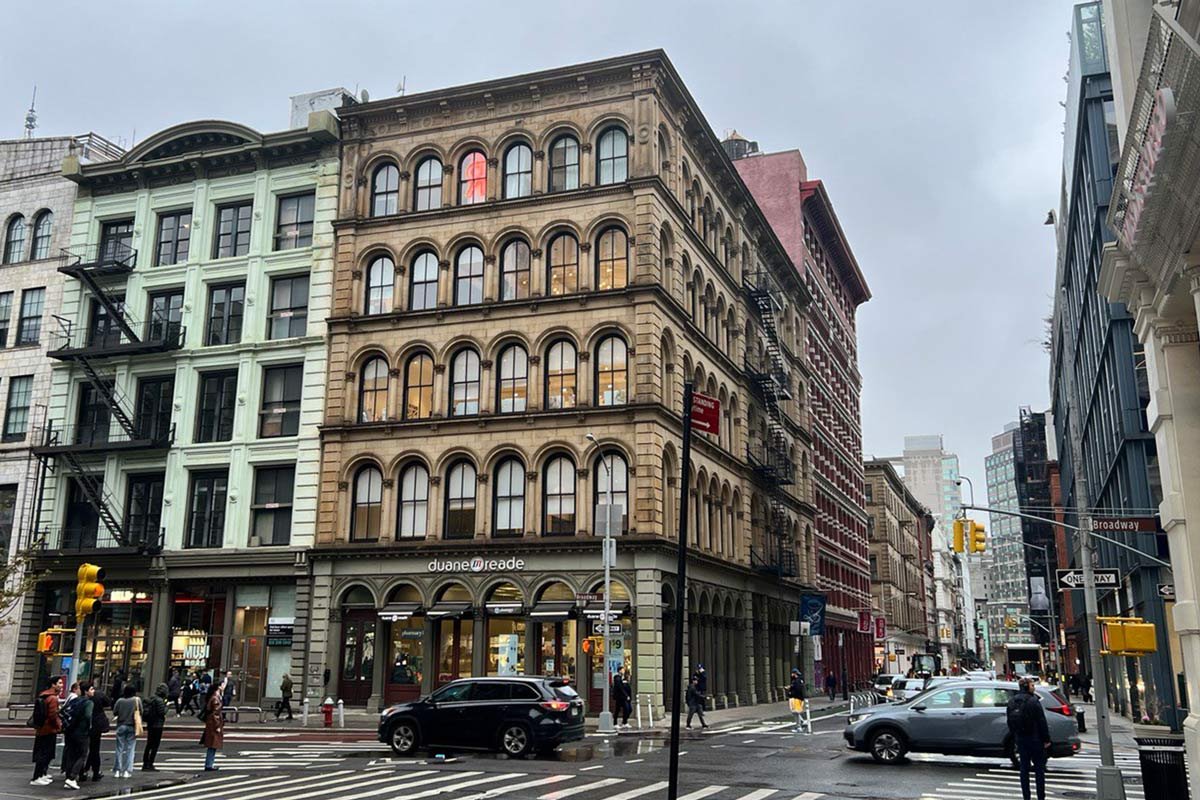
When we talk about the New York City Real Estate Market, we talk about something totally different from other real estate markets in the world, there is a very active and profitable real estate market in New York City, with its iconic buildings and complicated financial section. Luxury penthouses in Manhattan and brownstones in Brooklyn are just two examples of the wide range of homes in the city that can fit any taste or budget. In this active ecosystem, real estate brokers are the link between buyers, sellers, tenants, and landlords, making deals easier and facilitating communication. However, despite the glitz and glamor of New York City's real estate market, agents have to deal with a number of problems that are particularly difficult in this area.
Rising property prices are one of the hardest things for real estate agents in New York City. Amazingly expensive homes are everywhere in the city, from modern condos in Tribeca to historic townhouses in Greenwich Village. As a result, agents' overhead costs are going through the roof. These costs include renting an office, paying for ads, and paying for transportation. New York City's high cost of living makes these financial problems even worse, making it harder for agents to balance their commission earnings with their bills. To get through this financial minefield, agents need to practice smart budgeting and look for other ways to make money to keep their businesses going in the long run.
Things move quickly in New York City's real estate market. Buyers and sellers act very quickly, and homes often change hands within days or even hours of being listed. Realtors are under a lot of stress trying to keep up with the continuously changing listings, client needs, and market trends because of this fast pace. Within this constantly changing setting, workers must create effective ways to handle their work, stay organized, and quickly adjust to new situations. Accuracy and flexibility are key to success in New York City's fast-paced real estate market, whether you're negotiating quickly or setting up multiple property viewings in one day.
This city's real estate market is affected by many rules and laws, including the NYC Building Code and Zoning standards. To properly work as an agent, they have to find their way through complicated rules, from getting a license to ongoing education requirements. New York City demands strict education, exams, and ethical behavior in order to get and keep a real estate license. Furthermore, real estate agents need to keep up with the constantly changing local rules and laws that guide property deals, zoning, Building Code and fair housing practices. Although these problems exist, smart agents know that compliance is essential and spend time and money keeping up with changes to the rules.
Buyers and sellers in New York City's very competitive real estate market have high standards for their agents. People want personalized service, quick answers, and expert advice throughout the whole process of renting, buying, or selling. Many pieces of information are available online, so clients expect agents to give them help and insights that go beyond what they can find on their own. Unfortunately, it's very hard to balance these high hopes with the reality of the market and the inventory that's available. Agents need to carefully handle their clients' expectations by giving them honest feedback and doing their best to meet their needs within the market's limits.

A lot of things can affect the real estate market in New York City, including the business as a whole. It is possible for economic downturns to lower demand for homes, stricter loan requirements, and more market volatility. Because of this, agents have the difficult job of dealing with uncertainty while keeping their businesses going strong. People can get through economic downturns by giving a wider range of services, forming strong bonds with customers, and being flexible with pricing and marketing. Additionally, agents need to keep up with economic indicators and market trends in order to predict changes and adjust their strategies properly.
New York City real estate is quickly changing because of technology, which gives agents both chances and challenges. This has changed how homes are advertised and deals are made since online listings, virtual tours, and digital marketing platforms became more popular. In addition to making things easier and more efficient, these technology advances also threaten old ways of doing business.
The challenge for agents is to find out how to use new tools in their work and be updated when talking to clients and having presentations.
Creative thinking and acting, using data analytics, and spending money on digital marketing are all important ways to stay competitive in today's tech-driven market.
For more information on how to do Property Analysis for investing in the New York City real estate, click here.
Discover the unique opportunity to own a piece of Manhattan's history with the upcoming auction of a luxurious gallery and adjacent residence at 11 & 15 East 70th Street. Nestled beside the Frick Museum
Read More
Condos in cities like Toronto, New York, Miami, Chicago, Los Angeles, Houston, Boston, London, Tel Aviv, Dubai, Tokyo, Seoul, Sydney and Melbourne are valuable. For many, the affordable ones are an entry point into home ownership and the real estate market. For others, they are an entry point into a lifestyle only a select group can have.
Condos are an attractive option for many first-time buyers and investors. Many buy them and rent them out (like they do with apartments). However, a lot of condo buyers and owners wonder if this unique kind of real estate can boast the same kind of appreciation and potential return on investment (ROI) as suburban homes.
Many factors influence the value of condos in the cities mentioned previously. Understanding these dynamic factors is key for buyers and investors alike. Let us now understand them briefly:
Location plays quite a role in a condo’s value. If it has proximity to amenities, public transport, and other desirable neighborhoods, then it will have a very good price tag.
On-site amenities such as pools, gyms, indoor sports arenas, communal spaces, more security, and the like, do add a good bang for the buck in the value of condos.
The fees associated with a condo can also affect its value. They do cover essential services and maintenance of cooperative and shared spaces, but they also have an impact on the affordability factor of condos. They can also impact its resale value.
Hence, Prospective buyers should carefully assess the financial implications of these fees and payments. This can affect their monthly budgets if they cannot pay them on time.
When compared in economic terms, condos, and suburban homes have some similarities. But in what ways do they compare concerning appreciation and long-term gains? Let’s find out.
Suburban homes (including their detached and non-detached counterparts) have the potential for expansion and renovation. They also have been perceived as a more stable and appreciable asset.
But in some markets the population density is high. Among them are
Dhaka,
Mumbai,
Dubai,
Istanbul,
Tokyo,
Toronto,
Mexico City,
Rio de Janeiro,
New York City,
London,
Barcelona,
Madrid,
Buenos Aires,
Santiago,
Sydney,
Melbourne,
Jakarta,
Hong Kong,
Manila,
Bangkok,
Singapore,
Osaka,
Vancouver.
A condo is as valuable as a suburban home. Condos in these markets have remained close to suburban homes in many ways. Forensic Delay Analysis experts reveal that cities and markets with rising population density go for vertical housing. Apartments and Condos are valuable in these cities.
In the cities mentioned, condos have access to on-site and off-site amenities. They offer high-convenience living and proximity to some of the best neighborhoods which keep their demand strong.
When it comes to resale, these condos cater to many potential buyers given their starting price point. This can pay dividends in the form of multiple offers.
Not every real estate market is the same. They evolve, change, and at times, favor homes over condos. Los Angeles, Miami, Houston, and New York have condos. But buyers there would still go for homes.
Economic conditions, changes in demographics and social fabric, population changes, interest rates, policies of municipalities, the state and federal government, and vice versa. From the perspective of value appreciation, condos and homes are susceptible to influence from market trends. This can either raise their values or drop them based on various factors.
Values of condos are also impacted by surrounding infrastructure plus any developments in progress or coming up. For instance, in Toronto, and Tokyo, condos near public transit or having skytrain stops near them catch a lot of good value.
Construction of new housing projects, any initiatives for improving neighborhoods, and urban revitalization projects can raise the values of condos. Unless and until state and federal governments regulate the prices, these condos will become quite expensive.
If condos are located near areas that are public housing schemes having higher rates of crime and delinquency among youth and adults, then those condos will fall in value. They might also get razed down.
Keeping in mind the principles of supply and demand, the influx of new condo developments can raise the competition between owners. This can have a bad effect on the resale values. However provided the long-term demand for housing held by various markets, it is unlikely that an inventory surplus can harm property owners. That however doesn’t suit all markets.
Proper urban development must be practiced. Toronto unfortunately is spreading as far as Hamilton, and bad urban development will lead to future issues. Lobbyists are vouching for Dutch-style housing development in the United States. That model won’t work due to different demographics and societal fabrics.
Another issue that buyers face is construction claims. Buyers are at times in desperate need of a home and they can find an attractive home or condo in a development that is attractive.
In the future, if a change in government puts the status of that property in jeopardy due to unethical practices involved in its construction, any environmental considerations or the like, then residents and property owners can sue both the government, municipalities, state governments and construction companies.
The construction of condos is a complex and hotly contested topic. Many cities and markets often are against their construction due to a myriad of concerns and hazards surrounding them. Toronto has come under fire for its construction as it is interfering with the economic development of other cities in Canada.
Proper urban development is needed. Its not just Canada. It is also other developed and developing countries. While the Dutch take pride in their frugality and small-sized homes, that housing won’t suit Italian cities and British municipalities.
Asian countries are facing a huge problem where cities are growing beyond limits. That growth needs to be curtailed to ensure it is sustainable else infrastructure issues will cripple their development.
Have a listing you think should be featured contact us or submit here to tell us more! Follow Off The MRKT on Twitter and Instagram, and like us on Facebook.
It takes a lot of planning to move to a new place and call it your home while maintaining your comfort and convenience. To prepare well for the process, you need to do thorough research into what the place you want to move to is like. Once you know details such as the amenities and challenges of a certain locale, you can be sure that it will be a lot easier for you to settle down well. Read on to see some of what you can expect when you move to Long Island so that you can make proper plans and avoid unnecessary surprises.
When you move to Long Island, you'll have an easy time transferring your health services. That's because there are many quality hospitals and qualified healthcare practitioners who are in a position to help you stay in the best health throughout. Make sure to shop around for a good professional for this so that you know where to turn in case of a health-related issue. By doing this as soon as you can, you'll be in a position to keep up with regular healthcare appointments and keep up with the recommendation that you should visit your doctor at least once every year. Don't forget to also find a good dentist so that you can take proper care of all your health needs without hassle.
In Long Island, you'll have an easy time getting around because of the thriving public transportation system in the area. This means that it will be quite easy for you to commute to and from work if you choose, and you won't need to use your vehicle all the time. When moving to a new place, transportation is one of the most important things to think about, with more people traveling for work, school, or even simply adventure. This may be evidenced by the fact that in a span of 40 years, the number of miles traveled has increased by more than 400%. Thanks to the thriving transportation network here, you may enjoy shorter commutes and do away with the stress that comes with sitting in traffic for hours on end.
Whether you choose to buy a home that's already constructed or you prefer to buy an empty lot and construct your home, you'll have an easy time doing so in Long Island. In fact, you'll have the option to build a home that has all the amenities you need, including a swimming pool. Keep in mind that the United States is a world leader when it comes to the number of private swimming pools, with 10.4 million residential swimming pools according to LiveAbout. You can design a home or make improvements to one that you buy that will ensure you have the home of your dreams and one that you and your family are likely to love for years or even decades to come.
Last but not least, Long Island presents you with the opportunity to enjoy a thriving social life. That's because there are various parks and cultural attractions, as well as easy access to New York City where you can be assured of a bustling social life. No matter the kind of social activities you like, you can be sure that there will be something you can enjoy with easy access. This stands true for families and individuals alike.
These are a few of the things that you can expect when you move to Long Island. Take time to look for the best neighborhood so that you're assured of safety and having all your needs in a home met. When you don't have surprises to deal with, you'll be assured of enjoying your life and getting the most out of it.