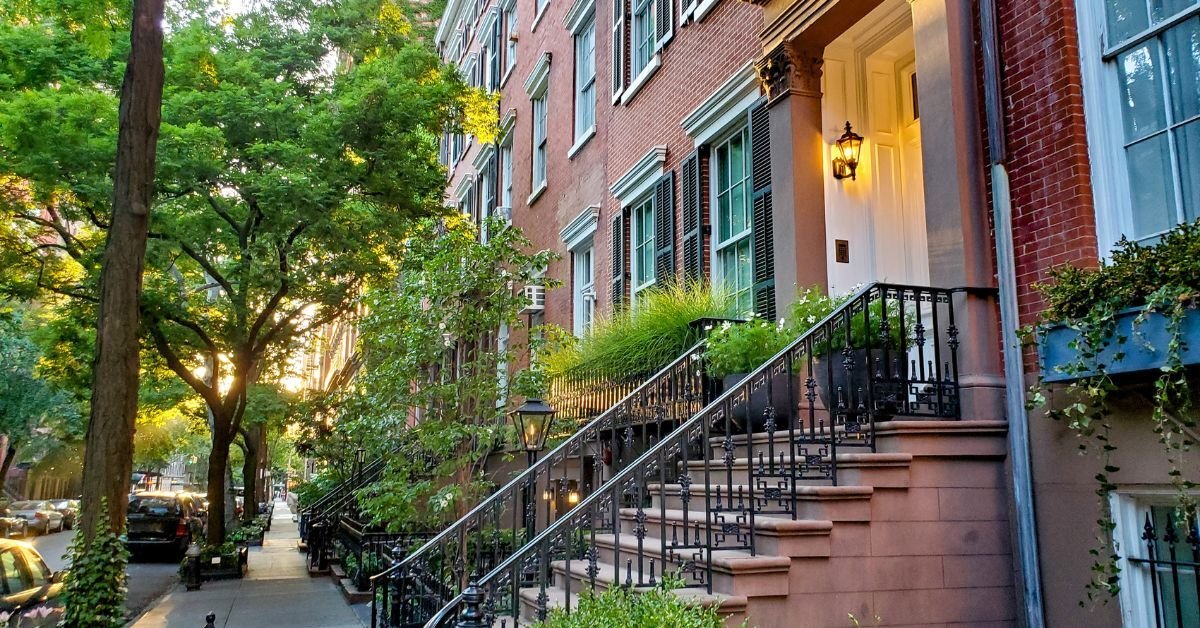
What To Consider Before Buying a Historic Home
Historic homes carry undeniable charm. Original moldings, ornate fireplaces, and architectural details don’t often appear in modern housing. The appeal goes beyond aesthetics for many buyers. A historic property offers character, craftsmanship, and a connection to the past. Still, buyers should approach these properties with a clear understanding of the responsibilities that come with them.
Owning a historic property can feel rewarding, but it requires thoughtful planning. Here’s what to consider before buying a historic home.
Evaluate the Property’s Condition
Historic homes often look beautiful on the surface, but older construction can hide maintenance needs. Before making an offer, invest in a thorough home inspection from professionals familiar with historic structures.
Inspectors should examine structural elements, plumbing systems, electrical wiring, roofing, and foundation integrity. Many older homes still contain outdated systems that no longer meet modern building standards. Upgrading these components can become expensive, so understanding potential costs early helps buyers make informed decisions.
Environmental concerns also deserve attention. Older buildings may contain materials that require specialized handling during renovation. For example, older homes often contain asbestos materials, which may appear in insulation, flooring, or pipe coverings. Addressing these issues does not necessarily prevent a purchase, but it does require preparation and realistic budgeting.
Understand Historic Preservation Restrictions
Historic properties often fall within designated preservation districts or carry landmark status. Local preservation boards frequently regulate changes to exterior features such as windows, roofing materials, or façade modifications.
These rules exist to protect architectural integrity, but they can limit renovation flexibility. Owners may need approval before altering certain elements, even when performing routine upgrades. While these restrictions can feel frustrating at times, they also help maintain the visual character that makes historic neighborhoods so desirable. Buyers should research local regulations and confirm whether the property carries official landmark designation before finalizing a purchase.
Budget for Ongoing Maintenance
Historic homes demand consistent upkeep. Materials such as plaster walls, wood trim, slate roofs, and original windows require specialized care. Routine maintenance often costs more than maintaining newer construction because replacement materials must match the home’s historic character. Skilled craftspeople may also charge higher rates when restoring architectural details.
However, careful maintenance also protects long-term property value. Many buyers appreciate historic homes precisely because previous owners preserved these details over time. Owners who retain the value of historic properties ensure the home remains attractive to future buyers.
Balance Character With Modern Comfort
Living in a historic home requires balancing authenticity with modern convenience. Buyers often update kitchens, bathrooms, heating systems, and insulation while preserving architectural details.
Thoughtful renovations can improve comfort without sacrificing charm. For example, updated HVAC systems, energy-efficient windows, and improved insulation can make older homes more practical for year-round living. The goal is not to erase history. Instead, owners should look for ways to support modern lifestyles while respecting the craftsmanship that defines the property.
Historic homes offer a distinctive living experience that many buyers find appealing. Still, it’s wise to approach the purchase with careful research. Take some time to consider structural conditions, preservation rules, and maintenance expectations before buying a historic home.
Have a listing you think should be featured contact us or submit here to tell us more! Follow Off The MRKT on Twitter and Instagram, and like us on Facebook.

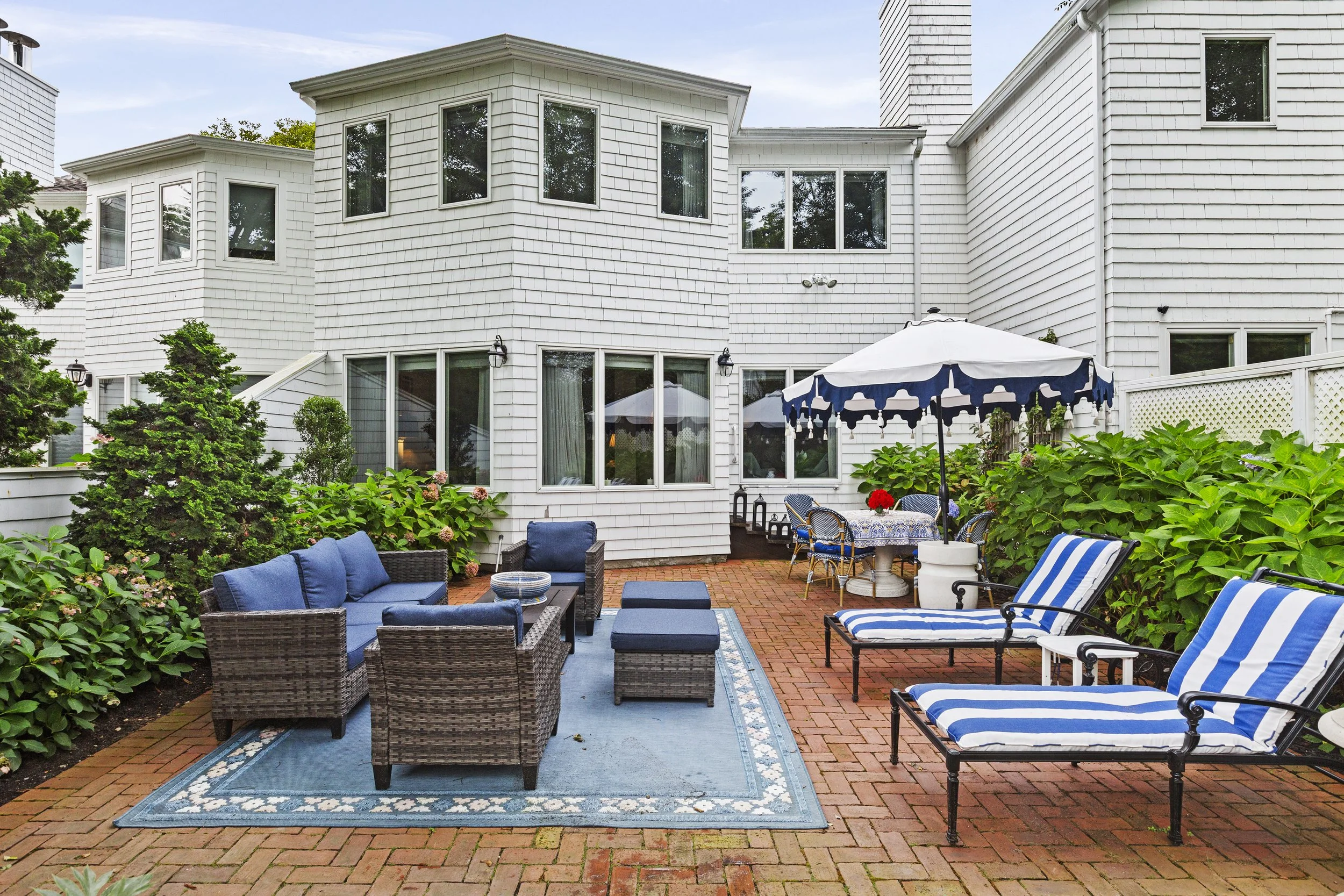

Bonnie Haydon, mother of Vanessa Trump, has listed her three-bedroom condominium in Southampton’s Whitefield community for $3.75 million.