What To Consider Before Any Large Remodel Project
A large remodel project promises fresh spaces and improved functionality, but it also demands careful planning and clear decision-making. Before you swing a hammer or call a contractor, you need to understand the scope, costs, and potential disruptions. A little foresight now can save you from expensive surprises later.
Define Your Goals Clearly
Start by deciding what you actually want from the remodel. Do you need more space, better layout, or updated finishes? Pinpoint your priorities so you avoid chasing every trend that pops up online.
Write down your must-haves and nice-to-haves. This simple step keeps your project focused and prevents unnecessary changes once work begins. When you know your end goal, you make smarter decisions throughout the process.
Set a Realistic Budget
Money shapes every remodeling decision. You need a clear budget before you talk to contractors or buy materials. Break down costs into categories such as labor, materials, permits, and contingency funds.
Unexpected expenses always appear, so build a buffer of at least 10–20 percent. This cushion helps you keep your renovation within budget when surprises hit, which they almost always do.
Avoid guessing costs. Instead, research local pricing and gather multiple estimates. Accurate numbers give you control and confidence.
Understand the Timeline
Remodels rarely move as fast as you hope. Delays happen due to weather, supply issues, or scheduling conflicts. Set a realistic timeline and prepare for adjustments.
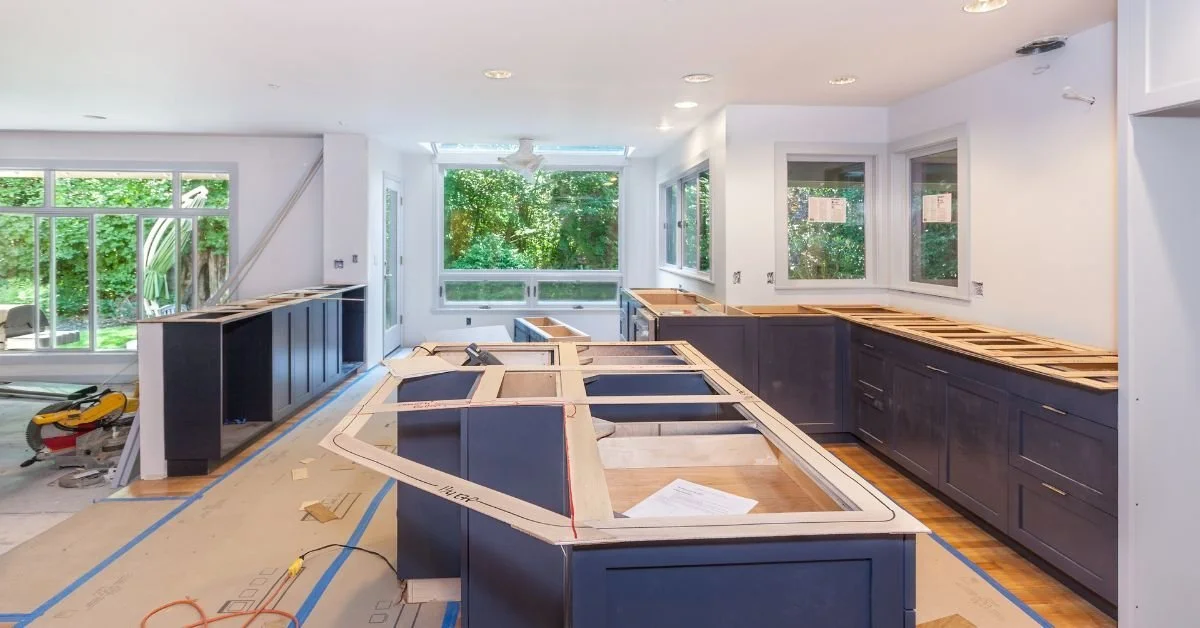
If you plan a kitchen remodel, think about how you will cook during construction. If you renovate a bathroom, consider temporary alternatives. Planning ahead reduces stress and keeps your daily routine manageable.
Choose the Right Contractor
Your contractor can make or break the project. Look for professionals with solid references, proper licensing, and clear communication skills.
Ask detailed questions about past work, timelines, and problem-solving approaches. A reliable contractor explains things clearly and sets realistic expectations.
Watch for red flags like vague estimates or poor communication. You want someone who treats your home and your time with respect.
Plan for Waste and Cleanup
Large remodels generate a surprising amount of debris. Old cabinets, drywall, flooring, and fixtures pile up quickly. You need a plan to handle all that waste efficiently.
Many homeowners solve this issue by renting a dumpster, which keeps the site organized and safe. Without a proper disposal plan, clutter slows progress and creates hazards.
Think about placement, size, and pickup schedules ahead of time so cleanup never becomes an afterthought.
Prepare for Disruptions
Remodeling disrupts your normal routine. Noise, dust, and limited access to certain areas can test your patience. Prepare yourself and your household before work begins.
Consider these practical steps:
Set up temporary living spaces if needed
Protect furniture and valuables from dust
Communicate schedules with everyone in the home
Plan for pets and children during construction
Preparation keeps frustration levels low and helps the project run smoothly.
Think About Long-Term Value
A remodel should improve your home beyond the immediate upgrade. Focus on choices that add durability, efficiency, and resale value.
Energy-efficient appliances, quality materials, and smart layouts often provide better returns than purely cosmetic upgrades. Think beyond today and consider how your decisions will hold up over time.
Final Thoughts
A successful remodel depends on planning, discipline, and clear priorities. When you take time to define goals and prepare for challenges, you create a smoother experience and better results.
Have a listing you think should be featured contact us or submit here to tell us more! Follow Off The MRKT on Twitter and Instagram, and like us on Facebook.