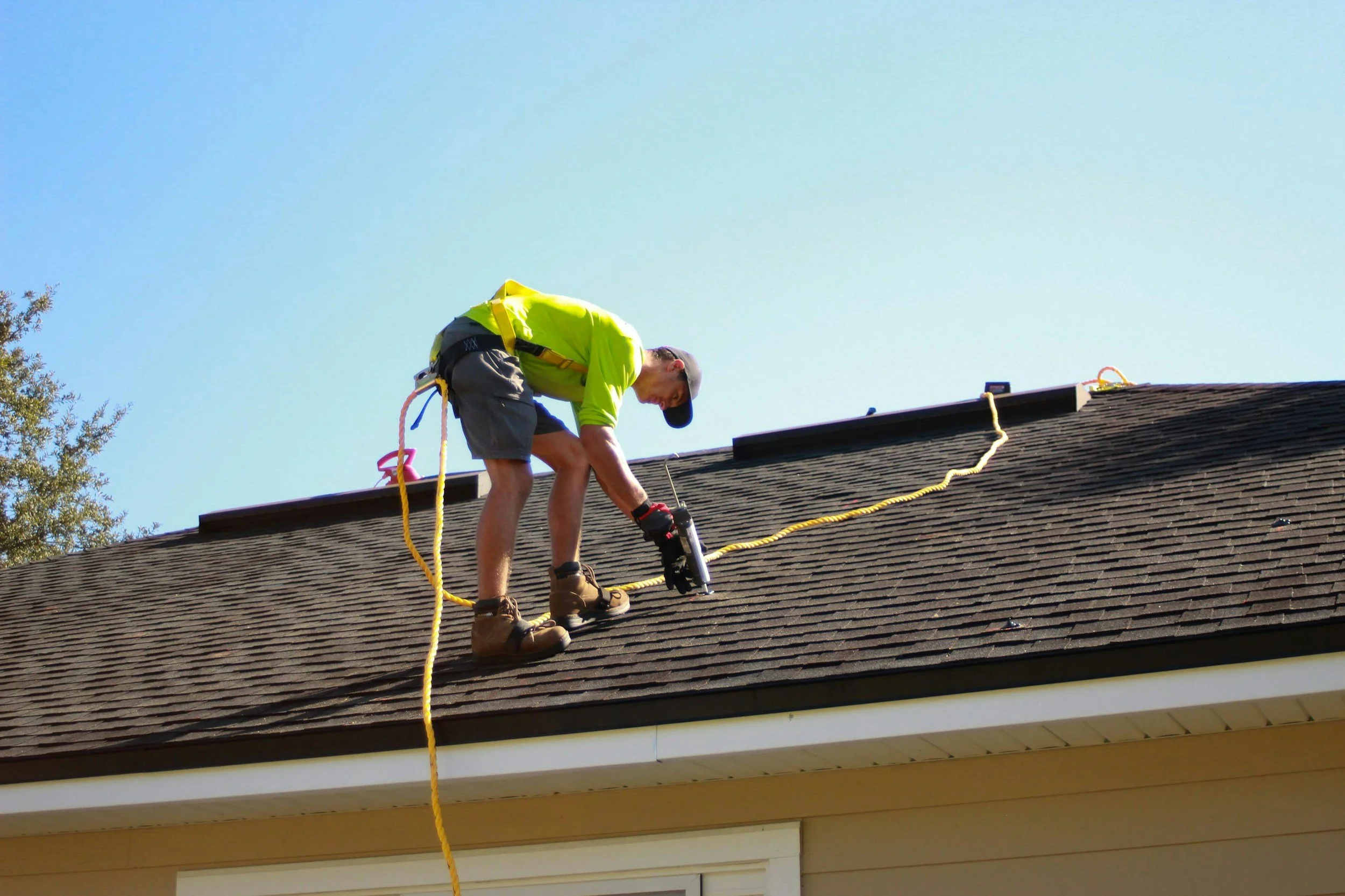
The Importance of Professional Roof Installation for Preventing Future Problems
A freshly finished roof can transform the appearance of a house. Neat lines, a well-chosen color, and clean edges make the whole property look cared for. But the real test happens later, during a hard rain or a week of shifting temperatures, when nobody is admiring the shingles from the driveway. That is why homeowners comparing top-rated roofing contractors in Champaign should look beyond photographs of completed projects. Good installation is about the parts people rarely notice, including flashing, underlayment, ventilation, and the way every section connects. Getting those details right helps a roof do its most important job: protecting the rooms, belongings, and people underneath it.
Good Workmanship Matters
It is easy to think that choosing a premium roofing material guarantees a lasting result. Unfortunately, even a respected product can underperform when it is fitted incorrectly. Shingles installed with the wrong fastening pattern may lift in strong winds, while gaps around a roof opening can let water travel into places that are difficult to inspect.
The difference between a roof that simply looks finished and one that is properly installed is often hidden. Experienced contractors follow the roofing system manufacturer's instructions, account for the building's design, and pay attention to transitions rather than treating every surface the same. Those habits matter long after the ladders are gone. In fact, neat workmanship is often easiest to appreciate years later, when seasonal storms arrive and the roof continues doing its job without drawing attention.
Check the Existing Roof
Before new materials go on, the existing roof deserves a careful assessment. A contractor needs to understand the condition of the decking, the slope, and any signs of trapped moisture or previous leaks. Covering damaged wood with new shingles does not make the underlying problem disappear. It may simply make the eventual repair more expensive.
A thorough conversation before work begins should also cover how unexpected deterioration will be handled. Sometimes problems become visible only after old materials are removed. A reliable team explains the possible extra work, documents what it finds, and seeks approval before proceeding. That kind of communication is far better than receiving a mysterious additional charge at the end. It also helps homeowners plan for costs without feeling pressured into decisions.
Flashing Prevents Leaks
Chimneys, skylights, vents, and the places where roof planes meet all interrupt the normal path of rainwater. These are the spots where flashing has to guide water safely away. Poorly placed metal, missing components, or careless sealing can create a leak even when the surrounding shingles are perfectly sound.
Sealant alone is not a substitute for properly designed flashing. A skilled installer chooses compatible components and arranges them so water sheds in the intended direction. Homeowners do not need to memorize every roofing detail, but they should feel comfortable asking how these vulnerable areas will be addressed. A clear explanation is a good sign that the contractor has thought beyond the broad, visible surfaces. Ask whether existing flashing will be replaced or evaluated for reuse, and why.
Hidden Layers Matter
Most people shopping for a roof spend time comparing colors and surface materials. Far fewer ask about the layer beneath them. Underlayment provides another line of defense against moisture, and particular roof areas may need additional water protection depending on climate, design, and applicable requirements.
Fasteners matter just as much. Their placement, type, and number affect how securely the roofing remains attached. Too few, incorrectly positioned, or unsuitable fasteners may compromise performance. Professional crews should use materials approved for the chosen system and follow the specified installation methods. Saving a little time on hidden components is hardly worthwhile if it creates a bigger repair later. Written product specifications can make these choices easier to compare.
Plan Attic Ventilation
The attic is part of the roofing conversation, even though it sits beneath the visible covering. Poor airflow or uncontrolled indoor moisture can contribute to condensation, damp insulation, and deterioration of wooden components. In hot weather, an unsuitable ventilation arrangement can also add to heat buildup.
The right solution depends on the home's construction, insulation, air sealing, and existing ventilation paths. Simply adding more vents is not always the answer. A knowledgeable roofing contractor should evaluate the system as a whole and explain when additional assessment is needed. Keeping moisture under control can support the roof's condition and make the space below it more comfortable.
Schedule Around the Weather
Roof replacement is disruptive enough without careless planning. Materials must be stored appropriately, exposed areas need protection, and workers require safe access. Rain, wind, or unexpected damage can affect the timetable, so a promise to finish at any cost is not always reassuring.
Ask how the crew handles a forecast change and what happens if the roof must be left partly open overnight. The contractor should have a realistic approach to temporary protection and should explain how the property will be kept secure during construction. Good scheduling also includes managing debris, protecting landscaping where practical, and keeping pathways usable. Professionalism shows up in how a team treats the home, not just in the finished surface. Neighbors may appreciate advance notice about deliveries and temporary noise, too.
Ask Better Contractor Questions
A strong estimate should describe the roofing materials, preparation, removal work, flashing, ventilation considerations, cleanup, and any known exclusions. Compare those details, not merely the total price. A bargain loses its appeal when essential work has been left out or when the scope is too vague to understand.
Ask about licensing where required, insurance, references, workmanship terms, and manufacturer warranties. It is worth asking who will supervise the installation and how concerns will be resolved. The best conversations feel informative rather than rushed. A contractor who takes time to discuss what the house needs is giving homeowners a clearer basis for making a confident decision.
Protect Your Investment
Once the crew leaves, the roof should not be forgotten until water appears on the ceiling. Storms, fallen branches, and clogged gutters can cause trouble even on a carefully installed system. Periodic inspections and prompt attention to visible damage can help small issues stay small.
Keep the paperwork, warranty information, and any photographs taken during the project. Ask the installer what maintenance is recommended and which changes should trigger a professional inspection. Above all, avoid climbing onto the roof without appropriate training and equipment. Choosing skilled professionals at the beginning, then caring for the result, gives a home the best chance of staying protected for years, with a roof that performs as well as it looks.