Signs That You Need to Call an HVAC Repair Technician
A comfortable home relies heavily on a heating, ventilation, and air conditioning system that operates without interruptions. When this system starts showing signs of trouble, it often gives small warnings before a complete breakdown occurs. Paying attention to these early indicators can save both time and money while preserving the comfort of your living space. Knowing when to call a technician can make the difference between a minor repair and a major replacement.
Unusual Noises
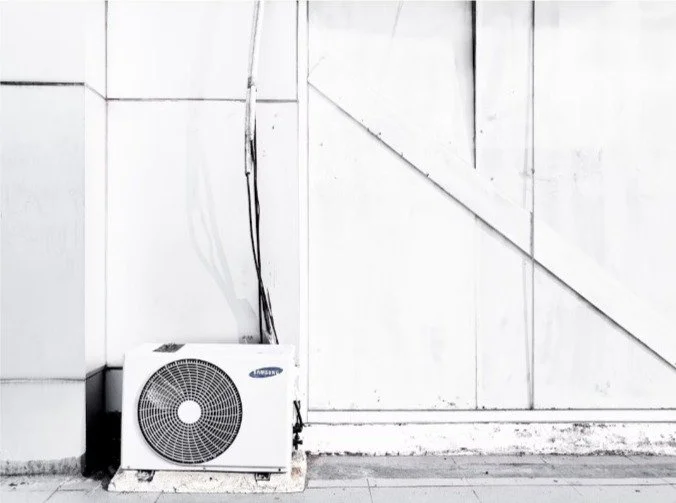
HVAC systems usually run with a consistent hum that blends into the background, so sudden or strange sounds stand out. Clanging, banging, screeching, or rattling often point to loose components or worn-out parts inside the unit. A belt might be slipping, a motor bearing could be wearing down, or debris may be stuck in the fan blades. Contacting a full-service HVAC company at this stage can prevent the problem from spreading through other parts of the system. Ignoring these sounds can lead to severe damage that forces the system to stop completely, which can be far more expensive to fix.
Uneven Heating or Cooling
When some rooms in your home are comfortable while others feel uncomfortably warm or chilly, the system may be struggling to maintain balance. Blocked air ducts, failing blowers, or malfunctioning thermostats can disrupt airflow. Dirty filters can contribute by restricting the circulation of air through the ducts. Over time, these small issues place extra stress on the entire system, which shortens its lifespan. A technician can pinpoint where the airflow is restricted and restore the system’s ability to distribute air evenly across every part of the home.
Weak Airflow from Vents
If the air coming from your vents feels faint or sluggish, the HVAC system might be losing efficiency. A failing compressor, damaged ducts, or clogged filters can all reduce the power of the airflow. This can make the system run longer to achieve the desired temperature, which increases energy bills and wears down the components faster. Sometimes the issue lies within the fan motor or blower assembly, both of which require professional handling. Quick attention to airflow problems often keeps energy use under control and helps avoid larger mechanical failures.
Frequent Cycling On and Off
An HVAC system that turns on and off repeatedly without reaching the set temperature could be short-cycling. This behavior puts extra strain on the unit and can stem from thermostat problems, refrigerant leaks, or electrical issues. Short cycling uses more energy than necessary and can cause serious wear on internal parts. A technician can test the system to see if the thermostat is misreading the temperature or if the system is overheating and shutting down to prevent damage. Resolving this early helps protect the unit from premature breakdowns.
Unexpected Increase in Energy Bills
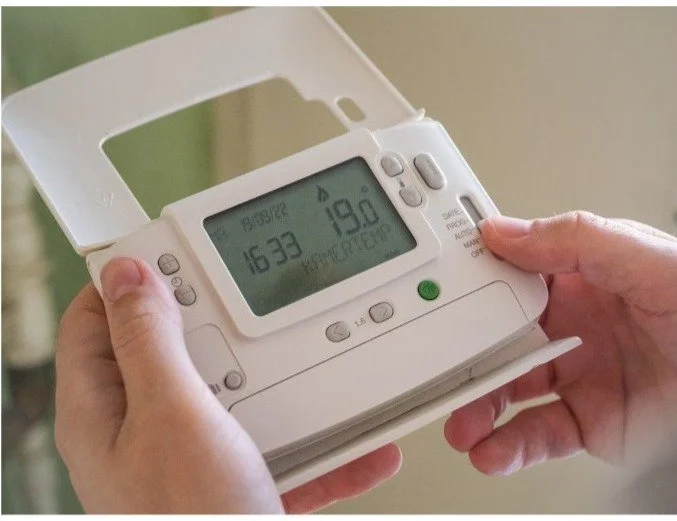
A sudden jump in energy costs often signals that the HVAC system is working harder than before to produce the same comfort. Dirty coils, clogged filters, or deteriorating parts can force the unit to consume more energy. Over time, wear and tear on the system reduces its efficiency, which means it needs to stay on longer to heat or cool your home. Comparing recent energy bills to those from the same period last year can reveal hidden inefficiencies. Having the system inspected and repaired can restore its efficiency and lower monthly costs.
Persistent Odors
Strange or unusual smells coming from your HVAC system should never be ignored, as they often indicate underlying problems that can affect both your comfort and safety. A musty or moldy odor may point to mold or mildew growing inside the ductwork or on the coils, often caused by moisture buildup or a clogged drain line. If you notice a burning smell, it could signal overheating electrical components, such as wiring or the motor, which may lead to serious damage if left unchecked. Chemical or gas-like odors are particularly concerning, as they could indicate a refrigerant leak or, in rare cases, a natural gas issue. These smells usually start faintly but tend to worsen over time as the source of the problem intensifies. Addressing persistent odors promptly allows a technician to clean ducts, repair damaged components, or fix leaks, ensuring that the air circulating in your home remains safe and fresh. Ignoring these warning signs can lead to decreased air quality, potential health risks, and more expensive repairs down the line.
An HVAC system often sends early signals when it needs professional attention. Unusual noises, uneven temperatures, weak airflow, short cycling, rising energy costs, and strange odors all point to problems developing inside the system. Calling a qualified technician at the first sign of trouble prevents minor issues from becoming severe failures that disrupt the comfort of your home. Staying alert to these warning signs can extend the life of your HVAC system and maintain steady comfort through every season.