From Out of State to Mile High City: Your Complete Denver Relocation Guide

Denver gets talked about in relocation circles as if everyone already knows the basics, but the gap between the popular image and the actual lived reality of moving here is wide enough that plenty of people arrive underprepared. The outdoor lifestyle is real. The mountains are genuinely that close. The job market has genuine depth in tech, healthcare, aerospace, and energy. And the city is more expensive than it used to be, more traffic-burdened than the promotional materials suggest, and more weather-eventful than the famous three hundred days of sunshine statistic implies. A useful Denver relocation guide works with that full picture rather than the curated version.

The Cost of Living Reality

Denver's cost of living index sits at roughly 110 in early 2026, which puts it about 10 to 12 percent above the national average. That number obscures a distribution worth understanding. Housing is the category pulling the average up. Most other expenses, utilities, groceries, transportation, come in at or below what people relocating from coastal metros are used to paying.

Median home prices in Denver are currently around $560,000, with desirable neighborhoods within the city proper running higher. For comparison, the national median sits below $430,000. The silver lining for buyers is that inventory has improved from the extreme lows of the 2021 to 2022 period, and well-priced homes in realistic categories have a bit more negotiating room than they did at the peak, though the most desirable neighbourhoods still move quickly.

Renters are in a better position than buyers right now. New apartment supply that came online over the past few years has moderated rent growth substantially. A one-bedroom in a desirable Denver neighbourhood runs roughly $1,700 to $1,800 per month, and two-bedrooms average around $2,300. For people who are relocating without certainty about which neighbourhood fits them best, renting for six to twelve months before buying is genuinely sensible advice rather than a platitude. The variation in character between Denver neighbourhoods is significant enough that people regularly land somewhere different from where they expected to end up.

Colorado's tax environment is straightforward. The state has a flat income tax rate of 4.4 percent, which is relatively low. Property taxes in Denver average around 0.5 percent of assessed value, below the national average. Combined state and local sales tax in Denver sits at approximately 8.81 percent. For people moving from a state without income tax, the calculation shifts. For people moving from California or New York, the overall tax picture is considerably more favourable.

Utilities are a consistent positive surprise for new arrivals. Denver's climate requires neither year-round air conditioning nor particularly heavy heating relative to more extreme climates, and average utility costs for a typical apartment or home run $150 to $200 per month. That's meaningfully below what similar-sized units cost in the South or Northeast.

The Altitude Is Not a Joke

Denver sits at 5,280 feet, and the altitude affects new arrivals in ways that range from mild inconvenience to genuine disruption depending on individual physiology and where you're moving from.

Most people experience some combination of headaches, fatigue, and shortness of breath in the first 24 to 48 hours. This is normal and temporary. The standard mitigation is drinking more water than you think you need, avoiding heavy alcohol consumption in the first few days, and not planning any strenuous physical activity until your body has had time to adjust. The elevation affects how alcohol processes, how quickly you get sunburned, and how your body responds to exertion in ways that take a few weeks to normalise.

If you exercise regularly, expect your performance to drop noticeably for the first two to four weeks before recovering. Runners who are used to a specific pace find they need to slow down. Gym performance drops temporarily. This is not a fitness problem; it's a physiology problem, and it resolves on its own.

The altitude also means that Denver gets significant snowfall, including heavy spring snowstorms that can arrive in April or May. The three hundred days of sunshine is accurate in the aggregate, but those days are distributed throughout the year and not concentrated in summer. What it means practically is that Denver winters have plenty of sunny cold days alongside the snowy ones, and the snow typically melts faster than it would in wetter climates.

Neighbourhoods Worth Understanding Before You Choose

Denver's neighbourhoods have genuine character differences that affect the experience of living there significantly, and choosing one without understanding the trade-offs is one of the most common mistakes new arrivals make.

LoDo and Downtown are central, walkable, and well-served by transit, which makes them attractive to newcomers who don't yet have a sense of the city's geography. They're also among the priciest options, primarily apartment-based, and the nightlife and activity that makes them appealing in the evenings can make them less peaceful for people who want quiet.

Capitol Hill and the Uptown area adjacent to it are denser, more urban, and have a mix of older apartment buildings and newer construction at price points that are lower than LoDo. The neighbourhood has character and walkability but also some of the parking and noise issues that come with urban density.

The Highlands, particularly LoHi, has become one of the most sought-after neighbourhoods in the city. Good restaurants, a mix of Victorian houses and modern infill development, and easy access to downtown via the pedestrian bridge over the Platte River. It's expensive relative to comparable square footage elsewhere in the metro.

Washington Park, referred to locally as Wash Park, is the neighbourhood that wins consistently with people who want a residential feel, access to a large and genuinely beautiful park, and relatively family-friendly surroundings. It's quieter than the central neighbourhoods and has better school options in the immediate area.

Aurora and Lakewood are the metro-area suburbs that offer meaningfully more space and lower prices than the city proper, at the cost of longer commutes and a less walkable environment. For families prioritising school districts and square footage over urban access, these are worth including in the housing search.

The Job Market

Denver's economy has diversified considerably over the past two decades and is no longer dependent on the commodity cycles that previously made Colorado employment more volatile.

The technology sector has grown into a genuine pillar of the Denver economy. Companies including Palantir, Arrow Electronics, and a substantial number of mid-sized tech firms are headquartered here, and the Denver office has become a meaningful option for remote workers whose employers have established footprint in the region. The aerospace industry, anchored by Lockheed Martin's presence in the metro area, employs significant numbers of engineers and technical professionals. Healthcare is a major employer through systems including UCHealth, SCL Health, and Children's Hospital Colorado. Clean energy and renewables have become increasingly significant as Colorado has committed to ambitious emissions reduction targets.

For people relocating without a job already secured, the six-to-twelve-month rental strategy mentioned above is even more relevant. Commute patterns in Denver are real and significant, and knowing where you'll be working before committing to a neighbourhood makes the housing decision considerably easier.

Getting Around

Denver has an RTD light rail and bus rapid transit network that serves downtown and many of the inner suburbs reasonably well. For people who work downtown and live along the rail lines, car-free urban living is genuinely possible and a not-insignificant number of Denver residents manage it.

For most other patterns of life in Denver, a car is effectively necessary. The city's geography spreads across a large area, and the outdoor activities that many people move to Denver specifically to access, skiing, hiking, camping in Rocky Mountain National Park, are almost entirely car-dependent. The mountains are 45 minutes to an hour from the city centre by car and substantially longer or inaccessible by any other means.

The highway system, I-25 and I-70 in particular, carries significant commuter traffic and can move slowly during peak hours in both directions. The I-70 corridor west toward the ski resorts on winter weekends is famously congested and the congestion has become worse rather than better as the metro area has grown. Planning around this rather than being surprised by it is part of adjusting to Denver's rhythms.

When to Move

Late spring and early fall are the most reliable timing for Denver relocations in terms of weather. May offers mild temperatures and the best chance of avoiding both late-season snowstorms and the heat of summer. September and October are arguably the best months of the year in Denver, with warm days, cool nights, fall colour in the mountain foothills, and stable conditions for moving trucks.

Summer moves are logistically straightforward from a weather standpoint but face two problems: high demand for moving companies with corresponding price increases, and genuine heat in July and August that makes physically moving boxes into a new home less than pleasant. Winter moves carry the risk of significant snowstorms that can delay or complicate logistics, though they typically come with better pricing from moving companies.

Denver rewards people who arrive with realistic expectations, a plan for the altitude adjustment, and a genuine interest in what the city and the broader state have to offer. The version of Denver that exists in the minds of people who haven't been here yet is often both more and less than the reality. The mountains are every bit as accessible as advertised. The housing market requires more budget than most people estimate from afar. And the city has a pace and a character that most people who make the move end up genuinely glad they chose.

This Denver relocation guide covers the fundamentals, but the specifics of any individual move involve enough variables that doing your own research on the current state of specific neighbourhoods and the job market in your field is always worth the time before you commit to anything.

The Smart Way to Add Value and Safety to Your Property

Maximizing the utility of a home requires smart planning and strategic investments. Many property owners overlook the lowest level of their house, leaving square footage underutilized. Transforming these spaces requires a balance of protection and practical design. Upgrading structural entry points increases real estate worth and provides security for everyone inside.

Hidden Potential in the Lower Levels

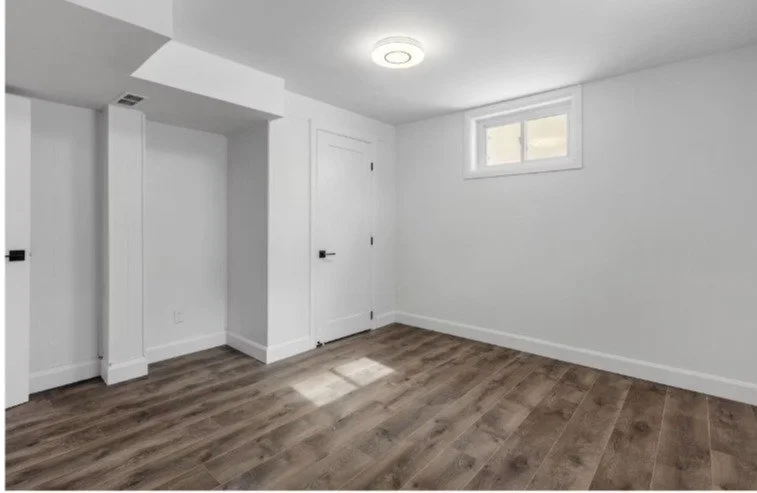
Many houses feature large unfinished basements that serve only as storage spaces. Homeowners can convert these areas into functional rooms, guest suites, or home offices. This type of renovation expands the usable square footage without changing the footprint of the house. Spreading out the living space improves daily comfort for growing families.

Renovating below the main floor utilizes space that already exists within the foundation. Property owners avoid the high costs associated with building brand-new exterior additions. This strategy maximizes every square inch of the property efficiently. Home layout modifications can occur without disrupting the yard layout outside.

Upgrading Your Lower Level Safety

Home improvement projects often focus on visual appeal rather than emergency preparedness. Installing high-quality egress window units serves a dual purpose by bringing in natural light and providing a clear path outside. Property owners gain peace of mind knowing their family has a reliable exit strategy.

Natural sunlight transforms dark underground areas into welcoming rooms. Increased ventilation helps maintain air quality throughout the lower level of the house. Combining beauty with protection creates a superior living environment. These structural upgrades make the basement feel identical to the upper floors.

Legal Obligations and Building Codes

Municipal regulations mandate emergency exits in lower-level living spaces. A California city guide states that every sleeping room and basement must have an approved rescue opening. This rule prevents unpermitted spaces from becoming structural hazards. Local inspectors check these criteria during standard home evaluations.

A regional building handbook specifies that any basement containing bedrooms requires an emergency exit in every sleeping room. This legal framework protects residents from getting trapped during emergencies. Following these rules keeps the property legally compliant. Landlords must follow these specifications to legally lease residential basements to tenants.

Key Features of a Compliant Setup

Meeting official criteria demands specific design elements during the installation process. Certain features must match local safety templates exactly:

  • Clear opening dimensions must meet minimum square footage standards.

  • Openings must provide direct access to the outside lot.

  • Features must include an easily operable mechanism for rescue teams.

Proper compliance guarantees that emergency personnel can enter with full gear if necessary. Well-designed options incorporate these safety attributes seamlessly.

Understanding Exact Measurement Requirements

Size matters when dealing with lower-level rescue openings. A local government handout mentions that the window must have a minimum net clear area of 5.7 square feet. Clear measurements prevent tight spacing from blocking a quick exit.

Contractors must calculate these dimensions before starting any excavation work. Improper sizing can lead to failed building inspections and expensive rework. Precision remains critical when modifying the concrete perimeter walls of a house. Experienced professionals help avoid common measurement mistakes during installation.

Protecting the Overall Value of Your Asset

Skipping proper building permits can damage future property transactions. A Michigan township help sheet warns that failing to follow building codes can cause an investment to lose value. Appraisers look closely at compliance during real estate evaluations.

Unpermitted modifications frequently complicate the closing process during a property sale. Future buyers look for safety certifications before signing a purchase contract. Protecting your initial capital requires sticking to recognized safety protocols. Taking shortcuts can lead to unexpected liabilities for the seller down the road.

Creating a Reliable Exit Plan

The primary function of an emergency window remains survival during a crisis. A state fire marshal document explains that these windows give occupants an alternate path when smoke blocks the main exit. Seconds count during a residential emergency.

Families should practice escape drills utilizing these alternative exits regularly. Knowing exactly how to open the latches provides confidence during stressful moments. Safety installations work best when combined with an active household emergency plan. Preparedness saves lives when unexpected dangers arise in the home.

Balancing Historic Design with Modern Features

Historic properties require careful modification to preserve their original character. A landmark preservation review board stated that local site conditions dictate how well an emergency window blends with historic architecture. Preservation rules do not need to conflict with modern protection designs.

Custom frames can match the style of older homes - delivering up-to-date security performance. Modern materials allow for historical alignment without sacrificing structural durability. Property owners can achieve both preservation goals and strict safety standards simultaneously. Careful aesthetic planning protects both the legacy and safety of old buildings.

Upgrading a home involves blending protection, legal compliance, and financial wisdom. Improving lower levels with proper openings protects loved ones and raises the market value of the residence. Property owners secure a solid return on investment by choosing certified installation methods. Investing in these improvements creates a comfortable, secure, and valuable asset for years to come.

Choosing Senior Living Support in Australia in 2026

A loose bath mat and a badly fitted walking frame kept my uncle in recovery for four months after a hip fracture.

He owned the device, but it did not suit his body or his home.

That pattern is common. Falls caused 43% of injury hospitalisations in Australia in 2023-24 and 6,698 deaths in 2022-23, with risk rising sharply after age 85.

Australia is ageing as well. People aged 65 and over made up about 17% of the population in June 2024, and about 14% of that group use mobility aids at home or in the community.

The rules changed too. On 1 November 2025, Support at Home replaced Home Care Packages, and strengthened Aged Care Quality Standards started under the new Aged Care Act.

Good decisions now start with three steps: match equipment to daily risks, use the right funding path, and compare providers with current quality and pricing information.

What Senior Living Options Mean In Australia After The 2025 Reforms

Your best path depends on care needs, age, and how much support you need each day.

Senior living can mean staying at home with a little help, using daily in-home care, or moving into residential aged care. The cost, wait time, and paperwork change across each option, so it helps to identify the right pathway early.

Support at Home is now the main home care program for older Australians with assessed needs. It replaced Home Care Packages on 1 November 2025 and aims to give clearer pricing, stronger protections, and support matched to care level.

The Commonwealth Home Support Programme, or CHSP, still provides entry-level help. That can include domestic assistance, meals, transport, social support, and limited equipment while needs remain light or while a larger assessment is pending.

Residential aged care means 24-hour support in a regulated home. It can be the right choice when mobility, cognition, medication, or supervision needs become too high for a private home to manage safely.

The National Disability Insurance Scheme, or NDIS, funds disability supports, including assistive technology, for eligible people who applied before age 65. Existing participants may stay on the scheme after 65 under specific rules, but new applicants over 65 usually go through My Aged Care.

Other routes include Department of Veterans' Affairs support, private health extras with limited equipment cover, and state-based subsidy programs such as Queensland's Medical Aids Subsidy Scheme.

Why Start With Mobility Aids And In-Home Support First

The safest first move is usually to fix daily hazards and support routines before you consider a permanent move.

Reduce Fall Risk

Price does not predict safety. A basic cane at the right height is safer than an expensive walker used with poor technique, and simple changes such as grab rails, non-slip mats, and better lighting can lower immediate risk.

Extend Independence At Home

One person may need a pick-up frame for narrow hallways, while another does better with a rollator, a walker with wheels, brakes, and a seat, for longer outdoor trips. Add help with cleaning, meals, or showering, and the same person may manage well at home for much longer.

Control Costs And Delay Crisis Decisions

A short rental, a shower chair, or a few hours of home support each week can cost far less than rushed respite or an unplanned move into care. An assessment may feel like one more bill, but it is cheaper than buying the wrong equipment twice.

Mobility Aids: Types, Fit, And Trial Steps

Choose equipment by body strength, balance, and home layout, then test it before you commit.

Walking Aids

Single-point canes suit mild balance problems. Pick-up frames give more stability indoors. Rollators suit people who can manage wheels and brakes and need a seat for rests. A clinician should check height, elbow bend, gait, and terrain. Ferrules, the rubber tips on cane or frame legs, should be checked every month.

Wheelchairs, Powered Mobility, And Scooters

Manual wheelchairs suit users with enough arm strength and space to turn. Powered chairs help when fatigue or weakness limits self-propulsion. Mobility scooters work best for longer community trips, but they need good vision, safe judgement, and stable paths. Measure doorways, car boot space, and turning circles before you buy.

Bathroom Safety And Transfers

Bathrooms create a high share of preventable falls because floors get wet and transfers are awkward. Shower stools, over-toilet frames, transfer boards, and well-fixed grab rails lower that risk. Even strong users benefit from a seat or rail when pain, dizziness, or fatigue changes through the day.

Trial And Safety Checklist

Use a four-step process: clinical assessment, showroom or clinic trial, supervised home trial, then purchase. Test brakes, fasteners, wheel wear, frame cracks, seat locks, height settings, battery condition for powered devices, and the full weight rating. If a device folds, practise folding and lifting it into the car yourself.

Local Mobility Equipment Trials For Melbourne Readers

A hands-on trial in Melbourne can reveal fit problems that online shopping hides.

A good showroom visit lets you test seat height, brake reach, turning space, and whether a walker fits beside the bed or through the bathroom door. Take a list of hallway widths, step heights, and car boot measurements, plus any notes from an occupational therapist. For Melbourne readers who want an in-person trial before buying, Back to Sleep offers a local option through the mobility aids and equipment store Melbourne.

If you want one place to compare walkers, wheelchairs, lift chairs, and adjustable beds, ask for written quotes that separate product cost, delivery, assembly, and after-sales servicing before you decide.

A proper trial should include sit-to-stand practice, a short outdoor walk, and a check that the device is easy for family or carers to manage as well. That extra hour can prevent an expensive mismatch.

Funding The Plan: Support At Home, NDIS, And Other Paths

Funding works best when you match the program to your age, eligibility, and the cost of the equipment.

Support at Home is now the main pathway for older people who need ongoing help at home. During assessment, describe real tasks you cannot do safely, such as showering, meal preparation, or getting to appointments. If approval is slow, ask whether CHSP can cover short-term entry-level help in the meantime.

The NDIS can fund assistive technology, often shortened to AT, for eligible people who applied before age 65. Low-cost AT under $1,500 usually needs less evidence. Mid-cost items from $1,500 to $15,000 need quotes and a clinician report. High-cost AT above $15,000 needs detailed clinical evidence and several quotes, so complete every form carefully.

Renting can make more sense than buying after surgery or during a condition that is changing quickly. It can also lower risk when you still need to test whether a powered chair, scooter, or bed setup will work long term.

Other pathways can fill gaps. Veterans may have Department of Veterans' Affairs support. Private health policies sometimes cover limited equipment. State programs can assist with specific items as well. Always ask who pays for delivery, setup, repairs, and maintenance, not just the sticker price.

Quality, Safety, And Compliance Checks

Safe equipment and reputable providers reduce risk long after the day you buy or sign up.

For higher-risk equipment, check whether the product appears on the Australian Register of Therapeutic Goods, or ARTG. Keep manuals, invoices, service dates, and battery or charger details in one folder so problems are easy to trace.

When you compare home care or residential services, review their compliance history against the strengthened 2025 Aged Care Quality Standards. Star Ratings help, but they are only a starting point. Read complaint findings and ask providers how they manage falls, medication, infections, and staff training.

Set a maintenance routine. Check tips, wheels, brakes, and loose screws every month. Book a deeper service at least yearly for powered devices, lift chairs, and adjustable beds.

Shortlist And Compare Providers Using My Aged Care

A clear comparison process keeps emotion from turning a hard decision into a rushed one.

Use My Aged Care's Find a Provider tool to search by postcode and compare several services side by side. Review Star Ratings, fees, travel charges, languages spoken, clinical services, and whether the provider can support dementia care, wound care, transport, or allied health visits.

Build a simple grid with the same fields for every option. Include current wait time, care hours offered, cancellation rules, weekend support, and who to call after hours. A written grid makes it easier for siblings and carers to agree on facts instead of impressions.

Then ring each provider and verify what the website cannot show, especially availability, staff continuity, and hidden charges. A polished brochure matters far less than reliable visits and clear billing.

Residential Aged Care Options For Brisbane Families

Brisbane families make better residential choices when they start with needs, then test each home against the same quality checks.

Set your non-negotiables first: suburb, budget, dementia support, cultural or language needs, outdoor space, and whether the home has a registered nurse on site at all times. Clarify whether the room price is a Refundable Accommodation Deposit, a Daily Accommodation Payment, or a mix of both. For Greater Brisbane families building an initial shortlist, Aged Care Guide provides a comparison starting point through find aged care in Brisbane.

After that, compare each home with My Aged Care Star Ratings, compliance history, room features, and current availability before you book tours.

Take the same questions to every visit. Ask about staffing on nights and weekends, meal flexibility, visiting hours, hospital transfer processes, and how the home supports residents with changing mobility or cognition.

Your Rights And Smart Consumer Checks

Consumer law and tax rules can protect your budget if you know what to ask.

Under Australian Consumer Law, products must meet consumer guarantees even after a store warranty ends. If a walker, lift chair, scooter, or bed has a major failure, you may be entitled to a repair, replacement, or refund. Keep receipts, photos, emails, and service reports so you can prove the problem clearly.

Mobility aids can be GST-free medical aids when they are listed in Schedule 3 to the GST Act and designed for people with illness or disability. Hiring can also be GST-free in the right case. Check the invoice before you pay, because fixing an incorrect tax charge later can be slow.

Second-hand gear can save money, but only when it is safe and serviceable. Inspect brakes, tyres, frames, cushions, chargers, and battery age. If the history is unclear, the bargain may vanish after the first repair.

Next Steps For Safer, More Flexible Living

Small actions taken now are the best defence against a crisis move later.

Over the next 30 days, book an occupational therapist or physiotherapist assessment, measure key spaces at home, and shortlist providers on My Aged Care. Trial or rent your top priority equipment, then set reminders for maintenance and review dates.

Needs change after illness, surgery, or a fall, so review the plan every six to twelve months. A device that works this year may not suit next year.

Frequently Asked Questions

These answers cover the questions families ask most when the system feels confusing.

What Changed On 1 November 2025?

Support at Home replaced Home Care Packages, and the strengthened Aged Care Quality Standards began under the new Aged Care Act. That changed pricing, service rules, and quality checks, so advice from before late 2025 may now be out of date.

Can I Join The NDIS If I Am 65 Or Over?

You must be under 65 on the day you apply. People who joined earlier may stay on the NDIS under specific rules, but new applicants over 65 usually move through My Aged Care instead.

Do I Really Need A Clinician To Pick A Walker?

Strongly recommended. A device that is the wrong height or type can increase falls instead of reducing them. A clinician also checks how you walk, where you walk, and whether you can use brakes or lift the device safely.

Are Mobility Aids GST-Free?

Many are, but not all. The item usually needs to appear in Schedule 3 to the GST Act and be designed for people with illness or disability. Ask the supplier to confirm the tax treatment on the invoice.

What If My Device Fails After The Warranty Ends?

Warranty dates do not cancel consumer guarantees. If the failure is serious or the product was not durable enough for normal use, you can still seek a remedy from the seller. Start with a written complaint and copies of your evidence.

Robust Pairings: How to Match Intense Flavors in Modern Cuisine

Not every flavor plays well with others. Some are too delicate, too one-note, or too easy to drown out. But then there are flavors that hold their ground. Deep, dark, and a little bitter; these are the ones that change a dish rather than just adding to it bold coffee sits firmly in that category. It cuts through sugar, stands up to fat, and adds something to a plate that lighter flavors never could. Once you understand how to use it, pairing food becomes less guesswork and more instinct.

The Basic Idea Behind Robust Pairing

Heavy food needs a heavy partner. That is really all there is to it.

Your palate becomes coated when you eat something rich, such as a wedge of aged cheese, a dark chocolate tart, or a braised short rib.

 The next thing you taste carries that weight with it.

A bold, bitter, or smoky flavor breaks through that coating. It clears the palate and makes each bite feel fresh again. That is the whole point of a robust pairing. Not to overpower the food, but to keep the experience interesting all the way through.

Pairing with Desserts

Desserts are where this gets most interesting, because sweetness on its own becomes exhausting quickly.

Dark chocolate is the easiest starting point. The bitterness in a dark, roasted flavor aligns naturally with the bitterness already in good chocolate. They do not fight. They reinforce each other. The fat in the chocolate smooths out the intensity just enough.

Caramel and toffee are tricky because they are so sweet. Left alone, they feel heavy after a few bites. A dark, slightly bitter note alongside them creates contrast that keeps the sweetness from becoming too much.

Desserts made with cream, such as panna cotta, mousse, or anything smooth, have a richness that requires something to break through.

 A bold flavor does that without overwhelming the delicacy of the dish.

Fruit tarts with high sugar content are another good match. The brightness of the fruit and the depth of a dark flavor work in opposite directions, and that opposition is exactly what makes the pairing work.

Pairing with Savory Dishes

This is where a lot of people are surprised. Bold, dark flavor profiles are not just for dessert.

Slow-cooked meats already carry deep, heavy flavor from hours of cooking. Pairing them with something equally bold does not create a clash. It creates alignment. Both elements are pulling in the same direction.

Aged cheese has sharpness and funk that lighter beverages struggle to match. A deep, roasted flavor profile meets it at the same level. Neither dominates. They just work.

Cured and smoked proteins already have intensity built in. Pairing them with something light makes the protein feel like too much. Pairing them with something equally dark creates a coherent, satisfying combination.

Bitter greens like radicchio or endive share a bitterness that connects naturally with smoky and earthy notes. The result is a plate that feels grounded rather than scattered.

Smoky and Earthy Notes on a Tasting Menu

A tasting menu is designed to progress. Each course changes the palate toward the next one.

Smoky and earthy flavors are useful here because they signal depth. They tell the palate something substantial is coming, or that the meal is moving toward a satisfying close.

Early in the menu, a lightly smoky element prepares the palate for heavier courses. Late in the menu, a deep, earthy note brings things to a natural finish. Between courses, these flavors act as a reset, clearing the heaviness of one dish before the next one arrives.

Placement matters just as much as the flavor itself.

How to Build a Plate Around Bold Flavors?

A few practical things to keep in mind when you are putting a dish together around intense flavor.

One anchor, everything else in support. Pick the boldest element and build around it. Two strong flavors competing on the same plate usually end up canceling each other out.

Use texture as a tool. Something creamy softens intensity without removing it. Something crunchy adds contrast without pulling the flavor in a new direction.

Add a little acid. Citrus, vinegar, or anything fermented brightens a heavy plate and stops it from feeling dense. A small amount goes a long way.

Use less than you think you need. Bold flavors are intense by nature. A small quantity often delivers more impact than a generous one. Restraint is usually the right call.

Conclusion

Matching intense flavors is not complicated once you understand the logic behind it. Bold, dark, and smoky profiles exist to balance what is heavy, cut through what is sweet, and add depth where the dish needs it most. The goal is never to dominate the food. It is to find the pairing that makes both sides taste better than they would alone. Get that right and the whole dish changes.

Practical Home Upgrades for Better Bathroom and Living Room Comfort

A bathroom that stays damp overnight and a living room that overheats by late afternoon do not always need a renovation.

Most comfort problems come from small gaps in control, poor airflow, harsh lighting, and surfaces that hold heat or moisture longer than they should.

Smart upgrades fix those gaps with better settings, better fittings, and a few automations that work every day without much effort.

That matters more now because energy bills keep rising, while unducted exhaust fans, old halogen bulbs, and standby power still waste comfort and money in a lot of homes.

In Australia, the best choices also need to fit local rules and labels, including WELS water ratings, the Zoned Energy Rating Label for air conditioners, and AS/NZS 3000 wet-area safety zones.

Start with the room that annoys you most, then let automation handle the routine parts.

Smart Comfort Starts With Small, Targeted Changes

The best smart upgrades solve one clear problem and then run quietly in the background.

Comfort upgrades usually work across four levers, air, water, light, and power use. In a bathroom, that might mean faster steam removal, safer lighting, and a surface that dries quickly after each shower. In a living room, it usually means better shading, smoother cooling, warmer evening light, and less wasted electricity.

A few local terms are worth knowing. WELS is the Water Efficiency Labelling and Standards scheme, and it helps you compare showerheads and taps by flow rate. The Zoned Energy Rating Label, or ZERL, shows how efficiently an air conditioner performs in hot, average, and cold Australian climates, which matters if you live in Brisbane, Melbourne, or somewhere in between.

AS/NZS 3000 covers electrical safety, including bathroom zones and the IP ratings needed for fittings near water. IP stands for ingress protection, which tells you how well a fitting resists water and dust. If a switch or light sits near a shower or bath, its location and rating both matter.

Another term that matters is standby power, sometimes called vampire load. That is the electricity a device uses when it looks off but still waits for a signal or keeps a small internal circuit alive. A few watts here and there can add up across a TV, console, soundbar, chargers, and smart speakers.

The practical lesson is simple. Choose upgrades that remove friction you notice every day, then measure whether the room feels better and uses less energy.

Bathroom Upgrades Should Control Moisture First

Dry air makes every other bathroom upgrade work better.

Start with ventilation, because steam drives mould, fogged mirrors, and that damp feeling that lingers long after a shower. A humidity-sensing exhaust fan ducted outside is the safest bet. Do not vent into the roof cavity, because the moisture still stays in the house and can damage insulation or framing over time.

A run-on timer is just as important as the fan itself. Set it for 10 to 20 minutes so the room keeps drying after you leave. Keep the bathroom door shut while the fan runs, and make sure the door has enough undercut to draw in replacement air from the hallway.

Lighting comes next. Replace halogens with dimmable LEDs in the 2700 to 3000 K range for a calmer evening feel. Add a low-level motion night light for late trips, and check that every fitting has the right IP rating for its zone. In wet areas, a licensed electrician should handle the work.

Water efficiency can improve comfort too. A WELS 3-star or 4-star showerhead gives a steadier spray while cutting flow. A 3-star shower at 9 L/min can save a four-person household about 70 kL of water and roughly $210 a year, based on eight-minute daily showers. Basin taps can usually be aerated to 2 to 6 L/min without making hand washing feel slow.

Then add warmth where you actually feel it. Heated towel rails work best on a morning and evening schedule, not all day. Used with a good exhaust fan, they help towels dry fully and cut the musty smell that builds up in humid bathrooms.

A Faster-Drying Bath Mat Improves Safety Every Day

The step outside the shower is one of the highest-risk spots in the whole bathroom.

Most slips happen right after you leave the wet area, when feet are still slick and the floor is still catching drips. A thick fabric mat feels soft at first, but it can stay damp for hours, especially in coastal or poorly ventilated homes. That trapped moisture also makes the room smell stale and gives mould more time to grow.

A stone or diatomaceous earth mat changes that pattern because it sheds or absorbs surface water much faster than cotton or microfibre. That quicker drying matters in family bathrooms where back-to-back showers leave little time for a fabric mat to air out properly. If you want a cleaner step-off zone that dries quickly between showers, a best non slip stone bath mat is worth comparing against the fabric mat you already own. The goal is not style alone. It is a firmer landing surface, less retained moisture, and fewer soggy fibres sitting on tile grout.

Placement matters. Set the mat square with the shower exit so your first full step lands on it, not half on tile and half off the edge. Leave about 50 to 80 mm of clearance from a pivot door sweep, and add a thin non-slip underlay if your tiles are polished. Check the underside for grip pads before you buy.

Maintenance is simple, but it still matters. A quick wipe or squeegee pass removes soap film and keeps the surface absorbing evenly. The mat sits outside the electrical zones, but any nearby switch or outlet in Zone 2 still needs at least IPX4 protection and the right clearance under AS/NZS 3000.

Living Room Upgrades Work Best When Light And Air Move Together

A comfortable living room depends more on timing and control than on raw heating or cooling power.

Start with the windows, because west-facing glass can turn a calm room into a hot box by late afternoon. Motorised blinds or curtains work well when they follow the sun instead of waiting for you to notice glare. Closing them before peak heat hits can reduce the load on your split system and keep the room usable through the hottest part of the day.

That matters because windows are a major thermal weak point. Nearly 90% of a home's heat gain can come through glass, and up to 40% of heating energy can be lost through windows. A simple schedule that closes coverings before late sun and seals them again at dusk can make the room feel more stable in both summer and winter.

Cooling should use layers, not brute force. Choose a split system with a strong ZERL result for your climate, then pair it with a quiet DC ceiling fan. Fans can create a perceived cooling effect of about 3 degrees, which means you can usually set summer cooling to 24 to 26 degrees and still feel comfortable. Each degree you raise the thermostat can save roughly 5 to 10% in cooling energy.

Lighting also shapes comfort more than people expect. Replace remaining halogens with LEDs and set your main evening scene to 2700 to 3200 K, which is warm white. Keep a brighter lamp for reading, but avoid strong daylight-colour lighting at night. YourHome advises against that because it may disrupt circadian rhythms, which are the body signals that help you wind down for sleep.

Then deal with the silent waste around the TV unit. Standby power can account for around 10% of an Australian household electricity bill. A smart power board that cuts consoles, speakers, and chargers when the TV goes idle is one of the quickest wins in the room.

The Right Lounge Layout Helps Every Smart Setting Work Better

Furniture layout decides whether your lighting, airflow, and viewing angles feel natural or awkward.

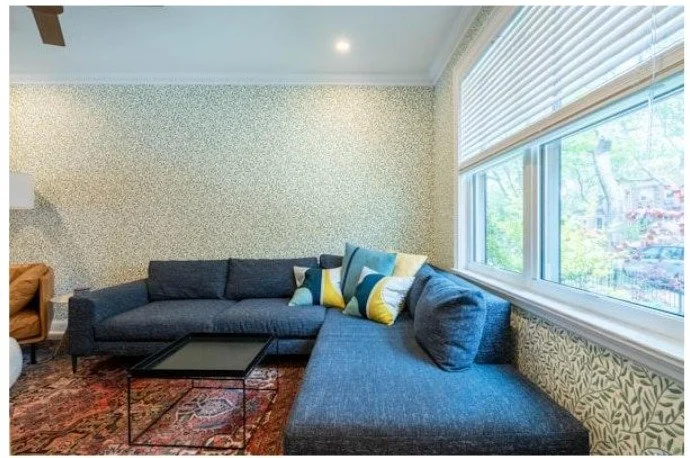
In open-plan homes, a corner lounge can define the living zone without building walls. It helps create a clear TV sightline, gives floor lamps a logical place to sit, and keeps the main path through the room readable. Try to hold at least 800 to 900 mm for walkways so people can move around the seating area without clipping a side table or blocking a return-air path.

The shape of the sofa also affects how smart settings feel. A chaise near the window can be pleasant in winter but uncomfortable if afternoon sun lands straight on it. High backs can block lamp spread, while an oversized modular can cover floor vents or crowd a motion sensor that is meant to see the whole room.

Room dimensions on paper can mislead once you allow for wall returns, chaise depth, door swings, and the clearances needed for lamps, walkways, and blind access. That check also helps stop you crowding vents or blocking a natural path through the room. Before you fix lamp positions or commit to a TV wall, it helps to browse corner lounge options so the room plan matches the furniture you can actually buy. 

Compare wall returns, chaise length, and door swings first. That makes it easier to place smart blinds, task lamps, and power points where they will still make sense after the lounge arrives.

A good layout supports comfort all day. During daylight hours, angle the seating to avoid glare and keep a path between the lounge and the window for curtain access or cleaning. At night, a lamp behind the chaise and a dimmed ceiling scene can make the room feel calm without throwing reflections across the screen

Use Data To Tune Comfort And Cut Waste

A few simple measurements will tell you more than guesswork ever will.

If you have a smart meter, check your retailer portal for 30-minute usage data. Eastern states are moving toward universal smart-meter coverage by 2030, and interval data makes it easier to see when cooling loads spike or when off-peak periods begin. That helps you test whether a new blind schedule or higher thermostat setting actually changed your bill.

Bathroom humidity sensors are just as useful. Log the relative humidity after a shower, then adjust the fan trigger and run-on time until the room returns close to its normal level within about 20 minutes. If the numbers stay high, the issue is usually poor ducting, a weak fan, or not enough make-up air under the door.

Use app logs from your fan, air conditioner, and power board to confirm runtime cuts. Check that smart bulbs sit at 0.5 W standby or less, and confirm that TV peripherals really switch off overnight. Review scenes at the start of each season, because late sun, daylight saving, and outdoor humidity all change how a room behaves.

Do not ignore digital housekeeping. Change default passwords on every smart device, keep firmware current, and place IoT devices on a guest network or separate VLAN if your router supports it. That small step protects privacy and reduces the risk of one weak device exposing the rest of your home network.

Let The House Handle The Routine

The best result is a home that feels better because small systems now do their jobs on time.

In the bathroom, that means steam clears before mould starts, the towel is dry when you need it, and the floor outside the shower no longer feels soggy. In the living room, it means the blinds close before the heat builds, the fan takes pressure off the air conditioner, and the lights settle into a softer evening mood without you touching a switch.

Start with ventilation and shading, because those changes usually deliver the largest comfort gain for the least cost. Add better lighting next, then cut standby waste and tune the settings with real data. You do not need to overhaul the house all at once.

The smart part is not the gadget. It is the way each choice removes a small daily annoyance and keeps doing it every day after that.

Safe and Sustainable Insulation Materials for a Healthier Home

Key Takeaways

  • Understand why choosing safe, sustainable insulation matters for your health and for the planet.

  • Discover a range of eco-friendly insulation materials and the major brands that offer them.

  • Learn how sustainable insulation provides both immediate and long-term benefits to your home.

Introduction to Sustainable Home Insulation

As homeowners become more environmentally conscious, demand for safe, sustainable insulation solutions is rising. Aside from lowering energy consumption, insulating your home with modern, health-minded materials can reduce exposure to hazardous chemicals and foster a more comfortable living environment. Whether you are renovating or building, prioritizing insulation options that support both health and efficiency is a wise investment. If you're considering greener living options, NetZero Insulation is a leading regional provider of insulation Denver Colorado, offering innovative solutions.

Conventional insulation products have commonly relied on materials and binders that pose risks to indoor air quality and environmental health. The positive news is that industry advancements have produced effective, accessible alternatives that protect both your family and the planet.

Why Opt for Eco-Friendly Insulation?

Switching to eco-friendly insulation brings a multitude of benefits that go far beyond immediate energy savings:

  • Health Benefits: Safer insulation materials limit the presence of volatile organic compounds (VOCs) and other toxins, helping maintain high indoor air quality.

  • Environmental Impact: Many sustainable insulations are made from recycled materials or renewable resources, reducing your carbon footprint.

  • Energy Efficiency: Enhanced insulation performance means less energy is required to heat and cool your living spaces, resulting in lower utility bills and lower emissions.

Types of Sustainable Insulation Materials

Several modern insulation solutions have been designed with sustainability, safety, and efficiency at the forefront:

  • Fiberglass Insulation: Notably, Knauf Insulation provides a formaldehyde-free fiberglass product line, prioritizing both safety and environmental stewardship.

  • Spray Foam Insulation: BASF's WALLTITE® RSB incorporates recycled content and renewable feedstocks, reducing the embodied carbon in its structure.

  • Polyiso Insulation: GAF’s EnergyGuard™ NH Polyiso line is now TCPP-free, satisfying sustainability goals while delivering robust insulation.

Innovations in Sustainable Insulation

Leading manufacturers are propelling the industry forward with cutting-edge offerings:

  • DuPont's Low-GWP Styrofoam™: This product achieves a 94 percent reduction in embodied carbon while maintaining its renowned insulation properties.

  • ThermaLoop™ Insulation: Comprised entirely of recycled fibers, ThermaLoop™ demonstrates how circular-economy practices can create greater value and sustainability in home materials.

Considerations When Choosing Insulation

Before investing in new insulation, weigh these factors carefully:

  • Material Composition: Verify that your chosen product is certified free of hazardous chemicals and prioritizes sustainability standards.

  • R-Value: This crucial metric indicates how well the insulation resists heat flow. A higher R-value denotes more effective thermal protection.

  • Installation Process: Determine whether professionals are best suited to handle the product or if it is suitable for safe homeowner installation.

For more guidance on evaluating healthy building products, the U.S. Environmental Protection Agency provides resources on healthier home environments in its insulation and indoor air quality guide.

Expanding Your Eco-Friendly Insulation Options

Recent developments in green building have introduced even more options for homeowners interested in environmentally responsible insulation. For example, sheep’s wool insulation is gaining popularity due to its natural fire resistance, ability to regulate indoor moisture, and easy installation. Wool is also a rapidly renewable resource, making it an appealing alternative to many traditional insulators.

Another notable option is cellulose insulation, which is primarily made from recycled paper products and treated with non-toxic fire-retardant chemicals. This type of insulation offers a high R-value and is widely regarded for its soundproofing qualities. Because cellulose is often sourced from local recycling programs, it further supports the circular economy and reduces waste sent to landfills.

Additionally, cork insulation, a lesser-known but highly sustainable material, comes from the bark of cork oak trees, which regenerate after harvest, making production environmentally non-destructive. Cork’s resistance to mold, pests, and fire, along with its natural thermal properties, makes it an exceptional insulation choice for eco-focused renovations.

Installation Practices and Air Quality

Proper installation is vital to maximize the health and environmental benefits of sustainable insulation. Gaps, compression, or incorrect fit can compromise efficacy and even create opportunities for hidden air leaks or moisture buildup. Engaging professional installers familiar with green building techniques is recommended to ensure optimal performance and longevity. For DIY enthusiasts, many eco-friendly insulation types, such as certain batts or loose-fill cellulose, can be handled safely by homeowners, provided proper protective equipment and guidelines are followed.

Cost vs. Long-Term Benefits

While eco-friendly insulation often involves a higher upfront investment, it typically results in substantial savings over time through reduced heating and cooling costs. These materials are usually longer-lasting, reducing the frequency of costly replacements. Furthermore, better indoor air quality and reduced allergen exposure deliver priceless long-term health value for your household.

Looking at the lifecycle impact, sustainable insulation options can significantly reduce a building’s operational carbon emissions, according to The New York Times’ coverage of insulation's role in climate change.

Broader Impact of Sustainable Insulation

The adoption of environmentally responsible insulation solutions not only benefits individual households but also contributes to broader societal goals. As more builders, property owners, and designers select sustainable insulation, the collective demand helps drive industry-wide change, spurring further research and development of safer, greener materials. This momentum can create local job opportunities while supporting community health and resilience. Additionally, incentivizing or subsidizing eco-friendly insulation installations through government or utility programs can accelerate this positive shift, making healthier homes accessible to a much wider population.

Conclusion

Prioritizing safe, sustainable insulation during construction or renovation makes your home more energy-efficient and healthier to live in. The market now provides a wide range of eco-friendly insulation materials that align with global environmental goals while supporting your household's well-being. By making informed choices, you contribute to a cleaner, safer future for your family and the community around you.