Practical Home Upgrades for Better Bathroom and Living Room Comfort
A bathroom that stays damp overnight and a living room that overheats by late afternoon do not always need a renovation.
Most comfort problems come from small gaps in control, poor airflow, harsh lighting, and surfaces that hold heat or moisture longer than they should.
Smart upgrades fix those gaps with better settings, better fittings, and a few automations that work every day without much effort.
That matters more now because energy bills keep rising, while unducted exhaust fans, old halogen bulbs, and standby power still waste comfort and money in a lot of homes.
In Australia, the best choices also need to fit local rules and labels, including WELS water ratings, the Zoned Energy Rating Label for air conditioners, and AS/NZS 3000 wet-area safety zones.
Start with the room that annoys you most, then let automation handle the routine parts.
Smart Comfort Starts With Small, Targeted Changes
The best smart upgrades solve one clear problem and then run quietly in the background.
Comfort upgrades usually work across four levers, air, water, light, and power use. In a bathroom, that might mean faster steam removal, safer lighting, and a surface that dries quickly after each shower. In a living room, it usually means better shading, smoother cooling, warmer evening light, and less wasted electricity.
A few local terms are worth knowing. WELS is the Water Efficiency Labelling and Standards scheme, and it helps you compare showerheads and taps by flow rate. The Zoned Energy Rating Label, or ZERL, shows how efficiently an air conditioner performs in hot, average, and cold Australian climates, which matters if you live in Brisbane, Melbourne, or somewhere in between.
AS/NZS 3000 covers electrical safety, including bathroom zones and the IP ratings needed for fittings near water. IP stands for ingress protection, which tells you how well a fitting resists water and dust. If a switch or light sits near a shower or bath, its location and rating both matter.
Another term that matters is standby power, sometimes called vampire load. That is the electricity a device uses when it looks off but still waits for a signal or keeps a small internal circuit alive. A few watts here and there can add up across a TV, console, soundbar, chargers, and smart speakers.
The practical lesson is simple. Choose upgrades that remove friction you notice every day, then measure whether the room feels better and uses less energy.
Bathroom Upgrades Should Control Moisture First
Dry air makes every other bathroom upgrade work better.
Start with ventilation, because steam drives mould, fogged mirrors, and that damp feeling that lingers long after a shower. A humidity-sensing exhaust fan ducted outside is the safest bet. Do not vent into the roof cavity, because the moisture still stays in the house and can damage insulation or framing over time.

A run-on timer is just as important as the fan itself. Set it for 10 to 20 minutes so the room keeps drying after you leave. Keep the bathroom door shut while the fan runs, and make sure the door has enough undercut to draw in replacement air from the hallway.
Lighting comes next. Replace halogens with dimmable LEDs in the 2700 to 3000 K range for a calmer evening feel. Add a low-level motion night light for late trips, and check that every fitting has the right IP rating for its zone. In wet areas, a licensed electrician should handle the work.
Water efficiency can improve comfort too. A WELS 3-star or 4-star showerhead gives a steadier spray while cutting flow. A 3-star shower at 9 L/min can save a four-person household about 70 kL of water and roughly $210 a year, based on eight-minute daily showers. Basin taps can usually be aerated to 2 to 6 L/min without making hand washing feel slow.
Then add warmth where you actually feel it. Heated towel rails work best on a morning and evening schedule, not all day. Used with a good exhaust fan, they help towels dry fully and cut the musty smell that builds up in humid bathrooms.
A Faster-Drying Bath Mat Improves Safety Every Day
The step outside the shower is one of the highest-risk spots in the whole bathroom.
Most slips happen right after you leave the wet area, when feet are still slick and the floor is still catching drips. A thick fabric mat feels soft at first, but it can stay damp for hours, especially in coastal or poorly ventilated homes. That trapped moisture also makes the room smell stale and gives mould more time to grow.

A stone or diatomaceous earth mat changes that pattern because it sheds or absorbs surface water much faster than cotton or microfibre. That quicker drying matters in family bathrooms where back-to-back showers leave little time for a fabric mat to air out properly. If you want a cleaner step-off zone that dries quickly between showers, a best non slip stone bath mat is worth comparing against the fabric mat you already own. The goal is not style alone. It is a firmer landing surface, less retained moisture, and fewer soggy fibres sitting on tile grout.
Placement matters. Set the mat square with the shower exit so your first full step lands on it, not half on tile and half off the edge. Leave about 50 to 80 mm of clearance from a pivot door sweep, and add a thin non-slip underlay if your tiles are polished. Check the underside for grip pads before you buy.
Maintenance is simple, but it still matters. A quick wipe or squeegee pass removes soap film and keeps the surface absorbing evenly. The mat sits outside the electrical zones, but any nearby switch or outlet in Zone 2 still needs at least IPX4 protection and the right clearance under AS/NZS 3000.
Living Room Upgrades Work Best When Light And Air Move Together
A comfortable living room depends more on timing and control than on raw heating or cooling power.
Start with the windows, because west-facing glass can turn a calm room into a hot box by late afternoon. Motorised blinds or curtains work well when they follow the sun instead of waiting for you to notice glare. Closing them before peak heat hits can reduce the load on your split system and keep the room usable through the hottest part of the day.
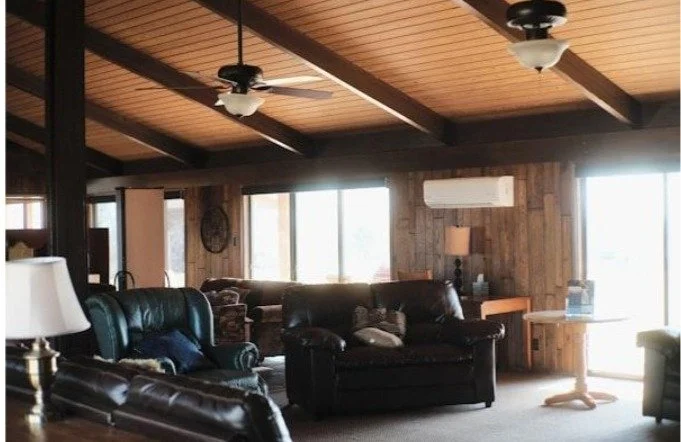
That matters because windows are a major thermal weak point. Nearly 90% of a home's heat gain can come through glass, and up to 40% of heating energy can be lost through windows. A simple schedule that closes coverings before late sun and seals them again at dusk can make the room feel more stable in both summer and winter.
Cooling should use layers, not brute force. Choose a split system with a strong ZERL result for your climate, then pair it with a quiet DC ceiling fan. Fans can create a perceived cooling effect of about 3 degrees, which means you can usually set summer cooling to 24 to 26 degrees and still feel comfortable. Each degree you raise the thermostat can save roughly 5 to 10% in cooling energy.
Lighting also shapes comfort more than people expect. Replace remaining halogens with LEDs and set your main evening scene to 2700 to 3200 K, which is warm white. Keep a brighter lamp for reading, but avoid strong daylight-colour lighting at night. YourHome advises against that because it may disrupt circadian rhythms, which are the body signals that help you wind down for sleep.
Then deal with the silent waste around the TV unit. Standby power can account for around 10% of an Australian household electricity bill. A smart power board that cuts consoles, speakers, and chargers when the TV goes idle is one of the quickest wins in the room.
The Right Lounge Layout Helps Every Smart Setting Work Better
Furniture layout decides whether your lighting, airflow, and viewing angles feel natural or awkward.
In open-plan homes, a corner lounge can define the living zone without building walls. It helps create a clear TV sightline, gives floor lamps a logical place to sit, and keeps the main path through the room readable. Try to hold at least 800 to 900 mm for walkways so people can move around the seating area without clipping a side table or blocking a return-air path.
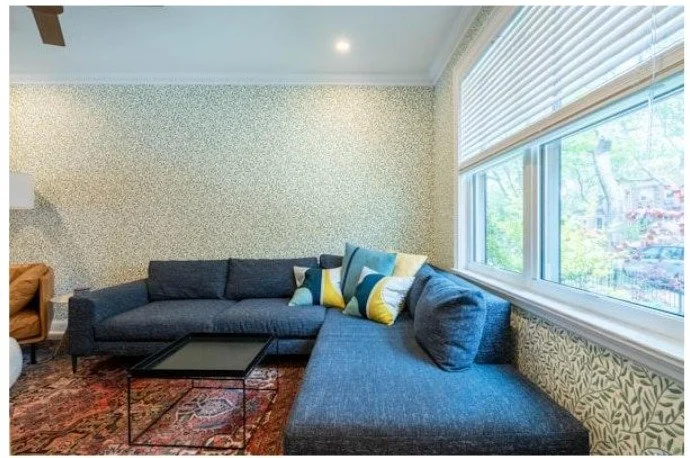
The shape of the sofa also affects how smart settings feel. A chaise near the window can be pleasant in winter but uncomfortable if afternoon sun lands straight on it. High backs can block lamp spread, while an oversized modular can cover floor vents or crowd a motion sensor that is meant to see the whole room.
Room dimensions on paper can mislead once you allow for wall returns, chaise depth, door swings, and the clearances needed for lamps, walkways, and blind access. That check also helps stop you crowding vents or blocking a natural path through the room. Before you fix lamp positions or commit to a TV wall, it helps to browse corner lounge options so the room plan matches the furniture you can actually buy.
Compare wall returns, chaise length, and door swings first. That makes it easier to place smart blinds, task lamps, and power points where they will still make sense after the lounge arrives.
A good layout supports comfort all day. During daylight hours, angle the seating to avoid glare and keep a path between the lounge and the window for curtain access or cleaning. At night, a lamp behind the chaise and a dimmed ceiling scene can make the room feel calm without throwing reflections across the screen
Use Data To Tune Comfort And Cut Waste
A few simple measurements will tell you more than guesswork ever will.
If you have a smart meter, check your retailer portal for 30-minute usage data. Eastern states are moving toward universal smart-meter coverage by 2030, and interval data makes it easier to see when cooling loads spike or when off-peak periods begin. That helps you test whether a new blind schedule or higher thermostat setting actually changed your bill.
Bathroom humidity sensors are just as useful. Log the relative humidity after a shower, then adjust the fan trigger and run-on time until the room returns close to its normal level within about 20 minutes. If the numbers stay high, the issue is usually poor ducting, a weak fan, or not enough make-up air under the door.
Use app logs from your fan, air conditioner, and power board to confirm runtime cuts. Check that smart bulbs sit at 0.5 W standby or less, and confirm that TV peripherals really switch off overnight. Review scenes at the start of each season, because late sun, daylight saving, and outdoor humidity all change how a room behaves.
Do not ignore digital housekeeping. Change default passwords on every smart device, keep firmware current, and place IoT devices on a guest network or separate VLAN if your router supports it. That small step protects privacy and reduces the risk of one weak device exposing the rest of your home network.
Let The House Handle The Routine
The best result is a home that feels better because small systems now do their jobs on time.
In the bathroom, that means steam clears before mould starts, the towel is dry when you need it, and the floor outside the shower no longer feels soggy. In the living room, it means the blinds close before the heat builds, the fan takes pressure off the air conditioner, and the lights settle into a softer evening mood without you touching a switch.
Start with ventilation and shading, because those changes usually deliver the largest comfort gain for the least cost. Add better lighting next, then cut standby waste and tune the settings with real data. You do not need to overhaul the house all at once.
The smart part is not the gadget. It is the way each choice removes a small daily annoyance and keeps doing it every day after that.