Elevate Your Home with Stunning Wall Art: Ideas, Inspiration, and Tips

Wall art is a transformative element in interior design. It can turn plain, empty walls into captivating focal points that reflect personality, creativity, and style. From large canvas prints to framed photographs, metal sculptures, wooden panels, or mixed-media designs, wall art brings depth, color, and character to any space. It enhances the ambiance, ties together design elements, and adds a finishing touch that makes a room feel complete.

For those seeking professional-quality wall art without hiring a designer, platforms like wallpics.com offer the ability to create personalized prints, allowing you to bring your vision to life easily. Personalized or custom wall art is a fantastic way to showcase meaningful memories, favorite quotes, or bold designs that reflect your style.

Why Wall Art is Important

Wall art does more than decorate—it sets the tone for a room. Blank walls can make a space feel unfinished, dull, or impersonal. Well-chosen artwork adds visual interest, establishes a focal point, and balances color schemes and textures in a room.

In addition, wall art influences mood and atmosphere. Soft landscapes or muted abstract pieces can promote relaxation in bedrooms or reading areas. Bright, energetic colors in abstract or modern art can invigorate living rooms, dining rooms, and creative spaces. Wall art is a simple yet powerful way to make any interior feel polished, cohesive, and inviting.

Types of Wall Art

There are countless types of wall art to suit different tastes, budgets, and interior styles:

  • Canvas Prints: Canvas prints are printed on textured material stretched over wooden frames. They provide a gallery-quality aesthetic and are ideal for large, open walls.

  • Framed Photographs: Framed photographs, whether personal memories or professional photography, add sophistication and nostalgia to any room. Black-and-white images are timeless, while colored images make bold statements.

  • Metal Wall Art: Metal artwork offers a sleek, contemporary look. Geometric designs, abstract shapes, or sculptural pieces add modern elegance to walls.

  • Wooden Wall Art: Wooden pieces, often handcrafted, provide warmth, texture, and an organic feel to a room.

  • Posters and Prints: Affordable and versatile, posters and prints are perfect for trendy designs, motivational quotes, or vintage aesthetics.

  • Mixed-Media Art: Combining materials such as wood, metal, and fabric, mixed-media pieces create three-dimensional depth and texture.

Mixing different types of wall art creates a dynamic, layered effect, giving rooms more visual intrigue and personality.

Choosing the Right Wall Art

When selecting wall art, consider these factors to ensure harmony with your space:

  • Wall Size: Large walls suit oversized prints, multi-panel pieces, or gallery walls, while smaller walls benefit from compact artwork or a curated cluster of smaller pieces.

  • Color Palette: Art should either complement or contrast with your room’s color scheme to create balance and emphasis.

  • Style and Theme: Artwork should align with the overall decor style, whether minimalist, traditional, contemporary, rustic, or eclectic.

  • Placement: Hang art at eye level for maximum visual impact. For multiple pieces, maintain consistent spacing to avoid cluttered displays.

Wall Art Ideas for Living Rooms

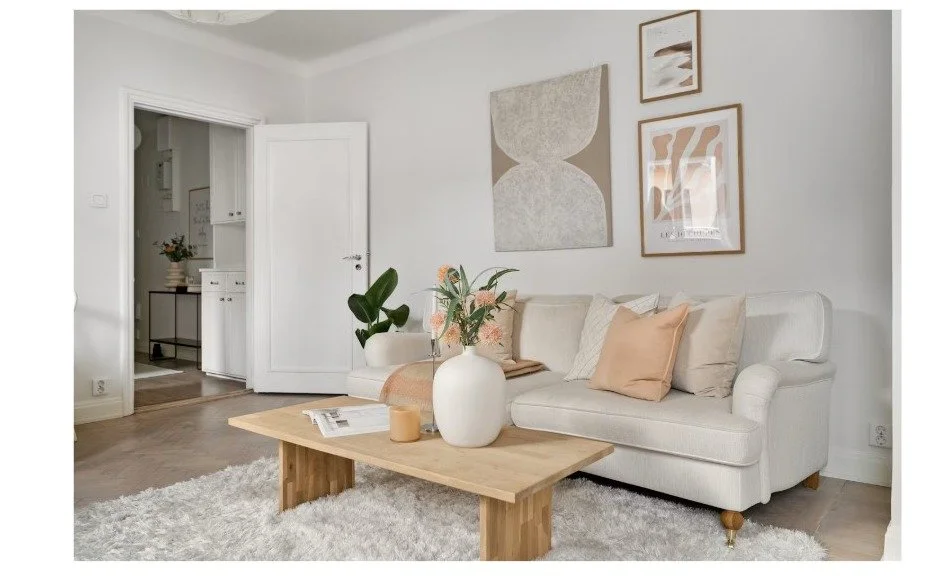
Living rooms are central gathering spaces, making them ideal for statement wall art. Large canvas prints or framed paintings above sofas, mantels, or sideboards instantly create focal points. Multi-panel artworks, like triptychs or modular designs, can add depth and sophistication.

Popular themes for living rooms include abstract designs, cityscapes, botanical prints, and nature-inspired landscapes. Consider furniture, rugs, and lighting when selecting pieces—neutral walls pair beautifully with bold, vibrant artwork, while textured or patterned walls work best with minimalist designs. Personal or custom prints add individuality and make your living room unique.

Wall Art Ideas for Bedrooms

Wall art in bedrooms helps create a calming and personal environment. Soft colors, muted tones, and nature-inspired designs promote tranquility, making the space perfect for rest.

A large statement piece above the bed serves as a visual anchor, while smaller works on side walls or above nightstands complement the room without overwhelming it. Personalized prints or meaningful photographs bring emotional value and make bedrooms feel more intimate. Carefully selected artwork can turn a bedroom into a cozy retreat with a cohesive and stylish look.

Read More: https://wallpics.com/pages/custom-canvas-prints

Wall Art Ideas for Home Offices and Workspaces

Wall art in offices boosts creativity, productivity, and motivation. Motivational quotes, abstract designs, and serene landscapes can energize a workspace and create an inspiring atmosphere. Businesses may display branding, achievements, or milestone artwork to reinforce company values visually.

Canvas prints and framed artwork are practical for offices because they are easy to hang, move, or update. Choosing art that aligns with the office’s color scheme and overall design ensures a professional yet stimulating environment.

Wall Art Ideas for Hallways and Entryways

Hallways and entryways often lack attention but are perfect for wall art. Vertical designs, small gallery walls, or series of prints make these narrow spaces feel lively and inviting. Mirrors, sculptural art, and decorative panels can add depth, making the area appear larger and more dynamic. Entryway art sets the tone for the rest of the home, creating a welcoming first impression for visitors. Personalized wall art or family photos in this area can add warmth and character.

Tips for Arranging Wall Art

Proper arrangement is essential for a balanced and visually appealing display:

  • Eye-Level Placement: Hang artwork at eye level for optimal viewing.

  • Consistent Spacing: Maintain uniform spacing for multiple-piece arrangements or gallery walls.

  • Mix Sizes and Shapes: Combining different dimensions adds depth, visual interest, and creativity.

  • Theme and Color Cohesion: Group artworks by color palette or style to maintain harmony.

Creating a gallery wall with framed prints, canvas pieces, and decorative accents can produce a curated, designer-style display that elevates your interior.

Modern Wall Art Trends

Modern wall art is constantly evolving. Advances in printing, materials, and techniques have expanded possibilities for homeowners and designers. High-resolution printing ensures vibrant colors and sharp details. Eco-friendly materials like recycled canvases and water-based inks are gaining popularity.

Trending designs include multi-panel canvas art, abstract geometric patterns, 3D installations, mixed-media pieces, minimalistic black-and-white photography, and botanical prints. Combining contemporary and classic styles can give any room a timeless yet modern appeal. Personalized wall art lets you integrate your own ideas while keeping your space on-trend.

Click here: https://wallpics.com/pages/canvas-photo-prints

Frequently Asked Questions (FAQ)

What qualifies as wall art?

Wall art includes any decorative piece meant for wall display, such as canvas prints, framed photographs, posters, metal sculptures, and mixed-media pieces.

How do I choose the right wall art for my space?

Consider wall size, color scheme, interior style, and whether the piece will act as a focal point or complement existing decor.

Can wall art be personalized?

Yes. Personalized wall art can feature photos, quotes, or original designs. Platforms like wallpics.com make it easy to create high-quality custom prints.

Where can wall art be displayed?

Wall art is suitable for living rooms, bedrooms, offices, hallways, dining rooms, and almost any indoor space.

Do all wall art pieces require frames?

No. Canvas prints, metal pieces, and some mixed-media designs often come frameless. Traditional paintings and photographs may benefit from framing for a polished look.

How can I mix different types of wall art?

Combine canvas prints, framed photographs, metal designs, and mixed-media pieces for a dynamic display. Maintaining a cohesive color palette or theme ensures harmony.

Conclusion

Wall art is an essential component of home and office decor, combining aesthetic appeal with personal expression. From canvas prints and framed photographs to wooden panels, metal sculptures, and mixed-media designs, wall art transforms blank walls into striking focal points. Thoughtful selection, arrangement, and personalization can turn any room into an inspiring, stylish, and welcoming environment.

Even a simple wall can become a showcase of personality and style with the right artwork. Personalized options, such as those offered on wallpics.com, provide an opportunity to create meaningful, high-quality pieces that reflect your memories, taste, and individuality. By integrating wall art thoughtfully, your space can feel complete, vibrant, and uniquely yours.

Beyond Minimalism: The Interior Design Trends Defining 2026

As we move through 2026, the world of interior design is shifting away from the "millennial gray" of the past decade. In its place, we are seeing a movement toward Modern Heritage, a style that balances contemporary comfort with soulful, historical character.

The 2026 home is no longer a sterile showroom; it is an atmospheric sanctuary defined by texture, depth, and a deep connection to natural materials. If you are looking to refresh your space this year, here are the trends that are currently dominating the design landscape.

1. The Rise of Earth Tones

While neutrals will always have a place in the home, 2026 has traded cool whites for "complex" creams and earthy, unctuous shades. Look for:

  • Amber & Burnt Caramel: These rich, brownish-orange tones are replacing traditional beiges to add instant heat to a room.

  • Muted Teals and Deep Blues: Blue is the "new neutral," specifically in shades like "Transformative Teal," which offers a sophisticated bridge between the organic and the modern.

  • Burgundy and Oxblood: These colors are being used as "grounding" accents, providing a sense of gravitas and luxury in living rooms and studies.

2. Texture as a Design Language

In 2026, how a room feels is just as important as how it looks. Designers are layering tactile materials to create a "cocooning" effect. This includes the heavy use of:

  • Mixed Wood Tones: Gone are the days of perfectly matching your oak floors to your oak cabinets. Mixing walnut, ash, and oak creates a lived-in, curated feel.

  • Tactile Textiles: Bouclé remains popular, but it is being joined by chenille, linen blends, and heavy velvets in deep jewel tones.

3. Slatted Wall Design

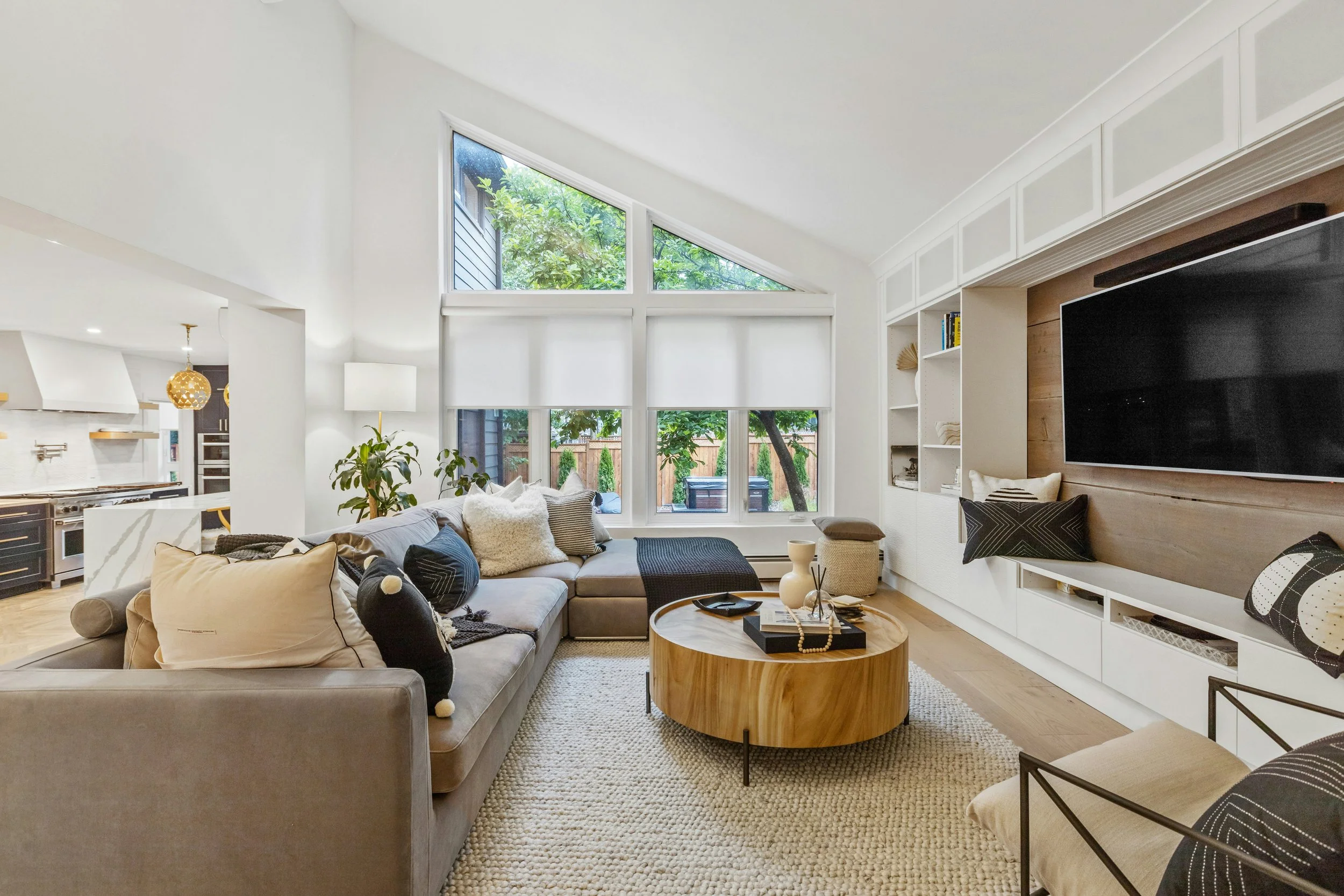
One of the most significant architectural trends of 2026 is the widespread adoption of slat wood wall panels. While traditional flat panelling adds character, slatted designs provide a "vertical rhythm" that manipulates the perception of space.

Beyond the aesthetic appeal, modern slat panels serve a functional purpose that aligns with the 2026 focus on wellness: acoustics. In our world of hard surfaces and open-plan living, these slat wood wall panels reduce echo and ambient noise, making them the perfect choice for home offices, media walls, or bedroom sanctuaries. For a truly high-end look that stands the test of time, we recommend installing quality wood wall panels from The Panel Hub to anchor your room with natural warmth and architectural interest.

4. Sustainable & Meaningful Decor

The "fast furniture" era is being replaced by Slow Design. In 2026, homeowners are prioritizing artisanal heritage, such as handmade ceramics, woven blinds, and vintage frames that tell a story.

Biophilic elements are also on the rise. It’s not just about plants; it’s about using materials with lower embodied energy, like responsibly sourced timber and recycled stone-look surfaces.

How to Build a Space that Transcends the Current Year

It is easy to get caught up in the "scroll-and-copy" cycle of Pinterest and Instagram, but a home that only follows trends often ends up feeling like a hotel; beautiful, but soul-less. The most enduring interiors aren't those that are "on trend," but those that are authentic. Here are some tips to design an interior that is more intentional rather than just following a trend:

1. Follow the 80/20 Rule

To keep your home feeling current without becoming a time capsule, use the 80/20 balance:

  • 80% Timeless Staples: Invest in high-quality, "boring" items for your big-ticket pieces, neutral sofas, solid wood dining tables, and classic flooring.

  • 20% Trendy Accents: Save the "of-the-moment" colors and patterns for things that are easy to swap, like throw pillows, candles, coffee table books, or a single accent wall of wood wall panels.

2. Shop Your History, Not Just the Catalog

A room needs "friction" to be interesting. Friction comes from mixing the new with the old.

For example, every room should have at least one item that is older than you. Whether it’s a vintage rug, a thrifted vase, or a family heirloom, these items provide a "grounding" effect that a brand-new showroom simply can't replicate.

Display items that trigger memories. A bowl of stones from a favorite beach or a framed map of your hometown will always mean more than a generic piece of "department store art."

3. Prioritize "Human-Centric" Design

Trends focus on how a room looks, but great design focuses on how a room works. Before buying into a trend, ask yourself:

  • Does this suit my lifestyle? If the trend is "minimalist white" but you have two golden retrievers and a toddler, that trend will only cause you stress.

  • Ergonomics and Flow: Ensure your furniture layout encourages conversation and movement. A room that functions perfectly for your daily habits will never go out of style.

4. Understand the "Why" Behind the Trend

Before adopting a style, identify what part of it actually appeals to you.

For example, if you love the Japandi trend, is it because you like the color beige, or because you crave the calm and lack of clutter?

If you can identify the underlying feeling (e.g., "warmth," "order," "drama"), you can recreate that feeling using elements you truly love, regardless of whether that specific "look" is still popular next year.

5. Develop a Personal Color "Core"

Instead of jumping on the "Color of the Year," look at your wardrobe or your favorite pieces of art. We are naturally drawn to certain palettes. If you build your home around colors that you have loved for a decade, you won’t care when the "trend" shifts from cool blues to warm terracotta, your home will still feel like you.

Why Is Second-Hand Furniture Becoming the New Standard of Luxury?

In years passed, the term “luxury” connoted things that are pristine, untouched, and new. To “arrive” meant walking into a high-end showroom on Madison Avenue or a large design district and ordering a full suite of furniture yet to be sat on. Now, however, the overall definition of luxury is changing in today’s landscape of American lifestyle. 

The sophisticated homes now being built in the U.S. do not contain mass-produced “luxury” furniture; instead, they contain curated furniture that is specific to that homeowner, he/she is sort of like a curator of art. 

Therefore, all American homes now contain furniture provided by secondhand (previously owned) furniture—furniture that has been made with the highest quality materials and craftsmanship. Therefore, if one wants to be viewed as having true discerning taste, the greatest status symbol will be to have quality secondhand furniture in one's residence.

The Rise of the "Curated" Home

The main reason for the shift toward "curated" interior design is that people are becoming bored with "cookie-cutter" (similar) home interiors. Digital algorithms can provide people with the same (or similar) trending pieces of furniture at the push of a button to millions of people all at once, making it much harder to find something really exclusive. Now that everything can be purchased so easily through digital mediums, nothing feels special anymore. As a result, the interest in "curated" homes has grown—homes that look like they were built over a lifetime of travel and discovery rather than one afternoon at a furniture mall.

The trouble with new, modern showrooms is that they do not possess the level of individuality that only second-hand furniture can offer. When searching for second-hand furniture, you may be able to find the exact piece of furniture that you remember from the 1970s such as the Milo Baughman brass credenza, or the hand-carved French provincial table that has long since ceased to be produced. These pieces of furniture become the anchors of the room by giving it an essence of the past and having a recognizable amount of "architectural weight" that separates it from all of the modern reproductions.

The Shift from New to Curated at a Quality Pre-Owned Furniture Store

The modern luxury consumer is increasingly savvy, recognizing that the "retail markup" on new high-end furniture often pays for the showroom’s rent rather than the quality of the item itself. Savvy decorators and homeowners have discovered that visiting a quality pre-owned furniture store is the most efficient way to access world-class brands without the inflated "new" price tag.

  • Instant Exclusivity: Shopping at an upscale consignment gallery ensures you are finding items that your neighbor cannot simply replicate with an online order.

  • No Lead Times: In an era where new high-end furniture can have delivery delays of six months or more, pre-owned luxury offers the ultimate amenity: instant availability.

  • The Vetting Process: A professional gallery acts as a curator, ensuring that every second-hand piece meets a specific standard of condition and style before it reaches the floor.

  • Character and Patina: There is an inherent beauty in a leather chair that has aged gracefully or a mahogany desk with a deep, hand-rubbed luster that only comes from decades of careful use.

The Structural Superiority of the Past

In addition to the appearance of secondhand furniture, a clear fact is that things are no longer made the way they used to be. In the early to mid-20th century, the furniture industry was able to utilize older-growth timber that is now either protected or completely gone. The older-generation woods used to be much denser, heavier, and more resistant to warping/cracking than the newer types of wood currently used for high-speed production, which includes farm-grown and kiln-dried lumber.

The standards of production are also very different today compared to when secondhand luxury furniture was built. With many luxury pieces that were purchased secondhand, they were built on a “bench-made” basis: a single craftsman (or, perhaps, a small group of people) created the complete piece of furniture. 

A lot of “luxury” brands create their products using an assembly line method now, and they focus more on getting things done quickly and not always with the best joinery. So, if you purchase any secondhand furniture by a reputable brand, you will likely be purchasing a level of craftsmanship (dovetail joints, hand-tied springs, solid wood frames, etc.) that would cost at least 3-4 times more to replicate using materials available in today’s market.

Sustainability: The Ethical Status Symbol

Luxury in 2026 means that it encompasses both value and visual appeal. The new elite are becoming more eco-friendly consumers and see "disposability" as a sign of poor taste. The environmental impact of making a new sofa, from the cutting down of trees to the chemical pollutants from the use of industrial glue, and also the carbon footprint of shipping it across the sea to its final destination, is massive.

As a result, by purchasing second-hand luxury/quality furniture, someone who is able to afford it has made an intelligent choice in the name of sustainability. This is a "flex" of a different sort, demonstrating intellectually based sophistication with their ability to identify quality goods and ethically based values supporting the concept of a closed-loop economy. 

Keeping a great piece of furniture in circulation, as opposed to sending it to the landfill, is the epitome of being a steward of the earth. With this philosophy in mind, the "patina" found on vintage pieces is not simply indicative of their age but are marks of environmentally friendly ownership.

Common Questions on Luxury Second-Hand Shopping

How can I ensure the second-hand furniture I buy is authentic luxury?
Documentation is helpful, but the craftsmanship usually tells the story. Check for manufacturer stamps inside drawers or on the underside of frames. Additionally, look at the "hidden" areas; high-end luxury furniture is finished just as well on the back and bottom as it is on the front.

What is the best way to mix different eras of pre-owned furniture?
The key to a cohesive look is "common threads"—look for a shared wood tone, a consistent metal finish, or a similar silhouette. A Mid-Century Modern coffee table can look stunning next to a contemporary sofa if they both share clean, minimalist lines.

Is the value of high-end pre-owned furniture stable?
Generally, yes. While new furniture loses approximately 50% of its value the moment it is delivered, high-end pre-owned pieces from reputable makers have already hit their "valuation floor." In many cases, if you maintain the piece well, you can resell it years later for exactly what you paid—or more if the designer becomes particularly trendy.

Responsible Use / Compliance

Distinguishing between damage and history in high-quality second-hand furniture is essential to becoming part of that experience. A little faded fabric, maybe even a minor ding on a wood leg, can add to the history and provenance of an item; however, you must confirm that the structural integrity or the “bones” of the piece are intact. 

Professional consignment galleries will help with the vetting process of a high-end item and offer a degree of assurance that you cannot get when purchasing from a private seller. Also, make sure to measure the width of your doorways and rooms prior to shopping; as luxury furniture from earlier decades was constructed on a much grander and heavier scale than what most are used to in today’s smaller apartments.

Conclusion

The new standard for luxury in furniture today is second-hand furniture, which signifies a maturing American marketplace, where there is a departure from "new for new's sake" towards an appreciation of fine craftsmanship, the history of an item, and for our environment. A piece of pre-owned furniture is not just a place to sit; it is a functional piece of art. Ultimately, luxury has little to do with what you paid for the item; rather, it has everything to do with what you know when making the purchase.

Simple Home Decor Ideas to Refresh Any Room

Refreshing your living space doesn’t have to involve a full renovation or a hefty budget. Sometimes, the smallest changes can make the biggest difference. Whether you’re looking to brighten up your living room, add warmth to your bedroom, or create a more inviting kitchen, a few thoughtful updates can completely transform the feel of any room. With the right approach and inspiration, you can breathe new life into your home without overwhelming your schedule or finances.

One of the best ways to get inspired before you begin is by exploring curated collections and expert recommendations. Browsing resources like home decor ideas thehometrotters can help you discover trending styles, practical tips, and creative concepts that are easy to adapt to your own space. Seeing real-life examples often sparks ideas you may not have considered and gives you the confidence to start small and build from there.

Rearrange Your Furniture for a Fresh Perspective

Before purchasing anything new, start by rethinking your current layout. Rearranging furniture is completely free and can dramatically change the flow of a room. Move your sofa to face a different direction, shift your bed to another wall, or reposition accent chairs to create a more inviting conversation area.

Pay attention to balance and functionality. Ensure there’s enough walking space and that furniture isn’t blocking natural light. Sometimes removing a single bulky piece can instantly make a room feel larger and more open.

Add a Fresh Coat of Paint

Paint is one of the most cost-effective ways to refresh a room. A new wall color can set the mood—soft neutrals create a calm and timeless look, while deeper hues like navy, forest green, or charcoal add sophistication and depth.

If repainting the entire room feels like too much work, consider an accent wall. Even painting smaller elements such as bookshelves, cabinets, or a dresser can give the space a modern update without a full makeover.

Swap Out Textiles and Soft Furnishings

Textiles have a powerful impact on the look and feel of a room. Updating throw pillows, blankets, curtains, or bedding is a quick and affordable way to introduce new colors and textures.

Layering different fabrics—such as linen, velvet, or chunky knits—adds dimension and comfort. A new area rug can also anchor your furniture and define the room’s layout. Lighter curtains can make a space feel airy and bright, while heavier drapes add coziness during cooler months.

Bring Nature Indoors

Adding greenery is one of the simplest ways to make a room feel refreshed. Houseplants not only improve air quality but also add life and vibrancy to your decor. Low-maintenance options like snake plants, pothos, or ZZ plants are perfect for beginners.

If live plants aren’t ideal for your lifestyle, dried florals or realistic faux plants can achieve a similar effect. Incorporating natural materials like wood, woven baskets, stone accents, or rattan furniture also adds warmth and organic texture.

Upgrade Your Lighting

Lighting dramatically influences a room’s atmosphere. If your space feels dull or overly harsh, updating light fixtures or adding new lamps can transform it instantly. Consider layering different light sources—overhead fixtures, floor lamps, table lamps, and wall sconces—for a balanced glow.

Switching to warm-toned bulbs can make living areas feel cozy and inviting, while brighter, cooler lighting works well in kitchens or home offices where focus is important.

Create a Gallery Wall or Statement Feature

Blank walls are an opportunity to showcase your personality. A gallery wall featuring artwork, photographs, or prints can become a striking focal point. To maintain a cohesive look, choose frames in similar finishes or stick to a unified color scheme.

If a gallery wall feels overwhelming, consider one large statement piece of art instead. Oversized artwork can add drama and instantly elevate the room.

Declutter and Organize

Sometimes the most impactful change is simply removing what no longer serves you. Decluttering surfaces and organizing storage areas can make a room feel lighter and more spacious.

Invest in stylish storage solutions like decorative baskets, floating shelves, or storage ottomans. These not only reduce visual clutter but also enhance your decor. A clean and organized space creates a calm environment and allows other design elements to shine.

Update Small Details

Never underestimate the power of small upgrades. Swapping out cabinet hardware, updating doorknobs, or replacing old light switch covers can subtly modernize a room. In kitchens and bathrooms, new faucets or towel bars can make a surprisingly big difference.

Decorative accents such as candles, trays, coffee table books, and vases can also refresh your space. Rotating these items seasonally keeps your decor feeling dynamic and current.

Use Mirrors to Enhance Light and Space

Mirrors are both practical and decorative. They reflect natural light, making smaller rooms feel larger and brighter. Position a mirror opposite a window to maximize sunlight or place one above a console table for added depth.

Even grouping smaller mirrors together can create an artistic and eye-catching display.

Transform Your Home With Minimal Effort

Refreshing any room doesn’t require a full renovation or a large investment. By making thoughtful, simple updates—like rearranging furniture, incorporating greenery, improving lighting, and updating textiles—you can transform your home with minimal effort.

Start with one small change and build from there. Over time, these simple home decor ideas can completely redefine your space, making it feel renewed, welcoming, and uniquely yours.

Wallpaper Installation in Phoenix: Choosing the Right Wallpaper Services for Desert Homes

Phoenix homes have a distinctive kind of light. It’s bright, honest, and it makes every surface feel more visible—especially walls. Wallpaper can look stunning in that environment, but it also has less room for error. Slight bubbles, drifting patterns, or wavy seams can show up fast when the sun hits at an angle.

Heat and low humidity add another layer. Materials can behave differently, adhesives can set faster than expected, and HVAC cycles can pull moisture out of the air in ways that affect drying. That’s why a “good-looking install” isn’t always the same as a long-lasting one.

This guide explains what experienced pros do to make wallpaper hold up in desert conditions, how to choose the right service, and which details matter most once the project gets underway.

Wallpaper Installation Essentials: How Pros Get Long-Lasting Results

A reliable install starts with a stable surface. Wallpaper is a finish, and finishes reveal what’s underneath. Pros check the wall’s smoothness, paint sheen, patch quality, and any signs of residue from old adhesives. Even small imperfections can telegraph through certain materials, especially under strong daylight.

Good installers also plan for the room as a system. They consider where the wallpaper will meet trim, tile, cabinets, and vents. They look at traffic patterns and focal points, then decide where seams should land so the wall reads clean from the main viewing angles. This is the kind of planning that makes the result feel deliberate instead of “good enough.”

Finding a Phoenix Wallpaper Installer: What “Desert-Ready” Really Means

In Phoenix, “desert-ready” isn’t a marketing phrase. It’s a practical standard. It means the installer understands how climate, air conditioning, and wall construction affect adhesion and alignment. A skilled pro won’t rush the prep stage, because that’s where desert conditions can quietly undermine a job.

If you’re evaluating contractors, listen for how they talk about environment and timing. The best ones will ask about HVAC settings, whether the room is occupied during the day, and how soon you plan to paint or furnish afterward. They’ll also ask what type of wallpaper you chose, because some materials are more sensitive to fast-setting adhesives and rapid drying.

To make hiring easier, here are signs you’re dealing with someone who takes long-term performance seriously:

  • They discuss wall sealing and priming as a defined step, not an afterthought.

  • They ask about your HVAC schedule and recommend steady conditions during install and cure.

  • They explain how they’ll prevent pattern drift across long walls and around corners.

  • They set expectations for dry time and when the room can be cleaned or lightly used.

These details aren’t “extra.” They’re what keeps seams tight and corners flat after the first few weeks of real living. In a desert climate, the first month often reveals whether the wall system was built correctly.

Wallpapering in Dry Heat: Walls, HVAC, and Material Behavior

Dry heat can be deceptive. You may feel comfortable indoors, but the air can still be dry enough to speed up adhesive setting. That changes how quickly you can reposition a drop and how carefully you need to work seams before the paste grabs.

HVAC is another factor that people underestimate. Strong airflow can dry edges unevenly, which may lead to subtle lifting over time, especially at corners and near vents. Pros manage this by stabilizing conditions during installation and avoiding extremes that pull moisture too fast. When you see a wall that stays crisp through seasonal changes, there’s usually a calm, controlled install environment behind it.

Wallpaper Contractors’ Prep Plan: Smoothing, Sealing, and Layout

Prep is where pros protect your investment. That can mean skim-coating minor texture, sanding patchwork to a uniform plane, and sealing porous areas so adhesive behaves consistently. Without that consistency, you can get sections that bond differently across the same wall, which makes seams harder to control.

Layout matters just as much as smoothness. Contractors decide where to start based on sightlines and symmetry, not convenience. In a bedroom, that may mean centering a pattern behind the headboard. In a living room, it may mean prioritizing the wall you see first when you enter. When the layout is planned well, the room looks calmer, even with a bold print.

There’s also a material math component. Pattern repeat, roll width, and dye lots all affect how much wallpaper you need and how cleanly it can be matched. Good contractors account for waste honestly, because a “perfect match” requires it.

Installation Details a Pro Hanger Controls: Seams, Bubbles, and Pattern Drift

Seams are the first thing your eye learns to search for, even if you don’t realize it. A pro hanger keeps seam tension balanced—tight enough to look clean, gentle enough to avoid stretching that can create later gaps. That balance is especially important when adhesives set quickly.

Bubbles are often a symptom, not the problem. They can come from uneven paste coverage, trapped air, or walls that absorb moisture at different rates. Pros smooth methodically, check edges, and work in a rhythm that prevents small issues from becoming “fixed later” problems that never truly disappear.

Pattern drift is the subtle killer of expensive wallpaper. One slightly off plumb line or a rushed corner transition can shift alignment across a long wall. Skilled installers correct early, keep a consistent reference line, and treat corners strategically so the pattern reads straight where people actually look.

If you want the finished wall to feel premium, these behind-the-scenes habits matter more than any single tool:

  • Keeping drops perfectly plumb to prevent gradual drift across the wall run.

  • Managing adhesive open time so seams stay clean without stretching the material.

  • Handling corners and cutouts with precision so the pattern remains believable.

When these details are controlled, the wallpaper looks like part of the architecture. It doesn’t read as an overlay. It reads as a decision the home was designed around.

Final Thoughts: When Professional Wallpaper Services Are Worth It in Phoenix

Wallpaper can transform a desert home, but Phoenix conditions reward careful execution. Strong light magnifies imperfections, dry air changes adhesive behavior, and HVAC airflow can test edges over time. That combination makes professional judgment valuable, especially with premium materials or complex patterns.

If you want a finish that looks crisp in daylight and stays stable through seasons, professional help is often the smarter path. Done right, wallpaper installation in Phoenix isn’t just a style upgrade. It’s a long-term surface that holds up, photographs beautifully, and makes the whole room feel more intentional.