Safe and Sustainable Insulation Materials for a Healthier Home
Key Takeaways
Understand why choosing safe, sustainable insulation matters for your health and for the planet.
Discover a range of eco-friendly insulation materials and the major brands that offer them.
Learn how sustainable insulation provides both immediate and long-term benefits to your home.
Introduction to Sustainable Home Insulation
As homeowners become more environmentally conscious, demand for safe, sustainable insulation solutions is rising. Aside from lowering energy consumption, insulating your home with modern, health-minded materials can reduce exposure to hazardous chemicals and foster a more comfortable living environment. Whether you are renovating or building, prioritizing insulation options that support both health and efficiency is a wise investment. If you're considering greener living options, NetZero Insulation is a leading regional provider of insulation Denver Colorado, offering innovative solutions.
Conventional insulation products have commonly relied on materials and binders that pose risks to indoor air quality and environmental health. The positive news is that industry advancements have produced effective, accessible alternatives that protect both your family and the planet.
Why Opt for Eco-Friendly Insulation?
Switching to eco-friendly insulation brings a multitude of benefits that go far beyond immediate energy savings:
Health Benefits: Safer insulation materials limit the presence of volatile organic compounds (VOCs) and other toxins, helping maintain high indoor air quality.
Environmental Impact: Many sustainable insulations are made from recycled materials or renewable resources, reducing your carbon footprint.
Energy Efficiency: Enhanced insulation performance means less energy is required to heat and cool your living spaces, resulting in lower utility bills and lower emissions.
Types of Sustainable Insulation Materials
Several modern insulation solutions have been designed with sustainability, safety, and efficiency at the forefront:
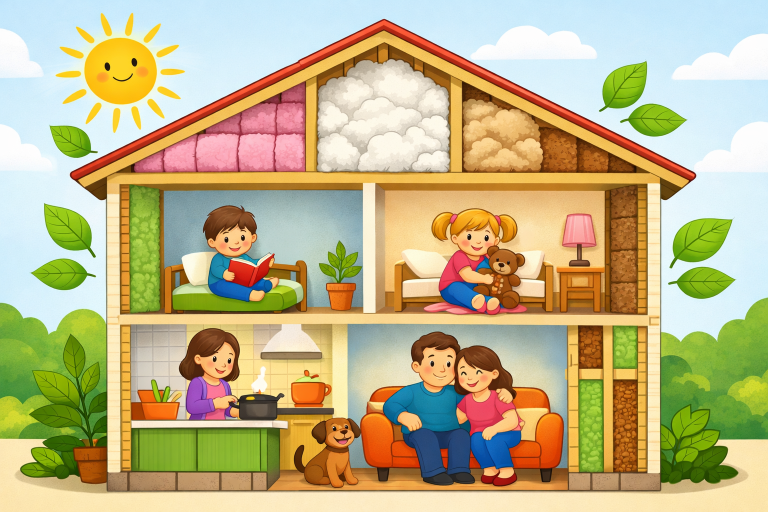
Fiberglass Insulation: Notably, Knauf Insulation provides a formaldehyde-free fiberglass product line, prioritizing both safety and environmental stewardship.
Spray Foam Insulation: BASF's WALLTITE® RSB incorporates recycled content and renewable feedstocks, reducing the embodied carbon in its structure.
Polyiso Insulation: GAF’s EnergyGuard™ NH Polyiso line is now TCPP-free, satisfying sustainability goals while delivering robust insulation.
Innovations in Sustainable Insulation
Leading manufacturers are propelling the industry forward with cutting-edge offerings:
DuPont's Low-GWP Styrofoam™: This product achieves a 94 percent reduction in embodied carbon while maintaining its renowned insulation properties.
ThermaLoop™ Insulation: Comprised entirely of recycled fibers, ThermaLoop™ demonstrates how circular-economy practices can create greater value and sustainability in home materials.
Considerations When Choosing Insulation
Before investing in new insulation, weigh these factors carefully:
Material Composition: Verify that your chosen product is certified free of hazardous chemicals and prioritizes sustainability standards.
R-Value: This crucial metric indicates how well the insulation resists heat flow. A higher R-value denotes more effective thermal protection.
Installation Process: Determine whether professionals are best suited to handle the product or if it is suitable for safe homeowner installation.
For more guidance on evaluating healthy building products, the U.S. Environmental Protection Agency provides resources on healthier home environments in its insulation and indoor air quality guide.
Expanding Your Eco-Friendly Insulation Options
Recent developments in green building have introduced even more options for homeowners interested in environmentally responsible insulation. For example, sheep’s wool insulation is gaining popularity due to its natural fire resistance, ability to regulate indoor moisture, and easy installation. Wool is also a rapidly renewable resource, making it an appealing alternative to many traditional insulators.
Another notable option is cellulose insulation, which is primarily made from recycled paper products and treated with non-toxic fire-retardant chemicals. This type of insulation offers a high R-value and is widely regarded for its soundproofing qualities. Because cellulose is often sourced from local recycling programs, it further supports the circular economy and reduces waste sent to landfills.
Additionally, cork insulation, a lesser-known but highly sustainable material, comes from the bark of cork oak trees, which regenerate after harvest, making production environmentally non-destructive. Cork’s resistance to mold, pests, and fire, along with its natural thermal properties, makes it an exceptional insulation choice for eco-focused renovations.
Installation Practices and Air Quality
Proper installation is vital to maximize the health and environmental benefits of sustainable insulation. Gaps, compression, or incorrect fit can compromise efficacy and even create opportunities for hidden air leaks or moisture buildup. Engaging professional installers familiar with green building techniques is recommended to ensure optimal performance and longevity. For DIY enthusiasts, many eco-friendly insulation types, such as certain batts or loose-fill cellulose, can be handled safely by homeowners, provided proper protective equipment and guidelines are followed.
Cost vs. Long-Term Benefits
While eco-friendly insulation often involves a higher upfront investment, it typically results in substantial savings over time through reduced heating and cooling costs. These materials are usually longer-lasting, reducing the frequency of costly replacements. Furthermore, better indoor air quality and reduced allergen exposure deliver priceless long-term health value for your household.
Looking at the lifecycle impact, sustainable insulation options can significantly reduce a building’s operational carbon emissions, according to The New York Times’ coverage of insulation's role in climate change.
Broader Impact of Sustainable Insulation
The adoption of environmentally responsible insulation solutions not only benefits individual households but also contributes to broader societal goals. As more builders, property owners, and designers select sustainable insulation, the collective demand helps drive industry-wide change, spurring further research and development of safer, greener materials. This momentum can create local job opportunities while supporting community health and resilience. Additionally, incentivizing or subsidizing eco-friendly insulation installations through government or utility programs can accelerate this positive shift, making healthier homes accessible to a much wider population.
Conclusion
Prioritizing safe, sustainable insulation during construction or renovation makes your home more energy-efficient and healthier to live in. The market now provides a wide range of eco-friendly insulation materials that align with global environmental goals while supporting your household's well-being. By making informed choices, you contribute to a cleaner, safer future for your family and the community around you.