The Smart Way to Add Value and Safety to Your Property
Maximizing the utility of a home requires smart planning and strategic investments. Many property owners overlook the lowest level of their house, leaving square footage underutilized. Transforming these spaces requires a balance of protection and practical design. Upgrading structural entry points increases real estate worth and provides security for everyone inside.
Hidden Potential in the Lower Levels
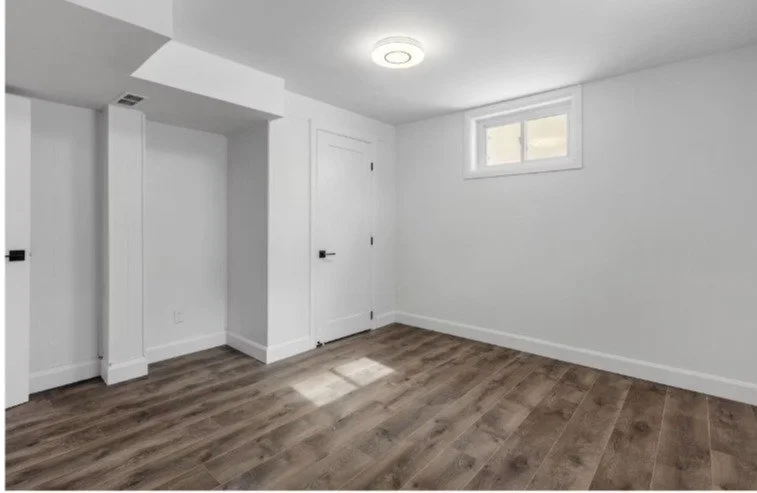
Many houses feature large unfinished basements that serve only as storage spaces. Homeowners can convert these areas into functional rooms, guest suites, or home offices. This type of renovation expands the usable square footage without changing the footprint of the house. Spreading out the living space improves daily comfort for growing families.
Renovating below the main floor utilizes space that already exists within the foundation. Property owners avoid the high costs associated with building brand-new exterior additions. This strategy maximizes every square inch of the property efficiently. Home layout modifications can occur without disrupting the yard layout outside.
Upgrading Your Lower Level Safety
Home improvement projects often focus on visual appeal rather than emergency preparedness. Installing high-quality egress window units serves a dual purpose by bringing in natural light and providing a clear path outside. Property owners gain peace of mind knowing their family has a reliable exit strategy.
Natural sunlight transforms dark underground areas into welcoming rooms. Increased ventilation helps maintain air quality throughout the lower level of the house. Combining beauty with protection creates a superior living environment. These structural upgrades make the basement feel identical to the upper floors.
Legal Obligations and Building Codes
Municipal regulations mandate emergency exits in lower-level living spaces. A California city guide states that every sleeping room and basement must have an approved rescue opening. This rule prevents unpermitted spaces from becoming structural hazards. Local inspectors check these criteria during standard home evaluations.
A regional building handbook specifies that any basement containing bedrooms requires an emergency exit in every sleeping room. This legal framework protects residents from getting trapped during emergencies. Following these rules keeps the property legally compliant. Landlords must follow these specifications to legally lease residential basements to tenants.
Key Features of a Compliant Setup
Meeting official criteria demands specific design elements during the installation process. Certain features must match local safety templates exactly:
Clear opening dimensions must meet minimum square footage standards.
Openings must provide direct access to the outside lot.
Features must include an easily operable mechanism for rescue teams.
Proper compliance guarantees that emergency personnel can enter with full gear if necessary. Well-designed options incorporate these safety attributes seamlessly.
Understanding Exact Measurement Requirements
Size matters when dealing with lower-level rescue openings. A local government handout mentions that the window must have a minimum net clear area of 5.7 square feet. Clear measurements prevent tight spacing from blocking a quick exit.
Contractors must calculate these dimensions before starting any excavation work. Improper sizing can lead to failed building inspections and expensive rework. Precision remains critical when modifying the concrete perimeter walls of a house. Experienced professionals help avoid common measurement mistakes during installation.
Protecting the Overall Value of Your Asset
Skipping proper building permits can damage future property transactions. A Michigan township help sheet warns that failing to follow building codes can cause an investment to lose value. Appraisers look closely at compliance during real estate evaluations.
Unpermitted modifications frequently complicate the closing process during a property sale. Future buyers look for safety certifications before signing a purchase contract. Protecting your initial capital requires sticking to recognized safety protocols. Taking shortcuts can lead to unexpected liabilities for the seller down the road.
Creating a Reliable Exit Plan
The primary function of an emergency window remains survival during a crisis. A state fire marshal document explains that these windows give occupants an alternate path when smoke blocks the main exit. Seconds count during a residential emergency.
Families should practice escape drills utilizing these alternative exits regularly. Knowing exactly how to open the latches provides confidence during stressful moments. Safety installations work best when combined with an active household emergency plan. Preparedness saves lives when unexpected dangers arise in the home.
Balancing Historic Design with Modern Features
Historic properties require careful modification to preserve their original character. A landmark preservation review board stated that local site conditions dictate how well an emergency window blends with historic architecture. Preservation rules do not need to conflict with modern protection designs.
Custom frames can match the style of older homes - delivering up-to-date security performance. Modern materials allow for historical alignment without sacrificing structural durability. Property owners can achieve both preservation goals and strict safety standards simultaneously. Careful aesthetic planning protects both the legacy and safety of old buildings.
Upgrading a home involves blending protection, legal compliance, and financial wisdom. Improving lower levels with proper openings protects loved ones and raises the market value of the residence. Property owners secure a solid return on investment by choosing certified installation methods. Investing in these improvements creates a comfortable, secure, and valuable asset for years to come.