How to Price Your Home Competitively Without Undervaluing It

Key Takeaways

  • Accurate pricing is crucial to attract serious buyers and avoid long market times or lost equity.

  • Research recent comparable sales, market trends, and seasonal dynamics to determine fair value.

  • Professional appraisals and real estate agent guidance provide objective insights beyond personal attachment.

  • Online valuation tools offer a starting point but should complement, not replace, expert advice.

  • Strategic pricing, including small adjustments and monitoring buyer feedback, maximizes visibility and competitive advantage.

Understanding the Importance of Accurate Pricing

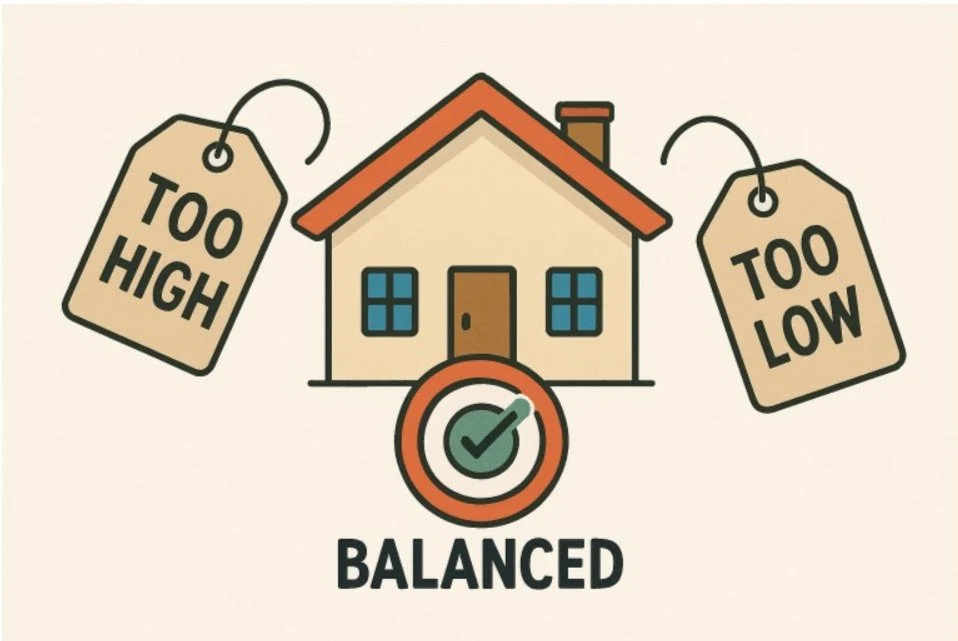
Getting the price right when selling your home can be the difference between a swift transaction and months of frustration. Competitive pricing draws in serious buyers, but it is essential not to undervalue your property. Overpriced homes often linger on the market, while homes priced too low may sell quickly at the cost of lost equity. If you are looking to sell your home in Bellevue, a carefully considered pricing strategy will help you avoid these pitfalls.

Buyers begin their search with firm expectations shaped by online listings and local market trends. Listing your house at an inaccurate price can create immediate roadblocks, prolonging the process and potentially leading to price reductions as your home sits on the market. At the same time, price is one of the first criteria buyers use to narrow their searches, so your decision has direct consequences for visibility and interest.

Evaluating Your Home's Market Value

Determining the fair market value of your home is the crucial first step. Start by analyzing recent sales of similar properties in your neighborhood; these are often called "comparables" or "comps." Look at homes with similar square footage, number of bedrooms, lot size, and condition. Market conditions and seasonal trends can also impact value, so stay informed about what is currently influencing your local area.

Consulting with a real estate professional can provide clarity during this process. With access to up-to-date sales data and neighborhood trends, agents can offer insights that raw data and automated tools may miss. This expert guidance can help ensure that your home is positioned competitively from the start.

In some cases, it can be helpful to reference authoritative resources, such as the National Association of Realtors, for broader industry trends and market statistics. These sources can offer a wider perspective beyond your immediate neighborhood.

Avoiding Emotional Pricing

It is easy to let personal attachment influence your perception of your home's value. Homeowners often price higher because of memories, improvements, or time invested, but today's buyers are focused on comparative value and current market realities. Lean on objective data and professional guidance rather than emotions. Overpricing based on sentiment can lead to longer time on the market, less foot traffic, and a greater likelihood that your home will sell for less after multiple price reductions.
Utilizing Professional Appraisals

Hiring a certified appraiser is a smart move for sellers looking for an objective, comprehensive home assessment. Appraisers evaluate factors such as square footage, condition, age, and recent comparable sales to generate an unbiased value estimate. This process can also identify unique value-adding features and needed improvements. Most single-family home appraisals fall within the $325 to $1,000 range, according to Kiplinger. A professional appraisal not only helps strengthen your initial pricing but also serves as credible documentation if price negotiations arise with buyers or their agents.

Leveraging Online Valuation Tools

Online estimators like those offered by Redfin or Zillow can provide an instant starting point for determining your home's value. These platforms use algorithms based on millions of publicly available data points to provide an initial ballpark figure. While convenient, remember these estimates may not account for unique features or recent updates and should never replace professional advice. Use instant online valuations as a jumping-off point for more in-depth research and analysis.

Considering Market Dynamics

Real estate markets can change rapidly. Keep an eye on local housing inventory and average days on the market. When inventory is high or buyer demand slows, sellers may need to price more aggressively to remain competitive. Conversely, in a seller’s market, homes often command higher prices due to limited buyer options. Understanding these dynamics ensures your home stands out for the right reasons and doesn’t become just another overlooked listing.

Implementing Strategic Pricing Techniques

Small adjustments to asking prices can significantly impact buyer interest. Listing just below a major round number (for example, pricing at $299,000 instead of $300,000) can make your home appear in more search results and feel more affordable to buyers. Many buyers set automated price alerts or search brackets, so thoughtful pricing ensures maximum exposure. Some sellers also benefit from pricing slightly below market value to spark competition and encourage multiple offers, potentially driving up the final sale price.

Monitoring and Adjusting the Price

The first two weeks after listing are critical, as this is when the most buyers will see your home. Track showings, online views, and agent feedback. If interest is lower than expected or feedback centers on price, be ready to adjust quickly. Price reductions should be decisive, not small incremental drops, as small, incremental drops rarely attract new attention. Remaining flexible and receptive to feedback will help ensure your home sells without stagnating on the market.

Final Thoughts

A competitive listing price balances accurate market data, professional input, and strategic timing. By relying on facts and expert advice, avoiding emotional decisions, and paying attention to market signals, sellers can attract the right audience, avoid prolonged negotiations, and achieve the highest value for their home. This approach is vital to securing your financial goals and making your next move possible with confidence.


Lupus Symptoms and Immune Disorders: A Complete Guide to Living with Autoimmunity

Imagine your body's defense system turning against you, like a loyal guard dog biting its owner. That's lupus in a nutshell—a sneaky chronic autoimmune disease that strikes without warning. Systemic Lupus Erythematous, or SLE, happens when the immune system loses its way and attacks healthy tissues instead of invaders like germs.

This guide dives deep into lupus symptoms and how immune disorders fuel the fire. You'll learn about common signs, rare ones too, and the chaos in your immune system that causes it all. By the end, you'll see why spotting these early can change everything for better health.

The Mechanics of Autoimmunity: How Lupus Hijacks the Immune System

Immune System Over activity and Autoantibody Production

In a normal body, T-cells spot threats and call in B-cells to make antibodies that fight them off. But in lupus, these cells go haywire. Liv Hospital They produce autoantibodies, like anti-nuclear antibodies (ANA), that target your own cells.

This overactivity leads to constant alerts in your system. T-cells and B-cells multiply too fast, creating a storm of misplaced attacks. Tests often show high ANA levels in people with lupus symptoms, helping doctors confirm the issue.

Think of it as a faulty alarm system blaring for no reason. Over time, this damages tissues across your body. Early detection of these autoantibodies can guide treatment right away.

Inflammation as the Primary Driver of Damage

Inflammation is the main culprit in lupus damage. Immune complexes—bits of antibodies stuck to body parts—float in your blood and settle in organs. Once there, they spark swelling and pain.

Cytokines, which are like chemical messengers, ramp up this response. They draw more immune cells to the spot, worsening the harm. This chain reaction explains why lupus symptoms flare up suddenly.

You might feel this as widespread aches or hot skin. Doctors use blood tests to spot these complexes. Controlling inflammation early keeps organs safer.

Genetic and Environmental Triggers

Genes play a big role in lupus risk. If family members have it, your chances rise. But triggers like hormones, especially estrogen in women, often kick things off.

Certain drugs or viruses can spark flares too. Sunlight exposure acts as a common environmental nudge. For those at risk, avoiding these helps prevent onset.

Studies show women face lupus nine times more than men. This mix of genes and outside factors creates a perfect storm for immune disorders.

The Multifaceted Spectrum of Lupus Symptoms

Classic Dermatological Manifestations

The butterfly rash is a telltale lupus symptom—a red flush across your cheeks and nose, like wings on your face. It worsens with sun and fades with rest. Discoid lupus brings thick, scaly patches on skin, often leaving scars.

Photosensitivity hits hard; even short sun time triggers rashes. Wear hats, long sleeves, and SPF 50+ daily to shield yourself. Use gentle soaps and avoid harsh makeup to soothe flares.

These skin signs affect up to 70% of patients. Spotting them early leads to quicker care. Protect your skin to cut down on painful episodes.

Musculoskeletal Involvement: Joint Pain and Fatigue

Lupus arthritis causes swelling and stiffness in joints, but it doesn't erode bones like other types. You might wake up with fingers that won't bend easily. Arthralgia, or plain joint pain without swelling, tags along often.

Fatigue in lupus hits like a truck—deep exhaustion that sleep barely touches. It drains your day, making simple tasks tough. Rest breaks and light walks can ease this.

About 90% of folks with lupus battle this tiredness.  Lupus Symptoms and Immune Disorders Pace yourself to manage it. Talk to a doctor about meds to fight the ache.

Systemic and Constitutional Signs

Unexplained fevers come and go with lupus, often low-grade but persistent. Weight loss or gain happens as the body fights itself. Malaise, that all-over blah feeling, makes you drag through days.

Low blood counts signal trouble—fewer red cells mean anemia and weakness. Platelets drop, raising bruise risks. White cells dip, upping infection chances.

These signs mimic flu but last longer. Track them in a journal for your doc. Blood work spots these fast.

Internal Organ Targets: The Severity of Internal Flares

Lupus nephritis attacks kidneys, causing swelling in legs or foamy urine. It can lead to high blood pressure if unchecked. Watch for changes in pee habits.

Serositis inflames lung or heart linings—pleurisy hurts when you breathe deep, pericarditis brings chest pain. Neuropsychiatric lupus muddles your mind with headaches, mood swings, or even seizures.

These affect 50% of patients over time. Urgent tests like biopsies confirm organ hits. Quick treatment saves function.

Distinguishing Lupus from Other Immune Disorders

Overlap Syndromes and Differential Diagnosis

Lupus shares traits with Sjögren’s Syndrome, which dries out eyes and mouth alongside joint pain. Mixed Connective Tissue Disease mixes lupus rashes with muscle weakness. Key differences? Sjögren’s focuses on glands; MCTD has high anti-RNP antibodies.

Rheumatoid arthritis erodes joints more than lupus does. Doctors use symptom patterns and tests to tell them apart. Overlaps mean some folks get combo diagnoses.

Don't guess—see a specialist. Early sorting prevents wrong treatments. This clarity helps tailor your plan.

The Importance of Specific Biomarkers

ANA tests positive in most lupus cases, but anti-dsDNA and anti-Sm are more specific for SLE. High anti-dsDNA levels often match kidney flares. These biomarkers track disease activity.

Unlike general ANA, they confirm lupus over other issues. Labs measure them in blood draws. Positive results guide therapy choices.

Use these for monitoring too. Falling levels show treatment works. They beat vague symptoms for accuracy.

Lupus Mimics: Recognizing Non-Autoimmune Causes of Symptoms

Chronic Fatigue Syndrome copies lupus tiredness without rashes or blood changes. Infections like Lyme disease bring joint aches and fevers. Fibromyalgia causes widespread pain but skips organ involvement.

Thyroid issues mimic malaise and weight shifts. Always get a full check-up. Scans and histories rule out fakes.

Thorough evals avoid mix-ups. True lupus needs immune-focused care. Push for complete testing.

Living with Lupus: Management Strategies and Quality of Life

Pharmacological Approaches to Controlling Immune Activity

NSAIDs ease mild pain and swelling fast. Antimalarials like hydroxychloroquine calm skin and joints over months. For bad flares, immunosuppressants like methotrexate dial down the immune storm.

Biologics target specific cells, like belimumab for B-cells. Your doctor picks based on symptoms and side effects. Start low and adjust.

Personal plans work best—track how meds affect you. Regular blood checks watch for issues. These tools keep flares at bay.

  • NSAIDs: Quick relief for aches.

  • Antimalarials: Long-term skin control.

  • Immunosuppressants: Heavy-duty immune tame.

  • Biologics: Precise attack on bad cells.

Lifestyle Modifications for Symptom Management

Stress sparks flares, so try deep breathing or yoga daily. Gentle exercises like swimming build strength without strain. Eat anti-inflammatory foods—think berries, fish, and greens—to support your body.

Stay hydrated and aim for seven hours of sleep. Cut caffeine if it wires you up. Small changes add up big.

Journal triggers to spot patterns. Join support groups for tips. These habits boost energy and mood.

Navigating Long-Term Health Monitoring

See your rheumatologist every three months for check-ups. Kidney tests, like creatinine levels, spot nephritis early. Heart screenings catch risks from inflammation.

Bone density scans prevent osteoporosis from meds. Watch cholesterol too—lupus ups heart disease odds. Vaccinations guard against infections.

Stay on top of these to live well. Adjust as needed with your team. Monitoring turns challenges into control.

Conclusion: Hope Through Understanding and Advocacy

Lupus symptoms range from skin rashes to deep fatigue, live and feel  all tied to immune system glitches like autoantibody attacks and wild inflammation. We've covered how genes and triggers play in, plus ways to spot it from other disorders. Management mixes meds, lifestyle tweaks, and steady check-ups for real relief.

Early diagnosis cuts risks and eases daily life. Stick to your plan—track symptoms, protect your skin, and lean on pros. Research brings new treatments yearly, promising brighter days ahead.

If you spot lupus signs, talk to a doctor soon. Knowledge empowers you to thrive despite the odds.

What Happens to the Family Home When Nobody Planned Ahead

Most families never talk about the house. They talk about retirement, college savings, even vacation plans. But the one asset that holds the most value and the most meaning — the family home — is almost never part of the conversation.

Then someone dies, and the house becomes the center of everything.

What follows is rarely what anyone expected. Instead of a smooth handoff to the next generation, families find themselves tangled in legal processes, financial obligations, and emotional decisions that come at the worst possible time.

The Home That Nobody Can Touch

When a homeowner dies without an estate plan, their property typically enters probate — a court-supervised process that determines who legally inherits the assets. During probate, no one can sell the house, refinance it, or even make major decisions about it without court approval.

In most states, probate takes six months to a year for straightforward estates. In states with backlogged courts, like California and New York, the process regularly stretches to 18 months or longer. During that time, the mortgage still needs to be paid. Property taxes come due. Insurance premiums need to be renewed. HOA fees accumulate. Maintenance issues do not wait for a judge's calendar.

The family is financially responsible for all of it, often without access to the deceased person's bank accounts to cover those costs.

The Sibling Problem

When a home passes through probate to multiple heirs — usually adult children — each heir inherits an undivided interest in the property. That means everyone owns a piece, but nobody owns the whole thing.

On paper, this seems fair. In reality, it creates impossible situations.

One sibling wants to keep the home for sentimental reasons. Another needs their share of the equity for a down payment on their own house. A third lives across the country and wants nothing to do with the property. All three have equal legal rights, and none of them can force the others to agree.

When families cannot reach a consensus, the legal remedy is a partition action — a lawsuit in which one co-owner asks the court to force a sale. Partition actions are expensive, adversarial, and almost always result in the home being sold at below market value through a court-ordered process. The legal fees alone can consume $15,000 to $30,000 or more, and the family relationships rarely survive intact.

The Financial Burden Nobody Expects

Beyond the legal complexity, inherited homes carry ongoing financial obligations that catch families off guard.

Property taxes do not pause during probate. In states with high property tax rates, a year of limbo can mean $5,000 to $15,000 in tax obligations that the heirs must cover out of pocket. If taxes go unpaid long enough, the local government can place a lien on the property or initiate a tax sale.

Insurance is another hidden cost. The deceased person's homeowner's insurance policy must be updated or replaced. Many insurers will not cover a home that is vacant or in probate without a specialized policy, which costs significantly more than standard coverage. If the home is uninsured and suffers damage during probate, the financial loss falls entirely on the heirs.

Maintenance is the third burden. A house that sits unoccupied deteriorates faster than one that is lived in. Pipes can freeze. Roofs can leak. Yards become overgrown, which can trigger code violations and fines in some municipalities. The longer probate takes, the more the property declines in value and the more the heirs spend maintaining an asset they cannot yet control.

The Mortgage Does Not Disappear

Many families assume that a mortgage is forgiven when the borrower dies. It is not. The loan remains attached to the property, and the mortgage servicer expects continued payments.

Federal law does protect heirs who want to keep the home. The Garn-St. Germain Act prohibits lenders from calling a loan due solely because the borrower died and the property is being transferred to a family member. But heirs must act — they need to contact the servicer, provide documentation, and either continue the existing payments or refinance in their own name.

If communication breaks down during probate, the loan can go into default. Foreclosure proceedings can begin even while probate is ongoing, creating a situation where the family is simultaneously fighting to inherit a home and fighting to prevent the bank from taking it.

What Planning Actually Prevents

The families who avoid all of this are the ones who addressed the home before it became an emergency.

The most effective tool for keeping a home out of probate is a revocable living trust. When the home is titled in the name of a trust, it bypasses probate entirely. The successor trustee — the person named in the trust document — can step in immediately after the homeowner's death and follow the written instructions: transfer the property to a specific heir, sell it and distribute the proceeds, or manage it for a defined period.

No court involvement. No public record. No waiting. No partition lawsuits. No frozen assets while siblings argue.

The cost of this planning is modest compared to the cost of not doing it. Platforms like 299Trust.com offer complete estate planning packages, including living trusts, starting at $299 — a fraction of the probate fees, partition costs, and maintenance expenses that accumulate when a home passes without a plan.

The Conversation Nobody Wants to Have

Estate planning conversations are uncomfortable. Nobody wants to discuss death over dinner. But the alternative — leaving your family to sort it out under pressure, in grief, through the court system — is worse in every measurable way.

The home you worked decades to pay off deserves better than a probate docket number. Your family deserves better than a partition lawsuit. And the solution is available now, for less than what your family would spend on a single month of maintaining a house they cannot legally touch.

This article is for informational purposes only and does not constitute legal, financial, or tax advice. Estate planning laws vary by state and individual circumstances differ. Consult a qualified professional for guidance specific to your situation.