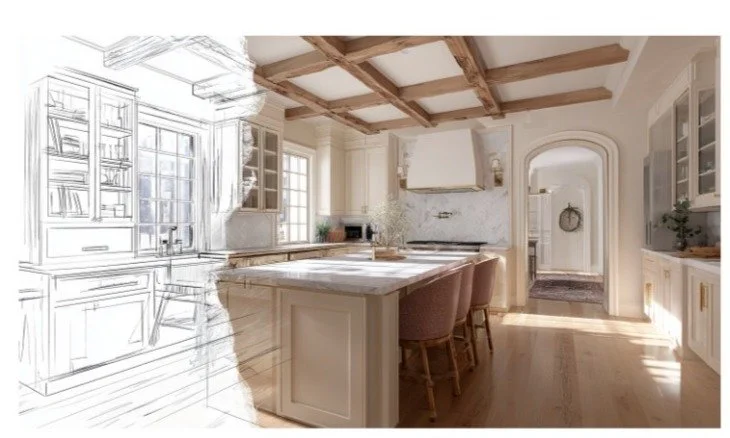
How to Design a Kitchen: A Complete Guide to Layout, Function, and Custom Kitchen Remodeling
Designing a kitchen is one of the most important steps in creating a home that feels both functional and inviting. A well-designed kitchen goes beyond appearance. It supports how you cook, move, store items, and interact with others in the space.
Whether you’re planning a remodel or starting from scratch, the key is to approach kitchen design with a clear structure. This means understanding layout options, planning measurements carefully, choosing the right materials, and knowing when to bring in professional guidance. This guide walks you through each step so you can design a kitchen that works both practically and visually.
Start With How You Use Your Kitchen
Before thinking about cabinets or finishes, consider how you actually use your kitchen. Do you cook daily or only occasionally? Do you entertain guests often? Is it a shared space for multiple people at once?
Your lifestyle should guide every design decision. A family that cooks frequently may prioritize counter space and storage, while someone who entertains may focus more on layout flow and seating areas. Designing around your habits ensures the space feels natural to use rather than forced.
Understanding Kitchen Layout Options
Popular Kitchen Layouts
There are several common kitchen layouts, each suited to different spaces and needs. One-wall kitchens work well in smaller homes or open layouts. Galley kitchens maximize efficiency in narrow spaces. L-shaped and U-shaped kitchens offer more counter space and storage, while island kitchens add flexibility and additional workspace.
Choosing the right layout depends on your available space and how you want the kitchen to function.
The Kitchen Work Triangle
The work triangle is a classic design concept that connects the sink, stove, and refrigerator. The goal is to minimize unnecessary movement while cooking.
While modern kitchens may not strictly follow this rule, the principle of efficient movement still applies. Keeping these key areas accessible helps improve workflow and reduces friction during daily use.
Zoning Your Kitchen for Better Function
A more modern approach to kitchen design is zoning. Instead of focusing only on the triangle, zoning divides the kitchen into functional areas such as prep, cooking, cleaning, and storage.
This method works especially well in larger kitchens or open-concept spaces where multiple people may be using the kitchen at once.
Planning Measurements and Space
Standard Kitchen Dimensions
Getting the dimensions right is essential. Standard counter height is typically around 36 inches, while cabinet depth is usually about 24 inches. These measurements create a comfortable working environment.
While standard sizing is a good starting point, adjustments may be needed based on your height or specific preferences.
Clearance and Walkways
Proper spacing is often overlooked but critical for usability. Walkways should generally allow enough space for people to move comfortably without bumping into cabinets or appliances.
Tight spaces can make even a beautiful kitchen feel frustrating to use.
Appliance Placement Considerations
Appliances should be positioned with both accessibility and workflow in mind. For example, placing the dishwasher near the sink makes cleaning more efficient, while keeping the refrigerator accessible without disrupting the cooking area improves flow.
Small placement decisions can have a big impact on how the kitchen functions day to day.
Choosing Materials and Finishes
Cabinets and Storage
Cabinets are one of the most important elements of kitchen design. You can choose between stock, semi-custom, and fully custom options depending on your budget and needs.
Durability matters just as much as appearance. Materials should be able to handle daily use while maintaining their structure over time.
Countertops
Countertops serve as both a functional workspace and a visual centerpiece. Quartz and granite are popular for their durability, while materials like butcher block offer a warmer aesthetic.
Your choice should balance maintenance, durability, and overall design style.
Flooring and Backsplash
Flooring should be durable and easy to clean, especially in high-traffic kitchens. Tile, vinyl, and hardwood are common choices.
Backsplashes not only protect walls but also add visual interest. They are a great opportunity to introduce texture or contrast into the design.
Lighting and Functionality
Task Lighting
Task lighting is essential for work areas such as countertops and cooking zones. Under-cabinet lighting is a common solution that improves visibility without adding clutter.
Ambient Lighting
Ambient lighting provides overall illumination for the space. This can include ceiling fixtures or recessed lighting.
Accent Lighting
Accent lighting highlights design features such as cabinets or backsplashes. While not essential for function, it adds depth and character to the space.
Common Kitchen Design Mistakes to Avoid
One of the most common mistakes is prioritizing aesthetics over function. A kitchen may look great but feel inefficient if layout and workflow are not considered.
Lack of storage is another issue. Without enough cabinets or organization, the space can quickly become cluttered.
Poor lighting can also affect usability. Even a well-designed layout can fall short if work areas are not properly illuminated.
Finally, ignoring spacing and measurements can lead to a cramped or awkward layout.
Designing for Budget and Value
Where to Invest vs Save
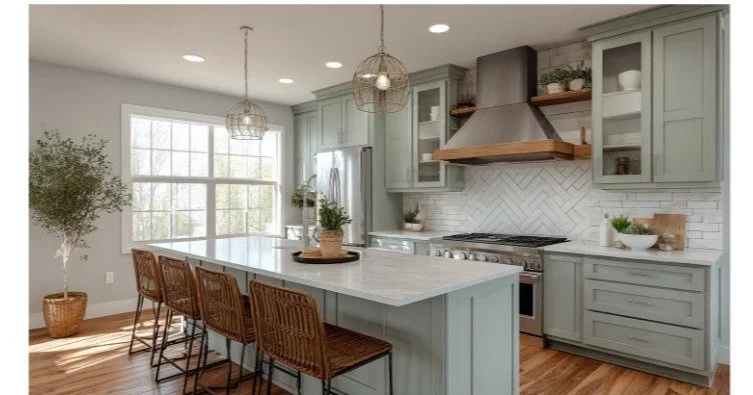
Not every element of your kitchen needs to be high-end. It often makes sense to invest more in cabinets and countertops, while saving on elements like hardware or decorative finishes.
Balancing cost and quality helps you get the most value out of your budget.
Planning for Long-Term Use
Think beyond current trends. A kitchen should remain functional and appealing for years to come. Choosing durable materials and a practical layout helps ensure long-term satisfaction.
DIY Design vs Professional Kitchen Design
When DIY Design Works
For smaller updates or simple layouts, DIY design can be a practical option. With the right planning and attention to detail, homeowners can create functional and visually appealing kitchens.
When to Work With Professionals
More complex projects often benefit from professional input. Structural changes, custom layouts, and full remodels require a higher level of planning and coordination.
For homeowners planning a kitchen remodel or redesign, working with an experienced contractor like Capital Construction can help bring design ideas to life while ensuring proper execution.
Full Design-Build Projects
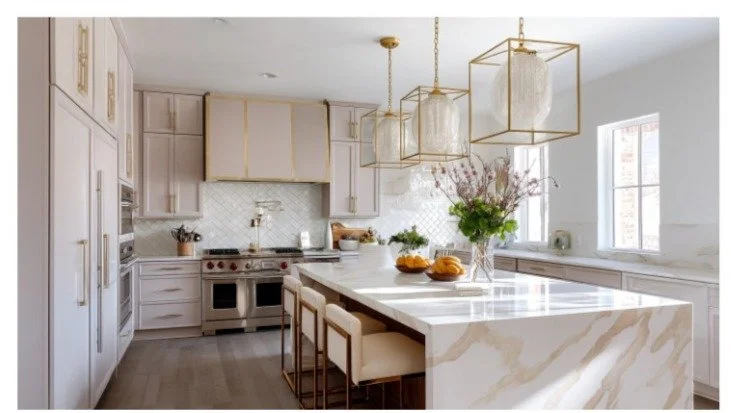
Design-build projects combine design and construction into a single process. This approach helps streamline communication, reduce errors, and create a more cohesive final result.
For fully custom kitchens or new home builds, partnering with a design-build firm such as Skyline Design Build allows for a more cohesive approach from initial concept to final construction.
Finalizing Your Kitchen Design
Before moving into construction, take time to review your entire plan. Confirm measurements, materials, layout, and functionality.
A well-thought-out design reduces the likelihood of costly changes later and ensures a smoother building process.
Conclusion
Learning how to design a kitchen is about more than choosing finishes. It requires thoughtful planning, attention to detail, and a clear understanding of how the space will be used.
By focusing on layout, functionality, and long-term value, you can create a kitchen that not only looks great but works seamlessly in everyday life. Whether you take a DIY approach or work with professionals, a strong design foundation is what ultimately leads to a successful result.