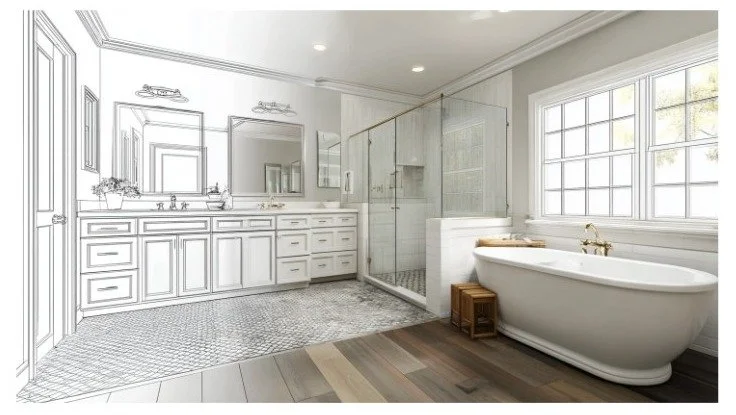
How Much Does It Cost to Add a Bathroom? A Complete Guide to Remodeling and Design-Build Pricing
Adding a bathroom is one of the most practical upgrades a homeowner can make. It improves daily convenience, increases home value, and can significantly enhance how a space functions. But before starting, most homeowners want a clear answer to one question: how much does it actually cost?
The truth is, adding a bathroom can range anywhere from $10,000 to $50,000+, depending on the type of bathroom, the location within the home, and the level of customization. A simple powder room conversion will cost far less than a full master bathroom addition with high-end finishes. Understanding where those costs come from is the key to planning your project realistically.
This guide breaks down the cost of adding a bathroom, what factors influence pricing, and how to approach your project with confidence.
Average Cost to Add a Bathroom
On average, most homeowners spend between $15,000 and $35,000 to add a bathroom using existing space. Projects that involve building a completely new addition, however, often exceed $40,000 to $75,000+, especially when structural work, new plumbing systems, and roofing are involved.
The biggest factor that determines cost is whether you are converting existing space or building something entirely new. Conversions are typically more affordable because the structure is already in place. Additions require foundation work, framing, and more complex labor, which increases the overall investment.
Cost Breakdown by Bathroom Type
Half Bathroom (Powder Room) Cost
A half bathroom, also known as a powder room, typically includes a toilet and a sink. These are the most affordable bathroom additions, usually ranging from $10,000 to $20,000.
They are ideal for smaller spaces and can often be added without major structural changes. Because they do not include a shower or tub, plumbing requirements are simpler, which helps keep costs lower.
Full Bathroom Cost
A full bathroom includes a toilet, sink, and either a bathtub or shower. These projects typically fall between $20,000 and $40,000, depending on materials, layout, and labor.
Adding a shower or tub increases both plumbing complexity and material costs. Tile work, waterproofing, and ventilation also play a role in the final price.
Master Bathroom Addition Cost
Master bathrooms are larger and often include higher-end features such as double vanities, walk-in showers, soaking tubs, and custom cabinetry. These projects typically range from $40,000 to $75,000+.
Luxury finishes, custom layouts, and larger square footage all contribute to higher costs. While more expensive, these additions can significantly improve comfort and long-term property value.
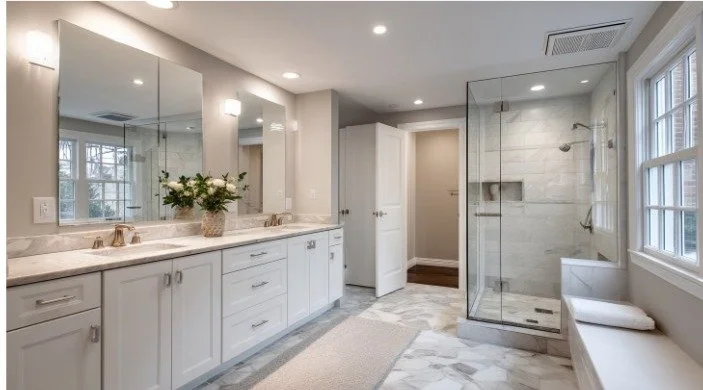
Converting Existing Space vs. Building an Addition
Converting Existing Space
Converting an existing area like a closet, garage section, or unused room is usually the most cost-effective approach. Since the structure already exists, you avoid major expenses related to framing and foundation work.
However, costs can still vary depending on how close the space is to existing plumbing lines. The farther the bathroom is from those systems, the more expensive the project becomes.
Building a New Bathroom Addition
Building a brand-new bathroom addition involves more complexity. You are essentially expanding the home, which includes structural framing, roofing, insulation, and exterior finishing.
For homeowners planning a full addition or structural expansion, working with a design-build firm like Origami Design Build can help streamline planning, permitting, and construction into one cohesive process.
What Drives the Cost of Adding a Bathroom?
Plumbing and Electrical Work
Plumbing is one of the most significant cost factors. Installing new water supply and drainage lines, especially if they need to be extended, can quickly increase the budget. Electrical work for lighting, outlets, and ventilation also adds to the total.
Permits and Inspections
Permits are required for most bathroom additions. These ensure that the work meets building codes and safety standards. While necessary, they add both time and cost to the project.
Materials and Finishes
The materials you choose can dramatically affect pricing. Fixtures, tile, vanities, and lighting all vary widely in cost. High-end finishes can elevate the space but also increase the budget significantly.
Labor and Project Complexity
Bathroom additions require multiple trades, including plumbers, electricians, carpenters, and tile installers. The more complex the project, the higher the labor costs.
Location Within the Home
Adding a bathroom near existing plumbing is typically more affordable. Projects that require rerouting systems or working in difficult-to-access areas tend to cost more.
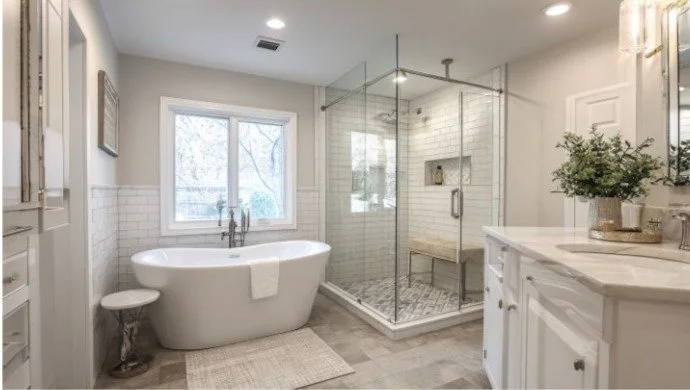
Bathroom Remodeling vs. Bathroom Addition
When Remodeling Is More Cost-Effective
In some cases, remodeling an existing bathroom may be a better option than adding a new one. Updating fixtures, improving layout, and upgrading finishes can significantly enhance functionality without the cost of new construction.
If you’re upgrading an existing space rather than building from scratch, working with an experienced remodeling contractor like America's Advantage Remodeling can help maximize your budget while improving both design and functionality.
When Adding a Bathroom Makes More Sense
Adding a bathroom is often the better choice when your home lacks sufficient facilities or when convenience is a priority. For example, adding a bathroom to a master bedroom or creating a guest bathroom can improve both usability and resale value.
Hidden Costs to Consider
Even with careful planning, unexpected costs can arise. Structural issues, water damage, or outdated systems may need to be addressed before construction can continue.
Upgrades to plumbing or electrical systems may also be required to meet current building codes. These hidden factors can increase the total project cost, which is why having a contingency budget is important.
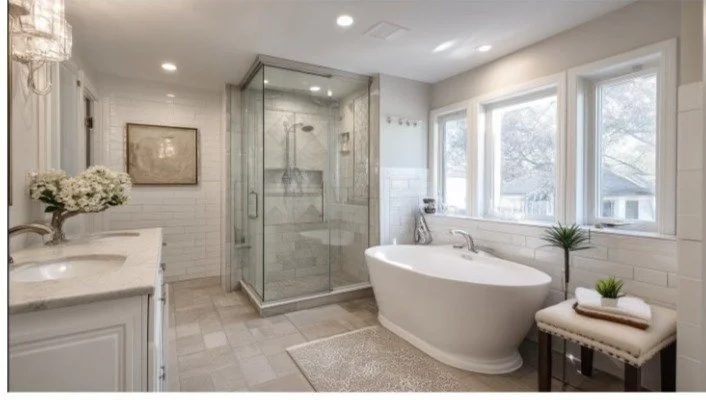
How to Budget for a Bathroom Addition
Setting a Realistic Budget Range
Rather than planning around a single number, it is better to establish a flexible range. This allows room for adjustments as project details become clearer.
Allocating a Contingency Fund
A contingency fund of 10% to 20% is recommended for most renovation projects. This helps cover unexpected costs without disrupting your overall plan.
Prioritizing Features
Focus on the features that matter most. Essentials like plumbing and layout should come first, while luxury upgrades can be adjusted based on your budget.
Is Adding a Bathroom Worth the Investment?
In most cases, yes. Adding a bathroom improves daily convenience and can increase the value of your home. It also makes the property more appealing to future buyers.
The return on investment depends on the quality of the work and how well the addition integrates with the rest of the home. A well-planned bathroom addition can provide both immediate benefits and long-term value.
Final Thoughts
So, how much does it cost to add a bathroom? The answer depends on the type of bathroom, the scope of the project, and the complexity of the work involved. While costs can range widely, most homeowners can expect to invest anywhere from $15,000 to $50,000 or more.
The key to a successful project is understanding where your money goes and planning accordingly. With the right approach, adding a bathroom can be a smart and worthwhile investment that enhances both your home and your lifestyle.