Why You Should Explore Nearby Parks and Recreational Spaces When Apartment Hunting

The selection of an appropriate apartment is a process that goes beyond the assessment of the interior or rental cost. The immediate surroundings and the facilities around you are very important in the quality of life you have. Taking a trip to nearby parks and recreational areas may provide you with knowledge beyond aesthetic interest and you can know whether a particular place is really appropriate to your lifestyle. By putting these factors into consideration when starting your search for apartments, then you can enjoy a fulfilling and well-balanced living environment.

An opportunity to spend time outside and access to green areas is not the most considered element of apartment hunting. Parks and recreational spaces offer relaxation, physical activities, and socialization all those factors contribute to physical and mental health. To people seeking apartments to rent in Montreal, the consideration of distance to such spaces can make a tangible difference in the life of an individual.

Health Benefits of Nearby Parks

Parks and recreational spaces have great health benefits when residing near them. Frequent visits to such places promote physical activity, be it jogging, cycling or engaging in outdoor sports. To both individuals and families, this will make living healthier without going to the gym or incurring extra costs.

In addition to physical health, those spaces may positively affect mental well-being. Being in nature has been associated with an improvement in mood, less stress and being creative. Having a park close to the individuals who have to spend much time indoors or in conditions of significant stress gives the individual an essential mental rest.

Impact on Property Value and Rental Appeal

Parks and recreational areas will also influence the value and appeal of apartments. With maintained green areas, neighborhoods tend to be more preferable, and tenants and buyers who appreciate outdoor activities will be attracted by the neighborhoods. This has the potential of improving the investment potential of a rented or owned property.

Moreover, the apartments that are located in the areas of parks tend to retain their property value better. Recreational areas are also an indicator of a well thought-out community and this could help in locating future tenants or selling the house. This is a consideration worth taking into account, which transcends immediate convenience, to those who are discussing Montreal apartments for rent.

Social Advantages of Recreational Areas

Recreational areas and parks also help in creating a social relationship. Outdoor fitness, community events, and other casual events help connect with other people within the community, building relationships. It may be useful in getting a feeling of belonging in a new neighborhood to renters.

These social benefits are especially useful in families. Safe outdoor places help children to socialize with their peers, and parents get time to socialize with other adults. Such interactions would be able to increase the community feeling and make an apartment location look more welcoming and supportive.

Considerations for Active Lifestyles

To people who have active lifestyles, location to recreational areas is a necessity. When parks are close down to the neighborhoods, walking, biking, and outdoor sports can be done so much more conveniently. Apartments for rent that are situated close to such areas enable the residents to incorporate physical activity with their daily lifestyles without much difficulty.

Furthermore, local recreational opportunities can have an impact on long term health behavior. The closeness to a park will contribute to the frequent physical activity, reduced car usage, and reduce the car usage in this neighborhood in a more environmentally friendly way. With such considerations made in renting apartments, an active lifestyle would be maintained.

Lifestyle Enhancements Through Outdoor Spaces

Residing close to recreational areas and parks will lead to an improved quality of life. Such spaces provide the residents with an opportunity to relax, exercise as well as socialize without going outside the neighborhood. The possibility of experiencing nature every day can turn the ordinary lifestyle into a sense of a balanced and enriching life.

Green spaces in your apartment search also gives you options in terms of hobbies and personal interests. Gardening, photography and outdoor sports might be put on the daily routine. Through the closeness to parks, you will be able to make sure that your apartment will conform to your desired lifestyle and recreational lifestyle.

Conclusion

There are several factors one should consider when seeking an apartment other than the interior and the monthly payment. Taking time to research or visit parks and recreational areas in the neighborhoods will be a great experience in determining whether a given area is fit to your life. These zones are beneficial in physical health, mental wellbeing, social relations and property value in the long term.

To individuals who are looking at Montreal apartments to rent, or any other apartments in large urban areas, the access to green and other recreational areas is a priority factor to a more rewarding living. Exploring these neighborhoods ahead of time before signing a lease could spell the difference between the comfortable apartment and the home where one would like to stay.


Wallpaper Installation in Phoenix: Choosing the Right Wallpaper Services for Desert Homes

Phoenix homes have a distinctive kind of light. It’s bright, honest, and it makes every surface feel more visible—especially walls. Wallpaper can look stunning in that environment, but it also has less room for error. Slight bubbles, drifting patterns, or wavy seams can show up fast when the sun hits at an angle.

Heat and low humidity add another layer. Materials can behave differently, adhesives can set faster than expected, and HVAC cycles can pull moisture out of the air in ways that affect drying. That’s why a “good-looking install” isn’t always the same as a long-lasting one.

This guide explains what experienced pros do to make wallpaper hold up in desert conditions, how to choose the right service, and which details matter most once the project gets underway.

Wallpaper Installation Essentials: How Pros Get Long-Lasting Results

A reliable install starts with a stable surface. Wallpaper is a finish, and finishes reveal what’s underneath. Pros check the wall’s smoothness, paint sheen, patch quality, and any signs of residue from old adhesives. Even small imperfections can telegraph through certain materials, especially under strong daylight.

Good installers also plan for the room as a system. They consider where the wallpaper will meet trim, tile, cabinets, and vents. They look at traffic patterns and focal points, then decide where seams should land so the wall reads clean from the main viewing angles. This is the kind of planning that makes the result feel deliberate instead of “good enough.”

Finding a Phoenix Wallpaper Installer: What “Desert-Ready” Really Means

In Phoenix, “desert-ready” isn’t a marketing phrase. It’s a practical standard. It means the installer understands how climate, air conditioning, and wall construction affect adhesion and alignment. A skilled pro won’t rush the prep stage, because that’s where desert conditions can quietly undermine a job.

If you’re evaluating contractors, listen for how they talk about environment and timing. The best ones will ask about HVAC settings, whether the room is occupied during the day, and how soon you plan to paint or furnish afterward. They’ll also ask what type of wallpaper you chose, because some materials are more sensitive to fast-setting adhesives and rapid drying.

To make hiring easier, here are signs you’re dealing with someone who takes long-term performance seriously:

  • They discuss wall sealing and priming as a defined step, not an afterthought.

  • They ask about your HVAC schedule and recommend steady conditions during install and cure.

  • They explain how they’ll prevent pattern drift across long walls and around corners.

  • They set expectations for dry time and when the room can be cleaned or lightly used.

These details aren’t “extra.” They’re what keeps seams tight and corners flat after the first few weeks of real living. In a desert climate, the first month often reveals whether the wall system was built correctly.

Wallpapering in Dry Heat: Walls, HVAC, and Material Behavior

Dry heat can be deceptive. You may feel comfortable indoors, but the air can still be dry enough to speed up adhesive setting. That changes how quickly you can reposition a drop and how carefully you need to work seams before the paste grabs.

HVAC is another factor that people underestimate. Strong airflow can dry edges unevenly, which may lead to subtle lifting over time, especially at corners and near vents. Pros manage this by stabilizing conditions during installation and avoiding extremes that pull moisture too fast. When you see a wall that stays crisp through seasonal changes, there’s usually a calm, controlled install environment behind it.

Wallpaper Contractors’ Prep Plan: Smoothing, Sealing, and Layout

Prep is where pros protect your investment. That can mean skim-coating minor texture, sanding patchwork to a uniform plane, and sealing porous areas so adhesive behaves consistently. Without that consistency, you can get sections that bond differently across the same wall, which makes seams harder to control.

Layout matters just as much as smoothness. Contractors decide where to start based on sightlines and symmetry, not convenience. In a bedroom, that may mean centering a pattern behind the headboard. In a living room, it may mean prioritizing the wall you see first when you enter. When the layout is planned well, the room looks calmer, even with a bold print.

There’s also a material math component. Pattern repeat, roll width, and dye lots all affect how much wallpaper you need and how cleanly it can be matched. Good contractors account for waste honestly, because a “perfect match” requires it.

Installation Details a Pro Hanger Controls: Seams, Bubbles, and Pattern Drift

Seams are the first thing your eye learns to search for, even if you don’t realize it. A pro hanger keeps seam tension balanced—tight enough to look clean, gentle enough to avoid stretching that can create later gaps. That balance is especially important when adhesives set quickly.

Bubbles are often a symptom, not the problem. They can come from uneven paste coverage, trapped air, or walls that absorb moisture at different rates. Pros smooth methodically, check edges, and work in a rhythm that prevents small issues from becoming “fixed later” problems that never truly disappear.

Pattern drift is the subtle killer of expensive wallpaper. One slightly off plumb line or a rushed corner transition can shift alignment across a long wall. Skilled installers correct early, keep a consistent reference line, and treat corners strategically so the pattern reads straight where people actually look.

If you want the finished wall to feel premium, these behind-the-scenes habits matter more than any single tool:

  • Keeping drops perfectly plumb to prevent gradual drift across the wall run.

  • Managing adhesive open time so seams stay clean without stretching the material.

  • Handling corners and cutouts with precision so the pattern remains believable.

When these details are controlled, the wallpaper looks like part of the architecture. It doesn’t read as an overlay. It reads as a decision the home was designed around.

Final Thoughts: When Professional Wallpaper Services Are Worth It in Phoenix

Wallpaper can transform a desert home, but Phoenix conditions reward careful execution. Strong light magnifies imperfections, dry air changes adhesive behavior, and HVAC airflow can test edges over time. That combination makes professional judgment valuable, especially with premium materials or complex patterns.

If you want a finish that looks crisp in daylight and stays stable through seasons, professional help is often the smarter path. Done right, wallpaper installation in Phoenix isn’t just a style upgrade. It’s a long-term surface that holds up, photographs beautifully, and makes the whole room feel more intentional.

Natural Ingredients That Soothe and Hydrate Skin

Many parents look for gentle ways to care for sensitive skin. Natural ingredients often provide the best results without harsh chemicals. Finding the right balance of moisture and protection helps keep skin healthy.

Using plant-based options can make a big difference in daily routines. These simple choices support the natural barrier of the body. You can find many effective solutions in the world around us.

https://unsplash.com/photos/person-holding-dropper-80wCkpt-IKE

Growth Of Natural Skin Care

People are shifting their shopping habits toward cleaner labels. Families prefer seeing ingredients they recognize on every bottle or jar. This trend shows no signs of slowing down in the near future.

Market reports show the natural skin care sector will grow by $6.76 billion soon. A leading industry analysis firm mentions that this expansion is happening at a steady rate. Consumers are voting with their wallets for safer alternatives.

Clean beauty is more than just a passing phase. It represents a deeper desire for health and transparency in manufacturing. Every year, more brands enter this space to meet the high demand.

Benefits Of Manuka Honey

Natural solutions for hygiene are popular for new parents. If you choose a Manuka Honey Baby Wipe for your little one, you get the benefit of natural sugars and moisture. These items help keep skin soft during daily changes.

Honey is a thick substance that coats the surface of the skin. It creates a protective layer that keeps irritants away. This simple ingredient has been a favorite for centuries.

The unique properties of this golden liquid make it stand out from other options. It feels smooth and works well for all ages. Adding it to a routine can transform the way skin feels.

Locking In Deep Moisture

Hydration is a key part of keeping skin looking fresh. Natural humectants work by drawing water from the air into the surface. One beauty blog notes that manuka honey is excellent for retaining this moisture.

High-grade honey helps with anti-inflammatory effects for delicate areas. A product guide explains that organic versions with high ratings are great for moisturizing. This keeps the skin from becoming dry or itchy.

There are several ways to boost hydration naturally:

  • Honey for sugar-based moisture

  • Pure water for deep hydration

  • Natural oils for a soft seal

Soothing Sensitive Skin Areas

Redness and irritation can cause a lot of discomfort. Science papers describe how oil-in-water emulsions can help calm skin sensitivity. These formulas address the main causes of discomfort directly.

Active compounds in honey provide anti-bacterial and anti-viral benefits. A research group found that methylglyoxal is the specific part that does this work. It helps protect the body from outside threats.

Gentle care is needed when dealing with flare-ups or rashes. Using these natural components reduces the need for synthetic additives. You get a clean solution that works with the body.

Natural Cleansing And Comfort

Cleaning the skin should not involve stripping away natural oils. Combining pure water with honey can cleanse and comfort at the same time. A brand website states that using 99% pure water is a very gentle choice.

Some wipes include extra ingredients like coconut oil for more softness. One natural company mentions they have wipes that use both honey and coconut oil. This mix provides a double layer of care.

Simplicity is often the best path for hygiene products. Fewer ingredients mean less chance for a bad reaction. You can trust nature to provide the right tools for the job.

Protecting Against Environmental Stress

Every day, the skin faces stress from the sun and wind. Plant compounds help shield the surface from these daily challenges. A Swiss news update says these extracts are key for long-term skin health.

Certain compounds inspired by nature work in harmony with the body. A medical journal explains that these ingredients offer a biological solution for protection. They help the skin maintain its own natural functions.

Building a strong barrier is the first line of defense. When the skin is healthy, it can handle changes in the weather better. Investing in good ingredients pays off.

Nutrients For Healthy Surface Growth

Skin needs a variety of vitamins and minerals to thrive. Antioxidants help repair damage and keep the surface looking bright. One expert article highlights that honey contains many amino acids.

These building blocks are needed for skin repair and growth. They help the body fix tiny tears or dry patches naturally. You can find these nutrients in many unprocessed sources.

Using these ingredients daily supports a healthy glow. It is a simple way to take care of the largest organ of the body. Most people notice a difference within a few days of use.

https://pixabay.com/photos/skincare-cleaning-skin-cotton-pads-1461395/

Choosing natural ingredients is a smart move for your family. It simplifies your routine and focuses on health and safety. You can feel good about the products you use every single day.

Start by looking at labels and choosing items with few ingredients. Small changes lead to big results for skin comfort. Nature has everything you need to keep your skin happy and hydrated.

The Impact of Weather On Roof Longevity

Your roof acts as a primary shield against the elements, standing between your family and the unpredictable forces of nature. Every season brings unique challenges that can slowly wear down even the most durable materials. 

Understanding how different weather patterns affect your shingles or metal panels is the first step in long-term home maintenance. Small issues often remain hidden until a major storm exposes a leak or structural weakness. By learning about these environmental stressors, you can take proactive steps to extend the life of your roof and avoid expensive emergency repairs.

https://unsplash.com/photos/a-man-with-a-hammer-on-top-of-a-roof-GXITWKvgm-k

Intense Sun and UV Exposure

Consistent exposure to ultraviolet rays is one of the most common causes of roof degradation. Even on cloudy days, these rays penetrate the surface and cause materials like asphalt shingles to become brittle. This process - known as thermal shock - happens when the roof heats up during the day and cools rapidly at night.

Regular inspections help ensure that your cooling costs stay low and your home stays dry. Finding a reliable roofing company in NC is a smart move for homeowners dealing with high humidity and heat. Expert contractors can identify early signs of sun damage before they turn into leaks. 

Heat causes materials to expand and contract, which can lead to cracks or curling at the edges of the shingles. Modern materials are designed to reflect more light, but the sun eventually wins the battle against any exposed surface.

Heavy Rain and Moisture Infiltration

Water is the natural enemy of any building, and your roof is the first line of defense against heavy downpours. When rain falls consistently, it searches for any small gap, loose nail, or cracked seal to enter your home. Once moisture gets under the shingles, it can rot the wooden decking and create a breeding ground for mold.

Proper drainage is vital for keeping a roof healthy during the rainy season. Gutters and downspouts must stay clear of debris to prevent water from backing up under the eaves. If water pools on a flat or low-slope roof, the weight alone can cause structural stress that leads to sagging.

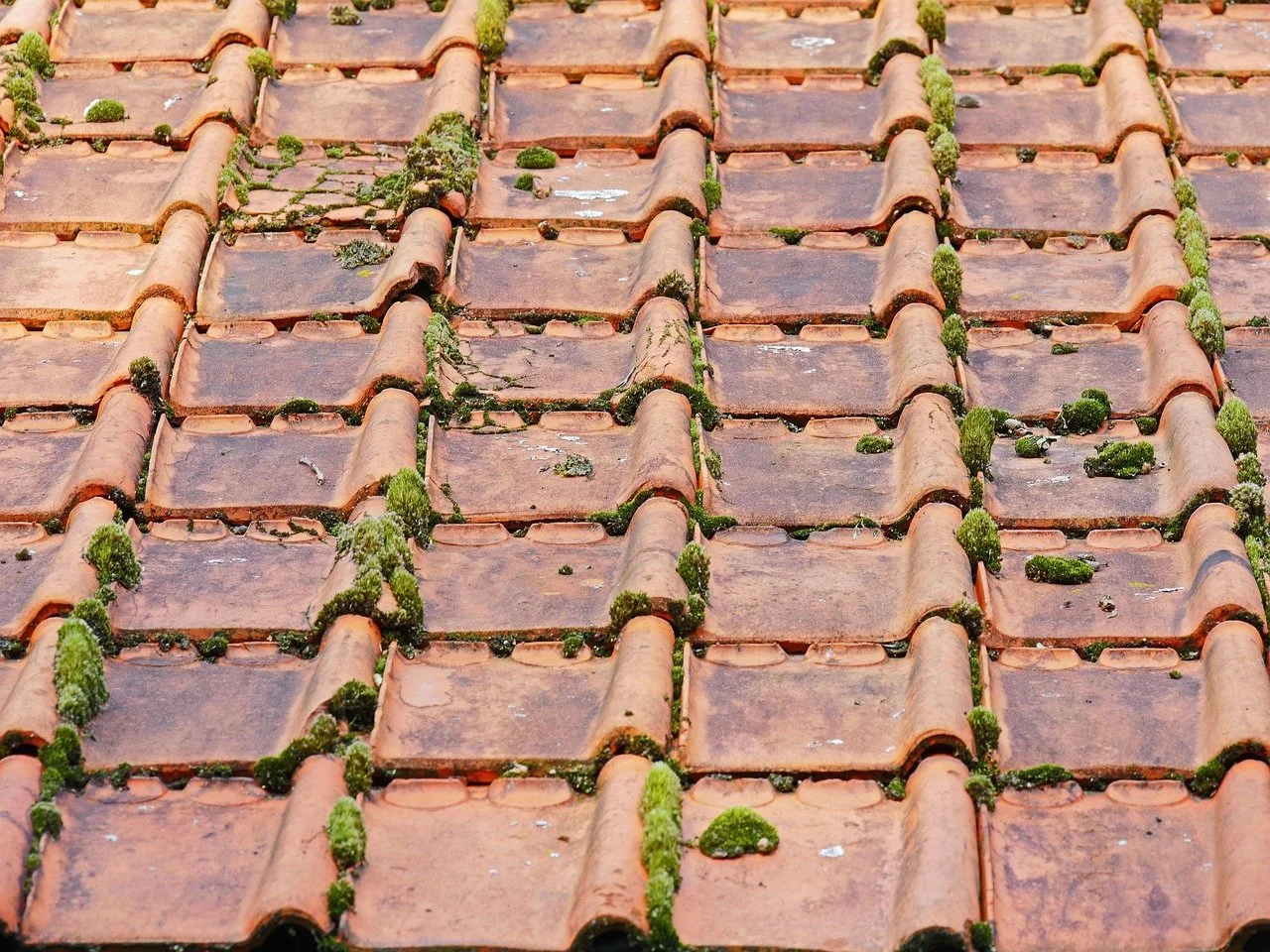
Persistent dampness also encourages the growth of moss and algae, which hold moisture against the surface. This creates a cycle where the roof never fully dries out, speeding up the decay of organic materials. Choosing moisture-resistant underlayment can provide an extra layer of security during those long stretches of wet weather.

High Winds and Flying Debris

Strong winds do more than just blow leaves around; they can exert massive pressure on the edges of your roof. When wind gets underneath a loose shingle, it creates an uplift force that can peel away entire sections. 

Debris like tree branches or loose shingles from neighboring houses can cause physical impact damage. A heavy limb falling during a storm might puncture the roof membrane or crack the supporting rafters. Even smaller sticks and stones can scrape away the protective granules on asphalt shingles, leaving them vulnerable to the sun.

Securing the perimeter of your roof is a great way to combat wind damage. Using high-quality starter strips and ensuring that every nail is driven at the correct angle makes a huge difference. Homeowners should trim overhanging trees to minimize the risk of falling branches during a windy night.

The Danger of Hail Impacts

Hail is a localized but extremely destructive weather event that can ruin a roof in minutes. Depending on the size of the hailstones, the impact can create "bruises" in the shingles that are hard to see from the ground. These bruised areas represent places where the internal fiberglass mat has been fractured.

  • Large hailstones can crack tile or slate roofing.

  • Impact damage often leads to immediate granule loss on asphalt.

  • Metal roofs may suffer from dings and dents that affect aesthetics.

  • Plastic vents and skylights are frequently shattered during hail events.

Repairing hail damage quickly is necessary to prevent water from entering those hidden fractures. Most insurance policies cover hail damage, but claims must usually be filed within a specific timeframe after the storm.

Snow and Ice Accumulation

In colder climates, the weight of snow accumulation poses a significant threat to the structural integrity of a house. A thick layer of wet snow is incredibly heavy and puts a constant strain on the roof trusses. While roofs are built to handle certain loads, consecutive storms without a thaw can lead to dangerous levels of weight.

Ice dams are perhaps the most frustrating winter roofing problem. They form when heat escapes from the attic and melts the snow on the roof, which then refreezes at the cold eaves. This ridge of ice prevents melting snow from draining, forcing the water back up under the shingles and into the walls.

Preventing these issues requires a combination of adequate insulation and proper attic ventilation. Keeping the roof surface at a consistent temperature prevents the melt-and-freeze cycle that creates dams. Using a roof rake to safely remove excess snow can also relieve pressure after a particularly heavy blizzard.

Humidity and Algae Growth

Humidity doesn't hit with the force of a storm, but its long-term effects are just as damaging. In damp environments, microscopic spores land on the roof and begin to grow into dark streaks of algae. While often seen as a cosmetic issue, certain types of algae actually feed on the limestone filler used in many shingles.

High humidity also prevents moisture from evaporating quickly after a morning dew or light mist. This constant state of dampness can cause wood rot in the fascia boards and soffits if the air doesn't circulate. Keeping the area around the roof clear of thick foliage helps improve airflow and reduce moisture buildup.

Zinc or copper strips can be installed at the peak of the roof to combat these biological growths. When it rains, small amounts of these metals wash down the roof and kill off algae or moss spores. 

Fluctuating Temperatures and Expansion

Rapid shifts in temperature can be harder on a roof than a steady season of heat or cold. When the thermometer swings 40 degrees in a single day, every component of the roof expands and contracts at a different rate. 

This mechanical stress can cause seals to break and nails to "back out" of the wood. Once a nail head is exposed, it creates a direct path for water to travel into the attic.

Choosing materials with high elasticity can help mitigate the effects of temperature swings. Some modern synthetic roofing products are engineered to handle extreme cycles without cracking or losing their shape. Regular check-ups after a season of wild temperature fluctuations will help catch these minor shifts before they cause a leak.

https://pixabay.com/photos/old-roof-roof-tiles-barn-moss-roof-2703949/

Maintaining your roof requires a consistent effort to monitor the effects of the local climate. While you cannot control the weather, you can control how prepared your home is to face it. 

Taking care of your roof is an investment in the safety and value of your entire property. By staying aware of the signs of wear - such as missing granules, curled shingles, or clogged gutters - you can stay ahead of the curve. 

5 Reasons Fiber Internet Is the Best Choice for Homes and Businesses in 2026

Digital connectivity has undergone a massive transformation over the past year. In 2026, the average household relies on a complex web of AI tools, smart devices, and high-definition streaming services. Remote work remains the norm, placing greater demands on home networks than ever before. 

Traditional cable connections often struggle to keep up with these rising performance needs. The lag and congestion of older infrastructure create constant frustration for modern users. 

This shift is particularly visible in tech hubs. In cities like Dallas, Texas, the demand for advanced broadband infrastructure has reached an all-time high. Local providers are rapidly expanding fiber networks to support this intense residential and commercial growth.

1. Faster Speeds for Modern Lifestyles

Fiber optics offers a level of speed that traditional copper lines simply cannot match. This technology uses light pulses to transmit data across glass strands. The result is a lightning-fast connection that handles heavy data loads with ease. For remote workers managing large cloud files, this speed is a game-changer. It also supports households where multiple people stream 8K content or games simultaneously. 

Many residents are now specifically looking for Dallas, TX fiber internet to ensure their home offices run without interruptions. Reliable networks from providers like Frontier are expanding fiber services in the Dallas area to meet this surging demand. Higher speeds lead directly to better daily productivity and smoother entertainment experiences for everyone in the building.

2. Greater Reliability for Smart Hubs

Modern optics offer a level of speed that traditional copper lines simply cannot match. This technology uses light pulses to transmit data across glass strands. The result is a lightning-fast connection that handles heavy data loads with ease. For remote workers managing large cloud files, this speed is a game-changer. 

It also supports households where multiple people stream 8K content or games simultaneously. Many residents are now looking specifically for high-speed infrastructure to ensure their home office runs without any hiccups. Reliable networks are expanding services in the local area to meet this surging demand. Higher speeds lead directly to better daily productivity and smoother entertainment experiences for everyone in the building.

3. Symmetrical Upload and Download Speeds

One of the most significant advantages of modern optics is symmetrical speed. Most cable plans offer fast downloads but very slow upload speeds. In 2026, uploading is just as important as downloading. This parity ensures that data flows smoothly in both directions without bottlenecks. High-quality video conferencing, cloud backups, and content creation all require strong upload capabilities. 

Symmetrical speeds mean you can send a massive presentation to a client just as fast as you can download a movie. This balance is essential for modern collaboration tools and real-time data syncing. Reliable uploads prevent the frustrating delays often seen with older copper-based systems. Without strong upload power, your digital presence feels sluggish and outdated.

4. Future-Ready Infrastructure

Investing in fiber is a move toward long-term digital stability. The data demands of AI platforms and the Internet of Things (IoT) continue to grow every month. Fiber infrastructure has the inherent scalability to handle these future increases without needing a complete overhaul. 

It provides the bandwidth necessary for emerging technologies that we are only beginning to integrate into our lives. For expanding businesses, this means the network can grow alongside the company. Choosing this connectivity today ensures you won't need an expensive upgrade in a few years. It is a permanent solution for a world that only gets more data-hungry over time.

5. Lower Latency for Real-Time Performance

Latency refers to the delay between sending a command and receiving a response. Fiber offers the lowest latency in the industry, which is vital for real-time applications. Low lag is a massive advantage for competitive gaming and live-streaming events. 

In a professional setting, low latency makes remote desktop applications feel like the computer is right in front of you. It reduces the "digital friction" that makes online tasks feel heavy or slow. Consistent performance matters more in 2026 because our tools have become more interactive and immediate.

Conclusion

The transition to fiber internet is no longer a luxury; it is a necessity for staying competitive. Fiber provides unmatched speed, reliability, and symmetrical performance that older systems cannot replicate. It offers a scalable foundation for both busy households and growing commercial enterprises. As digital needs continue to evolve, having a light-based connection ensures you stay ahead of the curve. Reliability and low latency are the new standards for any modern workspace. Making the switch today is the best way to support your future digital growth.

Modern HVAC Upgrades That Attract Premium Homebuyers

Luxury homebuyers expect more than granite countertops and hardwood floors. Walk through any high-end property showing in Manhattan or Brooklyn. You'll notice buyers asking detailed questions about heating and cooling systems. They want to know about energy bills, air quality, and temperature control.

The right HVAC improvements can set your property apart in a crowded market. Modern systems offer features that appeal to buyers willing to pay premium prices. These upgrades matter to people who view their home as a long-term investment.

Photo by HUUM  │sauna heaters

Smart Thermostats and Connected Controls

Modern buyers expect homes that work with their existing technology. Smart thermostats do more than adjust temperature from your phone. They learn your daily patterns and optimize energy usage automatically. These devices provide detailed reports that show exactly where your money goes each month.

Automation That Saves Money

Geofencing technology adjusts settings when you leave or return home. This appeals to buyers who travel frequently for work. The system knows when the house is empty. It switches to energy-saving mode without anyone lifting a finger.

Voice control has moved from luxury to standard expectation. Buyers test these features during property tours. They check whether the system responds to Alexa or Google Assistant. Integration with existing smart home platforms often influences purchase decisions. HVAC professionals across North America have tracked these technology preferences for decades, including Handy Bros.

Data Tracking for Conscious Buyers

Environmental reports show your carbon footprint in real time. This matters to buyers who care about sustainability. The data isn't just numbers on a screen. It translates to actual dollar savings and environmental impact over years of ownership.

ENERGY STAR Certification and Efficiency Ratings

Premium buyers research operating costs before making offers. An ENERGY STAR certified HVAC system can cut energy bills by 20% compared to standard models. That percentage adds up over decades of homeownership.

The certification carries weight because it represents independent verification. Buyers recognize the blue label immediately. Properties with certified systems often appraise higher because efficiency improvements reduce ownership costs. Lower monthly bills mean buyers can afford higher mortgage payments.

Understanding SEER Ratings

Seasonal Energy Efficiency Ratio ratings above 16 show superior performance. Higher numbers mean lower monthly costs. This matters when calculating total housing budgets. Showing utility bills from the past year strengthens your position during negotiations.

Variable speed compressors adjust output based on actual needs. Traditional systems run at full blast or not at all. Modern technology finds the sweet spot between comfort and efficiency. Equipment lasts 15 to 20 years when it doesn't work as hard.

Multi-Zone Temperature Control

Different people prefer different temperatures. Multi-zone systems solve this problem without compromise. Each area of your home can maintain its own climate setting independently.

This feature works best for larger properties or homes with distinct living spaces. Parents keep bedrooms cooler for children while maintaining warmer temperatures downstairs. Home offices stay comfortable during work hours without conditioning empty rooms. The technology uses multiple thermostats connected to dampers in the ductwork.

Key benefits of zone control:

  • Independent temperature settings for each area

  • Energy savings from conditioning only occupied spaces

  • No more thermostat arguments between family members

  • Customized comfort that adapts to daily schedules

  • Lower utility bills from targeted heating and cooling

A four-bedroom home might need cooling in just two rooms during weekday mornings. Zone control prevents wasting money on empty bedrooms and bathrooms. Buyers calculate these savings when comparing properties. The feature distinguishes premium listings from standard offerings.

Advanced Air Filtration Systems

Air quality concerns have grown significantly among homebuyers over recent years. Properties equipped with HEPA filtration or UV purification systems address real health priorities. These aren't just nice extras anymore.

Medical-Grade Filtration

HEPA filters capture particles as small as 0.3 microns. That includes pollen, dust mites, and pet dander. Buyers with allergies or asthma need cleaner indoor air. The health benefits justify higher property prices for families with young children.

UV light systems installed in ductwork eliminate bacteria and viruses. They also kill mold spores before they circulate through your home. These additions transform basic HVAC into comprehensive air quality management. Buyers who research these features signal serious interest during property tours.

Humidity Control Systems

Whole-home humidification and dehumidification maintain optimal moisture levels year-round. Too much humidity encourages mold growth and damages wood furniture. Too little causes dry skin and respiratory problems. Automated systems balance these factors without constant adjustments.

Regular maintenance records add measurable value during negotiations. Documentation showing quarterly filter changes proves responsible ownership. Professional servicing reports demonstrate the system received proper care. This paperwork influences buyer confidence when making final decisions.

Quiet Operation Technology

Noise from heating and cooling disrupts sleep and concentration. Modern equipment designed for quiet operation solves this problem through better insulation. Advanced fan designs make a significant difference too.

What quiet operation means in practice:

  • Decibel ratings below 60 during normal operation

  • No disruption to sleep or work activities

  • Sound blankets around outdoor compressors

  • Vibration-dampening mounts on all equipment

  • Variable speed handlers that eliminate air rush

Older units generate 75 decibels or more during operation. That's similar to a running dishwasher in the next room. The difference becomes obvious during property showings when systems cycle on. Buyers notice immediately.

Sound blankets wrapped around compressors reduce outdoor noise significantly. This matters in dense urban environments where units sit on rooftops. Neighbors appreciate quiet equipment that doesn't violate noise ordinances. Some cities have strict regulations about mechanical noise levels.

Variable speed air handlers maintain gentle, consistent airflow throughout your home. They eliminate the sudden rush that announces temperature changes. Rooms stay comfortable without dramatic fluctuations. This smooth operation appeals to buyers sensitive to environmental changes.

Photo by suhel vba

Property Value and Market Position

Buyers making seven-figure real estate decisions expect every system to meet current standards. Outdated HVAC equipment raises red flags about overall property maintenance. Current systems signal responsible ownership and reduce concerns about immediate replacement costs.

Professional energy audits provide documentation that supports asking prices. These reports detail system efficiency and expected lifespan. They project operating costs based on actual performance data. Buyers use this information to understand value beyond the purchase price.

Transferable Warranties Add Value

A system with 15 years remaining on warranty reduces buyer risk substantially. This coverage often becomes a negotiating point that justifies higher offers. Transferable warranties provide peace of mind that money can't buy. Buyers know they won't face unexpected replacement costs for over a decade.

Marketing materials should highlight specific HVAC features rather than vague mentions. List the SEER rating, filtration capabilities, and smart controls as premium amenities. Buyers searching for properties with specific requirements find listings that detail these upgrades. Generic descriptions get ignored in competitive markets.

The best systems operate invisibly while maintaining perfect comfort. They don't draw attention to themselves through noise or temperature swings. Properties that achieve this standard attract buyers willing to pay premium prices. Modern HVAC has become a selling point rather than an afterthought.