Modern HVAC Upgrades That Attract Premium Homebuyers
Luxury homebuyers expect more than granite countertops and hardwood floors. Walk through any high-end property showing in Manhattan or Brooklyn. You'll notice buyers asking detailed questions about heating and cooling systems. They want to know about energy bills, air quality, and temperature control.
The right HVAC improvements can set your property apart in a crowded market. Modern systems offer features that appeal to buyers willing to pay premium prices. These upgrades matter to people who view their home as a long-term investment.
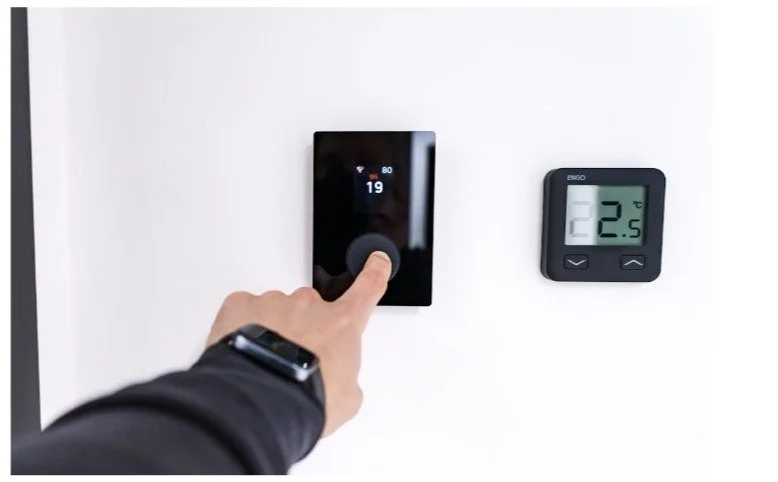
Photo by HUUM │sauna heaters
Smart Thermostats and Connected Controls
Modern buyers expect homes that work with their existing technology. Smart thermostats do more than adjust temperature from your phone. They learn your daily patterns and optimize energy usage automatically. These devices provide detailed reports that show exactly where your money goes each month.
Automation That Saves Money
Geofencing technology adjusts settings when you leave or return home. This appeals to buyers who travel frequently for work. The system knows when the house is empty. It switches to energy-saving mode without anyone lifting a finger.
Voice control has moved from luxury to standard expectation. Buyers test these features during property tours. They check whether the system responds to Alexa or Google Assistant. Integration with existing smart home platforms often influences purchase decisions. HVAC professionals across North America have tracked these technology preferences for decades, including Handy Bros.
Data Tracking for Conscious Buyers
Environmental reports show your carbon footprint in real time. This matters to buyers who care about sustainability. The data isn't just numbers on a screen. It translates to actual dollar savings and environmental impact over years of ownership.
ENERGY STAR Certification and Efficiency Ratings
Premium buyers research operating costs before making offers. An ENERGY STAR certified HVAC system can cut energy bills by 20% compared to standard models. That percentage adds up over decades of homeownership.
The certification carries weight because it represents independent verification. Buyers recognize the blue label immediately. Properties with certified systems often appraise higher because efficiency improvements reduce ownership costs. Lower monthly bills mean buyers can afford higher mortgage payments.
Understanding SEER Ratings
Seasonal Energy Efficiency Ratio ratings above 16 show superior performance. Higher numbers mean lower monthly costs. This matters when calculating total housing budgets. Showing utility bills from the past year strengthens your position during negotiations.
Variable speed compressors adjust output based on actual needs. Traditional systems run at full blast or not at all. Modern technology finds the sweet spot between comfort and efficiency. Equipment lasts 15 to 20 years when it doesn't work as hard.
Multi-Zone Temperature Control
Different people prefer different temperatures. Multi-zone systems solve this problem without compromise. Each area of your home can maintain its own climate setting independently.
This feature works best for larger properties or homes with distinct living spaces. Parents keep bedrooms cooler for children while maintaining warmer temperatures downstairs. Home offices stay comfortable during work hours without conditioning empty rooms. The technology uses multiple thermostats connected to dampers in the ductwork.
Key benefits of zone control:
Independent temperature settings for each area
Energy savings from conditioning only occupied spaces
No more thermostat arguments between family members
Customized comfort that adapts to daily schedules
Lower utility bills from targeted heating and cooling
A four-bedroom home might need cooling in just two rooms during weekday mornings. Zone control prevents wasting money on empty bedrooms and bathrooms. Buyers calculate these savings when comparing properties. The feature distinguishes premium listings from standard offerings.
Advanced Air Filtration Systems
Air quality concerns have grown significantly among homebuyers over recent years. Properties equipped with HEPA filtration or UV purification systems address real health priorities. These aren't just nice extras anymore.
Medical-Grade Filtration
HEPA filters capture particles as small as 0.3 microns. That includes pollen, dust mites, and pet dander. Buyers with allergies or asthma need cleaner indoor air. The health benefits justify higher property prices for families with young children.
UV light systems installed in ductwork eliminate bacteria and viruses. They also kill mold spores before they circulate through your home. These additions transform basic HVAC into comprehensive air quality management. Buyers who research these features signal serious interest during property tours.
Humidity Control Systems
Whole-home humidification and dehumidification maintain optimal moisture levels year-round. Too much humidity encourages mold growth and damages wood furniture. Too little causes dry skin and respiratory problems. Automated systems balance these factors without constant adjustments.
Regular maintenance records add measurable value during negotiations. Documentation showing quarterly filter changes proves responsible ownership. Professional servicing reports demonstrate the system received proper care. This paperwork influences buyer confidence when making final decisions.
Quiet Operation Technology
Noise from heating and cooling disrupts sleep and concentration. Modern equipment designed for quiet operation solves this problem through better insulation. Advanced fan designs make a significant difference too.
What quiet operation means in practice:
Decibel ratings below 60 during normal operation
No disruption to sleep or work activities
Sound blankets around outdoor compressors
Vibration-dampening mounts on all equipment
Variable speed handlers that eliminate air rush
Older units generate 75 decibels or more during operation. That's similar to a running dishwasher in the next room. The difference becomes obvious during property showings when systems cycle on. Buyers notice immediately.
Sound blankets wrapped around compressors reduce outdoor noise significantly. This matters in dense urban environments where units sit on rooftops. Neighbors appreciate quiet equipment that doesn't violate noise ordinances. Some cities have strict regulations about mechanical noise levels.
Variable speed air handlers maintain gentle, consistent airflow throughout your home. They eliminate the sudden rush that announces temperature changes. Rooms stay comfortable without dramatic fluctuations. This smooth operation appeals to buyers sensitive to environmental changes.
Photo by suhel vba
Property Value and Market Position
Buyers making seven-figure real estate decisions expect every system to meet current standards. Outdated HVAC equipment raises red flags about overall property maintenance. Current systems signal responsible ownership and reduce concerns about immediate replacement costs.
Professional energy audits provide documentation that supports asking prices. These reports detail system efficiency and expected lifespan. They project operating costs based on actual performance data. Buyers use this information to understand value beyond the purchase price.
Transferable Warranties Add Value
A system with 15 years remaining on warranty reduces buyer risk substantially. This coverage often becomes a negotiating point that justifies higher offers. Transferable warranties provide peace of mind that money can't buy. Buyers know they won't face unexpected replacement costs for over a decade.
Marketing materials should highlight specific HVAC features rather than vague mentions. List the SEER rating, filtration capabilities, and smart controls as premium amenities. Buyers searching for properties with specific requirements find listings that detail these upgrades. Generic descriptions get ignored in competitive markets.
The best systems operate invisibly while maintaining perfect comfort. They don't draw attention to themselves through noise or temperature swings. Properties that achieve this standard attract buyers willing to pay premium prices. Modern HVAC has become a selling point rather than an afterthought.