The Impact of Weather On Roof Longevity
Your roof acts as a primary shield against the elements, standing between your family and the unpredictable forces of nature. Every season brings unique challenges that can slowly wear down even the most durable materials.
Understanding how different weather patterns affect your shingles or metal panels is the first step in long-term home maintenance. Small issues often remain hidden until a major storm exposes a leak or structural weakness. By learning about these environmental stressors, you can take proactive steps to extend the life of your roof and avoid expensive emergency repairs.
https://unsplash.com/photos/a-man-with-a-hammer-on-top-of-a-roof-GXITWKvgm-k
Intense Sun and UV Exposure
Consistent exposure to ultraviolet rays is one of the most common causes of roof degradation. Even on cloudy days, these rays penetrate the surface and cause materials like asphalt shingles to become brittle. This process - known as thermal shock - happens when the roof heats up during the day and cools rapidly at night.
Regular inspections help ensure that your cooling costs stay low and your home stays dry. Finding a reliable roofing company in NC is a smart move for homeowners dealing with high humidity and heat. Expert contractors can identify early signs of sun damage before they turn into leaks.
Heat causes materials to expand and contract, which can lead to cracks or curling at the edges of the shingles. Modern materials are designed to reflect more light, but the sun eventually wins the battle against any exposed surface.
Heavy Rain and Moisture Infiltration
Water is the natural enemy of any building, and your roof is the first line of defense against heavy downpours. When rain falls consistently, it searches for any small gap, loose nail, or cracked seal to enter your home. Once moisture gets under the shingles, it can rot the wooden decking and create a breeding ground for mold.
Proper drainage is vital for keeping a roof healthy during the rainy season. Gutters and downspouts must stay clear of debris to prevent water from backing up under the eaves. If water pools on a flat or low-slope roof, the weight alone can cause structural stress that leads to sagging.
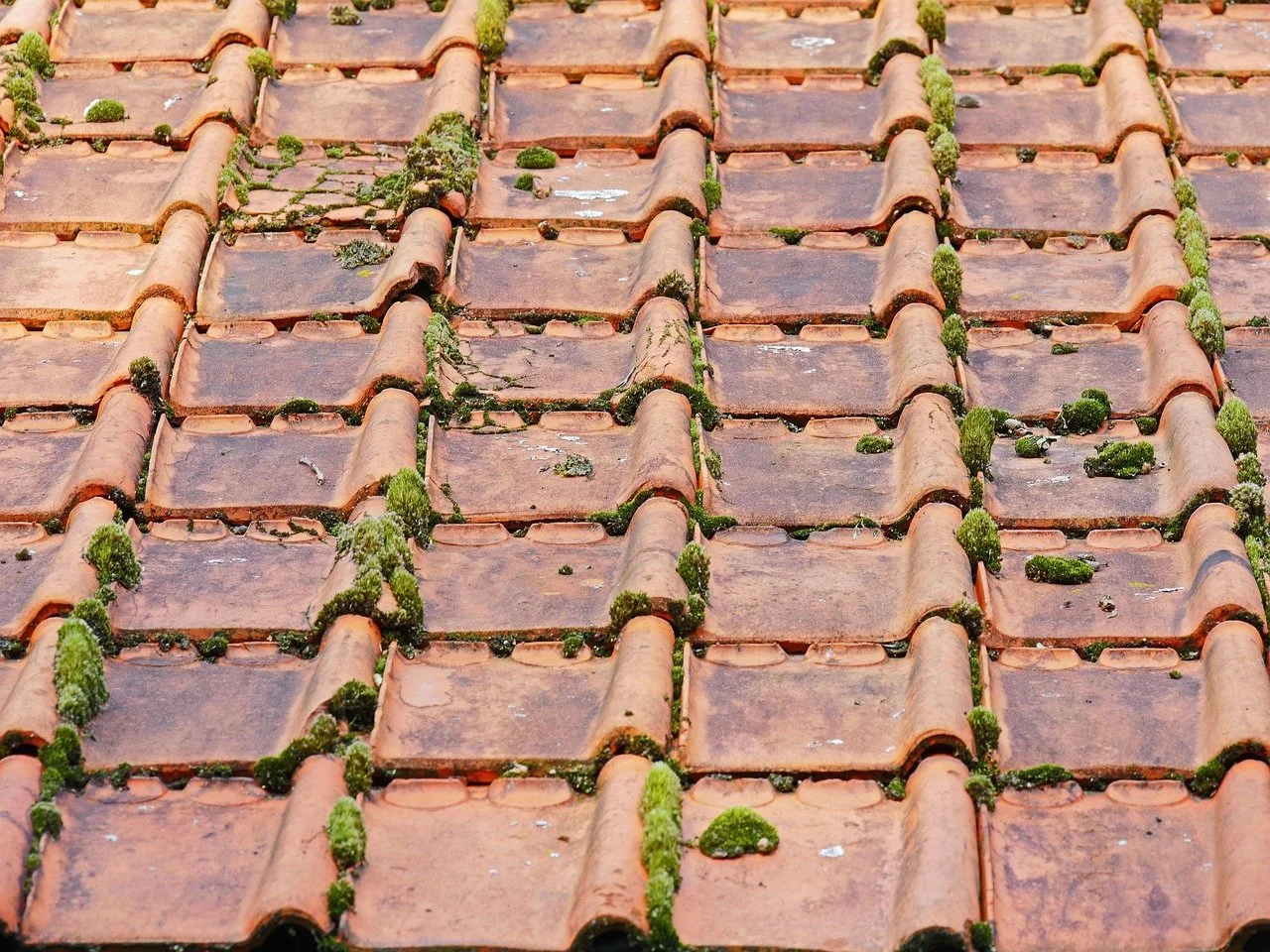
Persistent dampness also encourages the growth of moss and algae, which hold moisture against the surface. This creates a cycle where the roof never fully dries out, speeding up the decay of organic materials. Choosing moisture-resistant underlayment can provide an extra layer of security during those long stretches of wet weather.
High Winds and Flying Debris
Strong winds do more than just blow leaves around; they can exert massive pressure on the edges of your roof. When wind gets underneath a loose shingle, it creates an uplift force that can peel away entire sections.
Debris like tree branches or loose shingles from neighboring houses can cause physical impact damage. A heavy limb falling during a storm might puncture the roof membrane or crack the supporting rafters. Even smaller sticks and stones can scrape away the protective granules on asphalt shingles, leaving them vulnerable to the sun.
Securing the perimeter of your roof is a great way to combat wind damage. Using high-quality starter strips and ensuring that every nail is driven at the correct angle makes a huge difference. Homeowners should trim overhanging trees to minimize the risk of falling branches during a windy night.
The Danger of Hail Impacts
Hail is a localized but extremely destructive weather event that can ruin a roof in minutes. Depending on the size of the hailstones, the impact can create "bruises" in the shingles that are hard to see from the ground. These bruised areas represent places where the internal fiberglass mat has been fractured.
Large hailstones can crack tile or slate roofing.
Impact damage often leads to immediate granule loss on asphalt.
Metal roofs may suffer from dings and dents that affect aesthetics.
Plastic vents and skylights are frequently shattered during hail events.
Repairing hail damage quickly is necessary to prevent water from entering those hidden fractures. Most insurance policies cover hail damage, but claims must usually be filed within a specific timeframe after the storm.
Snow and Ice Accumulation
In colder climates, the weight of snow accumulation poses a significant threat to the structural integrity of a house. A thick layer of wet snow is incredibly heavy and puts a constant strain on the roof trusses. While roofs are built to handle certain loads, consecutive storms without a thaw can lead to dangerous levels of weight.
Ice dams are perhaps the most frustrating winter roofing problem. They form when heat escapes from the attic and melts the snow on the roof, which then refreezes at the cold eaves. This ridge of ice prevents melting snow from draining, forcing the water back up under the shingles and into the walls.
Preventing these issues requires a combination of adequate insulation and proper attic ventilation. Keeping the roof surface at a consistent temperature prevents the melt-and-freeze cycle that creates dams. Using a roof rake to safely remove excess snow can also relieve pressure after a particularly heavy blizzard.
Humidity and Algae Growth
Humidity doesn't hit with the force of a storm, but its long-term effects are just as damaging. In damp environments, microscopic spores land on the roof and begin to grow into dark streaks of algae. While often seen as a cosmetic issue, certain types of algae actually feed on the limestone filler used in many shingles.
High humidity also prevents moisture from evaporating quickly after a morning dew or light mist. This constant state of dampness can cause wood rot in the fascia boards and soffits if the air doesn't circulate. Keeping the area around the roof clear of thick foliage helps improve airflow and reduce moisture buildup.
Zinc or copper strips can be installed at the peak of the roof to combat these biological growths. When it rains, small amounts of these metals wash down the roof and kill off algae or moss spores.
Fluctuating Temperatures and Expansion
Rapid shifts in temperature can be harder on a roof than a steady season of heat or cold. When the thermometer swings 40 degrees in a single day, every component of the roof expands and contracts at a different rate.
This mechanical stress can cause seals to break and nails to "back out" of the wood. Once a nail head is exposed, it creates a direct path for water to travel into the attic.
Choosing materials with high elasticity can help mitigate the effects of temperature swings. Some modern synthetic roofing products are engineered to handle extreme cycles without cracking or losing their shape. Regular check-ups after a season of wild temperature fluctuations will help catch these minor shifts before they cause a leak.
https://pixabay.com/photos/old-roof-roof-tiles-barn-moss-roof-2703949/
Maintaining your roof requires a consistent effort to monitor the effects of the local climate. While you cannot control the weather, you can control how prepared your home is to face it.
Taking care of your roof is an investment in the safety and value of your entire property. By staying aware of the signs of wear - such as missing granules, curled shingles, or clogged gutters - you can stay ahead of the curve.