Can Lemon Balm Tea Improve the Efficacy of Topical Dark Spot Treatments?

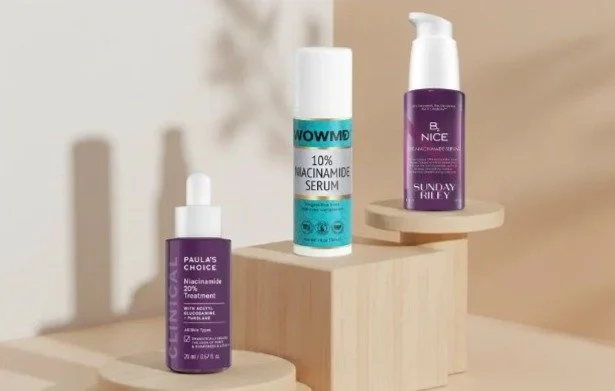
irritation and reducing redness. When it comes to stubborn dark spots and hyperpigmentation, many turn to topical treatments like serums or dark spot corrector cream for targeted care. Current evidence suggests that drinking lemon balm tea may help support the skin’s overall health but does not directly enhance the effect of topical dark spot treatments.

The antioxidants and anti-inflammatory properties found in lemon balm could offer some indirect benefits, possibly making the skin more receptive to topical products by maintaining a balanced and calmer complexion. However, consistent use of products specifically formulated to treat dark spots is still the most reliable approach. People interested in natural remedies may consider adding lemon balm tea to their routine, but it should not replace proven topical treatments.

Key Takeaways

  • Lemon balm tea may support skin health but does not directly boost topical dark spot treatments.

  • Antioxidants and calming effects of lemon balm can complement a skincare routine.

  • Topical dark spot corrector creams remain the most effective for treating hyperpigmentation.

The Science Behind Lemon Balm Tea and Dark Spot Treatments

Lemon balm (Melissa officinalis), a member of the mint family, contains several bioactive compounds that have attracted attention for their effects on skin health. The role of lemon balm tea and extracts in skincare may relate to these compounds’ antioxidant, anti-inflammatory, and antibacterial properties, which are commonly referenced in traditional medicine and modern skin therapy research.

Lemon Balm’s Active Compounds and Their Effects on Skin

Lemon balm leaves are rich in rosmarinic acid, caffeic acid, flavonoids, and essential oils. These compounds give the herb its antioxidant and natural antibacterial qualities. Studies suggest that rosmarinic acid helps limit oxidative stress in skin cells, which is often linked to dark spot formation and uneven skin texture. Antibacterial components may benefit those with acne-prone skin, reducing the likelihood of post-inflammatory hyperpigmentation. Some skincare enthusiasts combine lemon balm with honey or plain yogurt to create at-home masks. Such combinations use the soothing and protective nature of lemon balm to calm irritated or sensitive skin.

Potential Synergy Between Lemon Balm Tea and Topical Ingredients

Drinking lemon balm tea introduces antioxidants systemically, which might indirectly support the skin’s defense against oxidative damage that causes dark spots. For topical use, lemon balm extract can be combined with standard treatments—such as Vitamin C, niacinamide, or hydroquinone—to complement their effects. Potential synergy relies on layering or alternating natural remedies like lemon balm with proven topical agents, which can reduce skin irritation and boost overall treatment tolerance.

Antioxidant and Anti-Inflammatory Properties in Skin Care

Lemon balm’s antioxidant properties help neutralize free radicals—unstable molecules that break down collagen and trigger hyperpigmentation. This capacity is especially relevant for those exposed to environmental stressors that worsen dark spots. The anti-inflammatory effects of Melissa officinalis reduce redness, swelling, and irritation. This can limit the intensity of post-inflammatory hyperpigmentation by keeping skin calmer during acne breakouts or after cosmetic treatments.

Used consistently, natural remedies such as lemon balm tea or topical applications may help support skin appearance and resilience when paired with established dark spot therapies. The inclusion of lemon balm in skin care routines emphasizes its long-standing role in both traditional medicine and modern formulations.

Factors Affecting the Efficacy of Combining Lemon Balm Tea with Topical Treatments

The success of combining lemon balm tea with topical dark spot treatments depends on how well the beneficial compounds interact with the skin, the type and strength of formulations in use, and individual skin sensitivities. Optimizing results also involves considering hydration, skin protection, and compatibility with established depigmenting agents.

Absorption and Bioavailability of Skin-Beneficial Compounds

For any herbal supplement like lemon balm tea to influence topical treatments for dark spots, its active components—such as rosmarinic acid and flavonoids—must be sufficiently absorbed and circulated within the body. This is affected by both the concentration of bioactive compounds in each cup of tea and the frequency of consumption.

Bioavailability from tea infusions tends to be lower compared to concentrated extracts. When consumed orally, antioxidants from lemon balm may offer mild systemic benefits like supporting skin hydration and defending against oxidative stress, both of which can complement topical agents such as vitamin C, glycolic acid, or niacinamide.

Role of Concentration and Formulation

The effectiveness of dark spot regimens is influenced by the concentration and formulation of both lemon balm tea and the topical products. A standard cup of lemon balm tea provides a gentle dose of active phytochemicals, but not enough alone to rival topical treatments like hydroquinone, kojic acid, or chemical peels known to suppress melanin production more directly.

Topical formulations—such as gels for acne-related blemishes, serums for sun spots or melasma, or creams and lotions—vary in penetration and targeted delivery. Combining an oral supplement with a topical product may provide additive benefits, but careful selection is needed. For example, using a serum with stabilized vitamin C following lemon balm tea may promote even skin tone and protect against further sun damage.

Conclusion

Lemon balm tea shows potential as a supportive supplement when used alongside topical dark spot treatments. Its antioxidants and anti-inflammatory compounds may help protect the skin from environmental stressors and promote a calmer, more even appearance. Current studies suggest possible benefits but do not yet provide direct evidence that lemon balm tea improves the results of topical products for hyperpigmentation.

DIY Spa Day: A Guide To Self-Care At Home

Key Takeaways -

  • Creating a spa day experience at home can be as luxurious and restorative as going to an actual spa.

  • The right supplies and setting are essential for getting the most out of your DIY spa day.

  • Aromatherapy, facial rituals, massage techniques and yoga poses can all be implemented in your own environment.

Self-care is essential for relieving stress, rejuvenating energy and restoring your overall well-being. But when life gets busy, it can be difficult to make time for treatments such as spa day visits that promote relaxation and help you clear up your mind.

The good news is that achieving tranquility and self-care doesn't require a trip—it's all possible in the comfort of your own home. With only a few items and simple instructions, you can create your own DIY spa day to release tension, ease stress and boost your mood.

This guide covers everything you need to know about creating the perfect home spa experience for yourself. From setting the mood to luxuriating in a refreshing bath, these simple tips will ensure you get all the benefits of a professional spa treatment without sacrificing quality or convenience.

Setting The Mood For A DIY Spa Day

Creating the right atmosphere is essential for a successful DIY spa day. Start by dimming the lights and playing soothing music to create a relaxed environment that helps you unwind.

To further enhance your experience, consider adding aroma therapy with essential oils or incense and candles and soft lighting to set the mood. You can also use colorful pillows, blankets and cushions to make your space more inviting.

Finally, light an aromatherapy candle or diffuse some essential oils to fill the room with a pleasant fragrance. With these simple steps, you can easily create the perfect atmosphere for a blissful spa day at home.

Gather The Supplies Needed For Your DIY Spa Day

Gathering all the supplies you need for your DIY spa day is essential. Start by ensuring you have everything on hand, such as a bath mat, towels and candles. You'll also want to make sure to have items like face masks, body scrubs and lotions for your facial and skin care rituals.

Other items such as aromatherapy oils, bath salts and Epsom salt can add to the relaxation of your spa experience. Finally, don’t forget to bring out any massage tools you may need, such as foam rollers or lacrosse balls.

Pro Tip: Use a basket or tray to keep all your supplies in one place for easy access.

Aromatherapy: Creating The Perfect Atmosphere

Aromatherapy is a great way to make the most of your DIY spa day. Essential oils are known for their therapeutic properties and can be used to create a peaceful atmosphere that helps you relax and focus on self-care.

Choose fragrances you like and diffuse them around the room or add some drops to your bathwater. You can also use them to create a calming massage oil or body scrub to help you achieve maximum relaxation.

Facial Rituals To Rejuvenate And Refresh

Facial rituals are a great way to pamper your skin and promote relaxation during your DIY spa day. Start by steaming the face with hot water or using a warm washcloth to open up pores and remove impurities from the skin.

Then, apply a facial scrub or mask of your choice for extra exfoliation and nourishment. To finish, use a moisturizer and a few drops of essential oil to help keep your skin hydrated and glowing.

Pro Tip: Use a jade roller to help increase circulation and absorption of your facial products.

Massage Techniques To Relax And Unwind 

Massage is an excellent way to reduce tension and stress during your DIY spa day. Here are some massage techniques you can do to yourself to help you relax and unwind:

  • Use long, gentle strokes to massage the muscles on your neck and back.

  • Place a tennis ball under one foot and roll it gently across the arch of your foot to help relieve tension.

  • Gently massage your scalp and temples to release built-up tension.

  • Use light, circular motions on the face to help reduce puffiness and promote a healthy glow.

If you're ready to take your at-home spa day to the next level, consider adding steam showers to your bathroom. At Posh

, you can find a wide range of steam showers to fit any budget and style. Browse our selection today and start your journey to ultimate relaxation!

Frequently Asked Questions

Where Do I Use Epsom Salt?

Epsom salt is a mineral that can be used in various ways. You can add it to your bathwater for added relaxation or use it as an exfoliating scrub on the skin. It's also great for relieving sore muscles and promoting healthy circulation.

Can I Make My Own Essential Oil?

Yes, you can make your own essential oils at home. All you need is dried herbs and a few drops of carrier oil. Simply add the herbs to the carrier oil and let it sit for two weeks before straining and using it in your DIY spa day activities.

Conclusion

Creating a DIY spa day at home is a great way to relax and unwind. With the right supplies, aromatherapy, facial rituals, massage techniques and meditative practices, you can easily create a blissful atmosphere for self-care and rejuvenation.

With a few simple steps and the right items on hand, you can have an amazing DIY spa day that will leave you feeling refreshed and rejuvenated.

How Salt Facials Perfectly Improve LED Light Therapy for Skin Rejuvenation

The beauty industry continues to advance, offering innovative treatments for skin rejuvenation. Among the most popular options, salt facials and LED light therapy stand out for their effectiveness. Salt facials harness the natural exfoliating power of salt, while LED therapy uses specific light wavelengths to target various skin concerns. Together, these treatments combine traditional methods with modern science, becoming staples in many skincare routines. For those seeking healthier, more radiant skin, understanding how these two approaches complement each other is a must.

These skin rejuvenation treatments work well together. Salt facials cleanse and exfoliate the skin, removing dead cells and debris to create a clean surface. This prepares the skin to absorb the full benefits of LED therapy, which can then penetrate deeper and deliver its rejuvenating effects. Using both techniques improves their individual benefits, offering a more efficient path to glowing skin.

The Basics of Salt Facials

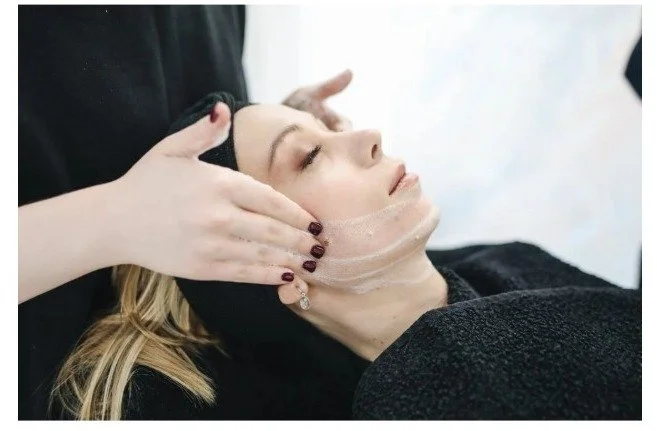
Salt facials use mineral-rich salt to gently exfoliate the skin, leaving it refreshed and purified. The treatment typically starts with a salt scrub that removes dead skin cells, revealing a smoother, more radiant surface. Additional ingredients like oils or masks are often included to boost hydration and nourishment. Along with cleansing the skin, salt facials improve circulation, promoting a natural glow and healthier-looking skin.

Salt offers more than just exfoliation. Its antibacterial properties help clarify the skin and reduce minor blemishes, making it a great choice for those with acne-prone skin or uneven texture. By exfoliating, salt facials prepare the skin to absorb other treatments more effectively, such as LED light therapy. Together, these treatments combine the natural benefits of salt with advanced technology to improve skin health and appearance.

LED Light Therapy Explained

LED light therapy uses specific wavelengths of light to target various skin concerns, including aging, acne, and uneven pigmentation. Each wavelength reaches different layers of the skin, addressing specific issues. For instance, red light boosts collagen production and reduces inflammation, making it great for anti-aging. Blue light focuses on acne by eliminating bacteria, helping to clear breakouts and prevent new ones. Other wavelengths are designed to tackle unique skin problems, offering tailored solutions.

LED therapy does more than just treat skin issues—it promotes healing and rejuvenation without the recovery time of invasive procedures. Sessions are painless and typically last 15 to 30 minutes, making them easy to fit into a beauty routine. Many people notice improved skin texture and clarity after just a few treatments.

The Synergy of Salt Facials and LED Light Therapy

Salt facials and LED light therapy work together to boost skin health and vitality. The exfoliation from salt facials removes dead skin cells, debris, and impurities, creating the perfect surface for LED light to penetrate deeper into the skin. This synergy allows the light to work more effectively, maximizing the benefits of both treatments.

By combining these methods, you can see noticeable improvements in skin health. Better light penetration helps stimulate collagen production, reduce inflammation, and improve circulation. Together, these treatments rejuvenate the skin, leaving it nourished and radiant. This powerful combination blends traditional techniques with modern technology, offering an effective path to clear, youthful skin.

Choosing the Right Treatment for Your Skin Type

Understanding your skin type is essential for tailoring your skincare routine. Whether your skin is oily, dry, combination, or sensitive, each type reacts differently to treatments. For example, oily skin often benefits from salt facials because salt helps purify and balance excess oil, clearing breakouts and reducing future blemishes. On the other hand, dry skin might find the exfoliation from a salt facial too harsh without adequate hydration afterward. In such cases, LED light therapy offers a gentler option, nourishing the skin while promoting overall health without causing irritation.

Skin sensitivity is another important factor to consider. While salt facials are generally safe, they may not be suitable for very sensitive skin, which could respond better to the gentle, customizable approach of LED light therapy. Consulting a professional or performing a patch test can help determine the most suitable treatment.

Aftercare and Maintenance for Lasting Results

Aftercare is key to maintaining the benefits of salt facials and LED light therapy. Following a session, skin may feel sensitive and needs gentle care. Washing your face with a mild cleanser removes residue without drying out the skin. Applying a soothing moisturizer afterward helps lock in hydration and keep the skin comfortable. Avoiding harsh exfoliants for a few days protects the skin’s sensitivity and supports healing.

Simple lifestyle habits can extend the results. Staying hydrated keeps the skin healthy, and using sunscreen shields it from sun damage. Avoiding direct sun exposure, especially in the first week after treatment, gives the skin time to recover. Eating antioxidant-rich foods can also strengthen the skin and promote a radiant look.

Achieving radiant skin starts with smart choices, and combining salt facials with LED light therapy offers a powerful option. These treatments complement each other, boosting the overall effectiveness of skin rejuvenation. By pairing the exfoliating benefits of salt with the targeted care of LED light therapy, many people see noticeable improvements in their complexion. This combined approach promotes healthier, glowing skin, often delivering results that exceed expectations. Taking care of your skin now can lead to a refreshed, revitalized appearance and unlock your skin’s full potential for lasting beauty.