The Impact of Early Care on Injury Outcomes

A serious injury changes life in a single moment. One second you feel safe and in control, the next second you face pain, confusion, and a wave of urgent decisions. In those first minutes and hours, every choice shapes the path that follows. Early care affects healing speed, long-term function, pain levels, and even financial stability.

Quick action does not only belong in dramatic emergency scenes. It covers basic steps such as calling for help, seeking a prompt medical exam, following early treatment plans, and protecting your legal rights. Together, those steps turn a chaotic event into a managed process that supports the best possible outcome.

Why Time Matters After an Injury

The body reacts to trauma with bleeding, swelling, and chemical changes. Early care aims to control those reactions before they create a chain of complications. Emergency teams focus on airway, breathing, and circulation first, then on stabilizing broken bones and open wounds. When this sequence happens quickly, tissues receive more oxygen, nerves stay protected, and the risk of permanent damage drops.

Doctors often talk about a “golden hour” for severe trauma. Treatment within that window can reduce death rates and long-term disability, especially after head injuries, major bleeding, or chest trauma. Even in less dramatic cases, fast attention helps. A joint sprain that receives rest, ice, compression, and elevation on day one often heals faster than the same injury ignored for a week. 

Early Evaluation and Legal Support

After many accidents, medical decisions arrive alongside questions about insurance, fault, and costs. Serious crashes on the water create unique risks such as drowning injuries and traumatic impact. Injury victims in coastal communities often contact a Fort Lauderdale boat accident lawyer to understand their rights while medical teams focus on the physical damage. Early legal guidance supports access to specialists and keeps treatment records organized.

Prompt evaluation in an emergency department or urgent care clinic sets a baseline for everything that follows. Doctors record vital signs, visible injuries, and patient history. That record helps later providers track progress and spot complications such as infection, blood clots, or delayed concussion symptoms. 

Stabilization and Pain Control

Stabilization means more than stopping bleeding. It includes securing the neck and spine, supporting fractures, and preventing further strain. When teams stabilize the body early, they protect delicate structures and avoid secondary damage that can occur during transport or early movement. This step plays a large role in outcomes after spinal injuries, hip fractures, and complex joint trauma.

Effective pain control forms another pillar of early care. High pain levels raise heart rate, blood pressure, and stress hormones, which interfere with healing. Thoughtful use of medication, icing, and positioning calms the nervous system and allows patients to rest. With pain managed, people follow instructions more easily, breathe deeply, and move safely when nurses and therapists ask them to sit, stand, or walk. 

Diagnostic Testing and Hidden Damage

Not every serious injury appears on the surface. Internal bleeding, small fractures, and brain injuries may stay hidden at first. Early imaging and lab work help doctors uncover these issues before they progress. X-rays, CT scans, and MRIs reveal fractures, organ damage, and bleeding inside the skull, while blood tests show infection markers, organ function, and clotting status.

When teams catch hidden problems early, they can operate, immobilize, or adjust medication before the condition worsens. A small bleed in the brain, for instance, might receive monitoring and targeted treatment that prevents dangerous swelling. A hairline fracture that receives a brace or boot on day one often heals cleanly without the joint collapse that might follow weeks of unprotected use. 

Rehabilitation That Starts on Day One

Rehabilitation does not wait for casts to come off or stitches to dissolve. In many cases, therapists begin gentle exercises, breathing drills, and movement training within hours or days. These early sessions protect flexibility, strength, and coordination. They teach patients how to move safely during daily tasks such as getting out of bed, using the bathroom, or climbing a step.

Muscles weaken quickly without use, and joints stiffen when they stay still for long periods. Early rehab slows that decline. Simple ankle pumps, hand squeezes, and bed mobility drills keep the body engaged and prepare it for later, more intense therapy. 

Psychological Recovery and Family Roles

Injury affects the mind along with the body. Shock, fear, anger, and sadness all appear in the first days after a serious event. Early psychological care makes a clear difference. Short bedside conversations with mental health professionals, supportive nurses, and social workers help patients name their feelings and learn basic coping tools. This support reduces the risk of lingering anxiety, depression, or post-traumatic stress symptoms.

Family members play a key role from the beginning. They gather information, ask questions, and help the injured person remember instructions. Early meetings with care teams give families a roadmap for the next weeks and months. 

Injury always brings disruption, yet early care can limit the damage. When people treat those first hours as a critical window, they create better conditions for healing in every dimension. Medical teams, families, and legal advocates each contribute to that effort. Together, they turn a crisis into a managed journey with a stronger chance of regaining health, function, and confidence.

How to Choose the Best Commercial Charbroiler for Your Restaurant

Key Takeaways

  • Learn about major charbroiler types and their advantages for your space and output needs—from compact countertop models to robust freestanding units designed for higher volume.

  • Factor in size, fuel, and grate type to match your restaurant’s specific demands and desired menu offerings, supporting both daily service and special events.

  • Regular cleaning and proper setup maximize safety, taste, and equipment lifespan, which all contribute to long-term kitchen performance and food quality that guests notice.

Choosing the best charbroiler can dramatically elevate your restaurant’s grilled food offerings and improve overall kitchen performance, making it a critical decision for operators devoted to delivering quality and efficiency. From crafting the perfect steak to consistently grilled vegetables and seafood, selecting the right equipment not only streamlines your workflow but also delivers exceptional flavor profiles. This lets chefs focus more on creativity rather than constant troubleshooting or inefficient cooking processes. The impact reaches beyond just the cooks—the speed, taste, and appeal achieved with a superior charbroiler can set your establishment apart, drawing in crowds and building your restaurant's reputation meal after meal. For owners intent on upholding high standards amid the relentless pace of professional service, investing in robust commercial food service equipment is essential. A durable charbroiler is often the heart of the grill station, affecting not only food preparation times but also the final presentation and guest experience on every plate. By putting careful thought into your purchase, you invest in reliability, safety, and a kitchen workflow that supports your long-term vision for culinary excellence.

With the sheer variety of commercial charbroilers available—spanning different sizes, fuel options, grate surfaces, and construction materials—it’s absolutely vital to align your selection with your restaurant’s unique requirements, current setup, and anticipated growth. It isn’t just about choosing equipment that fits your counter; rather, it's important to consider how the charbroiler integrates into your kitchen layout, the volume you serve during peak hours, and the style and variety of your menu offerings. Carefully matching your purchase with projected daily covers ensures that you deliver consistently high-quality grilled dishes without unnecessary downtime, maintenance complications, or menu limitations. Taking the time to carefully evaluate your options also protects your investment, helping you avoid the headaches of inadequate capacity or features as your business expands or experiences seasonal spikes in demand. In the end, the right charbroiler will enhance both consistency and output, allowing you to meet and exceed customer expectations each and every service, which is critical for your restaurant's long-term success and reputation.

Types of Charbroilers

Carefully evaluating the different types of charbroilers helps you select the right fit for your operational goals, menu ambitions, and kitchen constraints. Each model brings its own unique set of advantages and is best suited for certain formats and business sizes. Understanding these fundamental differences is an important first step before investing in new equipment. Here’s a breakdown of the most common options and how they serve various culinary operations:

  • Countertop Charbroilers: Designed for compact spaces and lower-volume kitchens, these versatile models offer heavy-duty grilling power for food trucks, cafes, and as backup stations in larger restaurants. Countertop charbroilers are highly portable, often featuring adjustable legs and lightweight designs that can be relocated as needed. Their small footprint makes them an ideal solution wherever floor space is at a premium, and newer models now incorporate user-friendly controls and easy-to-clean features for efficiency. Curious about innovative countertop units? Learn more about countertop charbroilers.

  • Freestanding Charbroilers: Ideal for bustling kitchens and high-output operations, these robust, floor-standing units are built to endure the aggressive demands of all-day grilling. Their expansive cooking surfaces make them the go-to choice for steakhouses and restaurants where grilled items form the backbone of the menu. In addition to sheer capacity, freestanding charbroilers often come with integrated storage or shelving beneath the cooktop, offering multifunctional convenience for fast-moving kitchen teams and maximizing workflow efficiency.

  • Outdoor Charbroilers: Built to withstand the elements and sudden weather changes, outdoor charbroilers are perfect for catering businesses, patio service, or specialty events. These units deliver the volume grilling capacity required to serve large crowds at outdoor events, festivals, or busy patios. Their rugged construction and mobility make them an asset for restaurants seeking to expand revenue opportunities beyond their main dining rooms. If you operate in an area with a thriving outdoor dining scene, investing in a dedicated outdoor charbroiler can open doors to profitable new service segments and event hosting capabilities.

[suggestion]Simple illustration of three types of commercial charbroilers (countertop, freestanding, and outdoor) labeled and shown in a basic restaurant or kitchen setup.[/suggestion]

Fuel Options: Gas vs. Electric

The choice between gas and electric charbroilers will directly influence the consistency of your grilled dishes, your ongoing operational costs, and infrastructure requirements. Since fuel and power are both recurring business expenses and because initial installation can be a challenge, making an informed decision here is especially important for new restaurants or when retrofitting older spaces. Consider the following when weighing your options:

  • Gas Charbroilers: These models are favored for their rapid preheat times, high-temperature capabilities, and ability to deliver classic grill marks with a hint of smoky flavor. Gas charbroilers give chefs precise flame control, making them a natural fit for eateries where fire-seared finishes and distinct flavors are must-haves. They require proper ventilation and a dedicated gas line, along with routine safety checks to ensure code compliance—details not to be overlooked during setup. Although professional gas line installation adds to your upfront investment, it pays off in cooking power and flexibility on the line. Always plan for sufficient ventilation and adhere to city fire codes to minimize risk and maximize performance during rush periods.

  • Electric Charbroilers: These units shine in locations facing strict fire or gas restrictions, such as some malls, airport complexes, or historic buildings. Electric charbroilers provide consistent, even temperature regulation, making them well-suited to contemporary kitchens with diverse menus and frequent equipment swaps. They typically require less intensive installation and offer a cleaner operation, since venting and emissions are minimized. Although certain chefs believe that electric models don't recreate the classic grill flavor to the same degree as gas, improvements in technology have closed the gap substantially. Electric charbroilers are prized for their straightforward maintenance and ease of use, making them increasingly popular, particularly in urban eateries looking to streamline compliance and cost efficiency.

Grate Materials: Cast Iron vs. Stainless Steel

The choice of grate material is a key factor in both the performance and everyday maintenance of your charbroiler. It also influences your ability to achieve those signature grill marks, retain heat, and uphold hygiene standards, menu after menu:

  • Cast Iron Grates: Revered for their superior heat retention and ability to create deep, dramatic searing marks, cast iron is the material of choice for sustained, high-volume cooking environments. Cast iron grates do require regular seasoning to prevent sticking and rust, but provide consistent cooking results that many chefs demand for steaks, burgers, and hearty vegetables. Their extra weight can be a challenge, but the depth of flavor and evenness of heat distribution reward those willing to maintain them. Long-lasting and durable, they are best suited to kitchens prioritizing flavor and artisan grilled textures without compromise.

  • Stainless Steel Grates: These grates are popular for their rapid heating, lightweight construction, and strong resistance to both corrosion and heavy wear. Stainless steel grates are incredibly easy to clean and maintain, making them practical for high-turnover kitchens or where staff rotate frequently. While they might not provide the same long-lasting sear marks as cast iron, they make up for it with reliability, ease of handling, and lower upkeep demands. Many commercial kitchens choose stainless steel for the sake of efficiency and long-term simplicity in daily cleaning.

Determining the Right Size

Choosing the correct charbroiler size for your restaurant is crucial to ensuring efficient kitchen workflow and avoiding excessive wait times for guests. Purchasing a too-small unit risks bottlenecking your operation during busy periods, while an oversized model wastes both valuable space and money. These steps ensure you make a smart, data-driven decision:

  1. Estimate Peak Demand: Start by evaluating your highest-volume periods and the maximum number of items you'll need to grill simultaneously. Factor in catering orders, banquets, or special events so that you’re prepared for “all at once” situations. This helps avoid delays and food backing up during restaurant rushes or large bookings.

  2. Calculate Cooking Area: A common rule is to allow roughly 100 square inches of grill space per menu item. For example, if you plan to serve up to 30 steaks at your busiest, you’ll need a charbroiler with at least 3,000 square inches. This prevents crowding and ensures each item cooks evenly, preserving quality and flavor.

  3. Select Appropriate Width: Once you’ve determined your required grill area, compare it to standard commercial charbroiler widths, which typically range from 24 up to 72 inches. Don’t forget to measure available kitchen space and ensure proper clearance for safety, ventilation, and movement around your grill station. A thoughtful layout keeps prep, cooking, and plating activities flowing seamlessly, even during the busiest services.

Installation and Maintenance

Proper installation and ongoing maintenance are crucial for the safety, efficiency, and longevity of your charbroiler investment. A careful setup helps you meet health codes, prevent operational hazards, and get the best possible performance out of your equipment. Daily attention to upkeep, meanwhile, protects against fires, improves taste, and ensures your kitchen is always ready for inspections or surges in business:

  • Installation: Always make sure your installation is compliant with local health, building, and fire codes regarding equipment clearance, ventilation, and fuel hookups. It’s typically best to hire a licensed professional for installation, an upfront investment that usually falls between $500 and $1,500, depending on unit complexity and site conditions. A well-designed installation area provides safe movement for staff, strong fire prevention, and easy access to controls or shutoff valves for peace of mind during hectic services.

  • Maintenance: Regular upkeep is non-negotiable. Develop a thorough cleaning routine that addresses burners, grates, and drip trays to minimize grease buildup and avoid fire risks. Cast iron grates must be seasoned with oil after each cleaning to maintain their non-stick surface and prevent rusting. In addition, perform monthly checks for wear, damage, or loose parts, and follow your charbroiler manufacturer’s maintenance guide closely to extend equipment life, keep flavors consistent, and minimize any unexpected breakdowns or repairs during peak times.

Conclusion

Ultimately, selecting the best commercial charbroiler for your restaurant comes down to a deep understanding of your unique space, desired output, and specific menu requirements. By aligning your choice of equipment—considering type, size, fuel, and materials—you can ensure your charbroiler integrates seamlessly into everyday workflows and maximizes both performance and profitability. With careful installation and vigilant daily maintenance, your charbroiler will become a reliable cornerstone of your kitchen, delivering mouthwatering, perfectly grilled dishes that set your establishment apart and keep guests coming back for more. Taking the time now to assess your operational needs, invest in proven models, and commit to regular care ensures consistent culinary excellence and a stellar reputation in your dining community for years to come.

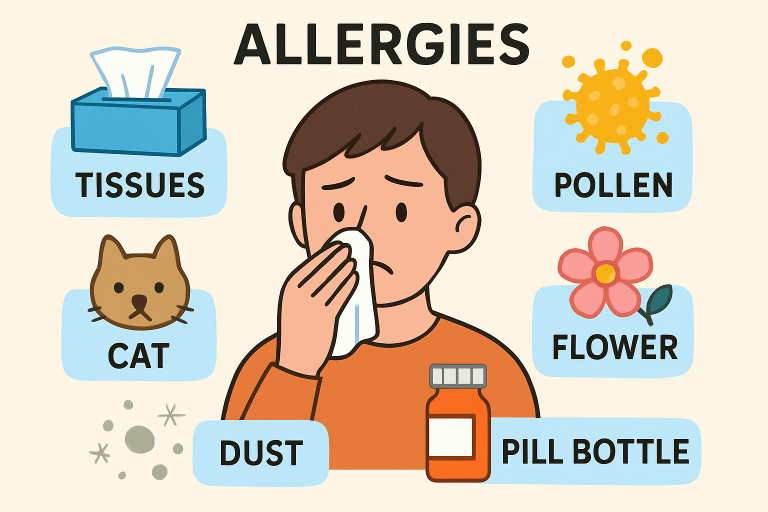
Allergy Symptoms and Relief Tips for Everyday Life


Key Takeaways

  • Recognize common allergy symptoms to seek timely relief.
  • Implement lifestyle changes to minimize exposure to allergens.
  • Explore both medical treatments and natural remedies for symptom management.

Table of Contents

  • Common Allergy Symptoms
  • Lifestyle Changes to Reduce Allergen Exposure
  • Medical Treatments for Allergy Relief
  • Natural Remedies and Alternative Therapies
  • Dietary Considerations
  • Stress Management
  • When to Seek Professional Help

Allergies affect millions of individuals each year, often disrupting daily routines and reducing overall well-being. Early recognition of symptoms and swift action can make a significant difference in comfort and overall health. Understanding common triggers, knowing when to seek an allergy doctor, and implementing practical relief strategies can help many people regain control over their everyday lives and environment.

Symptoms can vary widely from person to person and may appear seasonally or persist throughout the year. Simple changes around your home, workplace, and daily habits can dramatically limit your exposure to common allergens—making management and relief much easier in the long run.

Whether you suffer from mild, moderate, or severe allergies, there's no one-size-fits-all solution. By blending lifestyle modifications, scientifically backed medical treatments, and select natural therapies, most people can achieve better relief than they thought possible. Taking a comprehensive approach is crucial, especially for individuals dealing with persistent or recurring symptoms.

The science of allergies continues to advance, with medical professionals offering new insights and treatments every year. For additional information on seasonal allergies and related symptoms, the Mayo Clinic provides an easy-to-understand overview at this resource.

Common Allergy Symptoms

Recognizing the signs of allergies is crucial for timely management and avoiding complications. Allergic reactions can manifest differently in each individual and vary depending on the specific allergen involved. Typical symptoms include:

  • Sneezing
  • Runny or congested nose
  • Itchy, watery eyes
  • Coughing
  • Skin rashes or hives

Individuals may also experience fatigue, headaches, or worsening of asthma symptoms. Seasonal allergies, such as hay fever, are prevalent and can sometimes mimic the symptoms of a cold or sinus infection.

Lifestyle Changes to Reduce Allergen Exposure

Managing your environment is often the first step in reducing the frequency and severity of allergy flare-ups. Practical updates to your daily routine can offer significant relief:

  • Keep windows closed during high-pollen months to prevent outdoor allergens from entering your living spaces.
  • Regularly clean and vacuum your home with a HEPA filter vacuum to remove dust, pet dander, and pollen.
  • Shower, wash your hair, and change clothes after spending time outdoors to remove pollen and other allergens.
  • Use an air purifier equipped with a HEPA filter in bedrooms and main living areas to maintain cleaner indoor air.

These simple changes can help create a safer and more comfortable indoor environment. According to the American Academy of Allergy, Asthma & Immunology, employing these strategies may significantly reduce daily symptom triggers.

Medical Treatments for Allergy Relief

If symptoms persist, over-the-counter and prescription medications are available to help control allergic reactions. Common options include:

  • Antihistamines: These alleviate sneezing, itching, and a runny nose by blocking histamine, a chemical released during allergic reactions.
  • Decongestants: Effective for short-term relief of nasal congestion, but not for long-term use due to potential side effects.
  • Nasal corticosteroids: These sprays reduce inflammation and swelling in the nasal passages, improving breathing and decreasing discomfort.

More severe or persistent allergies may require consultation with an allergist, who can offer immunotherapy such as allergy shots or oral tablets. These treatments are designed to achieve long-term desensitization to specific allergens.

Natural Remedies and Alternative Therapies

Some find complementary approaches beneficial in combination with conventional medicine. While natural remedies do not replace medical treatments, they can be valuable for mild symptoms or preventive care, such as:

  • Saline nasal rinses to flush out allergens and relieve sinus congestion
  • Acupuncture for overall symptom reduction, supported by some promising research
  • Herbal supplements such as butterbur or quercetin (consult your doctor before use, as more research is needed)

Always talk to a healthcare provider before starting alternative therapies, especially for children or individuals with underlying medical conditions.

Dietary Considerations

A balanced diet can help boost the immune system and alleviate allergic inflammation. Key nutrients to focus on include:

  • Vitamin C, found in oranges, strawberries, and bell peppers, helps support overall immune health.
  • Omega-3 fatty acids, found in fatty fish and flaxseeds, help reduce inflammation throughout the body.
  • Probiotics: Abundant in yogurt and fermented foods, they can foster a healthy gut, which is linked to reduced allergy risk.

Including a variety of these foods can contribute to reduced allergy intensity and better overall health.

Stress Management

Stress plays a significant role in determining the severity of allergic symptoms. Chronic stress may suppress immune function, while acute stress may worsen reactions. Helpful strategies for stress relief include:

  • Routine physical activity, even moderate exercise like walking
  • Meditation, mindfulness, and deep breathing exercises for calming the nervous system
  • Prioritizing adequate sleep, as a well-rested body is more resilient against allergic reactions

Incorporating these practices not only improves allergy management but can also enhance overall quality of life.

When to Seek Professional Help

If allergy symptoms persist, worsen, or affect daily activities despite your efforts, it's time to consult a qualified allergy specialist. An allergist can perform targeted testing to identify specific triggers and customize a treatment plan, which may include immunotherapy for long-term relief. Prompt intervention helps prevent complications and ensures comprehensive symptom control.

By learning to recognize symptoms, making evidence-based lifestyle changes, seeking guidance from professionals, and integrating medical and natural therapies, you can effectively manage allergies and lead a healthier, more enjoyable everyday life.

Storm Recovery: Practical Construction Solutions For Damaged Homes

Powerful storms can leave homes in disarray, forcing homeowners to act quickly and make thoughtful decisions about repairs. A better knowledge of how to approach the restoration phase helps homeowners regain control and prevent avoidable complications.

A structured plan makes it easier to assess needs, hire the right professionals, and maintain safety throughout the process. Each storm presents unique challenges, and practical construction solutions streamline the path forward. This guide outlines effective steps to stabilize a damaged home and prepare it for long-term strength.

Inspecting Structural Integrity Before Any Repairs Begin

Homeowners should evaluate the structural condition of their property to understand the full impact of the storm. Sagging roofs, cracked walls, and compromised beams require immediate attention, as they can threaten safety.

A licensed contractor can identify hidden weaknesses and recommend the safest order of repairs. Those in the area can consult Indiana roofers to conduct an inspection and start the restoration planning. Thorough inspections prevent water intrusion, mold growth, or pest entry. Documenting all visible damage supports accurate insurance claims and reduces delays in receiving compensation.

Securing the Home to Prevent Further Deterioration

After assessing structural concerns, homeowners must stabilize vulnerable areas to minimize additional damage. Tarping roofs, boarding broken windows, or reinforcing weakened doors are all temporary solutions that can protect interiors from ongoing weather exposure. Quick action reduces the likelihood of moisture-related issues that complicate repairs and raise costs. 

Professionals recommend using durable, weather-resistant materials for temporary barriers to maintain protection until permanent work begins. These preventive steps safeguard belongings, limit disruption, and give homeowners more time to organize long-term construction. By addressing immediate vulnerabilities, the restoration process becomes smoother and more predictable.

Addressing Roofing and Exterior Envelope Failures

Storm damage frequently affects roofing, siding, gutters, and other exterior components that shield the home from the elements. Repairing these areas early prevents leaks from spreading into insulation, electrical systems, or interior walls. Contractors replace damaged shingles, flashing, or panels to restore weather resistance.

Upgrading materials during this phase can improve long-term durability and energy efficiency. Exterior repairs offer an opportunity to resolve pre-existing issues that storms may have worsened. Taking a strategic approach to rebuilding the exterior envelope strengthens the home and reduces future maintenance needs.

Managing Water Damage and Moisture Control

Water intrusion remains one of the most destructive consequences of severe weather: it affects multiple parts of a home at once. Homeowners should remove standing water quickly to stop deterioration and limit mold growth. Specialists use industrial fans, dehumidifiers, and targeted ventilation techniques to dry affected rooms thoroughly.

Once moisture levels return to normal, contractors can replace damaged drywall, flooring, or insulation. Addressing moisture early helps preserve the integrity of electrical wiring and structural components hidden behind walls. A methodical approach guarantees that repairs remain permanent, not temporary fixes.

Restoring Electrical and Mechanical Systems Safely

Storms disrupt electrical panels, HVAC units, plumbing lines, and other essential systems that support daily living. Licensed technicians should inspect these components before restoring power or restarting equipment to avoid safety hazards. They can identify loose connections, damaged circuits, or compromised pipes caused by debris or water exposure.

Restoring mechanical systems strategically allows homeowners to regain comfort and maintain compliance with safety codes. In some cases, upgrades may increase efficiency and extend the lifespan of the home’s infrastructure. Careful attention to these systems prevents future breakdowns and supports a stable recovery.

Rebuilding Interiors With Durable Materials

The structure and systems are secure, but interior reconstruction can begin. Homeowners replace flooring, drywall, cabinetry, and fixtures that suffered storm-related damage. Choosing durable, moisture-resistant materials helps protect the home from potential future events.

Contractors may recommend modern alternatives that offer better longevity and lower maintenance than traditional options. Rebuilding interiors presents a chance to improve layout, storage, or accessibility features. This phase completes the transformation from restoration to renewal and gives families a space that feels both familiar and refreshed.

Strengthening the Home for Future Storm Resilience

The recovery process should conclude with improvements that reduce vulnerability to future storms. Reinforcing roofing systems, upgrading windows, and installing impact-resistant materials create a stronger defense.

Homeowners may look into landscape adjustments that redirect water away from the foundation. Improved drainage solutions protect basements, crawlspaces, and lower-level rooms from flooding. Investing in preventive features lowers insurance costs and improves long-term peace of mind. These upgrades ensure the home recovers and becomes more resilient than before.

Effective storm recovery relies on careful planning and thoughtful construction solutions. By addressing structural issues, securing the home, repairing exterior damage, and improving resilience, homeowners can restore stability and confidence. With the right steps, a damaged property can emerge stronger and better prepared for future challenges.

Top Outdoor Furniture Trends for the Year Ahead

As Australians continue to embrace outdoor living as an extension of the home, outdoor furniture design is evolving at a rapid pace. Today’s spaces are more curated, more comfortable, and more stylish than ever—blurring the lines between indoor sophistication and outdoor durability.

Whether you’re refreshing a courtyard, upgrading a poolside area, or creating a cosy corner on the balcony, understanding the trends shaping the year ahead can help you make choices that feel current, lasting, and truly liveable. This includes selecting functional hero pieces like a beautifully crafted coffee table for the outdoors, which anchors a space while adding everyday practicality.

Below, we explore the biggest outdoor furniture trends set to define Australian homes in the coming year.

Nature-Led Materials and Organic Textures

Natural textures continue to dominate outdoor décor, with a shift toward pieces that feel grounded, warm, and connected to the environment. Expect to see more teak, acacia, rattan, and woven rope featured across seating, dining sets, and accent items.

These materials don’t just look timeless—they offer exceptional durability and weather resistance when properly maintained. The trend leans heavily into soft, earthy colour palettes and tactile finishes that create visual comfort and understated luxury.

Multi-Functional Pieces for Smaller Outdoor Spaces

As patio, balcony, and townhouse living become more common, multi-functional outdoor furniture is becoming essential. Think:

  • Benches with hidden storage

  • Dining tables that convert into bar tables

  • Modular sofas that can be rearranged on a whim

  • Compact foldaway pieces for adaptable entertaining

These versatile designs allow homeowners to enjoy both comfort and practicality without cluttering limited outdoor areas.

Upholstered Outdoor Lounges That Rival Indoor Comfort

One of the strongest trends of the year ahead is plush outdoor lounges with indoor-style cushioning. Improvements in weather-resistant fabrics mean you can now have:

  • Soft, sink-in cushions

  • Upholstery in trending colours

  • Durable fabrics that resist fading, mould, and moisture

This opens the door to recreating a true living-room experience outside, perfect for those long summer evenings with family and friends.

Bold Colours and Statement Pieces

While nature-inspired neutrals remain popular, many designers are moving toward richer, more expressive colours. Burnt oranges, olive greens, terracotta reds, charcoal tones, and deep blues will appear across cushions, frames, and accessories.

Statement pieces like sculptural lounge chairs, oversized umbrellas, and architectural tables are also becoming a focal point. These elements add personality and a sense of curated design to even the simplest outdoor space.

Sustainable and Eco-Friendly Outdoor Furniture

Sustainability is now a leading priority for homeowners and designers alike. In the year ahead, expect to see more outdoor furniture made from:

  • FSC-certified timbers

  • Recycled plastics

  • Low-impact metals

  • Eco-friendly fabrics

Consumers are increasingly choosing long-lasting, high-quality items over fast-furniture alternatives, elevating sustainability from a trend to a core design value.

Outdoor Dining Reinvented

Outdoor dining is no longer just about a standard table and chairs. The newest trend is to create fully immersive alfresco dining experiences—including outdoor kitchens, bar seating, built-in cooking stations, and mood lighting.

To complement this shift, designers are leaning into styles that blend comfort with elegance, such as cushioned dining chairs, extended-length tables, and mix-and-match materials like timber paired with powder-coated aluminium.

Curved Lines and Soft Silhouettes

Inspired by high-end interior design, curved profiles continue to weave their way into outdoor furniture. Rounded edges on sofas, oval dining tables, sculptural chairs, and arched décor soften the overall aesthetic, creating spaces that feel inviting and modern. This trend works particularly well in areas designed for relaxation, adding a sense of flow and gentle movement to the layout.

Outdoor Zones Designed for Year-Round Use

More Australians are investing in furniture and layouts that extend the usability of their outdoor spaces across all seasons. This includes:

  • Weatherproof lounges

  • Fire pits

  • Outdoor rugs

  • Shade structures and pergolas

  • Heating solutions

  • Layered lighting

These elements help create a comfortable, functional environment no matter the weather, allowing outdoor living areas to be enjoyed well beyond summer.

Bringing Your Outdoor Space to Life

Whether your goal is to design a peaceful reading nook, a vibrant entertaining area, or a full outdoor living room, the trends for the year ahead offer endless possibilities. Prioritise comfort, longevity, and thoughtful design to create a space that feels both beautiful and uniquely yours.

By incorporating curated materials, flexible layouts, expressive colours and statement pieces, you can create an outdoor environment that elevates everyday living and inspires enjoyment year-round.