The Impact of Early Care on Injury Outcomes
A serious injury changes life in a single moment. One second you feel safe and in control, the next second you face pain, confusion, and a wave of urgent decisions. In those first minutes and hours, every choice shapes the path that follows. Early care affects healing speed, long-term function, pain levels, and even financial stability.
Quick action does not only belong in dramatic emergency scenes. It covers basic steps such as calling for help, seeking a prompt medical exam, following early treatment plans, and protecting your legal rights. Together, those steps turn a chaotic event into a managed process that supports the best possible outcome.

Why Time Matters After an Injury
The body reacts to trauma with bleeding, swelling, and chemical changes. Early care aims to control those reactions before they create a chain of complications. Emergency teams focus on airway, breathing, and circulation first, then on stabilizing broken bones and open wounds. When this sequence happens quickly, tissues receive more oxygen, nerves stay protected, and the risk of permanent damage drops.
Doctors often talk about a “golden hour” for severe trauma. Treatment within that window can reduce death rates and long-term disability, especially after head injuries, major bleeding, or chest trauma. Even in less dramatic cases, fast attention helps. A joint sprain that receives rest, ice, compression, and elevation on day one often heals faster than the same injury ignored for a week.
Early Evaluation and Legal Support
After many accidents, medical decisions arrive alongside questions about insurance, fault, and costs. Serious crashes on the water create unique risks such as drowning injuries and traumatic impact. Injury victims in coastal communities often contact a Fort Lauderdale boat accident lawyer to understand their rights while medical teams focus on the physical damage. Early legal guidance supports access to specialists and keeps treatment records organized.
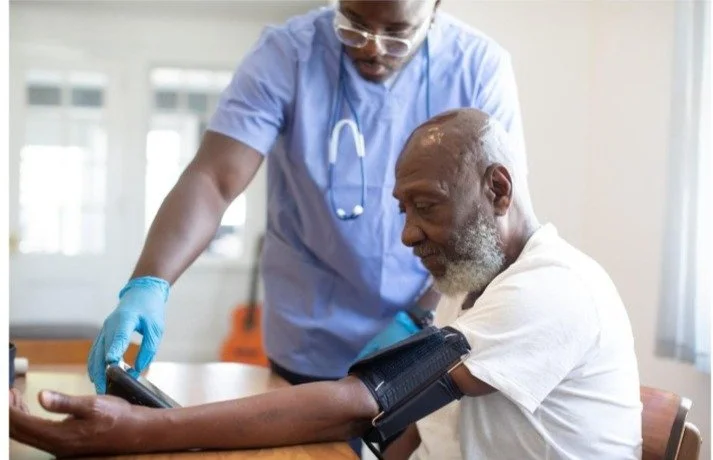
Prompt evaluation in an emergency department or urgent care clinic sets a baseline for everything that follows. Doctors record vital signs, visible injuries, and patient history. That record helps later providers track progress and spot complications such as infection, blood clots, or delayed concussion symptoms.
Stabilization and Pain Control
Stabilization means more than stopping bleeding. It includes securing the neck and spine, supporting fractures, and preventing further strain. When teams stabilize the body early, they protect delicate structures and avoid secondary damage that can occur during transport or early movement. This step plays a large role in outcomes after spinal injuries, hip fractures, and complex joint trauma.
Effective pain control forms another pillar of early care. High pain levels raise heart rate, blood pressure, and stress hormones, which interfere with healing. Thoughtful use of medication, icing, and positioning calms the nervous system and allows patients to rest. With pain managed, people follow instructions more easily, breathe deeply, and move safely when nurses and therapists ask them to sit, stand, or walk.
Diagnostic Testing and Hidden Damage
Not every serious injury appears on the surface. Internal bleeding, small fractures, and brain injuries may stay hidden at first. Early imaging and lab work help doctors uncover these issues before they progress. X-rays, CT scans, and MRIs reveal fractures, organ damage, and bleeding inside the skull, while blood tests show infection markers, organ function, and clotting status.
When teams catch hidden problems early, they can operate, immobilize, or adjust medication before the condition worsens. A small bleed in the brain, for instance, might receive monitoring and targeted treatment that prevents dangerous swelling. A hairline fracture that receives a brace or boot on day one often heals cleanly without the joint collapse that might follow weeks of unprotected use.
Rehabilitation That Starts on Day One
Rehabilitation does not wait for casts to come off or stitches to dissolve. In many cases, therapists begin gentle exercises, breathing drills, and movement training within hours or days. These early sessions protect flexibility, strength, and coordination. They teach patients how to move safely during daily tasks such as getting out of bed, using the bathroom, or climbing a step.
Muscles weaken quickly without use, and joints stiffen when they stay still for long periods. Early rehab slows that decline. Simple ankle pumps, hand squeezes, and bed mobility drills keep the body engaged and prepare it for later, more intense therapy.
Psychological Recovery and Family Roles
Injury affects the mind along with the body. Shock, fear, anger, and sadness all appear in the first days after a serious event. Early psychological care makes a clear difference. Short bedside conversations with mental health professionals, supportive nurses, and social workers help patients name their feelings and learn basic coping tools. This support reduces the risk of lingering anxiety, depression, or post-traumatic stress symptoms.
Family members play a key role from the beginning. They gather information, ask questions, and help the injured person remember instructions. Early meetings with care teams give families a roadmap for the next weeks and months.
Injury always brings disruption, yet early care can limit the damage. When people treat those first hours as a critical window, they create better conditions for healing in every dimension. Medical teams, families, and legal advocates each contribute to that effort. Together, they turn a crisis into a managed journey with a stronger chance of regaining health, function, and confidence.