Storm Recovery: Practical Construction Solutions For Damaged Homes
Powerful storms can leave homes in disarray, forcing homeowners to act quickly and make thoughtful decisions about repairs. A better knowledge of how to approach the restoration phase helps homeowners regain control and prevent avoidable complications.
A structured plan makes it easier to assess needs, hire the right professionals, and maintain safety throughout the process. Each storm presents unique challenges, and practical construction solutions streamline the path forward. This guide outlines effective steps to stabilize a damaged home and prepare it for long-term strength.
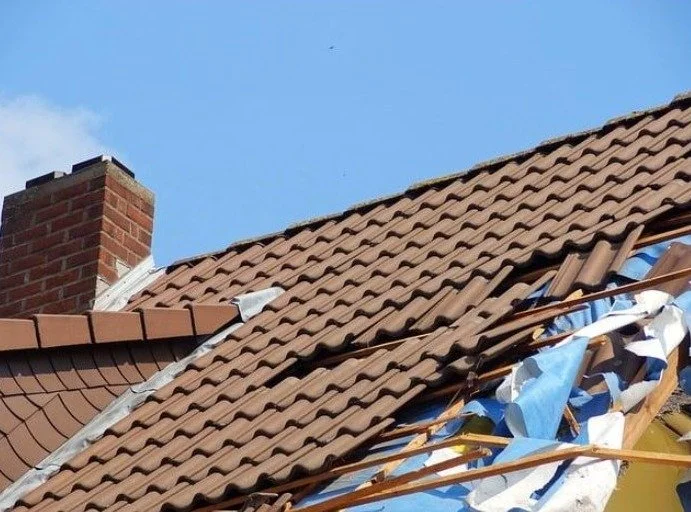
Inspecting Structural Integrity Before Any Repairs Begin
Homeowners should evaluate the structural condition of their property to understand the full impact of the storm. Sagging roofs, cracked walls, and compromised beams require immediate attention, as they can threaten safety.
A licensed contractor can identify hidden weaknesses and recommend the safest order of repairs. Those in the area can consult Indiana roofers to conduct an inspection and start the restoration planning. Thorough inspections prevent water intrusion, mold growth, or pest entry. Documenting all visible damage supports accurate insurance claims and reduces delays in receiving compensation.
Securing the Home to Prevent Further Deterioration
After assessing structural concerns, homeowners must stabilize vulnerable areas to minimize additional damage. Tarping roofs, boarding broken windows, or reinforcing weakened doors are all temporary solutions that can protect interiors from ongoing weather exposure. Quick action reduces the likelihood of moisture-related issues that complicate repairs and raise costs.
Professionals recommend using durable, weather-resistant materials for temporary barriers to maintain protection until permanent work begins. These preventive steps safeguard belongings, limit disruption, and give homeowners more time to organize long-term construction. By addressing immediate vulnerabilities, the restoration process becomes smoother and more predictable.
Addressing Roofing and Exterior Envelope Failures
Storm damage frequently affects roofing, siding, gutters, and other exterior components that shield the home from the elements. Repairing these areas early prevents leaks from spreading into insulation, electrical systems, or interior walls. Contractors replace damaged shingles, flashing, or panels to restore weather resistance.
Upgrading materials during this phase can improve long-term durability and energy efficiency. Exterior repairs offer an opportunity to resolve pre-existing issues that storms may have worsened. Taking a strategic approach to rebuilding the exterior envelope strengthens the home and reduces future maintenance needs.
Managing Water Damage and Moisture Control
Water intrusion remains one of the most destructive consequences of severe weather: it affects multiple parts of a home at once. Homeowners should remove standing water quickly to stop deterioration and limit mold growth. Specialists use industrial fans, dehumidifiers, and targeted ventilation techniques to dry affected rooms thoroughly.
Once moisture levels return to normal, contractors can replace damaged drywall, flooring, or insulation. Addressing moisture early helps preserve the integrity of electrical wiring and structural components hidden behind walls. A methodical approach guarantees that repairs remain permanent, not temporary fixes.
Restoring Electrical and Mechanical Systems Safely
Storms disrupt electrical panels, HVAC units, plumbing lines, and other essential systems that support daily living. Licensed technicians should inspect these components before restoring power or restarting equipment to avoid safety hazards. They can identify loose connections, damaged circuits, or compromised pipes caused by debris or water exposure.
Restoring mechanical systems strategically allows homeowners to regain comfort and maintain compliance with safety codes. In some cases, upgrades may increase efficiency and extend the lifespan of the home’s infrastructure. Careful attention to these systems prevents future breakdowns and supports a stable recovery.
Rebuilding Interiors With Durable Materials
The structure and systems are secure, but interior reconstruction can begin. Homeowners replace flooring, drywall, cabinetry, and fixtures that suffered storm-related damage. Choosing durable, moisture-resistant materials helps protect the home from potential future events.
Contractors may recommend modern alternatives that offer better longevity and lower maintenance than traditional options. Rebuilding interiors presents a chance to improve layout, storage, or accessibility features. This phase completes the transformation from restoration to renewal and gives families a space that feels both familiar and refreshed.
Strengthening the Home for Future Storm Resilience
The recovery process should conclude with improvements that reduce vulnerability to future storms. Reinforcing roofing systems, upgrading windows, and installing impact-resistant materials create a stronger defense.
Homeowners may look into landscape adjustments that redirect water away from the foundation. Improved drainage solutions protect basements, crawlspaces, and lower-level rooms from flooding. Investing in preventive features lowers insurance costs and improves long-term peace of mind. These upgrades ensure the home recovers and becomes more resilient than before.
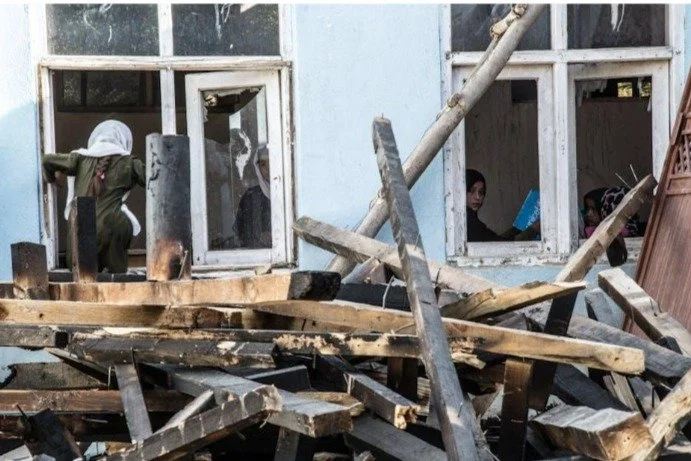
Effective storm recovery relies on careful planning and thoughtful construction solutions. By addressing structural issues, securing the home, repairing exterior damage, and improving resilience, homeowners can restore stability and confidence. With the right steps, a damaged property can emerge stronger and better prepared for future challenges.