How Maintenance Teams Extend the Life of Industrial Tanks
Why Industrial Tanks Demand Constant Attention
Industrial tanks work under conditions that push materials and infrastructure to their limits. They store chemicals, fuels, wastewater, and other high-volume materials that place continuous stress on tank walls, coatings, and foundations. In commercial and industrial environments, these tanks are central to operations, compliance, and safety. That’s why regular oversight from skilled maintenance teams is essential. Their work prevents structural degradation, avoids costly disruptions, and ensures the long-term performance of every system. For many facilities, strategic industrial tank repair is a critical part of maintaining safe and reliable storage.
How Routine Inspections Prevent Long-Term Failures
Inspection is the first line of defense for any industrial tank. Maintenance teams check for corrosion, wall thinning, weld fatigue, foundation settlement, and early signs of leakage. Using ultrasonic testing, vacuum box testing, and visual examinations, they gather precise data on tank condition. These inspections aren’t just regulatory requirements—they give managers insight into developing risks. When issues are identified early, targeted industrial tank repair can be completed quickly, preventing structural failures and eliminating the need for full system shutdowns.
The Impact of Corrosion Control
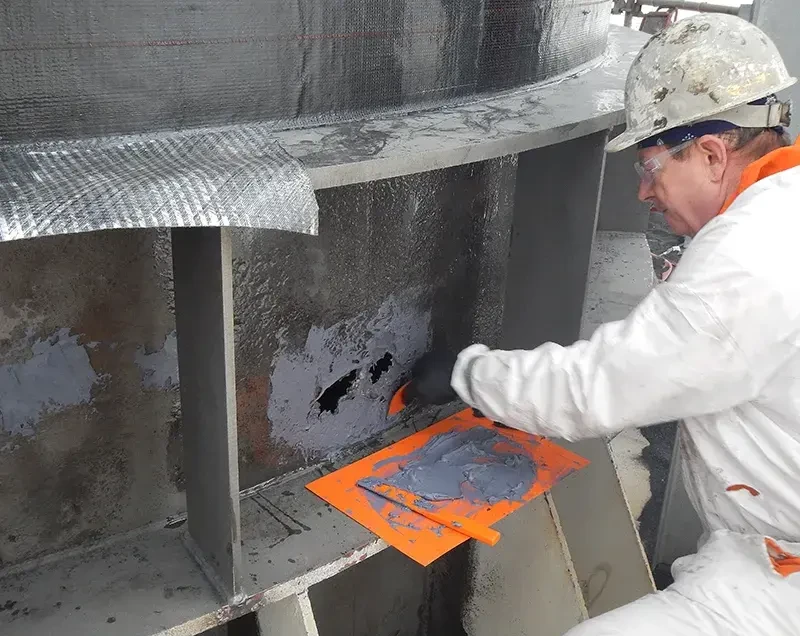
Corrosion is a constant threat in industrial environments. Tanks exposed to chemicals, moisture, and fluctuating temperatures naturally begin to degrade over time. Maintenance teams manage corrosion through interior linings, external coatings, cathodic protection, and regular cleaning. These measures slow the breakdown of metal surfaces and protect weld seams from weakening. Without proper corrosion control, the lifespan of a tank decreases dramatically. The ability to address corrosion early with the right industrial tank repair strategy keeps tanks operating safely even in harsh conditions.
Why Cleaning and Residue Removal Matter
Residue buildup inside tanks can create serious problems. Sludge, sediment, and chemical deposits affect tank capacity, interfere with measurement accuracy, and accelerate corrosion. Regular cleaning prevents these issues and helps maintain system efficiency. Advanced cleaning tools—such as high-pressure systems, abrasive blasting devices, and rotating nozzles—allow crews to remove hardened deposits without damaging the tank. When buildup is allowed to sit too long, structural repairs become more complex, costly, and time-consuming. Proactive cleaning supports long-term performance and reduces avoidable wear.
Monitoring Foundations and Structural Stability
An industrial tank is only as reliable as the foundation supporting it. Soil movement, settlement, erosion, and drainage problems can cause floors to shift or walls to deform. Maintenance teams routinely assess foundation integrity by monitoring elevation changes, cracks, and uneven pressure distribution. When problems appear, crews stabilize the base, adjust drainage patterns, or reinforce weak areas. A strong foundation not only protects the tank itself but also ensures safe operation and compliance with industry standards.
The Role of Modern Technology in Tank Maintenance
Technology plays a major role in extending tank lifespan. Remote monitoring sensors track temperature, pressure, and fluid levels in real time. Digital inspection tools provide detailed scans of interior surfaces. Data collection platforms help teams predict when a tank will require service. These tools support preventative maintenance schedules and reduce guesswork. With accurate analytics, facilities can plan repairs before a small flaw becomes a major operational threat.
Ensuring Compliance and Safety Standards
Industrial tanks operate under strict safety and environmental regulations. Maintenance teams help facilities meet these requirements by keeping tanks clean, structurally sound, and properly documented. Compliance inspections focus on everything from leak prevention to pressure control to coating integrity. Keeping up with these standards not only protects workers—it also minimizes legal and environmental risks. Strong maintenance practices build confidence that a tank is performing safely within regulatory limits.
Planning for Repairs Before Problems Grow
No industrial tank remains flawless forever. Age, use, and conditions eventually create the need for repairs. What separates strong maintenance programs from reactive ones is planning. Teams track repair history, monitor changes, and anticipate future needs. Scheduled industrial tank repair allows facilities to fix issues during planned downtime instead of during emergencies. This approach reduces operational disruption, lowers long-term costs, and ensures reliability across all storage systems.
Why Skilled Maintenance Teams Make the Difference
Industrial tank longevity depends on having trained professionals who understand structural mechanics, materials, coatings, and inspection techniques. Their expertise helps identify subtle issues that aren’t visible to regular staff. They know how to execute repairs safely and efficiently while protecting surrounding equipment and infrastructure. Their preventive work strengthens the tank’s lifespan and protects the facility from unexpected failures.
Industrial tanks are critical assets in commercial operations. Keeping them stable, clean, and structurally sound requires ongoing attention, consistent monitoring, and strategic repair planning. With the right maintenance team, these systems operate longer, perform better, and support the demanding needs of modern industrial facilities.