Key Features to Look for When Choosing a Water Softener for Your Home

Hard water can be a frustrating problem for homeowners, causing issues such as mineral buildup in plumbing, reduced efficiency of appliances, and dry skin or hair. A water softener is the ideal solution, as it removes excess minerals like calcium and magnesium, providing softer water that benefits both your home and your health. With so many options available, choosing the right water softener can be overwhelming. Understanding the key features to look for can help you make an informed decision that suits your household’s needs. Below, we discuss the most important aspects to consider when selecting a water softener for your home.

Water Hardness Capacity

One of the first factors to consider is the water softener’s hardness capacity, which determines how effectively it can treat your home’s water supply. The hardness level of water is measured in grains per gallon (GPG), and different water softeners have varying capacities to handle different hardness levels. To ensure you select the right unit, test your water to determine its hardness level. A softener with an inadequate capacity will require frequent regeneration cycles, leading to increased salt and water consumption, whereas an oversized system may be an unnecessary expense. Choosing a model that aligns with your home’s water hardness ensures optimal performance and efficiency.

Size and Space Considerations

When choosing a water softener, it's important to consider both the size of the unit and the space available for installation. The larger the system, the more space it typically requires, which can also impact softener installation costs, as bigger units may require more time and effort to set up. It's crucial to evaluate your available space and water usage to choose a system that fits well in your home. A properly sized water softener will ensure efficient performance while helping you avoid unnecessary expenses related to installation and long-term maintenance.

Regeneration Process and Efficiency

Water softeners function by periodically regenerating their resin beads, which involves flushing out the accumulated minerals using salt and water. The regeneration process can be either time-based or demand-initiated. Time-based regeneration follows a preset schedule regardless of water usage, while demand-initiated regeneration activates only when necessary based on actual water consumption. Demand-based systems are generally more efficient as they reduce water and salt waste, leading to cost savings over time. Some modern water softeners come equipped with high-efficiency regeneration features that further minimize waste, making them a more eco-friendly option.

Type of Water Softener System

There are different types of water softener systems available, each with distinct advantages. The most common types include salt-based ion exchange systems, salt-free water conditioners, dual-tank systems, and magnetic or electronic descalers. Salt-based softeners are the most effective at removing hard minerals, but they require regular salt replenishment. Salt-free conditioners do not remove hardness minerals but instead prevent scaling, making them a low-maintenance alternative. Dual-tank systems provide continuous soft water, as one tank regenerates while the other remains in use, making them ideal for large households. Understanding the differences among these systems can help you determine the best choice for your home.

Salt and Maintenance Requirements

If you opt for a salt-based water softener, it’s important to consider its salt usage and maintenance needs. Some models are more salt-efficient, meaning they use less salt per regeneration cycle, reducing the frequency of refills. Many modern water softeners come with features such as low-salt indicators and self-cleaning mechanisms, making maintenance easier. If you prefer a low-maintenance option, salt-free systems require minimal upkeep but may not be as effective for extremely hard water. Weighing the maintenance demands of different systems can help you choose a water softener that fits your lifestyle.

Additional Features and Smart Technology

Many newer water softeners come with advanced features that enhance convenience and efficiency. Smart water softeners, for example, can be controlled via smartphone apps, allowing you to monitor water usage, receive maintenance alerts, and adjust settings remotely. Some models also feature digital displays, water flow sensors, and automatic shut-off capabilities to improve functionality. These additional features can make it easier to manage your water softener and ensure its long-term performance. While smart technology may come at a higher price, it can provide significant convenience and potential cost savings in the long run.

Selecting the right water softener for your home involves considering several key factors, including water hardness capacity, regeneration efficiency, system type, size, maintenance requirements, and additional smart features. By understanding these aspects, you can choose a system that meets your household’s needs while maximizing efficiency and convenience. Investing in the right water softener protects your plumbing and appliances and enhances your overall water quality, making everyday activities like bathing, cleaning, and cooking more enjoyable. With careful research and consideration, you can find the perfect water softener to improve your home’s water supply.


Why Espresso Kitchen Cabinets Work Well in Both Modern and Traditional Homes

The kitchen is often the center of a home, the place where families come together to make memories. Cabinetry is one major element, providing both function and style. Espresso kitchen cabinets are widely appealing to homeowners with a variety of tastes and have become a trend in recent years. That deep, dark color adds a touch of elegance and classic appeal to both modern and traditional homes. In this post, we will examine why they are so versatile & appealing.

Versatility

A deep, rich espresso cabinet can work with a variety of style elements. This versatility is why it remains a favorite for those who want a more modern yet timeless look. Its rich tones make a bold statement, yet they are not too overpowering, so you can still incorporate many other elements in your decor along with the espresso cabinets for kitchen.

Espresso cabinetry will work nicely with stainless steel appliances and minimalistic décor, both of which are popular in kitchens today. The juxtaposition of dark wood and metallic surfaces gives them an attention-grabbing look that is still classy but modern at the same time. For a more classic aesthetic, the dark surface of espresso cabinets can amplify the warmth and comfort often linked to country or old-world style.

Timelessness and Elegance

Espresso kitchen cabinets are classic and attractive. While some design trends are short-lived, espresso's dark hues are here to stay. Their long-lastingness assures homeowners that they can enjoy the beauty of their kitchen for years ahead without needing frequent updates.

Espresso cabinetry is elegant in its ability to create depth and dimension within a space. The use of dark tones immediately attracts the eye, adding an additional air of luxury and sophistication. This characteristic makes espresso cabinets a preferred choice if you want to enhance the overall look of your kitchen.

Complementary Color Schemes

An espresso cabinet is a neutral base that works with multiple color schemes. These warmer and cooler tones complement their rich hue, giving the homeowner some flexibility in selecting a contrasting cooler or warmer tone. Contrasting with the richness of the cabinetry, whites and creams (or any other light shades for that matter — they just have to be light) play the role of a mute. When you mix the two often, it creates a bright, airy atmosphere in the kitchen, which is a great solution if you have plenty of natural light.

If you want something a bit more subtle, pair espresso with something more subdued—vibe grey or pale blue can lend an understated elegance. These combinations also create tranquility and elegance, making your kitchen a calming area.

Durability and Maintenance

Aesthetics aside, espresso kitchen cabinets are also very practical, yet another reason for their popularity. Dark finishes are usually pretty forgiving and may disguise light scratches or stains on a daily/user level. Such durability makes them ideal if your home is active and maintenance is a key concern.

It is fairly easy to clean espresso cabinetry as well. Dust regularly and polish them occasionally to keep them in tip-top condition. These cabinets are designed to last, and with proper care, they will look and operate just as well many years from now as they do today, so they will give homeowners a lot of return for their investment.

Creating a Focal Point

An espresso cabinet can make a gorgeous centerpiece in any kitchen. The dark tones attract the luster of the eye, making it a great selection for the area you want to be a focal point. Espresso cabinetry makes a bold statement, whether throughout the whole kitchen or an island and is sure to set the drama level high in the kitchen.

Adding open shelving or glass-front doors can up their game even further. These features break up the continuous plane of dark timber, creating visual interest and contrast in the overall kitchen design.

Conclusion

Espresso kitchen cabinets are known for their unique blend of elegance, strength, and timelessness. They are a popular option for many homeowners since they work well in modern and traditional homes alike. Espresso cabinets are luxurious, pairing style with functionality, and perfect for elevating the kitchen design due to their rich tones and elegant appearance. Espresso cabinetry remains a consistently popular choice because it complements the clean lines of modern appliances and the ornate features found in more traditional settings.

What Happens to Your Teeth Without Good Oral Hygiene

Maintaining good oral hygiene is critical for preserving your teeth and overall health. Many people tend to overlook the importance of regular dental care, leading to lasting repercussions. Neglecting oral hygiene can result in severe complications, ranging from cavities to gum disease and, ultimately, tooth loss. Understanding the consequences of poor dental care is essential for motivating individuals to take proactive measures in their oral health routine.

The Importance of Daily Oral Care

Daily oral hygiene practices, such as brushing and flossing, play a vital role in protecting your teeth and gums. Brushing twice a day with fluoride toothpaste helps remove food particles and plaque, a sticky film of bacteria that forms on teeth. If plaque is not removed, it can harden into tartar, which can only be removed by a dental professional, as this Dentist in Broken Arrow, OK explains. Skipping these daily practices can lead to significant dental issues, including decay and cavities. The American Dental Association states that nearly 92% of adults have experienced cavities in their permanent teeth, highlighting the widespread consequences of inadequate oral hygiene.

Cavities and Tooth Decay

Cavities, or tooth decay, is one of the most common consequences of poor oral hygiene. When plaque builds up on teeth, it releases acids that erode tooth enamel. If not addressed, this decay can penetrate deeper layers of the tooth, leading to pain, infection, and even tooth extraction in severe cases. It’s estimated that by age 34, most individuals will experience cavities, illustrating how essential it is to implement a thorough dental care routine early on. Regular dental check-ups become even more critical, as professional cleanings can prevent cavities from developing into more severe problems.

Gum Disease: A Serious Consequence

Gum disease, or periodontal disease, is another severe outcome of neglecting oral hygiene. It begins with gingivitis, characterized by swollen, bleeding gums. If left untreated, it can progress to periodontitis, leading to the destruction of tooth-supporting bone and tissues. Approximately 47% of adults aged 30 and older experience some form of gum disease, making it a widespread issue that affects millions. Ignoring symptoms such as persistent bad breath or gum irritation often results in extensive treatment, including root planing or even surgery.

Neglecting gum disease is a serious issue that extends beyond the mouth. The bacteria and inflammation associated with periodontitis can enter the bloodstream and travel to other parts of the body. According to this dentist who does high-quality dental crowns in Tallahassee FL, this systemic inflammation has been linked to an increased risk of other serious health conditions, including heart disease, stroke, and diabetes.

The Connection Between Oral Health and Overall Health

There is an undeniable connection between oral health and overall well-being. Poor dental hygiene has been linked to various systemic conditions, including heart disease, diabetes, and respiratory diseases. Bacteria from gum disease can enter the bloodstream, contributing to dangerous health complications. Research from the American Heart Association suggests that individuals with gum disease are almost twice as likely to suffer from heart disease compared to those who maintain good oral hygiene. Thus, neglecting your oral health can have far-reaching consequences beyond your mouth.

Financial Implications of Neglecting Oral Care

Failing to prioritize dental care can lead to significant financial ramifications. Preventative measures, such as regular dental visits, are generally more affordable than treatments for dental issues when they arise. Routine dental cleanings and exams cost a fraction of what it would require for root canals, periodontal treatments, or tooth replacements. Additionally, using the services of a reliable dentist to address dental concerns may fall short if oral health is not prioritized, leading to more significant, unavoidable expenses down the line.

Creating an Effective Oral Hygiene Routine

To ensure optimal oral health, it’s crucial to develop an effective routine. Begin by brushing your teeth at least twice daily and flossing at least once. Incorporating antibacterial mouthwash can provide added protection against bacteria. Make it a habit to schedule dental check-ups regularly, ideally every six months, for professional cleanings and examinations. Staying informed about dietary choices also plays an essential role in oral care. Limiting sugary foods and beverages can greatly reduce the risk of cavities and gum disease, ensuring your smile remains healthy for years to come.

Taking care of your teeth is not merely about aesthetics; it is integral to maintaining overall health. Proper oral hygiene plays a crucial role in preventing tooth decay, gum disease, and even broader health issues such as heart disease and diabetes. Neglecting dental care can lead to painful and costly problems, as bacteria in the mouth can enter the bloodstream and affect other parts of the body. Regular brushing, flossing, and routine visits to the dentist are essential to keep your teeth and gums healthy. 

Making mindful dietary choices, such as limiting sugary foods and drinks, can greatly reduce the risk of cavities and other oral health problems. Smoking and excessive alcohol consumption can also negatively impact oral health, increasing the risk of gum disease and oral cancers. By understanding the importance of good dental care and making consistent efforts to practice it, individuals can enjoy a lifetime of healthy smiles and improved well-being. Every step you take toward safeguarding your oral health contributes to a healthier, happier you.

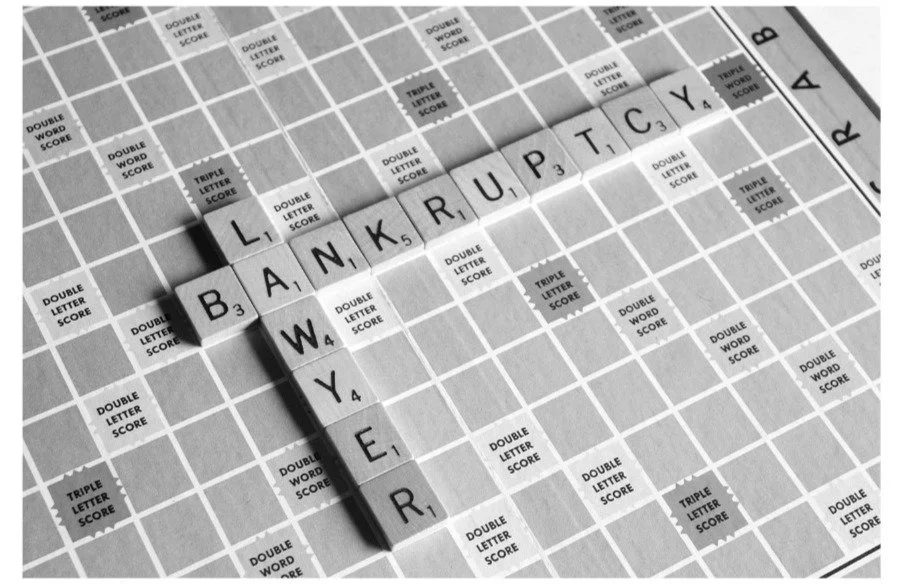
Is Bankruptcy the Right Choice for You? How to Decide

Understanding the implications of bankruptcy can be daunting. It involves complex legal matters, financial repercussions, and emotional stress. For many individuals, the thought of bankruptcy arises when they face insurmountable debt. 

This leads to the essential question: Is bankruptcy the right choice for you? The answer often lies in carefully evaluating your situation, understanding the options available, and making informed decisions.

Understanding Bankruptcy

Bankruptcy is a legal process designed to help individuals or entities eliminate or repay their outstanding debts. It provides a fresh start for those burdened by financial difficulties. In the United States, two common types of bankruptcy for individuals are Chapter 7 and Chapter 13. Chapter 7 bankruptcy involves liquidating non-exempt assets to pay off debts, while Chapter 13 allows individuals to create a repayment plan to settle debts over three to five years. 

Many factors contribute to the choice of filing for bankruptcy, including medical expenses, unemployment, underemployment, and unexpected life events such as divorce. Understanding the specific type of bankruptcy is crucial as it impacts debt discharge, credit ratings, and asset retention. Knowing when these circumstances necessitate legal assistance can often guide individuals toward filing or exploring alternative routes.

Legal Options for Managing Debt

To navigate the complexities of financial distress, individuals should consider their legal options. With Bankruptcy legal support, you can gain clarity on whether bankruptcy is the appropriate strategy for you. Consulting a bankruptcy attorney can provide insights on the process, eligibility requirements, and potential outcomes. They can guide you through paperwork and court procedures and help you understand your rights. Besides bankruptcy, other alternatives exist. For those seeking to avoid bankruptcy, debt consolidation might be a suitable option. 

This involves combining multiple debts into one payment, often at a lower interest rate. Credit counseling also plays a vital role, providing education on money management and budgeting. Nonprofit agencies usually offer such services, making them accessible and affordable for most individuals. Exploring these avenues may help reduce the urgency of filing for bankruptcy.

Another option to consider is debt settlement, where you work with creditors to reduce the total amount owed. Debt settlement can be effective for those who have significant outstanding balances and can negotiate a lump sum payment or structured repayment plan. However, it's important to weigh the potential impact on your credit score and the fees associated with these services.

Assessing Your Financial Situation

Before making a final decision, it’s essential to perform a thorough assessment of your financial situation. Start by documenting all debts, including amounts owed, interest rates, and payment deadlines. Comparing this information against your income and essential expenses will give you a clearer picture of your financial health. This step is crucial in determining if bankruptcy is your only option or if other resolutions could alleviate your burden. 

Think about conducting a budget analysis to reveal opportunities for cutting costs. Small adjustments, like reducing discretionary spending, may lead to an improved financial stance. Establishing a realistic plan for managing debts or seeking additional income sources, such as part-time work, can also help prevent the need for bankruptcy.

The Impact of Bankruptcy on Credit

Filing for bankruptcy significantly affects your credit score. After the process, a bankruptcy record will appear on your credit report for seven to ten years, depending on the type filed. Lenders may view you as a high-risk borrower, which can impact your ability to secure new credit, loans, or mortgages. However, while bankruptcy initially harms your credit, it can eventually lead to rebuilding with time and diligence. 

Knowing how to approach credit rebuilding post-bankruptcy is crucial to restoring financial health. Utilizing a secured credit card or seeking credit-building loans might be initial steps. They can establish a positive payment history. Regular monitoring of your credit report helps ensure that information remains accurate and allows you to address any discrepancies promptly.

Making the Decision

Deciding whether bankruptcy is the right choice requires careful consideration and evaluation of your unique circumstances. Reflect on your financial situation, potential alternatives, and the consequences associated with filing. 

Speak to financial advisors or legal professionals who can help you weigh the pros and cons with factual insights, giving you confidence in your final decision. Also, check eligibility criteria for Chapter 7 Bankruptcy in Arizona. Because it differs state-wise. Proactive steps, such as debt management strategies and legal consultations, can aid in making an informed choice without feeling overwhelmed by the weight of your financial challenges. 

You are not alone in this journey, and resources are available to help navigate the financial terrain. Taking control of your finances is empowering, contributing to a more secure future. Whether bankruptcy becomes your path or you find alternative solutions, knowing the facts makes for a more strategic decision-making process.